REVIEW · ZANZIBAR
Cooking Class Tour
Book on Viator →Operated by HALISI AFRICA TOURS · Bookable on Viator
Zanzibar food clicks fast when you cook it yourself. This small-group class takes you from a local market to a home-style kitchen, where you learn Swahili techniques and build a meal you actually eat—plus you’ll handle a knife and cook over a charcoal brazier. I love that it’s hands-on, not a performance, and I love the tight group size (max six) that keeps the chef’s attention on you. One thing to consider: the experience is weather-sensitive, so plan for possible schedule changes if conditions are rough.
With a 9:00 am start and about 5 hours on the clock, it’s a great way to spend part of a day in Stone Town that isn’t just walking and shopping. If you like real food, real spices, and learning from locals, you’ll get a lot of value from the $90 price tag because lunch and ingredient-shopping are built in.
In This Review
- Key highlights to know before you go
- From Tembo House to a Zanzibar market in time for flavor
- The market stop: shopping like a local (and learning what to buy)
- Swahili cooking lesson: technique, spices, and a real kitchen rhythm
- A few things I think you’ll pick up quickly
- Cooking over charcoal: why this method changes the dish
- What you’ll cook and how the lesson flows
- Lunch: eat what you made, and talk about it
- Price and value: what $90 really buys in Zanzibar
- Pickup, timing, and what to do with your day afterward
- Weather and schedule reality: a small consideration that matters
- Who should book this cooking class (and who might skip it)
- Quick tips for a smooth 9:00 am start
- Should you book HALISI AFRICA TOURS for this cooking class?
- FAQ
- How long is the cooking class in Zanzibar?
- Where does the tour start?
- Do I need private transportation?
- How big is the group?
- Can vegetarians join?
- What is included in the price?
- What if the weather is bad?
- Is there free cancellation?
Key highlights to know before you go
- Max six people means you’ll get personal help, not a rushed demo
- Market ingredient hunt sets the flavors up before the cooking starts
- Charcoal brazier cooking shows you how the food is actually made
- Vegetarian options are available if you ask
- You eat what you make, together with your chef
From Tembo House to a Zanzibar market in time for flavor
Your day starts around 9:00 am at Tembo House Hotel, on Shangani Street near Forodhani Street, Zanzibar 0004. If pickup is offered for your booking, use it—this kind of tour is easiest when you’re already headed to the neighborhood and not juggling transit directions.
The route matters here because you’re aiming to shop while the market energy is at its best. You’re not just buying ingredients—you’re learning how Zanzibarians think about food: what to choose, what smells right, and how spices change the final dish.
You can also read our reviews of more tours and experiences in Zanzibar.
The market stop: shopping like a local (and learning what to buy)
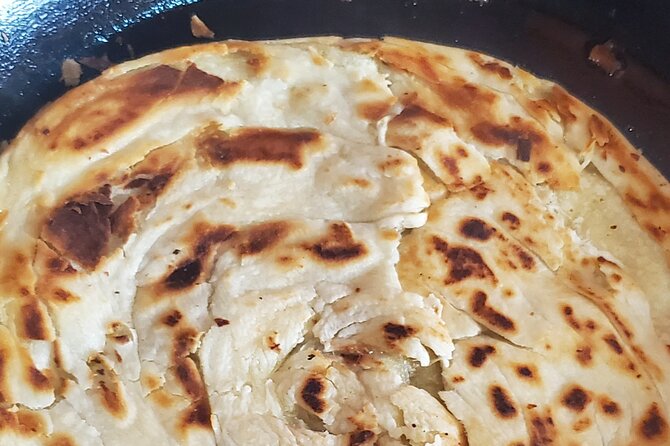
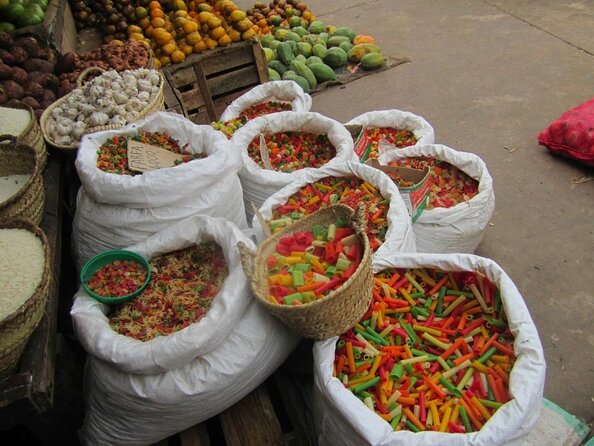
The tour includes a visit to a local market to purchase ingredients before you cook. This is one of the most practical parts of the whole experience because market shopping is where your future cooking lessons start to pay off.
Here’s what I’d focus on during the market portion:
- Ask what spices go into which dishes and why
- Watch how your chef picks produce and aromatics
- Listen for small details, like when to use something fresh vs. dried
Zanzibar cooking is known for a mix of influences, and you’ll feel that in the ingredients you’re encouraged to buy. The class description also highlights the role of spices grown in Zanzibar—so you’re not just collecting random pantry items. You’re selecting flavors that belong to the island.
If you’re vegetarian, this is the time to make sure the plan fits you. The class states vegetarians can be accommodated, so tell your guide early and be clear about what you avoid (and what you’re okay with).
Swahili cooking lesson: technique, spices, and a real kitchen rhythm
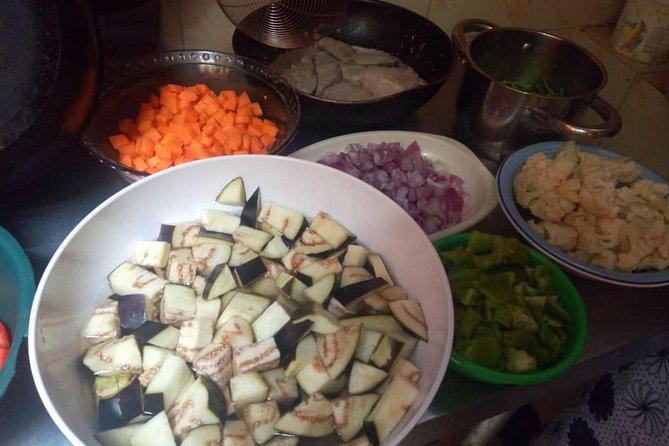
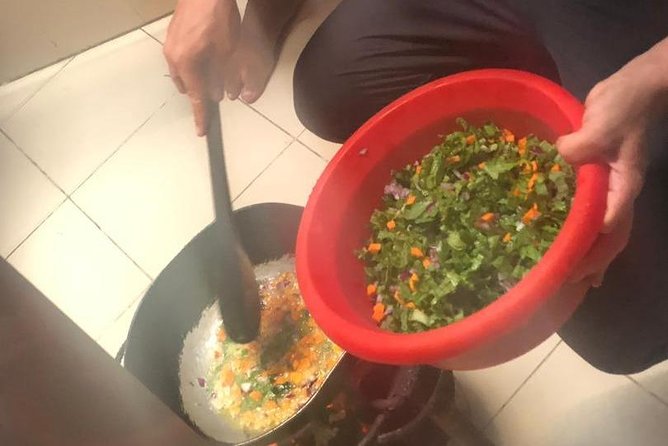
After the market, you begin the cooking lesson guided by an experienced Zanzibari chef. This isn’t “watch and hope.” You’ll be preparing dishes and practicing Zanzibar-style cooking using the kitchen tools provided.
Two pieces of included equipment matter a lot:
- Kitchen knife use is part of the experience, so you’ll learn chopping and prep methods that work for these dishes
- Charcoal brazier cooking shows you how heat control affects taste and texture
That charcoal point is more than a gimmick. In many coastal cooking styles, heat and timing are everything. When you’re learning over charcoal, you get a feel for how quickly things change—where you need steady warmth and where you want hotter bursts.
Your chef will guide you through the intricacies of Swahili cooking, mixing the “what” (the ingredients) with the “how” (the steps). The goal is that you understand the logic, not just memorize recipes. And with only up to six participants, you’re more likely to get corrections when your technique needs adjustment.
A few things I think you’ll pick up quickly
Swahili food often centers on spices, aromatics, and layering flavor through the cooking process. Even if you’ve cooked before, you may find yourself learning a new rhythm:
- building aroma first, then adding ingredients in the right order
- adjusting seasoning as flavors develop
- understanding how the spice blend changes when cooked versus sprinkled
That’s the kind of knowledge you can actually use later, even if you don’t have Zanzibar spices at home.
Cooking over charcoal: why this method changes the dish
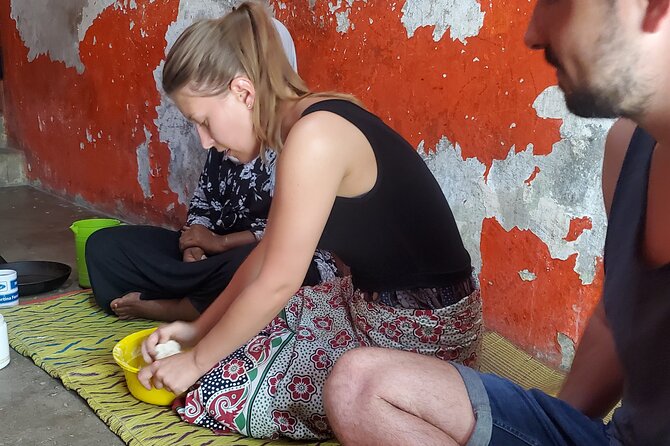
The included charcoal brazier is one of the most praised elements in this kind of class format, because it connects you to everyday cooking methods. If you’ve only cooked on a gas stove or electric burner, charcoal can feel different right away.
What to pay attention to:
- how heat affects bubbling and simmering
- how quickly onions/ground spices deepen in color
- how long a dish needs before it tastes “done,” not just “cooked”
This is also where the group size helps. In a class of six, your chef can watch what you’re doing and nudge you before your food goes too far. That personal attention is exactly what you want when you’re learning fire-cooking techniques.

What you’ll cook and how the lesson flows
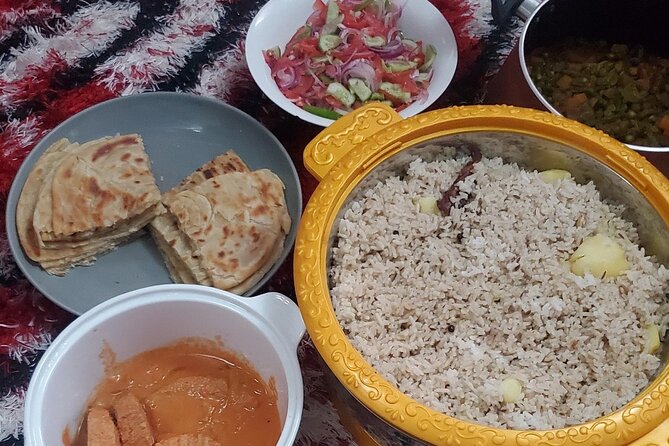
The class centers on Swahili dishes, and the structure is straightforward: market shopping, cooking lesson, then the shared meal. Even without a dish list in front of you, you can expect a mix of practical cooking steps—chopping, mixing, seasoning, and cooking over the brazier.
The tour description says you’ll learn the intricacies of Swahili cooking and the role of spices grown in Zanzibar, plus you’ll practice Zanzibar styles with your chef’s guidance. Translation: you’ll be making something you can name and replicate, not just tasting bits along the way.
Lunch: eat what you made, and talk about it
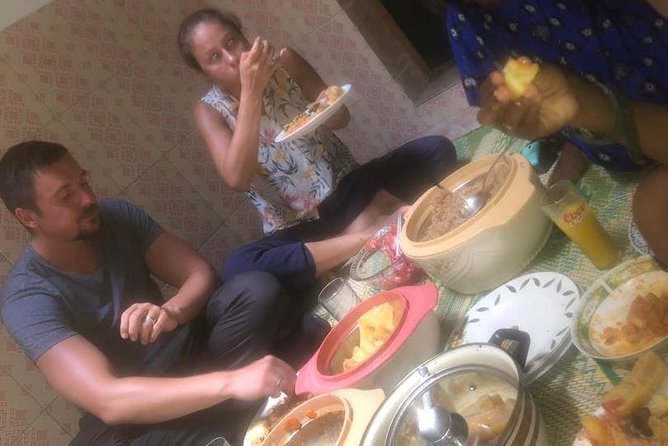
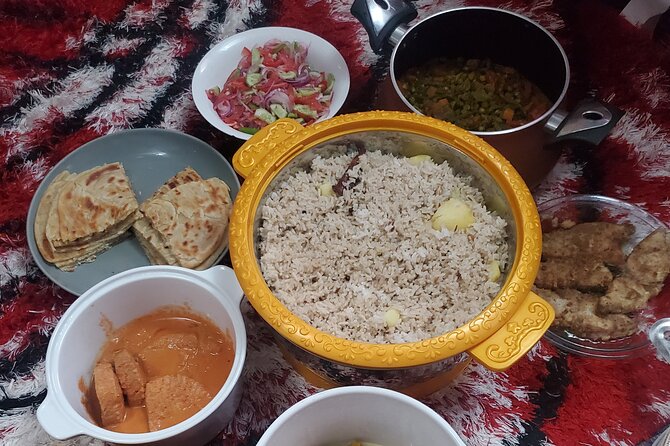
When the food is ready, you dine together with your chef. This part is genuinely valuable because it turns the cooking lesson into a full-circle experience. You get to eat the results right away and ask questions about flavor balance while everything is still fresh in your mind.
It’s also the moment you’ll hear more about the merits of Swahili foods—why certain spices are used, what makes a dish satisfying, and how Zanzibaris think about meals. These small conversations often stick longer than any recipe card.
Price and value: what $90 really buys in Zanzibar
At $90 per person, this class isn’t a cheap “activity.” But it’s also not priced like a fancy restaurant meal. You’re paying for multiple things that add up:
- Market shopping time with guidance
- A local chef leading a hands-on lesson
- Ingredients and supplies provided
- Lunch included
- Tools and cooking method included (knife and charcoal brazier)
- Small group size capped at six
When you compare that to the cost of buying ingredients yourself and hoping you’ll learn the right technique, the value gets clearer. You’re not just paying for food—you’re paying for a cooking skill transfer.
One more value factor: the tour is about 5 hours. That’s a good chunk of time with a clear flow, from buying ingredients to eating the finished dishes. It’s the kind of experience that turns a normal day into something you’ll remember.
Pickup, timing, and what to do with your day afterward
Pickup is offered, and the activity starts at 9:00 am. If you’re staying in or near Stone Town, this timing is handy because you still have most of the day left afterward.
Plan your schedule like this:
- Make the morning free for shopping, cooking, and lunch
- Save any heavy sightseeing for later, since you’ll be eating and using your hands in a kitchen setting
- If you’re doing other Stone Town stops, leave a little buffer for walking and finding your way back to the meeting point
The tour ends back at the meeting point, so you won’t be dropped somewhere confusing with no way back.
Weather and schedule reality: a small consideration that matters
This experience requires good weather. The operator notes that weather can affect the plan, and adjustments may happen if conditions are poor. So if you’re booking during a more unsettled period, keep your expectations flexible.
That’s also why free cancellation exists in many cases with advance notice. If the day looks sketchy, you’ll want to keep an eye on conditions rather than treating the schedule as untouchable.
Who should book this cooking class (and who might skip it)
Book this class if:
- You want a hands-on food lesson, not just watching
- You like spices and want to understand how they’re used in Swahili dishes
- You’re comfortable learning in a small-group setting
- You want lunch included, made by what you help cook
- You need a vegetarian-friendly option (tell the team when booking)
You might skip it if:
- You dislike markets or don’t want to spend time shopping for ingredients
- You prefer purely passive activities
- You’re looking for a super-fast stop (this is about 5 hours)
Quick tips for a smooth 9:00 am start
Bring your usual Zanzibar basics: sun protection, and a mindset that you’re in a real kitchen. Wear comfortable clothes you don’t mind getting a little kitchen-spice-adjacent.
Also, use the small group size to your advantage:
- Ask questions early, especially about spice choices
- If you’re vegetarian, confirm your needs during the earliest part of the tour
- Watch how your chef handles prep and cooking, then copy the method, not just the ingredient
If you do that, you’ll leave with a clearer “why” behind each step, which is what makes cooking lessons actually useful later.
Should you book HALISI AFRICA TOURS for this cooking class?
Yes, if you want an authentic Swahili cooking experience with real instruction and a real meal. The best reason to book is the combo of small-group attention, a market-first ingredient approach, and cooking over a charcoal brazier, then eating together with your chef.
It’s also a strong choice for value: $90 covers market shopping, ingredients, lunch, and the cooking setup. That makes it easier to justify than taking a DIY route that won’t teach you technique.
If weather is questionable during your travel dates, keep your plans adaptable—but don’t treat that as a dealbreaker. With good timing and a flexible schedule, this is one of the more grounded, skill-building ways to experience Zanzibar food culture.
FAQ
How long is the cooking class in Zanzibar?
The experience is about 5 hours.
Where does the tour start?
It starts at Tembo House Hotel, Shangani Street near Forodhani Street, Zanzibar 0004, Tanzania.
Do I need private transportation?
Private transportation is not included, but pickup is offered (depending on your booking).
How big is the group?
The group is capped at a maximum of six travelers.
Can vegetarians join?
Yes, vegetarians can be accommodated.
What is included in the price?
Lunch is included, and the tour provides uses of a kitchen knife and a charcoal brazier.
What if the weather is bad?
This experience requires good weather. If it’s canceled due to poor weather, you’ll be offered a different date or a full refund.
Is there free cancellation?
Yes. You can cancel up to 24 hours in advance for a full refund.