REVIEW · KYOTO
Kyoto: Ramen Bowl Painting and Michelin Cooking Class
Book on GetYourGuide →Operated by Musoshin Fit inc. · Bookable on GetYourGuide
Ramen goes arts-and-crafts in Kyoto. You’ll paint a ramen bowl or spoon as a take-home souvenir, then build and eat Michelin-nominated Musoshin ramen. It’s hands-on, family friendly, and surprisingly calming—until the slurping starts.
What I like most is the mix of creativity and real food technique: noodles and broth are handled like a serious restaurant does it. Another big win is that the workshop can adapt for gluten-free, vegetarian, and vegan ramen needs. One consideration: the “cooking” part is more about guided assembly than a full from-scratch lesson on every sauce.
In This Review
- Key things to know before you go
- Kyoto ramen bowl painting meets Michelin-nominated flavors
- Meet Musoshin Ramen Academy and their noodle-and-broth obsession
- How the class usually unfolds: paint first, then build your ramen
- The painting part: bowl or spoon, your design, your pride
- The ramen part: guided assembly instead of full DIY chaos
- Then you eat what you built
- What makes the Michelin-nominated ramen taste different
- Ceramics you can take home: same-day décor or next-day kiln firing
- Family friendly, kid-proof, and surprisingly easy to enjoy
- Dietary options: gluten-free plus vegetarian and vegan ramen
- Language help and small-group comfort
- Price and value: about $64 for souvenir plus Michelin-level ramen
- A fair heads-up: what to consider before you book
- Should you book this Kyoto ramen class?
- FAQ
- How long is the Kyoto ramen bowl painting and Michelin cooking class?
- How much does it cost?
- Where is this experience located?
- What’s included in the class?
- Can I take the painted ceramic home the same day?
- What if I want the ceramic fired so I can use it for meals?
- Are gluten-free, vegetarian, or vegan ramen options available?
- Is there instruction in English?
- Can they ship the items to your next hotel?
Key things to know before you go
Create an original ceramic souvenir: bowl or spoon, with kiln options
Taste Michelin-level ramen: Musoshin’s recipe focus is built around daily noodles and long broth time
Small-group pacing: English/Japanese support, with friendly hosts known for guiding kids well
Diet-friendly menus: gluten-free plus vegetarian/vegan ramen options are available
Take it home your way: pick up kiln-fired items the next day, or take décor pieces same day
Kyoto ramen bowl painting meets Michelin-nominated flavors
Kyoto has plenty of food experiences, but this one hits a sweet spot: you make something with your hands, then you eat something you’ll genuinely remember. The ramen part isn’t just a ticket to a meal—it’s Musoshin’s restaurant-style process, brought into a workshop setting.
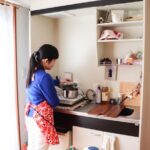
The vibe is part craft studio, part kitchen classroom. You’re not stuck watching from a seat. You paint, you assemble, you eat. If you like experiences that are active but not stressful, this is a good fit.
You can also read our reviews of more tours and experiences in Kyoto.
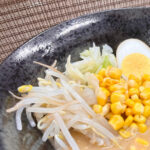
Meet Musoshin Ramen Academy and their noodle-and-broth obsession
This class is run by Musoshin Ramen, a Kyoto start-up that began in 2022. They now operate six restaurants across Kyoto and Toronto, and their Toronto location has been nominated for Michelin for three consecutive years. The key detail for you: the recipe approach is shared.
Musoshin’s process is very methodical, and they explain it in a way that makes sense even if ramen is new to you. The noodles are made in-house every morning, then rested overnight so the texture is right the next day. The soup is cooked for 12 hours, not “sort of long enough.”
They also highlight that core elements like ramen soy sauce and roast pork are handmade. Ingredients arrive from their Musoshin Gion location, which helps keep what you taste consistent with their restaurant standards. In practice, that means your bowl isn’t built from odds and ends.
How the class usually unfolds: paint first, then build your ramen
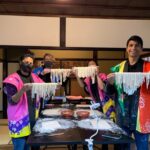
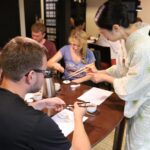
Your session runs about 1 to 1.5 hours depending on the time slot. Expect a small group setup, with an instructor who can work in English and Japanese. You’ll likely move through the experience in two phases: the artwork, then the ramen workshop.
The painting part: bowl or spoon, your design, your pride
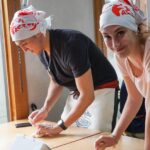
You’ll paint a Musoshin ramen ceramic item—either a bowl or a spoon, depending on what option you choose. You get the basic tools for the job, including items like the ramen spoon/bowl pieces, and an apron-style setup is typical in this kind of class (bandana is explicitly included).
This is the part that feels closest to a real Kyoto souvenir moment. You’re not just decorating. You’re creating a design you can actually use at home, which matters because you’ll be less likely to leave the souvenir in a drawer.
A practical note: one smart move is choosing a spoon if luggage space is tight. Some participants preferred spoons because they’re easier to pack, and they still turn into real ceramic keepsakes.
The ramen part: guided assembly instead of full DIY chaos
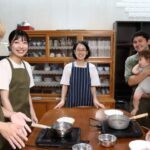
After painting, you shift to the kitchen steps. The hosts bring the ingredients and guide you through building your ramen bowl. One thing you should know up front: this is not a “watch a chef, then you cook everything from scratch” situation.
You’ll still get hands-on time, but the class is designed around restaurant prep that’s already done. That includes the long-cooked broth and the in-house noodles, so you don’t lose your whole session to slow cooking.
You may do quick interactive steps like assembling toppings and participating in fast cooking tasks. Some people specifically noted steps such as torching meat and cooking noodles in hot water, but the exact hands-on workload can vary a bit by group.
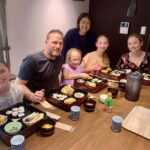

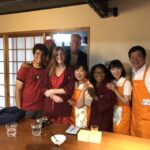


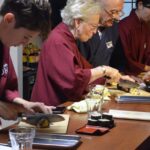
Then you eat what you built
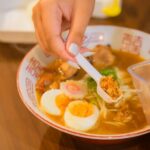
Once your bowl is assembled, you eat. And yes, this is where the Michelin-nominated connection becomes more than marketing—because the soup base and noodle quality are doing the heavy lifting.
Hosts also tend to take lots of photos. Several participants mentioned photo time and being sent the pictures after the class. If you care about documenting the day, this is a nice bonus that doesn’t feel awkward.
What makes the Michelin-nominated ramen taste different
This is where Musoshin’s “in-house ingredient” story becomes real in your bowl. You’re not just tasting ramen-style food. You’re tasting ramen built around timing and consistency.
The daily rhythm matters. Noodles made every morning and rested overnight typically give you the right chew and bite. The 12-hour soup is meant to develop depth and balance so the broth tastes rounded instead of one-note.
The handmade soy sauce and roast pork also help. Even if you don’t know the technical reasons, you’ll likely notice the flavors land in layers: savory first, then deeper umami, and finally a clean finish.
One other detail that helps: the class encourages you to arrange your ramen yourself. You’re not handed a pre-built bowl and told to eat it. You build it, then you taste it, which makes the flavors feel more personal.
And if you’re traveling as a couple or solo, don’t worry—small groups mean the hosts can still keep an eye on you. Some sessions have been described as intimate enough that one participant had the experience almost like a private class.
Ceramics you can take home: same-day décor or next-day kiln firing
The souvenir isn’t just decoration. It’s part of the experience after you leave.
You can take the ceramic you painted home the same day, so you can use it as décor right away. If you want the item fired so it’s ready for meals, you can have your piece baked in a kiln for free. You’ll pick it up the next day.
This matters for two reasons. First, you get a souvenir that feels “real” because it’s fired ceramic, not cheap craft plastic. Second, you’re not stuck with a fragile item you can’t use later.
If you’re thinking ahead, choose the bowl option when you want a statement piece and plan to actually use it. Choose the spoon option when you want a lighter, easier-to-pack souvenir that’s still meaningful.
Also: if you ask to ship items to a later hotel, shipping cost isn’t included. That’s normal for Kyoto craft experiences, but it’s worth budgeting if you’re traveling light.
Family friendly, kid-proof, and surprisingly easy to enjoy
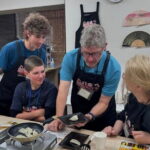
This works well for families because the structure keeps kids engaged. The painting is tactile and simple enough for younger participants to contribute, while the ramen assembly has a clear step-by-step flow.
Hosts are also known for being patient and attentive with children. That’s important in Kyoto, where food experiences can sometimes feel too fast or too technical for kids. Here, the pacing is set up for participation, not just observation.
If you’re traveling with teens, they tend to enjoy the “make it, don’t just watch it” format. One group even said they went back to an actual Musoshin restaurant the next day because the class built real cravings.
Hot tip for families: bring an extra layer. Workshops can be cool or warm depending on the room, and kids often run a little hot after painting.
Dietary options: gluten-free plus vegetarian and vegan ramen
Food restrictions can make Kyoto planning annoying, so I like that this class explicitly offers options for gluten-free, vegetarian, and vegan ramen. That tells you they’re not forcing everyone into one menu.
Because the broth and components are central to the ramen experience, having alternatives is a big deal. It means your meal can stay part of the fun instead of becoming a compromise.
If you have a dietary need, plan to say it clearly when you book. This kind of class works best when the kitchen knows your requirements ahead of time.
Language help and small-group comfort
The instruction is available in English and Japanese, and the experience is run as a small group. Small group matters in a hands-on class because you get time to ask questions and get help if your painting technique turns into modern art.
Multiple participants noted being welcomed and guided, with hosts providing explanations and taking care with photos. That combination is what makes the class feel smooth rather than chaotic.
If you like structured experiences, you’ll appreciate the pace. If you like freedom, you’ll appreciate that your bowl design is yours.
Price and value: about $64 for souvenir plus Michelin-level ramen
At $64 per person, the cost can look like “just a meal plus a craft.” The value comes from what’s bundled and what’s baked in.
You’re paying for:
- A Michelin-nominated Musoshin-style ramen meal
- The ceramic souvenir (bowl or spoon options)
- Tools and an instructor-led experience
- Free kiln firing for your designed piece if you choose that route
When you break it down, you’re not buying a mass-produced trinket. You’re buying an edible-restaurant experience plus a ceramic souvenir that can be fired and used.
One consideration for value-hunters: the class is not positioned as a full sauce-making workshop. If you’re expecting to learn every part of the broth, sauces, and toppings from scratch, you may find the hands-on portion lighter than you hoped. Still, you’ll learn the structure and what makes the ramen work.
A fair heads-up: what to consider before you book
This class is very fun and well run. Still, a few realistic notes can help you choose with confidence.
First, some people described the ramen portion as more of a ramen assembly than a deep cooking lesson. You’re guided through key steps, but the slow prep (like the long broth) is done ahead of time.
Second, there’s sometimes less focus on making sauces from scratch during the class. So if your dream is a full “we cook everything ourselves” cooking course, you might prefer a different style workshop.
Third, a small number of people mentioned paint color variety as a minor issue. It’s usually not a dealbreaker, but if you’re picky about art supplies, you’ll want to go in with flexibility.
Should you book this Kyoto ramen class?
Book it if you want a Kyoto activity that mixes creativity, real food, and family-friendly participation. This is especially worth it if you care about taking home something you designed and if you like ramen that tastes like it came from a serious restaurant kitchen.
You might pass if your main goal is a full from-scratch cooking class where you learn every sauce and component in depth. Also consider choosing the spoon option if packing is a concern.
If you’re the type of traveler who likes practical fun—paint, cook steps, then sit down and eat—this one fits neatly into a day in Kyoto.
FAQ
How long is the Kyoto ramen bowl painting and Michelin cooking class?
The duration is listed as 1 hour to 90 minutes, depending on the available starting times.
How much does it cost?
It’s priced at $64 per person.
Where is this experience located?
It takes place in Kyoto, Japan (Honshu).
What’s included in the class?
Included items include Michelin-nominated Musoshin ramen, a Musoshin ramen bowl and spoon options (depending on what you select), a Musoshin bandana, and kiln baking of your designed bowl for free.
Can I take the painted ceramic home the same day?
Yes. You can take the ceramic you painted home for decoration the same day it’s created.
What if I want the ceramic fired so I can use it for meals?
You can choose to have it fired in a kiln for free, and you can pick it up the next day.
Are gluten-free, vegetarian, or vegan ramen options available?
Yes. Gluten-free, vegetarian, and vegan ramen options are available.
Is there instruction in English?
Yes. The instructor speaks English and Japanese.
Can they ship the items to your next hotel?
Shipping costs aren’t included if you request delivery to your next hotel, so you’d need to cover shipping fees.