REVIEW · CHIANG MAI
Chiang Mai: Half Day Cooking Class at Organic Farm
Book on GetYourGuide →Operated by LocalCNXTours · Bookable on GetYourGuide
Your lunch starts at the market. This half-day class in Chiang Mai pairs a local market visit with hands-on cooking, so the ingredients make sense before the first pan heats up. You also get a guided look at organic growing (with options), then you cook and eat in a relaxed, Thai-style kitchen setting.
What I like most is the small-group pace (limited to 10) and the fact that the instruction is in plain English with real step-by-step cooking guidance. In different sessions, I’ve seen instructors such as Wave and Ania lead the work, and it shows in how clearly they break down sauces, pastes, and timing.
One thing to consider: if you’re specifically chasing the farm garden outside the city option, don’t assume it’s always available on your date. If that farm option is full, they may switch you to a city garden setup instead.
In This Review
- Key Things I’d Plan Around
- A 5-Hour Cooking Class That Starts With Shopping in Chiang Mai
- Market Time: Picking Herbs, Aromatics, and Curry-Paste Ingredients
- Cooking Lab Setup: Your Own Station and English Guidance
- Garden Tour Options: Organic Farm, City Organic Garden, or City Yard
- The Dishes You’ll Make: Curry Paste, Curry, Stir-Fry, Soup, and Spring Rolls
- Spice and Diet Choices: Mild, Hot, Vegetarian, or Vegan
- What You Eat and Take Home: Traditional Thai-Style Meal Plus Recipes
- How Much Effort Is This, Really? Plan to Be Hungry (and Ready)
- Price and Value: What $31 Buys in Skills, Ingredients, and Time
- Who Should Book This Cooking Class in Chiang Mai?
- Should You Book This Chiang Mai Half-Day Cooking Class?
- FAQ
- How long is the cooking class?
- What’s included in the price?
- Do I visit a market before cooking?
- Can I choose vegetarian or vegan dishes?
- Can I choose how spicy the food is?
- Are there different garden options?
- Where do I meet if there’s no hotel transfer?
Key Things I’d Plan Around
- Market first, then cooking so you understand herbs, aromatics, and staples before you use them
- Choose your heat level so your curries and stir-fries match your tolerance (mild or spicy)
- Three garden-style options: organic farm, city organic garden, or a city yard garden
- Your own cooking station plus an English-speaking instructor in a group of up to 10
- Take-home recipes (PDF/e-book) plus food you cook and get to eat
A 5-Hour Cooking Class That Starts With Shopping in Chiang Mai
This is a true half-day format. You’re looking at about 5 hours from start to finish, with morning and evening sessions available. The flow matters: you don’t just arrive at a kitchen and copy a recipe. You first see the ingredients you’ll cook with, then you cook them yourself.
Getting there is simple. You’ll either use the optional pickup or meet at Burger King, standing by about 10 minutes before the activity starts. If you’re staying near Chiang Mai Old City, the program can also handle pickup/drop-off within a 3 km radius, which makes it easier to fit into a busy day.
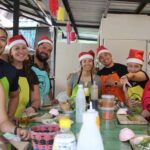
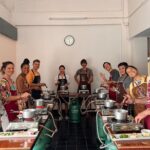
Small-group size is a big deal here. With a cap of 10 participants, you’re not stuck in the back watching someone else cook. You can ask questions, adjust your spice, and get help while the curry paste and stir-fries are still in that workable window.
You can also read our reviews of more tours and experiences in Chiang Mai.
Market Time: Picking Herbs, Aromatics, and Curry-Paste Ingredients

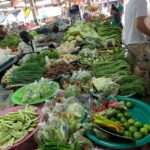
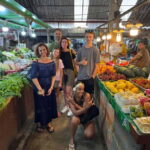
The local market visit is one of the best ways to learn Thai cooking beyond a single dish. You’ll see real produce, herbs, and pantry basics that shape flavor in Thai food—especially in curries and soups.
Think of it like ingredient literacy. Once you know what you’re looking at—fresh herbs, aromatics, and common curry components—you’ll stop treating curry paste like a mystery jar from the store. That’s the “skill” part of the experience.
You also get a chance to connect flavors to the menu. Depending on what you choose for your class, you’ll be cooking things like curries, stir-fried dishes, and soups. The market walk helps you understand why those dishes taste the way they do, even if you don’t speak the language. In many sessions, the market portion includes quick ingredient introductions and time to decide what you want to cook.
If you’re vegan, vegetarian, or picky about heat, use that market window wisely. One helpful tip from experience: flag your needs early so your dishes match the diet for the whole class.
Cooking Lab Setup: Your Own Station and English Guidance
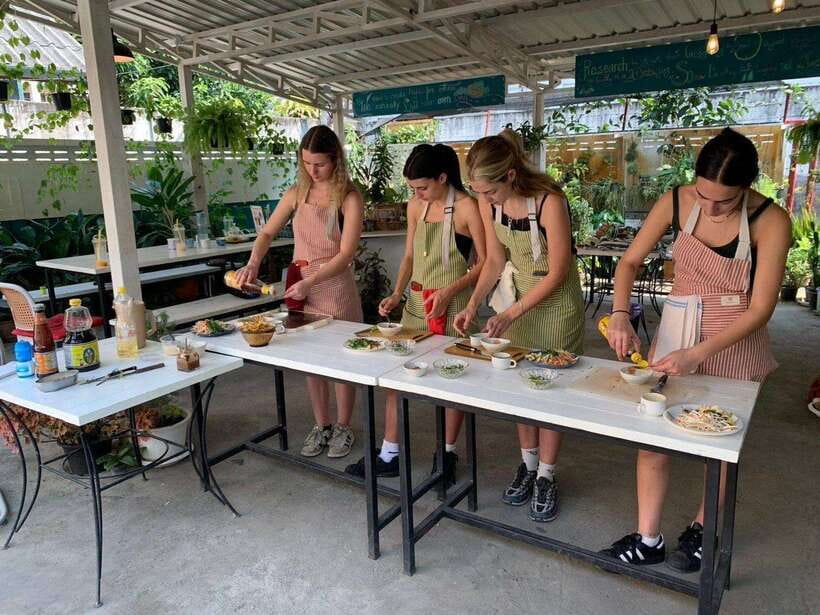
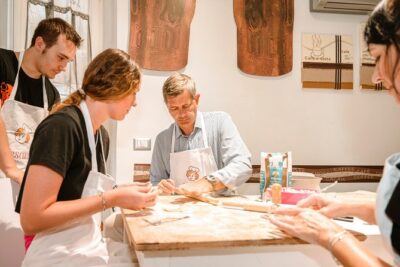
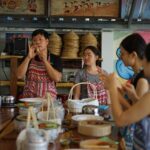
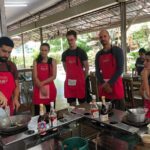
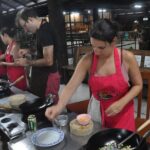
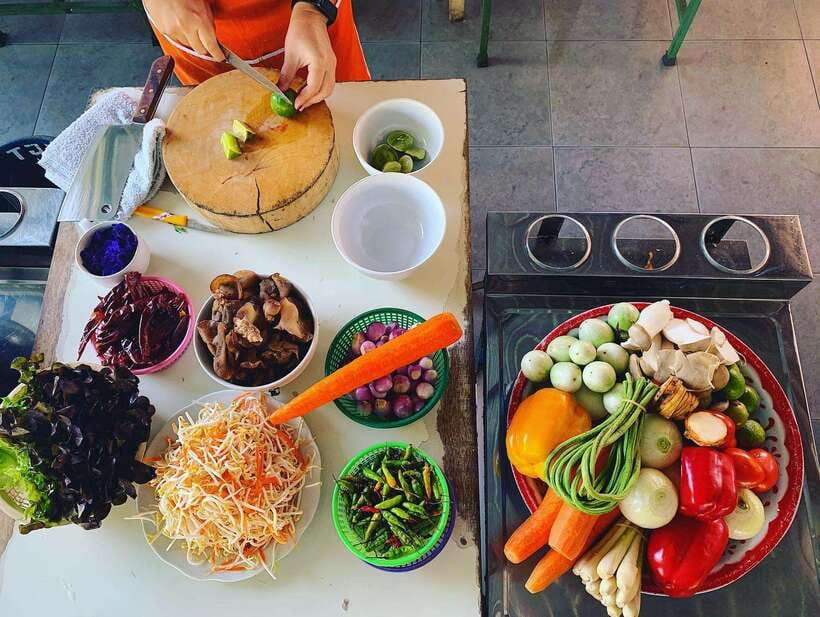
Back in the kitchen, the structure keeps things moving. You get an individual cooking station, so you’re not sharing tools or hovering over someone else’s wok. You’ll also get an English-speaking instructor who guides each step—spice adjustments, paste-making choices, and cooking order.
In different sessions, instructors like Wave, Toy, Balloon, and Ania have led classes. What ties them together is that they don’t just say what to do; they explain why, and they keep things fun without skipping technique. That matters for two reasons:
- Thai cooking depends on timing (especially when stir-frying and when finishing curries).
- A recipe that tastes right in the classroom should still work when you cook at home.
You’ll also get the practical stuff that makes a class worth your money: all necessary ingredients, welcome snack, drinking water, seasonal fruit, and a PDF recipe book you can use later.
Garden Tour Options: Organic Farm, City Organic Garden, or City Yard
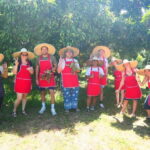
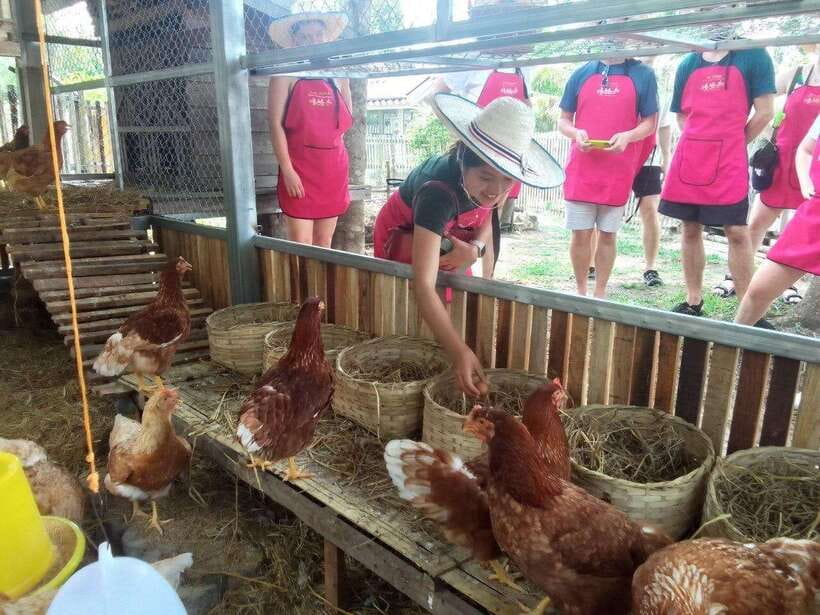
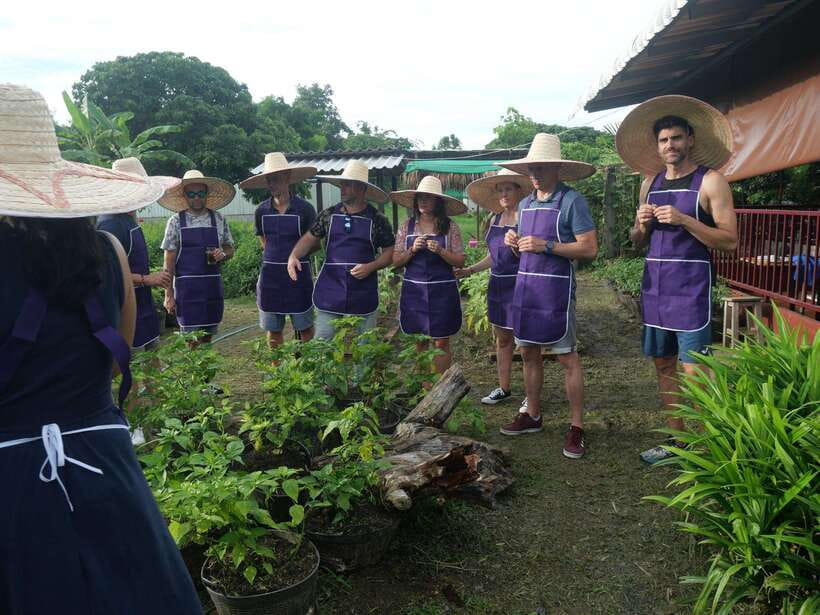
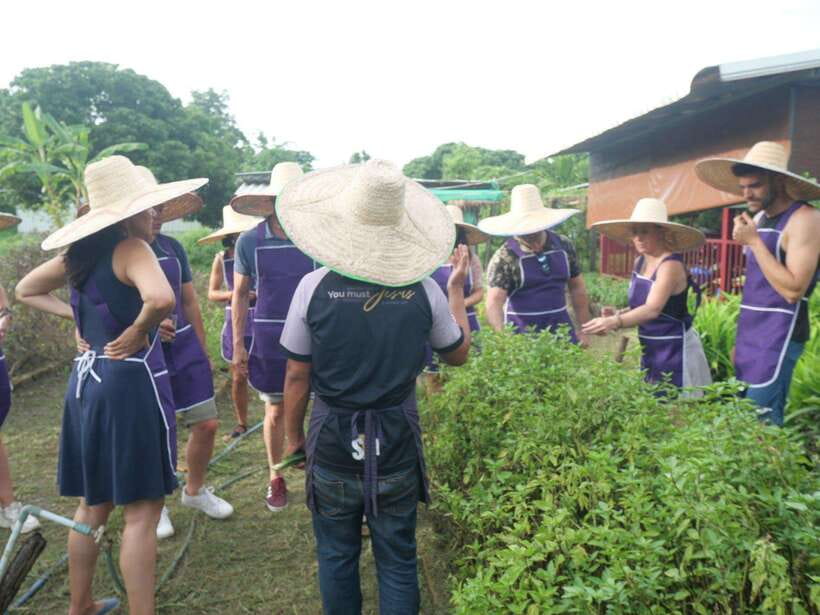
After you cook (or alongside the class flow, depending on your session), you’ll get a guided tour of their organic growing area. The program runs with three garden options, and your choice changes the feel of the day:
- City with organic garden
- City with yard garden
- Farm garden outside the city
If you want the most “farm visit” feeling, the outside-city farm option is the one people picture. But here’s the reality: it may not always be available on the day you want. Some people have experienced a last-minute switch from the farm option to a city garden setup, and it still worked out—but it’s smart to treat the farm choice as the one that needs the most planning.
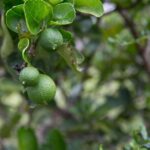
What you’ll get from the garden tour, regardless of location, is a better sense of where herbs and aromatics come from. Even small things—like tasting herbs from their own garden—make the recipes click later when you try to recreate them.
The Dishes You’ll Make: Curry Paste, Curry, Stir-Fry, Soup, and Spring Rolls
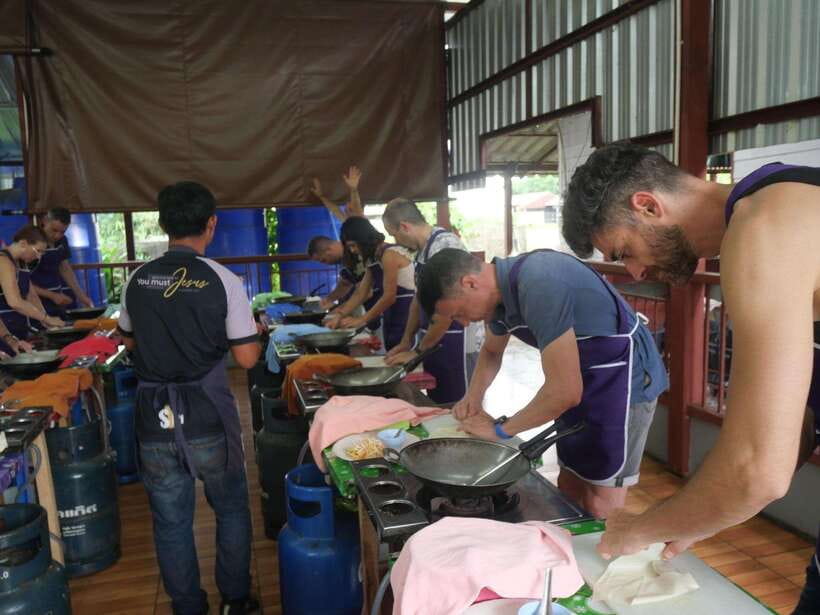
This class is hands-on with multiple categories. You should expect to learn to cook 5–6 categories, with dishes selected from the classic Thai lineup.
In plain terms, this is a great choice if you want breadth, not just one signature dish. The menu themes can include:
- Curry paste and curry
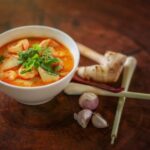
You’ll choose curry paste styles such as red, green, Phanaeng, Massaman, or Khao Soi, then build a curry from it.
- Stir-fried dishes
Think examples like Pad Kra Pao or a stir-fry style main.
- Soup
You’ll learn how Thai soups balance aromatics and seasoning.
- Spring rolls
You’ll practice rolling and frying technique.
- Main dishes you may customize
Some sessions include options like Pad Thai, chicken fried rice, or fried chicken with cashew nuts.
Spice level is your lever. You can decide whether your dish is spicy or mild, and instructors help you adjust without ruining the flavor balance.
One more practical note: many people leave with the feeling that they made more than they expected. Some sessions include a dessert component too (for example, mango sticky rice has shown up in people’s finished menus). If you’re hungry, you’ll likely appreciate that.

Spice and Diet Choices: Mild, Hot, Vegetarian, or Vegan
Thai food can be wildly flexible, and this class is set up to match your preferences. You can cook dishes to suit your own taste, including mild or spicy versions.
Vegetarian and vegan options are also part of the deal. The class information is clear that dishes are available as vegetarian or vegan, so you’re not forced to redesign the whole experience yourself. Still, do yourself a favor: if you’re vegan, flag it clearly during booking or at the start of the class so the kitchen can prepare in the right way.
Your spice control also means you can focus on learning technique. It’s easier to repeat a recipe at home when you know which flavors are “essential Thai flavor” and which ones are just heat. Mild versions still teach you the paste, the aromatics, and the sauce structure.
What You Eat and Take Home: Traditional Thai-Style Meal Plus Recipes
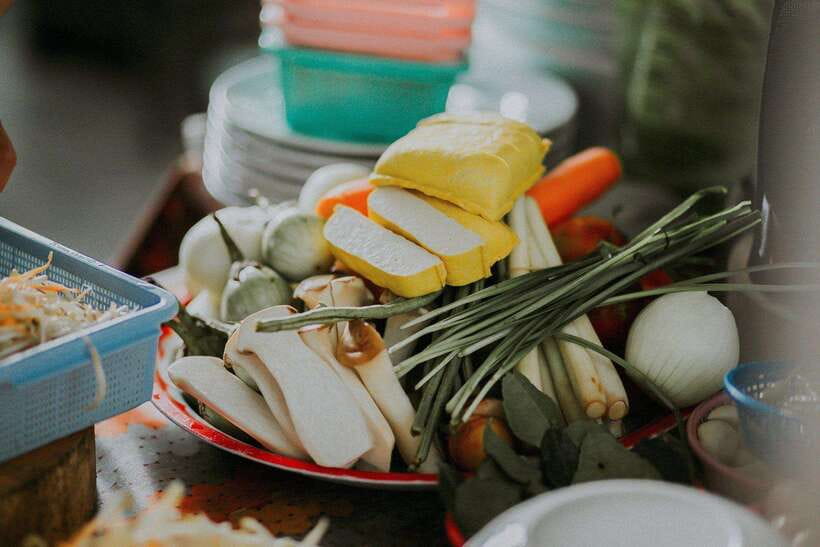
You cook, then you eat. That part is not an afterthought. You’ll enjoy your dishes in a traditional Thai style meal setup, often linked to the garden setting and organic kitchen atmosphere.
Two big value pieces come with this:
- You get to taste what you make, so you understand if your seasoning and timing were right.
- You take home a PDF recipe book (step-by-step) so you can recreate the dishes later.
Some classes also offer a way to get food to go—your cooked items may be taken away, so you can stretch the experience into a second meal.
Photo memories also exist. There’s an online photo album available on the provider’s Facebook page, which can be a nice bonus if you want an easy way to remember the day.
About alcohol: the program rules say alcohol and drugs are not allowed, but one evening-class note has mentioned beer being sold at the school. If you’re planning on buying anything, treat it as a separate situation from drinking during the activity and follow the class rules.
How Much Effort Is This, Really? Plan to Be Hungry (and Ready)
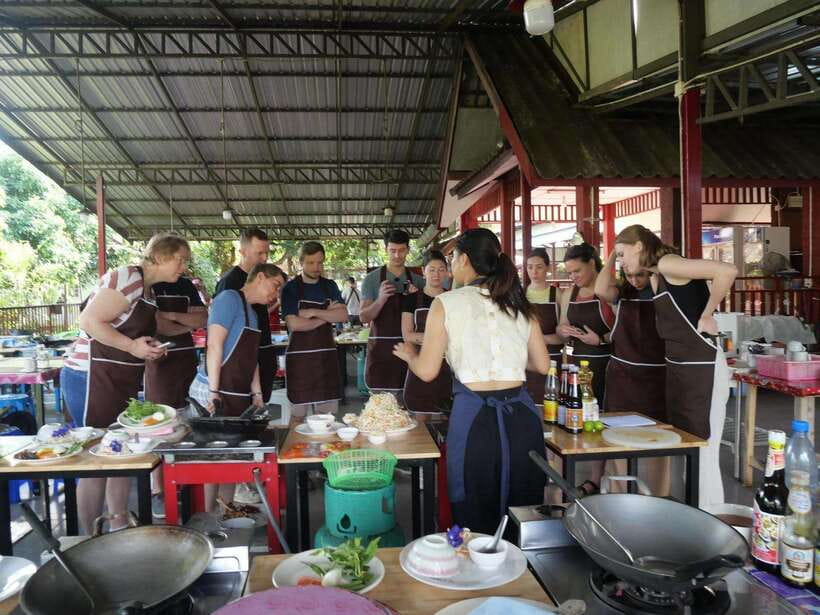
This isn’t a short “watch and sample” cooking demo. You’ll be cooking multiple dishes with your own station, and that takes energy. People describe the food portion as generous, with some sessions delivering enough variety that you feel like you ate an entire Thai meal itinerary.
So go with a simple plan:
- Eat something light beforehand, or you might feel overwhelmed.
- Wear shoes you can stand in, since you’ll be actively working.
- Expect to move between cooking steps and finishing tasks.
If you’ve been on the fence between this class and a more basic half-day option, this one is better if you want to leave with repeatable skills, not just a full stomach.
Price and Value: What $31 Buys in Skills, Ingredients, and Time
At $31 per person for about 5 hours, the value comes from how much is included, not just the price tag. You’re paying for:
- a local market visit
- hands-on cooking with an individual station
- English-speaking instruction
- all ingredients
- welcome snack, seasonal fruit, and drinking water
- a PDF recipe book you can use later
- and pickup/drop-off within 3 km of Chiang Mai Old City (with the right option)
The best value part is the recipe transfer. A lot of cooking classes teach you how to follow a plan. This one gives you a sense of how to choose ingredients, build curry paste types, and adjust spice so you’re not stuck reproducing one outcome only.
You also get a built-in learning loop: see ingredients at the market, taste herbs from the garden, cook at your station, then eat your result. That cycle helps the techniques stick.
Who Should Book This Cooking Class in Chiang Mai?
This fits best if you want:
- a hands-on Thai cooking experience (not a demonstration-only class)
- a market-based introduction to ingredients
- vegetarian/vegan cooking options
- a small-group vibe where you can ask questions
You might want to skip it if:
- you use a wheelchair (it’s not suitable for wheelchair users)
- you’re very limited on mobility or need step-free access (no details are offered beyond the general unsuitability)
- you’re traveling with pets (pets aren’t allowed)
If your group has different comfort levels with spice or diet, this class is built for choices. You can adjust heat, and the kitchen supports vegetarian or vegan options when communicated.
Should You Book This Chiang Mai Half-Day Cooking Class?
Yes, if you want Thai cooking you can repeat. The combination of a market visit, a garden tour option, and hands-on instruction makes it more than a meal. It’s a skill workshop that ends with a satisfying Thai lunch/dinner-style spread.
Book with one caution in mind: if the farm option outside the city is a top priority for you, aim to lock in that option early. If it’s unavailable, you’ll likely still get a great class in the city garden setup, but your day might feel a bit different.
If you like learning by doing—and you’re happy to cook several dishes—this is a strong use of a half day in Chiang Mai.
FAQ
How long is the cooking class?
The class lasts about 5 hours.
What’s included in the price?
It includes hotel pickup/drop-off (within a 3 km radius of Chiang Mai old city when available), a local market visit, the hands-on cooking class, a PDF recipe book/e-book, drinking water, and a welcome snack plus seasonal fruit.
Do I visit a market before cooking?
Yes. You’ll visit the local market to learn about the ingredients you’ll cook with.
Can I choose vegetarian or vegan dishes?
Yes. The class offers vegetarian and vegan options for the dishes you make.
Can I choose how spicy the food is?
Yes. You can cook dishes to your own taste, including choosing spicy or mild.
Are there different garden options?
Yes. You can select from: an organic garden in the city, a yard garden in the city, or a farm garden outside the city.
Where do I meet if there’s no hotel transfer?
If there’s no hotel transfer, you should stand by at Burger King about 10 minutes before the activity start.