REVIEW · CHIANG MAI
Chiang Mai : Traditional Northern Cooking Class
Book on GetYourGuide →Operated by Baannoi Nornmuan · Bookable on GetYourGuide
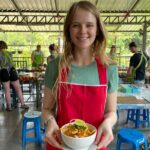
Northern Thai food is a little different. In Chiang Mai, you get taught the real Northern way, step by step, and you end up with a plate you actually helped build. This Traditional Northern Cooking Class at Baannoi Nornmuan centers on practical technique, not just watching, with standout focus on khao soi and Northern-style curries.
What I like most is the hands-on flow: sticky rice, curry, khao soi, homemade chili sauce, and a grilled egg cooked on banana leaf. You’ll also get a small group vibe (up to 10), plus instruction in English and Thai, so questions don’t get lost in the shuffle.
One thing to consider: it’s a 3-hour class, so if you want to linger for a long chat with ingredients or take extra time to cook at your own pace, you may feel the schedule a bit. Still, the pacing is part of the value here.
In This Review
- Key highlights worth your attention
- Northern cooking in Chiang Mai: what you’re really learning
- Who runs the class and why the vibe feels easy
- What the 3-hour session looks like, dish by dish
- Sticky rice mastery: how Northern cooks get the texture right
- Northern curry with pork: spice logic, not just spice volume
- Khao soi with chicken: the noodle soup you’ll want to repeat
- Homemade chili sauce with pork: the balance skill most people miss
- Grilled chicken egg on banana leaf: smoky flavor with simple technique
- Price and value: is $38 worth it for 3 hours?
- Timing, what to wear, and how to get the most out of it
- Should you book this Chiang Mai Northern cooking class?
- FAQ
- How long is the Chiang Mai Traditional Northern Cooking Class?
- How much does the class cost?
- What dishes are included in the class?
- Is it a small group class?
- What languages does the instructor speak?
- Is the class hands-on?
- Is there free cancellation?
- Can I reserve and pay later?
- Is the activity wheelchair accessible?
Key highlights worth your attention
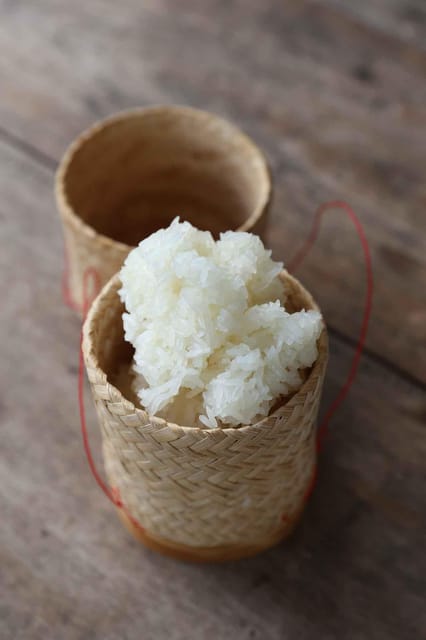
- Sticky rice mastery so the texture is right, not just close
- Northern curry with pork using the spice logic Northern cooks rely on
- Khao soi creation with the classic noodle soup + toppings approach
- Homemade chili sauce with pork taught as a flavor balance skill
- Grilled chicken egg on banana leaf for a smoky, natural-element technique
Northern cooking in Chiang Mai: what you’re really learning
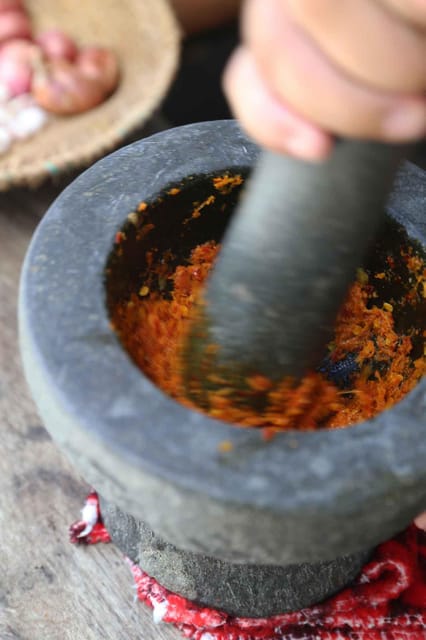
A Chiang Mai Northern cooking class is more than a cooking lesson. It’s a shortcut to how local flavors think. Northern Thai food leans on spice blends, aromatics, and sauces that feel layered rather than one-note. By the time you finish, you don’t just know what to eat. You understand why it tastes the way it does.
In this class, the menu is the curriculum. You work through a set of iconic dishes people come to Northern Thailand for: sticky rice, Northern curry with pork, khao soi with chicken, homemade chili sauce with pork, and grilled chicken egg on banana leaf. That matters for you because you’ll taste several key Northern flavor patterns in one sitting, and you’ll learn how they connect.
I especially like that the class is small and guided by an instructor who speaks both English and Thai. When you cook, you need real-time answers. If you don’t know what a sauce should smell like or what a spice blend should do, you can’t fake it. This format helps you get to the right results.
You can also read our reviews of more tours and experiences in Chiang Mai.
Who runs the class and why the vibe feels easy
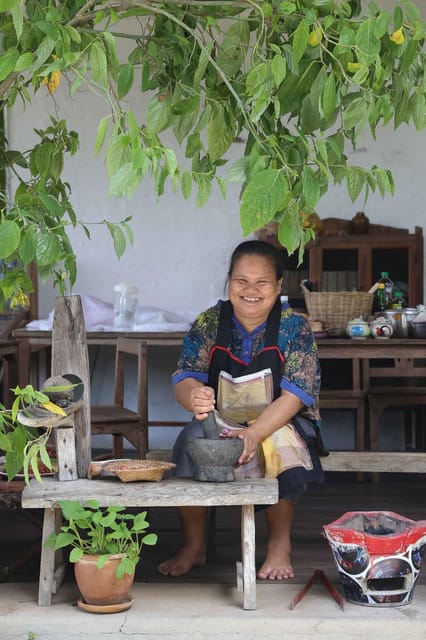
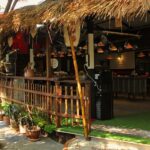
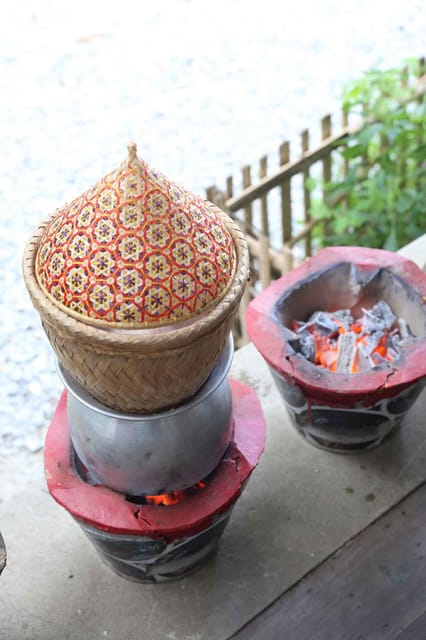
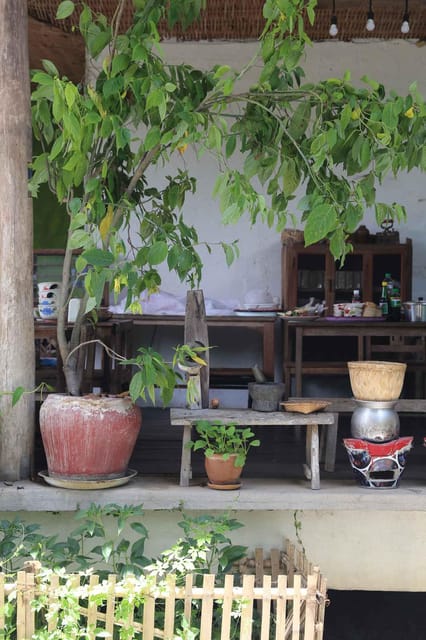
This experience is run by Baannoi Nornmuan, and it has that friendly, family-run feel that many people look for in Chiang Mai. You’ll typically be working on a porch setup with charcoal fire cooking, which keeps things grounded. It’s not a show kitchen with lights and glass. It’s a lived-in cooking space.
That setup does two practical things for you:
- It makes the food taste more like Thai home cooking than buffet cooking.
- It makes it easier to ask questions as you go, because the staff and instructor are right there.
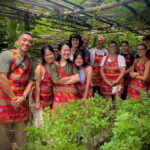
The class is limited to 10 participants, which is a big deal in a cooking class. With a smaller group, you’re more likely to get hands-on time with the ingredients, not just watch someone else plate your food.
And yes, the staff here are described as professional and friendly. That combination matters: you want warmth, but you also want organization so the charcoal, timing, and ingredient prep don’t turn chaotic.
What the 3-hour session looks like, dish by dish
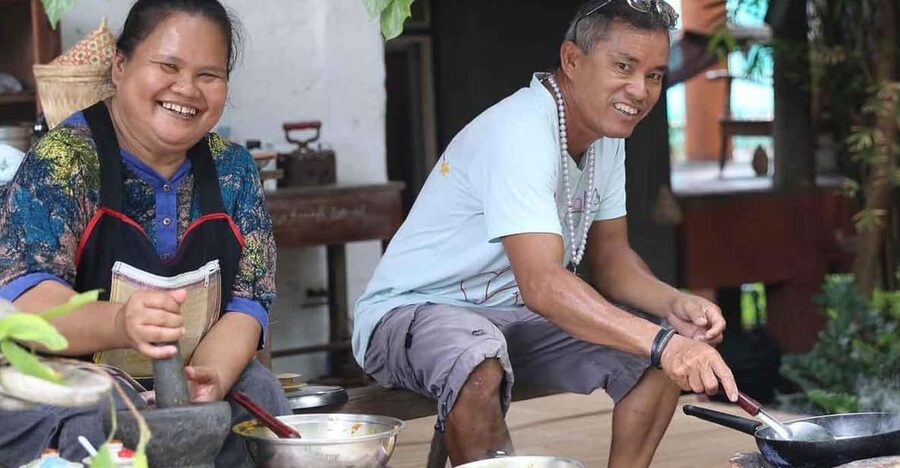
Even without a minute-by-minute schedule listed, you can expect the class to move through the same logical stages: prep, cook, sauce-making, and finishing techniques. Here’s how the experience typically unfolds based on the dishes included.
You start by getting your bearings with the ingredients and tools. You’re then taught how to handle key Northern staples—sticky rice and spice-based sauces—before moving into the main dishes: curry, khao soi, and chili sauce. The class ends with the signature banana-leaf grilling technique, so you finish on something smoky and memorable.
The most useful part for you is that you’re not just learning one dish. You’re building a small Northern Thai cooking toolkit: starch (sticky rice), aromatics and spice structure (Northern curry and chili sauce), noodles and soup assembly (khao soi), and a natural-wrapping grill method (banana leaf egg).
Sticky rice mastery: how Northern cooks get the texture right
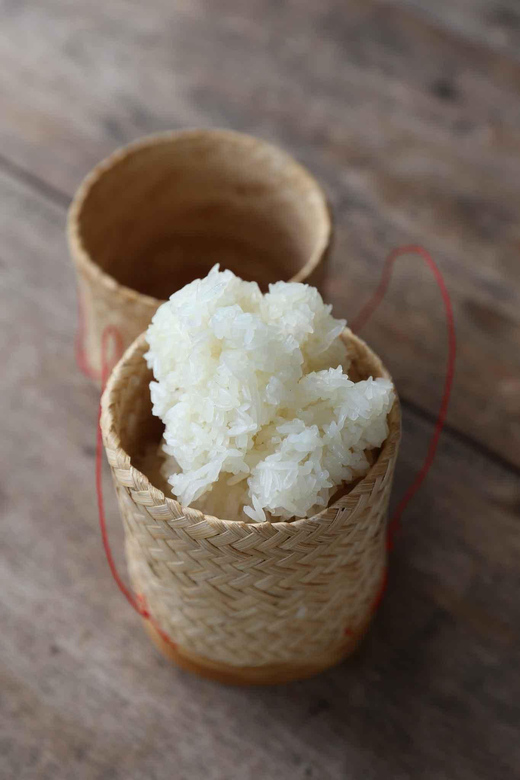
Sticky rice sounds simple until you’ve had it the wrong way. In this class, you get specific instruction on making sticky rice with the texture Northern cooks aim for.
What you’re learning here is less about one secret ingredient and more about technique: handling, timing, and how the rice is treated so it stays cohesive but not hard. Sticky rice is a staple across Northern Thailand, and it shows up as the partner for curry and grilled items. If you nail it, the rest of the meal tastes more balanced, because it gives you the right base for sauce.
When you cook sticky rice with guidance, you also learn what to look for while cooking. That’s practical. Next time you make it at home, you can rely on your senses instead of guessing.
Northern curry with pork: spice logic, not just spice volume
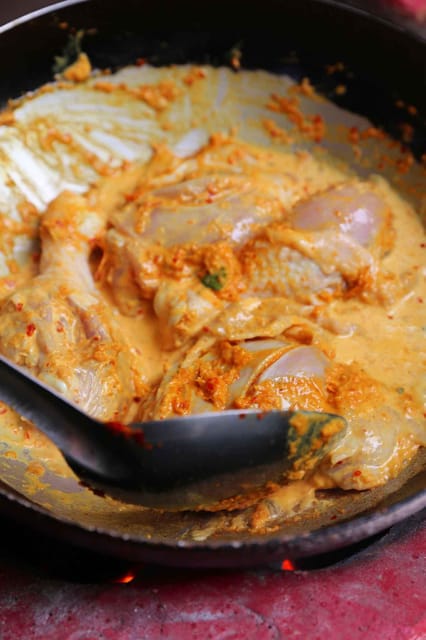
Next comes Northern curry with pork, and this is where the class starts to feel like a real cooking education.
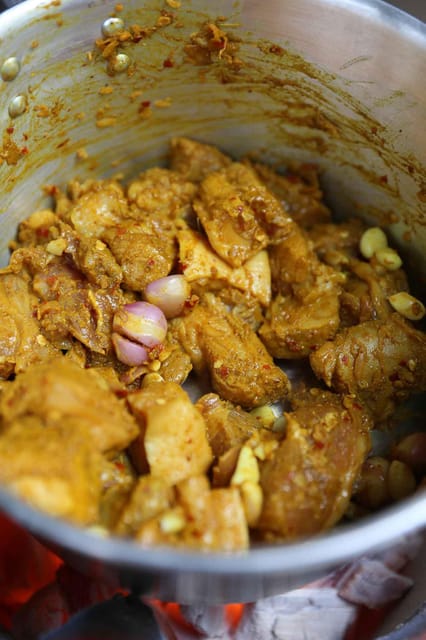
Northern curries tend to rely on a blend of spices and aromatics that create depth without needing complicated steps. You’ll learn how to build flavor using the ingredients in front of you and how to treat the curry so it tastes rich and coherent, not like separate flavors sitting next to each other.
For you, the value here is understanding the structure:
- how the base flavors are introduced,
- how the spice level is managed,
- and how the curry ends up tasting rounded once cooked through.
This is also the dish that pairs well with sticky rice. So while you cook, you can keep the end goal in mind: curry that’s thick enough to coat, fragrant enough to smell like Thailand, and balanced enough that sticky rice doesn’t feel bland next to it.
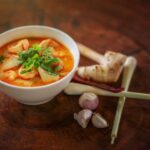
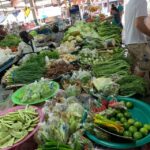


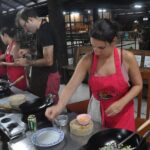
Khao soi with chicken: the noodle soup you’ll want to repeat
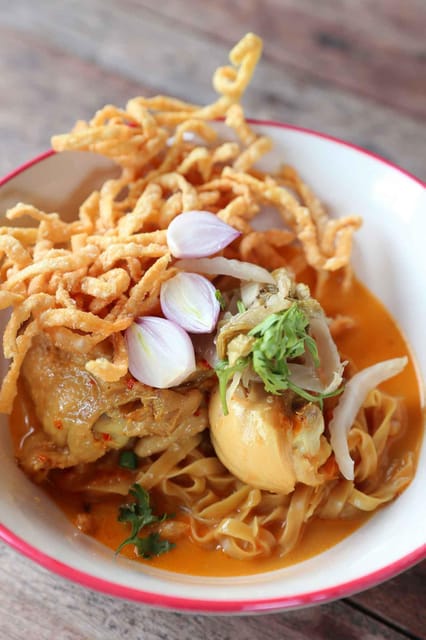
Then you’ll move to khao soi, the Northern noodle soup that has a signature combination: silky noodles, spiced broth, and a toppings style that makes each bowl feel finished.
In the class, you’ll learn how to create khao soi using chicken (as listed on the menu) and how to assemble it in a way that matches the traditional approach. You’re not just boiling noodles and calling it a day. Khao soi is about texture contrast—soft, smooth noodles plus toppings that bring crunch and flavor.
This part is often a highlight because it teaches you how to think about soup as an assembly, not only a liquid. When you know that, home versions become much easier. You’ll likely leave with ideas for the toppings and how much of each element matters.
Also, having already tasted Northern curry earlier helps you connect the flavor dots. Khao soi uses Northern-style spice logic, but it expresses it through soup and toppings. That connection makes everything click.
Homemade chili sauce with pork: the balance skill most people miss
A lot of Thai cooking classes stop at making food that’s spicy. This one goes further with homemade chili sauce with pork, focusing on the balance of flavors—so heat isn’t the only headline.
You’ll learn how to make chili sauce at home-style scale and how pork is worked into the sauce. More importantly, you learn how chili sauce should taste as a system: spicy, savory, aromatic, and not harsh.
Why this matters for you:
- If your chili sauce is too hot, everything else tastes flat.
- If it’s too salty or too one-dimensional, curry and noodles lose their balance.
By making the chili sauce yourself, you get a better sense of how Northern cooks keep sauces in harmony with rice and soup. You also get a flexible condiment you can use beyond the class meal, especially with things like grilled eggs and whatever else you’re cooking in Chiang Mai-style bites.
Grilled chicken egg on banana leaf: smoky flavor with simple technique
Finally comes the banana leaf technique: grilled chicken egg on banana leaf.
This is the kind of skill that’s easy to underestimate until you taste it. Banana leaves add aroma and a gentle smoky character as the egg cooks. In the class, you’ll learn this technique as part of the traditional cooking approach, where natural elements play a real flavor role instead of being decorative.
It’s also a great closing dish because it changes the textures in your meal. You go from curry and soup textures into something smoky and tender, with a scent that feels very Northern Thai and very local.
If you’re thinking of what to eat next in Chiang Mai, this dish gives you a clue: watch for banana leaf grilling and egg dishes as you explore markets and casual restaurants.
Price and value: is $38 worth it for 3 hours?
For $38 per person and a 3-hour class, the value comes from what you actually get to cook and eat.
You’re not paying just for a single dish. Your included menu covers:
- sticky rice,
- Northern curry with pork,
- khao soi with chicken,
- chili sauce with pork,
- grilled chicken egg on banana leaf.
That’s several core Northern flavors in one session. Plus, you’re doing it in a small group (max 10) with instruction in English and Thai. For many visitors, the biggest value is not the meal itself—it’s the method. You leave with techniques you can repeat rather than only a memory of good food.
Add the fact that the experience is described as well organized and very friendly, and it becomes easier to justify the cost. A cooking class is only worth it if the pacing is smooth and the food tastes good at the end. This one aims straight at both.
If you’re comparing to other Chiang Mai activities, this tends to feel like the best use of a half day because you go home with both dinner and skills.
Timing, what to wear, and how to get the most out of it
This experience runs for 3 hours, so plan a light schedule before and after. Cooking takes focus. If you’re rushing from another tour or trying to cram nightlife plans immediately afterward, you’ll likely feel it.
Wear comfortable clothes you don’t mind getting food smells on. In a charcoal and porch-style setup, aromas cling.
When it comes to learning, the best move is to ask questions early. Don’t wait until the last dish. The instructor and staff are there to help, and you’ll pick up the “why” behind the flavor decisions faster if you speak up while you’re cooking.
Also, come hungry. This class is designed so you can taste as you go and finish with the dishes you made. If you under-eat beforehand, you’ll still enjoy it, but you won’t get the full payback of the meal.
Should you book this Chiang Mai Northern cooking class?
Book it if you want a practical Chiang Mai experience: real Northern dishes, hands-on learning, and a small-group setting that keeps you engaged. It’s a good fit if you love food that’s spicy but balanced, and if you specifically want to learn khao soi, not just eat it once.
Skip it only if you’re looking for a super long, slow culinary day where you can relax and watch more than cook. This class is focused. The goal is results in 3 hours—sticky rice done right, curry built with care, soup assembled, chili sauce balanced, and banana-leaf grilling finished.
If you want a souvenir that isn’t just photos, this is a strong choice. You’ll leave with techniques you can actually use next time you cook Thai at home.
FAQ
How long is the Chiang Mai Traditional Northern Cooking Class?
It lasts 3 hours.
How much does the class cost?
The price is $38 per person.
What dishes are included in the class?
The menu includes sticky rice, Northern curry with pork, khao soi with chicken, homemade chili sauce with pork, and grilled chicken egg on banana leaf.
Is it a small group class?
Yes. It’s limited to 10 participants.
What languages does the instructor speak?
The instructor speaks English and Thai.
Is the class hands-on?
Yes. It’s a traditional cooking class where you learn by cooking the included dishes.
Is there free cancellation?
Yes, free cancellation is available up to 24 hours in advance for a full refund.
Can I reserve and pay later?
Yes. You can reserve now and pay later, paying nothing today.
Is the activity wheelchair accessible?
Yes, it is listed as wheelchair accessible.