REVIEW · MUNDUK
Munduk: Balinese Cooking Class with Dinner at a Local Home
Book on GetYourGuide →Operated by Bali munduk jungle adventure · Bookable on GetYourGuide
Spice meets home cooking in Munduk. This 3-hour Balinese cooking class ends with dinner at a local family home, far from Bali’s louder tourist spots, and you’ll work with fresh local ingredients while an English-speaking instructor guides you. I like that it is a true home-kitchen setup, not a staged restaurant show, and it feels grounded in local daily life.
My other big win is the warm, welcoming hosting style. Expect a friendly, intimate atmosphere where hosts are happy to answer questions and keep things relaxed, so the meal turns into real conversation. One note: it is not suitable for people with altitude sickness, so plan accordingly if you’re sensitive.
In This Review
- Key points to know before you go
- Munduk: why this cooking dinner feels like Bali, not a show
- From the meeting point to the family kitchen
- The hands-on cooking: how the class keeps it practical
- Dinner with your hosts: conversation, portion size, and real hospitality
- Small group pacing: what 3 hours gets you
- Price and value for $32: what you really get
- What to bring and how to prepare like a pro
- Who this cooking class dinner suits best
- Should you book this Munduk Balinese cooking class with dinner?
- FAQ
- How long is the cooking class and dinner?
- Where does the experience start and end?
- How early should I arrive to the meeting point?
- Is there a small group size?
- What language is the host and audio guide in?
- What is included in the price?
- Is it wheelchair accessible?
- What should I bring?
- Is it suitable for altitude sickness?
- Can I cancel, and can I book without paying upfront?
Key points to know before you go
- Small group size up to 8 people means you get real attention while you cook, not just stand and watch
- Dinner with a local family turns recipes into a shared table moment, with lots of friendly chat
- English host and English audio guide make it easier to follow along and ask questions
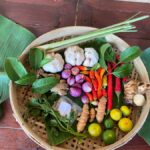
- Fresh local ingredients are the foundation, so the flavors feel like they come from real markets
- Munduk’s calmer pace is part of the appeal, especially if you want a break from busier areas
Munduk: why this cooking dinner feels like Bali, not a show
Munduk is the kind of place that slows you down. Think cooler mountain air, quiet lanes, and the feeling that you’re stepping into real daily rhythm. That matters here, because a cooking class works best when you’re not rushing. In this experience, the setting helps you pay attention: to how ingredients smell, how spice mixes together, and how the family’s kitchen operates at home.
What I especially like is that you’re not just learning recipes. You’re learning context. The class is designed around traditional Balinese cooking, using fresh local ingredients and authentic family-style preparation. Then you eat what you make, plus whatever the family is serving that evening. That connection between class and dinner is where the value really shows.
Also, you get an English-friendly experience. The host or greeter speaks English, and there’s an English audio guide. So even if your cooking skills are minimal, you should still follow the steps and understand what you’re doing.
The bottom line: if you want Bali through food and everyday hospitality, this fits. If you only want a checklist of famous sights, it might feel too simple. But if you want something you can taste, this is one of the better choices in the region.
You can also read our reviews of more tours and experiences in Munduk.
From the meeting point to the family kitchen
The experience starts with a team member at the meeting point, 20 minutes before the activity begins. This is a helpful detail. It gives you time to get together as a group, meet your host, and get your bearings before you head off.
The activity ends back at the meeting point, which keeps your evening uncomplicated. You’re not dealing with multiple transfers or a long, confusing route back after dinner. You finish where you started, which is a big quality-of-life win when your day is already full of travel.
Timing is also straightforward: it’s 3 hours total. Starting times vary, so you’ll want to check availability for the slot you like best. A 3-hour class is a sweet spot. Long enough to cook and eat properly, but not so long that it eats your whole day.
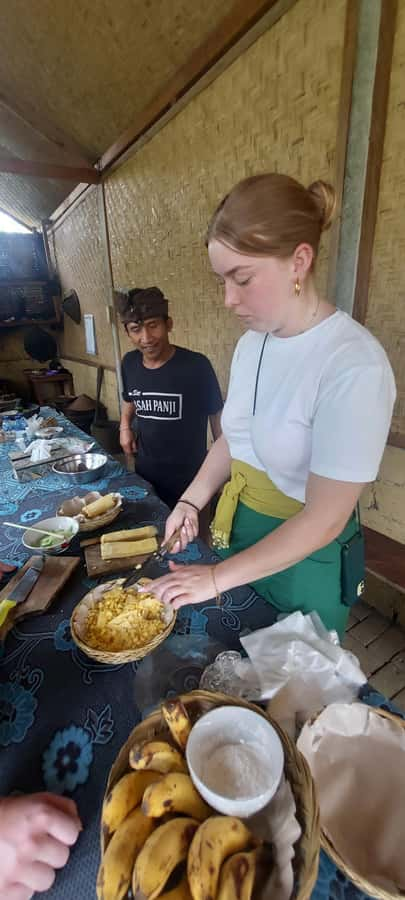
One more practical thing: this is a home-based meal. That usually means the pace is relaxed, and you’ll likely move in and out of different kitchen spots rather than staying in one big classroom. Wear comfortable clothes and plan for a hands-on experience where you might get a little kitchen mess on you.
The hands-on cooking: how the class keeps it practical
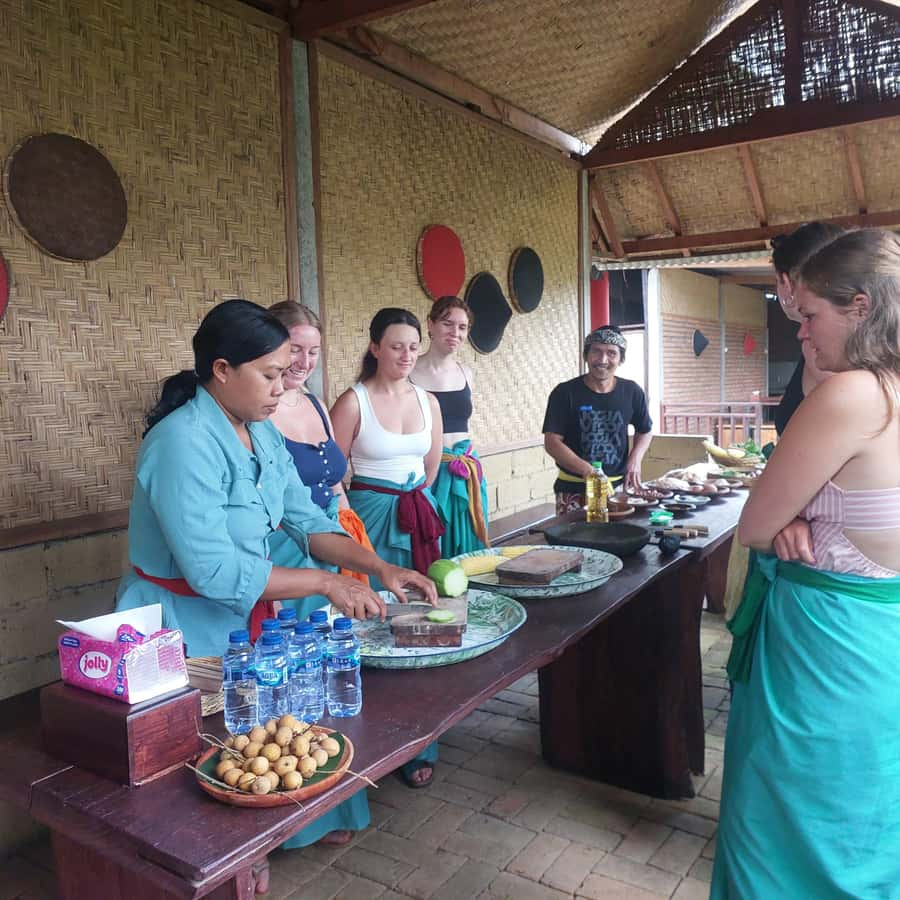
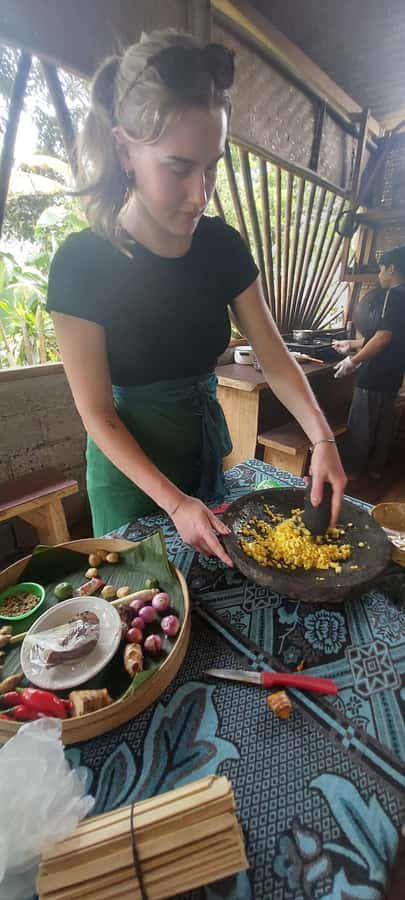
The core of the experience is the cooking lesson itself, led by an expert instructor. You’ll prepare traditional Balinese dishes, guided step-by-step, using fresh local ingredients. The goal isn’t perfection. It’s understanding technique and flavor, and then eating it with the people who taught you.
Here’s what you can realistically expect from a format like this:
- You’ll spend time working with ingredients—chopping, mixing, and following instructions as the instructor demonstrates.
- You’ll learn what makes Balinese flavors tick, including how herbs, spices, and sauces fit together in the dish.
- You’ll taste along the way, so you learn what balance feels like before the final plates come out.
The best part is that the kitchen isn’t trying to impress you with fancy equipment. It’s trying to teach you. When an instructor can answer questions clearly and patiently, you leave with more than a memory. You leave with a sense of why the food tastes the way it does.
In the feedback people share, the common theme is how welcoming the hosts are. You’re not just “in a class.” You’re in someone’s home environment. That shifts the whole tone. If you’re the type who asks, What ingredient makes this taste right? you should feel comfortable asking. And if you’re quiet, the process still works because the steps are guided.
A small group also helps. Limited to 8 participants, you’re less likely to get lost in the crowd. You can actually see what’s happening and get help when you need it.
Dinner with your hosts: conversation, portion size, and real hospitality
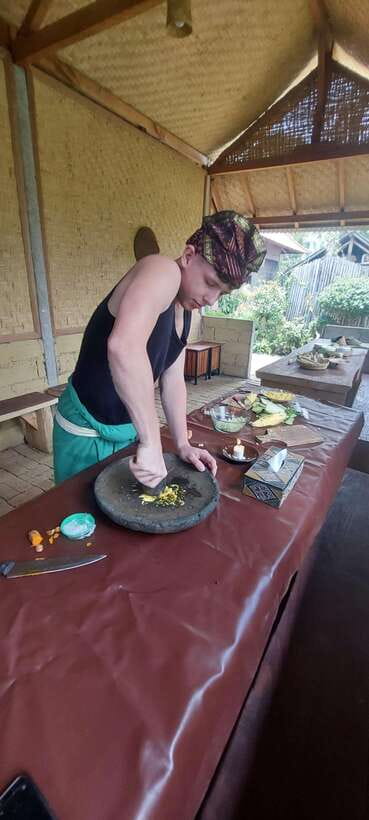
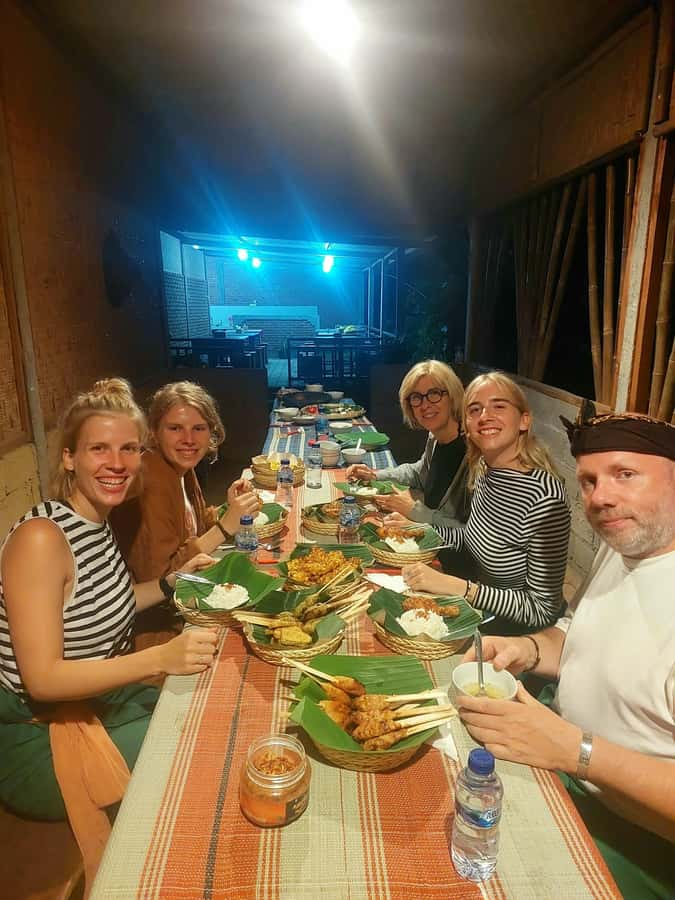
After cooking, you sit down for dinner with the local family. This is where the experience becomes more than a culinary activity. It’s a social meal, with a friendly, intimate atmosphere built around stories and laughter.
One of the most appreciated parts is the way hosts make time for questions. This matters because it turns dinner into a mini cultural exchange. You might ask about ingredients you recognize, how dishes fit into daily life, or what’s special about their family recipe style. Even if you don’t ask much, you’ll likely get the chance to share where you’re from and what you’re curious about.
Food-wise, dinner portions are described as more than generous. That’s a real benefit, because it means you’re not leaving hungry or planning a second meal right after. Since you’re already cooking, you also have a deeper appreciation for what you’re eating. Even simple dishes become more meaningful when you made them with guidance.
Practical tip: bring a little patience to dinner time. In a home setting, the flow isn’t built around strict restaurant speed. That’s part of the charm. If you’re the type who needs a perfectly timed itinerary, this is still manageable within 3 hours, but it won’t feel like a clockwork production.
Small group pacing: what 3 hours gets you
A 3-hour total duration sounds quick, but in a cooking class format it’s usually well-balanced: you get enough hands-on time to do meaningful work, and you still have time to sit down and eat as a group.
Because the group is capped at 8 participants, you’re likely to experience this as a small class, not a large tour. That changes the learning. You can ask questions without shouting. You can move through tasks without waiting too long for your turn. And you’re more likely to feel like a participant rather than an observer.
Also, this structure is ideal if you want a cultural activity without committing your whole evening. You can often fit this between more active sightseeing earlier in the day, then end with a calm, home-style dinner.
If you’re planning your day around it, think about energy. This is a hands-on cooking activity plus eating. Wear comfortable clothes, and don’t schedule it as the very first thing after a long flight unless you know you handle jet lag well.
Price and value for $32: what you really get
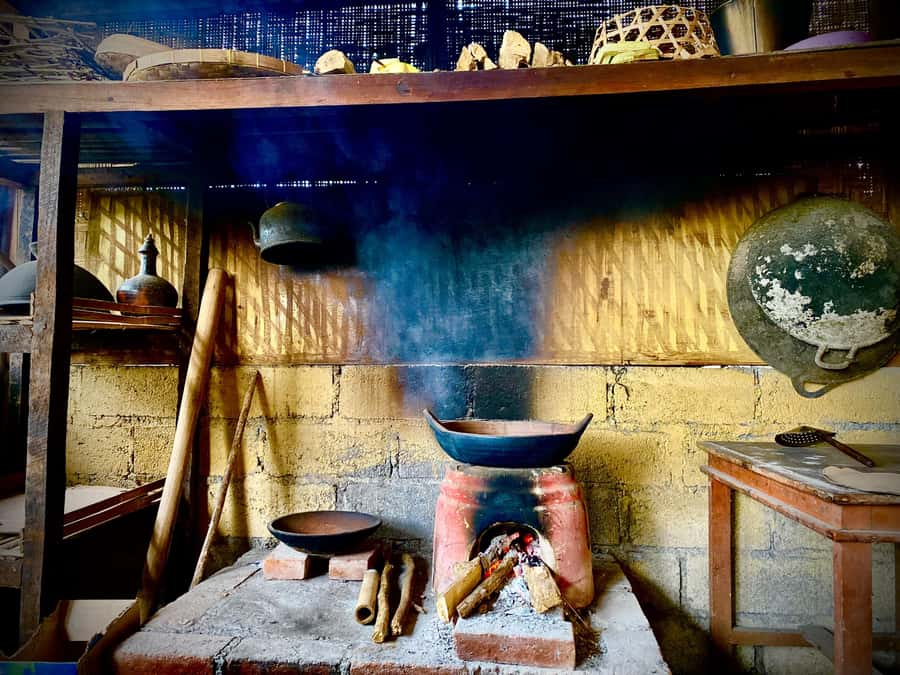
At $32 per person, this is priced like a mid-range local experience: not the cheapest option, but far from a big-ticket luxury tour. The value comes from three things you’re getting together:
- Expert cooking instruction
- Dinner with a local family
- Fresh ingredients and authentic recipes, not just a tasting
If you were to pay separately for a cooking class and then a local dinner, the cost usually climbs fast. Here, the price bundles learning plus the meal in one place, and the small group size helps keep the instruction personal.
The other value lever is the setting. A family kitchen can’t be replicated in a commercial cooking studio. You get that daily-life feel, and you get conversation that comes from being invited to the table, not dropped into a dining room.
Will this be a fit for everyone? If you’re a strict foodie who wants a deep menu of specific named dishes, you might want to compare options that list exact dishes. But if you want authentic Balinese cooking in a home environment with a friendly host, $32 is a reasonable deal for what you’re actually doing and eating.
What to bring and how to prepare like a pro
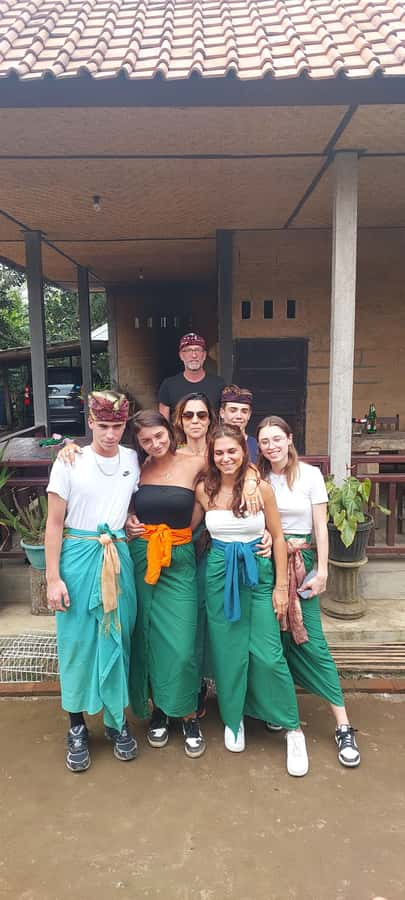
You don’t need special equipment, but you do need to be comfortable. Bring:
- Sun hat
- Camera
- Comfortable clothes
- Insect repellent
Insect repellent is worth taking seriously. Rural and garden-adjacent areas often have more insects than you expect, especially around evening hours.
Also, think about your clothes. Even if you’re careful, cooking involves touch, steam, and spices. Comfortable fabric beats fancy outfits. And bring your camera, because you’ll likely want photos of the kitchen moment and the dinner table setting.
One more preparation point: if you’re sensitive to altitude issues, this activity is not suitable for people with altitude sickness. Plan your schedule so you don’t stack anything else demanding on top of that.
Who this cooking class dinner suits best
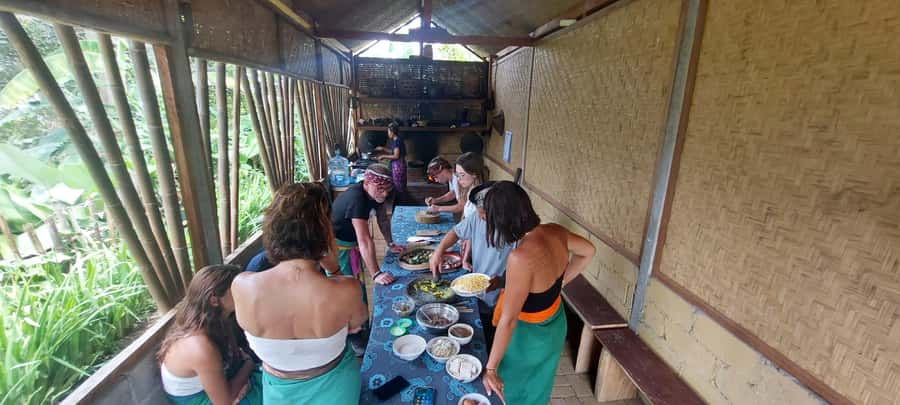
This experience is a great match if you:
- Want a cultural activity that ends with a real meal, not just snacks
- Like learning from people who cook the way they actually eat at home
- Prefer smaller groups and English-friendly guidance
- Would enjoy asking questions about ingredients and Balinese cooking practices
It may not be the best choice if you:
- Need a fully fixed, classroom-style agenda with very little social interaction
- Are dealing with altitude sensitivity
- Want to spend your time only on big-ticket attractions rather than learning through food
Wheelchair accessibility is listed, so if mobility access is important for you, it’s worth considering this option. Still, home-kitchen environments can vary, so it’s smart to ask your booking provider what the on-the-ground movement will be like for your specific needs.
Should you book this Munduk Balinese cooking class with dinner?
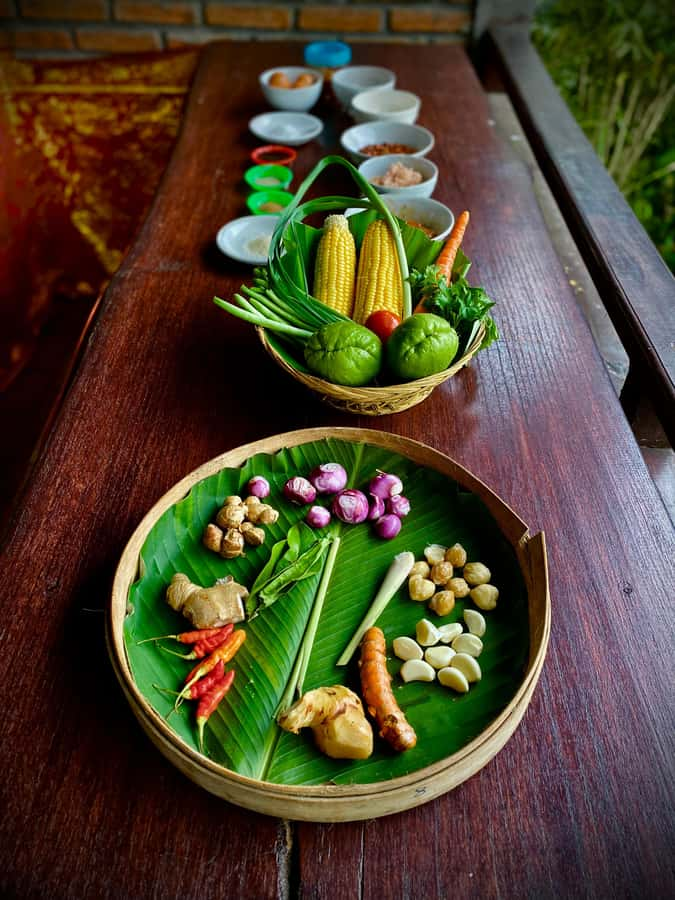
If you’re aiming for Bali that feels personal and not packaged, I’d book it. The strongest reasons are simple: small group size, a cooking lesson with instruction, and dinner with a local family in an intimate setting. You get both the skills and the payoff, and Munduk’s quieter atmosphere makes it easier to enjoy the experience without rushing.
I’d think twice only if altitude concerns apply to you, or if you’re looking for a sight-focused tour. For everyone else—especially couples, small groups, and solo travelers who enjoy food and conversation—this is the kind of evening you remember because you participated, then ate the results.
FAQ
How long is the cooking class and dinner?
The experience lasts about 3 hours.
Where does the experience start and end?
You’ll meet at the meeting point, and the activity ends back at the same meeting point.
How early should I arrive to the meeting point?
The team will be at the meeting point 20 minutes before the activity begins, so plan to arrive with time to meet up.
Is there a small group size?
Yes. It’s limited to a small group of up to 8 participants.
What language is the host and audio guide in?
The host or greeter is English-speaking, and the audio guide is also in English.
What is included in the price?
It includes expert cooking instruction, fresh local ingredients, dinner with a local family, authentic Balinese recipes, and the intimate atmosphere.
Is it wheelchair accessible?
Yes, wheelchair accessibility is listed.
What should I bring?
Bring a sun hat, camera, comfortable clothes, and insect repellent.
Is it suitable for altitude sickness?
No. It is not suitable for people with altitude sickness.
Can I cancel, and can I book without paying upfront?
Free cancellation is available up to 24 hours in advance for a full refund. You can also reserve now and pay later to keep your plans flexible.