REVIEW · CHIANG MAI
Half-Day Chiang Mai Cooking Class: Make Your Own Thai Foods
Book on Viator →Operated by Trippest Travel · Bookable on Viator
Thai food tastes better when you pick the ingredients.
This half-day class pairs a real market-style ingredient hunt with hands-on cooking, so you learn what to buy and how to cook it. You can start in the morning or afternoon, and the group stays small enough for real questions instead of watching from the sidelines.
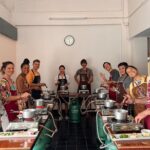
What I really like is the way you choose your menu first, before cooking, so decision-making doesn’t turn into a group argument. The other standout is the small-group setup (max 10) plus one wok per person, which keeps you actively cooking rather than waiting your turn.
One thing to consider: if you pick the afternoon option, you may miss the included market tour portion (the market visit is listed for the morning class only), so choose based on how much you care about seeing ingredients up close.
In This Review
- Key highlights worth planning around
- Entering Chiang Mai’s Market World (Morning Option)
- Picking Your Menus Stress-Free Before You Cook
- Cooking 6 Dishes With Your Own Wok
- Classic Northern Thai Flavors, Explained Through Action
- What the Finished Meal Feels Like
- Pickup, Small-Group Timing, and How to Fit It In
- Price and Value: Is $41.03 Worth It?
- Should You Book This Chiang Mai Cooking Class?
- FAQ
- How long is the Chiang Mai cooking class?
- How many dishes will I cook?
- Is the market tour included?
- What is the group size limit?
- Is pickup or transportation included?
- What is the cancellation policy?
Key highlights worth planning around
- Morning option includes a market tour with ingredient buying guidance
- Small group (10 max) means more time with the instructor
- You cook 6 dishes and you don’t just taste—your hands do the work
- One wok per person helps you stay active and learn faster
- Free coffee, tea, and water keep the class feeling easygoing
- Transportation within 3 km makes it simpler to fit into a busy Chiang Mai day
Entering Chiang Mai’s Market World (Morning Option)
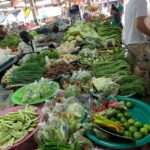
If you choose the morning class, expect a proper walk through a traditional Thai market before the cooking starts. This is where the class earns its keep: you’re not just learning recipes, you’re learning ingredient choices—what looks fresh, what to buy for flavor, and what substitutions can mess up a dish.
The instructor teaches you how to pick the best sample of each ingredient before you even touch a stove. That step matters because Thai cooking can feel forgiving on technique but picky about ingredients. Get the wrong sauce, herbs, or produce quality and your dish will taste flat, even if your heat control is perfect.
You’ll also learn why certain ingredients show up again and again in northern-style Thai meals—spices, aromatics, and key flavor bases. The market is the fast track to understanding that Thai cuisine is built in layers: smell first, then balance sour-sweet-salty-spicy.
One practical note: markets can be warm and busy. If you’re sensitive to heat, plan for a quick sweat and wear comfortable shoes you don’t mind getting a little dusty.
You can also read our reviews of more tours and experiences in Chiang Mai.
Picking Your Menus Stress-Free Before You Cook
A smart detail here is that you choose the menus up front. Everyone selects their dishes without needing to hash it out as a group, and you don’t have to decide with everyone else at the same time.
That’s more than convenience. It helps you get the outcome you want. If you’re a fan of spicy and sour salads, or you want a dessert-style finish, you’ll be able to steer your own plate without waiting for group consensus.
This also sets you up for a more personal learning experience. Instead of forcing every participant into the same exact lineup, the class design lets your cooking time match your interests. You’re still cooking the same class structure—just with more control over what ends up on your table.
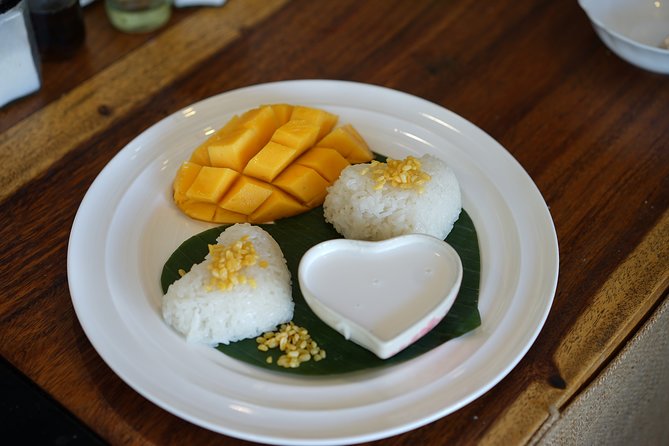
In at least one session described by past guests, the class included eating mango sticky rice. That’s a good sign if you like Thai sweets, but even if your exact menu differs, the point stands: you’re not stuck with bland, one-note choices.
Cooking 6 Dishes With Your Own Wok
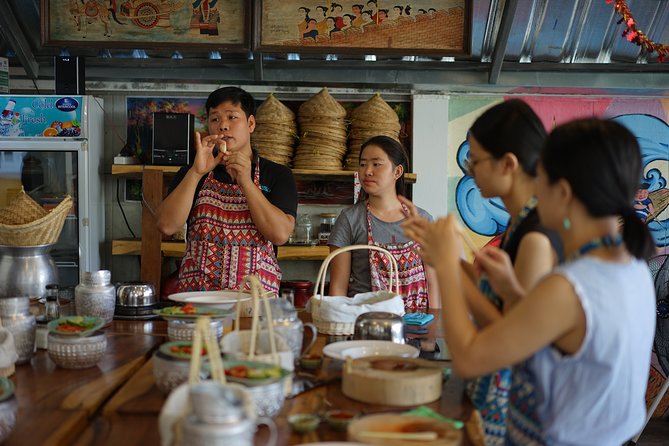
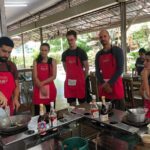
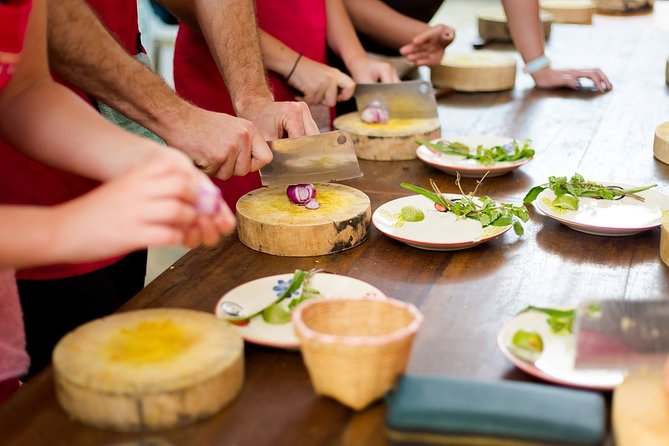
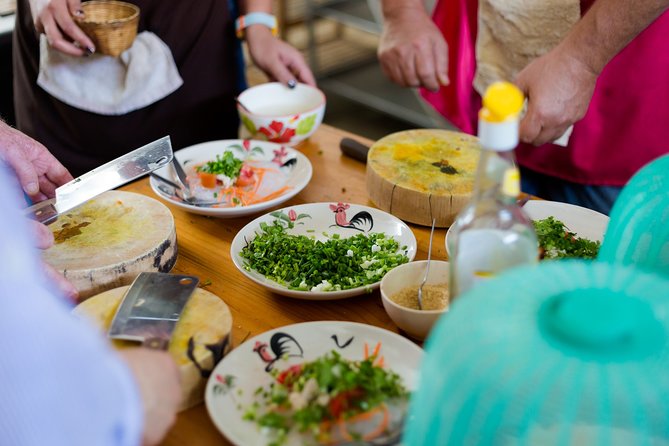
The core of the experience is hands-on cooking: you’ll cook 6 dishes during the class. The pace is built for learning. You’re not watching a demo and hoping you remember later—you’re actively making things, step by step.
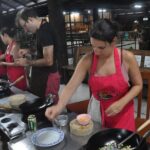
One of the most valuable inclusions is that you get one wok per person. That matters in Thai cooking because tossing, timing, and heat management all happen quickly. Shared cookware can slow things down and make you passive. Here, you stay in the action.
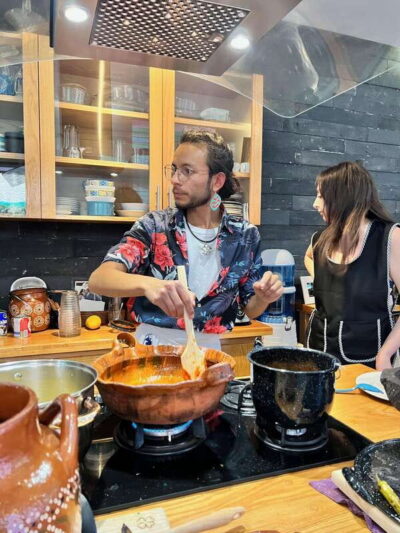
As you cook, expect guidance throughout the class. The structure is set up so the instructor can coach you on ingredient ratios and technique, not just declare what you’re doing. Past comments also point to instructors staying lively and attentive, which usually means you’ll get help when your dish starts to drift.
There’s also a playful element that shows up in feedback—one guest specifically mentioned creating a fire in the pan during the class. That’s exactly the kind of moment that turns cooking from practical to memorable, especially if you’ve never cooked with real wok heat before.
Classic Northern Thai Flavors, Explained Through Action
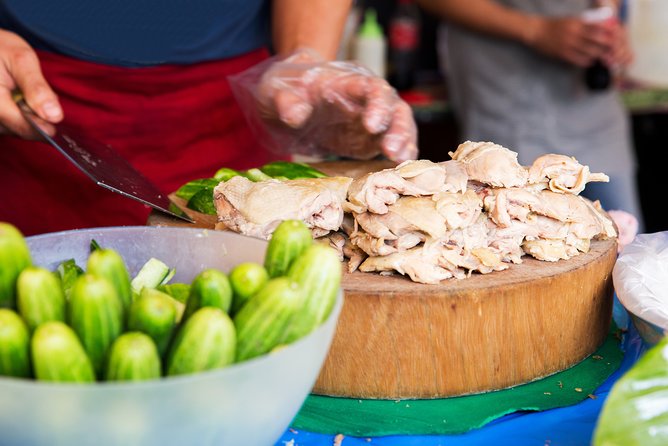
Chiang Mai cuisine leans into northern Thai flavors, and this class reflects that. You’re guided through cooking classics rather than abstract “Thai-inspired” experiments, so what you learn is more likely to translate well when you cook again at home.
What makes the flavors easier to recreate later is the ingredient-first approach. After learning what to buy and how to select fresh ingredients, the cooking steps connect back to that knowledge. You end up understanding the whys, not just copying steps.
You’ll also learn how multiple dishes fit together across a meal. Thai cooking isn’t only about one dish—it’s about building a balanced table. By the time you’re making several dishes back-to-back, you start seeing how flavors repeat: aromatics show up, sweetness anchors, acidity wakes things up, and spice ramps the whole meal.
And because the class is limited to 10 people, you get room to ask questions when something doesn’t turn out right. That’s where real learning happens: when you can correct quickly instead of guessing for the rest of the session.
What the Finished Meal Feels Like
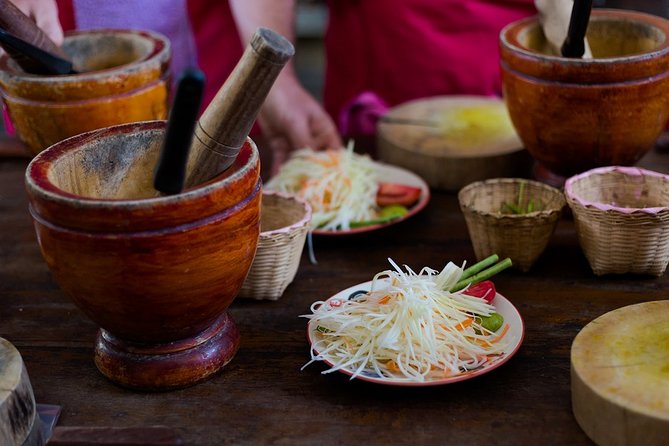
After cooking, you get to eat what you made. That might sound obvious, but it’s an important value factor. Many cooking classes focus on the process, then send you away before you really get to enjoy the results. Here, you sit down and taste your work.
You’re also likely to eat enough to count this as a real meal, not a small snack. If you’re planning your day around this, I’d treat it like a main event, not a side activity. You’re cooking 6 dishes, so your appetite will be part of the experience.
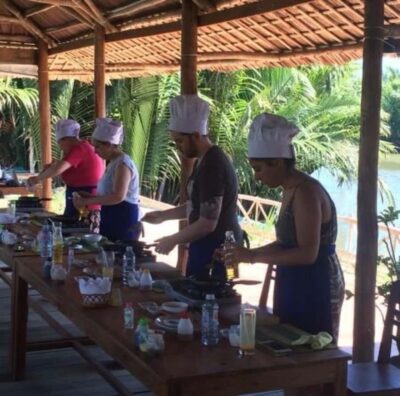
The class also tends to be set in a covered area in a rural-style setting, according to feedback. That’s a nice mix in Chiang Mai: you’re close enough to the market and downtown to fit your schedule, but you’re cooking in a calmer setting than a busy street kitchen.
One tip for your enjoyment: if you start the class hungry (but not frantic), you’ll appreciate the flavors more. If you already ate a heavy meal, you might still enjoy it, but the joy of tasting several dishes will feel smaller.


Pickup, Small-Group Timing, and How to Fit It In
This is a half-day experience, about 5 hours. That’s a good length in Chiang Mai because it’s long enough to learn real cooking skills, but short enough to still have an evening plan.
You can choose a morning or afternoon start time. The morning option includes the market tour, while the afternoon option is set up around the cooking experience. If you love food travel—the “why is this ingredient here?” part—pick morning. If you’re already market’d out or want a later day activity, afternoon still makes sense.
Transportation is included within 3 km of Chiang Mai downtown. In practice, that usually means you’ll be picked up and/or dropped off without needing to coordinate a tuk-tuk or grab app for the trip to the cooking site. It’s a time-saver, especially if your day includes temples, night markets, or an early start elsewhere.
Also remember the class cap: max 10 travelers. That’s the difference between feeling like a student versus feeling like an audience member.
If you’re juggling a packed itinerary, check your start time and give yourself a little buffer. Chiang Mai traffic can be unpredictable, and you’ll want to arrive calm so you can enjoy the market portion and menu choices.
Price and Value: Is $41.03 Worth It?
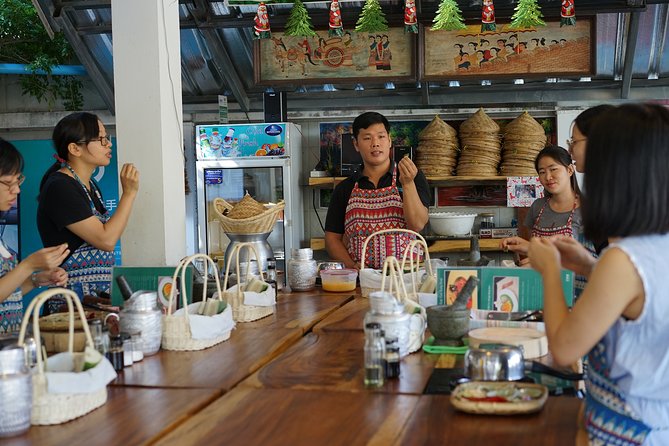
At $41.03 per person, this class feels like strong value when you look at what you actually get:
- A market visit in the morning (included for that option)
- Ingredient guidance before cooking
- A small group (10 max)
- 6 dishes cooked
- One wok per person
- Coffee, tea, and water
- Transportation within 3 km downtown
Even if you compare it to paying for meals alone, you’re getting much more than lunch. You’re buying the ingredient selection lesson plus the skill transfer. That’s what you can take home.
What you’re not paying for directly: you’re not just paying to eat; you’re paying for guided practice with multiple dishes. For many visitors, that turns the experience into one of the few “I can use this later” souvenirs.
The only potential downside is that you’re not customizing everything to your tastes—menu choices exist, but the overall class format is fixed. Still, for the price and the amount of cooking time, it’s hard to find a better deal.
Should You Book This Chiang Mai Cooking Class?
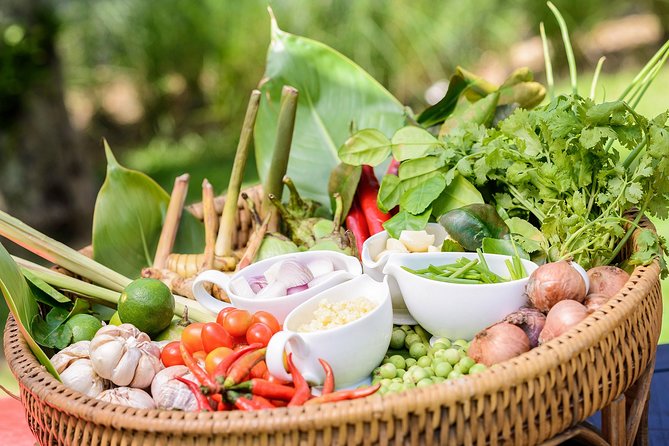
I’d book this if you want Chiang Mai food that’s practical, not just performative. Choose it if you care about markets, want a small-group class, and like the idea of learning ingredient choices before cooking.
It’s also ideal for couples or friends who want hands-on time together. With one wok per person and a max group size of 10, you’ll stay involved even if you’re not confident in the kitchen.
Skip or rethink if you only want a cooking demo and plan to spend most of your time browsing markets elsewhere. In that case, the afternoon option might feel like less value since the market tour is listed for morning.
If you’re on the fence, the simplest decision rule is this: morning = market + cooking, afternoon = cooking focused. Pick the one that matches how you want to spend your time in Chiang Mai.
FAQ
How long is the Chiang Mai cooking class?
The experience runs for about 5 hours.
How many dishes will I cook?
You’ll cook 6 dishes during the class.
Is the market tour included?
The market tour is included for the morning class only. The tour summary lists the market tour under the morning option.
What is the group size limit?
The class has a maximum of 10 travelers.
Is pickup or transportation included?
Yes. Free transportation is included within 3 km in Chiang Mai downtown, and a pickup option is offered.
What is the cancellation policy?
The experience is non-refundable and cannot be changed for any reason.