REVIEW · SEOUL
Seoul: Royal Seoul Cooking Class in a 100-Year-Old Hanok
Book on GetYourGuide →Operated by PPGLOBAL · Bookable on GetYourGuide
Royal Korean dinner starts in a hanok kitchen. I love the feeling of learning in a preserved 100-year-old hanok, right in central Seoul near the palaces, where the whole meal feels like you stepped into Korea’s past. I also love the max 6 guests setup, which means Chef Park can actually slow down, check your progress, and keep the cooking beginner-friendly.
One thing to consider: the class menu defaults to LA Galbi (beef ribs), so if you want Dak Galbi (chicken) or a vegetarian menu, you need to request that when booking.
In This Review
- Key highlights worth marking on your Seoul map
- A 100-Year-Old Hanok Kitchen in Insadong
- Royal Dishes You’ll Cook: LA Galbi, Kimchi, Pajeon, Tangpyeongchae
- LA Galbi: the star you’ll get hands-on
- Fresh kimchi that you don’t just watch being assembled
- Haemul Pajeon: get the pancake rhythm right
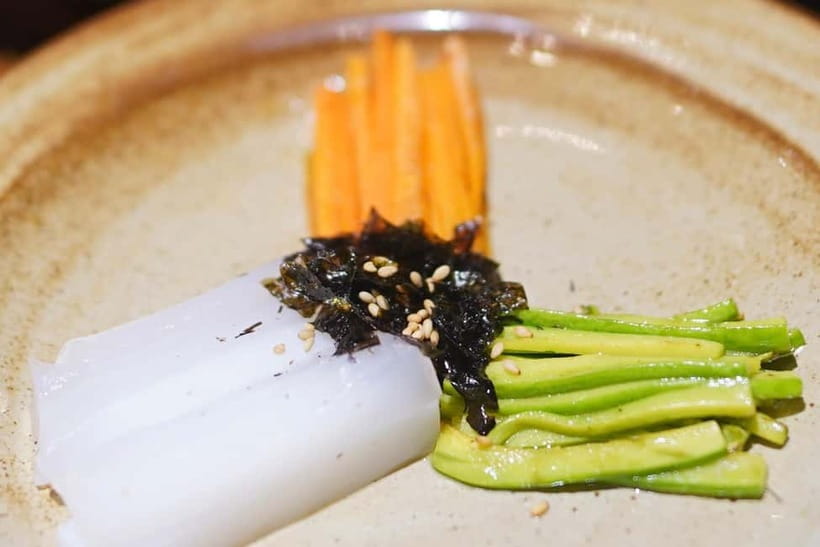
- Tangpyeongchae: the cooling, balancing plate
- Chef Park, Small Group Coaching, and How the Class Stays Relaxed
- Bangjja Bronzeware Dining, Makgeolli, and Korean Desserts
- What the $96 Price Really Buys in Seoul
- Who This Hanok Royal Cooking Class Fits Best
- Quick Tips Before You Go
- Should You Book This Seoul Royal Cooking Class?
- FAQ
- How long is the cooking class?
- Where is the meeting point in Seoul?
- How many people are in each class?
- Is the class taught in English?
- What dishes are included in the class?
- Can I request Dak Galbi or a vegetarian menu?
- Can the chef accommodate allergies or food restrictions?
- Is it suitable for children?
- What’s the cancellation policy and do I pay now?
Key highlights worth marking on your Seoul map
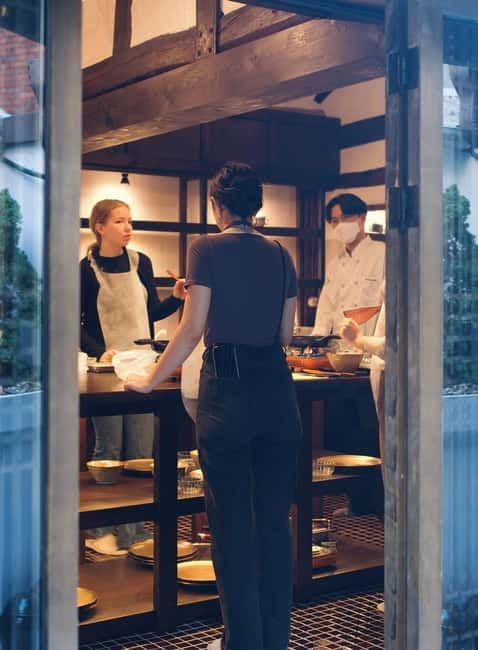
- 100-year-old hanok kitchen in Insadong: a heritage setting in the middle of the city
- Small group (up to 6): you cook, taste, and get hands-on help instead of watching
- Royal-cuisine dishes you make yourself: LA galbi, fresh kimchi, Haemul Pajeon, Tangpyeongchae
- Dining on Bangjja bronzeware: traditional Korean tableware used for your meal
- Makgeolli and Korean desserts included: you finish like you would at a proper Korean table
- Chef Park’s English instruction: clear steps with culture stories built in
A 100-Year-Old Hanok Kitchen in Insadong
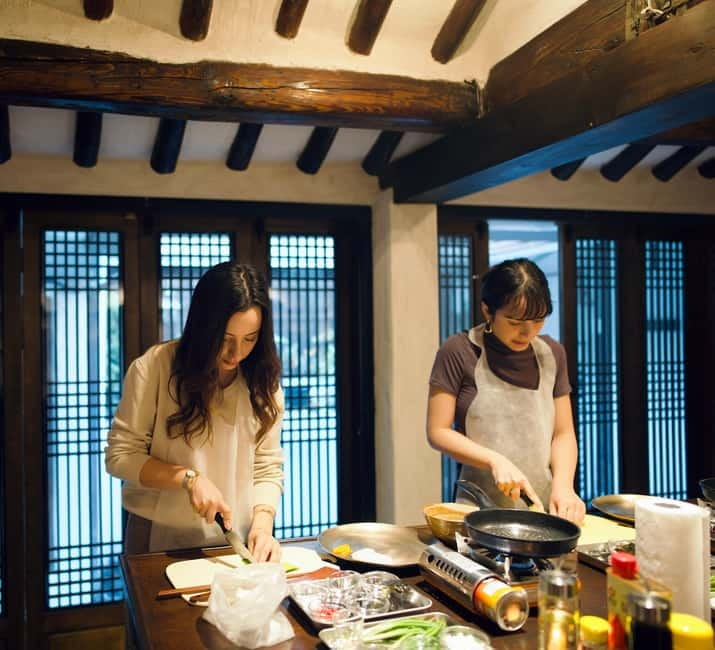
This isn’t a cooking class in a bland studio. You meet in the Insadong area, and the location is key: you’ll find the place just right behind the Insadong IBIS Ambassador Hotel. (There are a few IBIS hotels in Seoul, so double-check you’re at the Insadong one.)
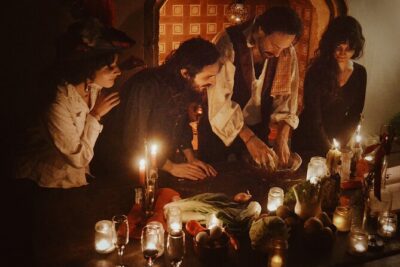
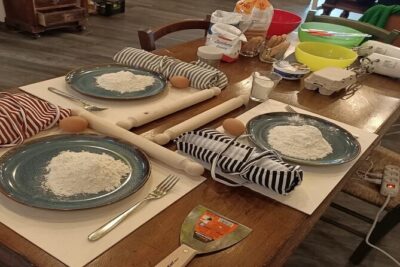
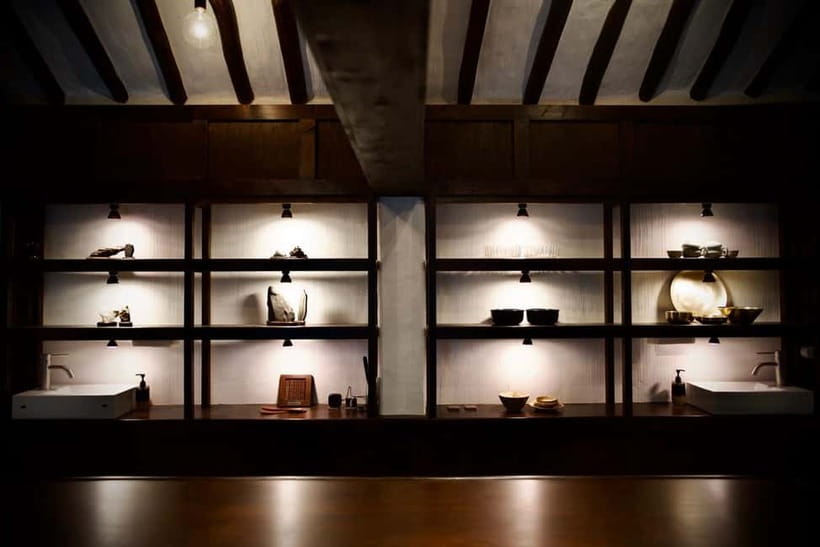
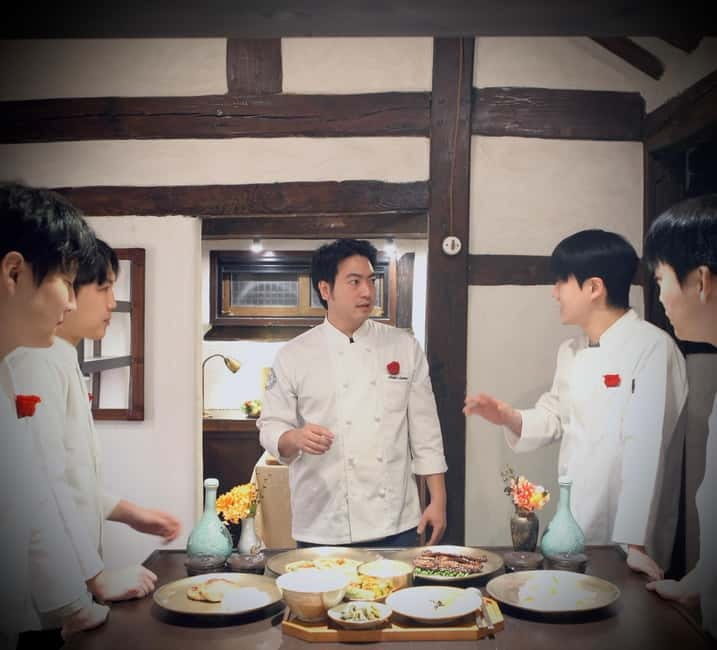
The home itself is a 100-year-old hanok, preserved and comfortable enough for a real evening class. When you walk in, the setting does some of the work for the experience. It makes Korean food feel less like a random meal and more like a living tradition. The wood, the calm pace, and the way the space is set up for cooking all help you relax into the class.
This kind of location is also practical. You’re close to major sightseeing areas, so you can turn this into a smart “palace-to-dinner” day instead of squeezing one more far-away activity into your schedule.
One more detail I appreciate: the class is taught in English, so you’re not left guessing when a technique matters (and in Korean cooking, it often does).
You can also read our reviews of more tours and experiences in Seoul.
Royal Dishes You’ll Cook: LA Galbi, Kimchi, Pajeon, Tangpyeongchae
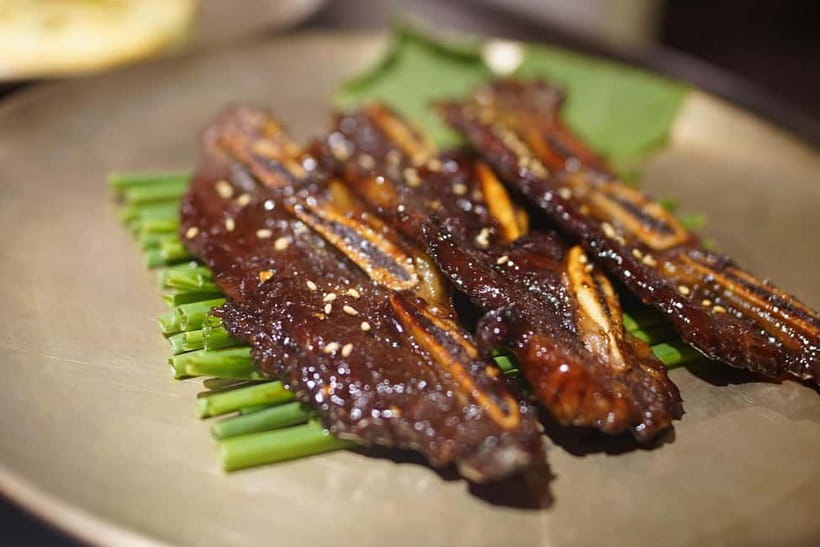
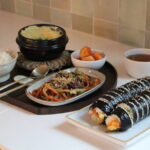
The menu is built around real Korean favorites—plus the royal-cuisine vibe. You’ll cook several dishes rather than doing one quick stir-fry and calling it a day.
Here’s what’s included in the default flow:
- LA Galbi (beef ribs) as the default dish
- Fresh Kimchi
- Haemul Pajeon (seafood pancake)
- Tangpyeongchae
Chef Park guides you through each one using techniques that are made approachable. That’s important if you’re not a confident cook. The goal isn’t to impress with complicated steps. It’s to help you understand the logic—how flavors build, what texture you’re aiming for, and how Korean seasoning and preparation fit together.
LA Galbi: the star you’ll get hands-on
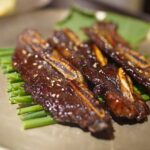
LA Galbi is the default, and that matters because it sets the tone for the whole meal. Beef ribs caramelize when cooked well, and the balance of sweet-savory seasoning is a big part of why it feels so satisfying. You’ll learn how to handle it without overthinking it, which is great if you usually order galbi instead of cooking it.
If you’d rather do Dak Galbi (chicken) or keep it vegetarian, that’s possible—but you have to request it during booking.
Fresh kimchi that you don’t just watch being assembled
Fresh kimchi is one of those dishes people love but don’t always understand. You’ll work on it directly, and that gives you more confidence than buying a jar and hoping it tastes the same at home. Even if you don’t make it perfectly right away, you’ll leave knowing what matters and what to watch for.
Haemul Pajeon: get the pancake rhythm right
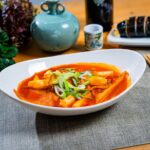
Pajeon can go one of two ways: great, or greasy and sad. The difference is technique. You’ll learn the practical “why” behind the batter and the cooking approach so it comes out tasty, not just technically cooked.
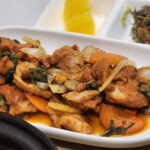
Tangpyeongchae: the cooling, balancing plate
Tangpyeongchae (often described as a light, refreshing side) adds balance so the meal doesn’t feel heavy. In a royal-style spread, that balance is part of the point—color, texture, and flavor contrast.
Chef Park, Small Group Coaching, and How the Class Stays Relaxed
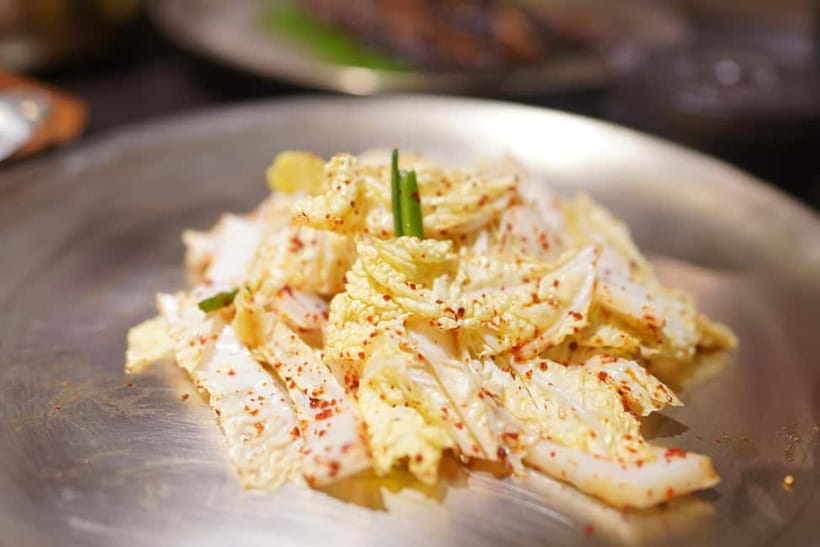
This class works because it’s small: up to 6 participants. That’s not a marketing line here. In practice, it changes everything. You get closer to the action, and Chef Park can watch what you’re doing instead of tossing everyone a menu card and crossing their fingers.
Chef Park teaches in English, and many people love how he explains things clearly even if you’re starting from zero. The vibe is warm and conversational. You’re cooking, tasting, and chatting, with culture stories woven in as you go.
A smart part of the format is the pace. In a larger class, you can get stuck waiting your turn. Here, the small group structure helps you keep moving and finish with dishes you’re proud to serve.
Also, this kind of class is good for different skill levels. If you can follow steps, you can do it. If you’re comfortable cooking, you’ll still pick up technique cues you can use back home.
Bangjja Bronzeware Dining, Makgeolli, and Korean Desserts
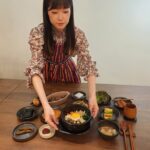
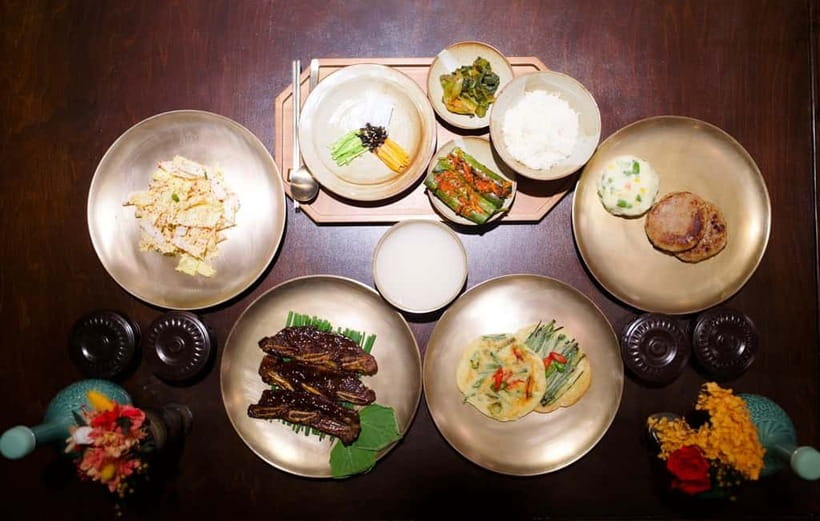
The meal part is where the whole experience clicks into focus. After cooking, you sit down and eat like it’s meant to be eaten: in a traditional setting with Bangjja bronzeware plates.
Why does that matter? Because tableware affects the feeling of a meal. With Bangjja, your dining experience is grounded in Korean tradition instead of feeling like a plated demo. It also makes the food feel more special, which is exactly what you want after an active cooking session.
And yes, you drink along with the meal. You’ll enjoy a glass of freshly brewed Makgeolli. Makgeolli is a Korean rice wine that’s slightly tangy and creamy, and it pairs naturally with dishes like galbi and savory pancakes.
Dessert rounds it out with traditional Korean sweets. You don’t just leave with recipes—you leave with a full experience of the meal flow, from cooking heat to table comfort.
One of the best outcomes of this format is how it helps you remember. You cook the dishes, you taste them, then you get to tie them to the cultural stories Chef Park shares. That’s how the evening sticks in your brain.
What the $96 Price Really Buys in Seoul
At $96 per person for a 2-hour class, this isn’t a budget grab. It’s a “pay for quality” experience.
So where does the value come from?
- Small group instruction (up to 6) means you’re not paying for a crowd-control workshop
- Certified-chef guidance and a structured cooking plan help you produce real dishes
- Multiple dishes + fresh kimchi + seafood pancake + side dish is more than a one-dish class
- A proper table setup with Bangjja bronzeware and time to eat counts as part of the service
- Makgeolli and desserts included round out the meal so you don’t need to add dinner afterward
In Seoul, you can certainly find cheaper cooking activities. But when you price in the setting, the hands-on format, and the included meal experience, this ends up feeling like a complete evening rather than a quick snack with a chef.
Who This Hanok Royal Cooking Class Fits Best
This class is ideal if you want a Seoul experience that’s practical and memorable—without needing advanced cooking skills.
You’ll probably love it if:
- you’re a foodie who wants to learn Korean flavors in a real kitchen setting
- you like small-group activities where the instructor can correct your technique
- you want a date-night style experience that also teaches you something
- you’re traveling solo but want a comfortable, conversation-friendly group size
It’s also a strong pick if you’re the type who wants souvenirs that don’t collect dust. The “souvenir” here is the ability to recreate at least part of the meal back home.
One note on fit: children under 10 years are not suitable. If you’re traveling with kids, this is likely not the right evening.
Quick Tips Before You Go
- If you want Dak Galbi or a vegetarian option, request it when booking. Default is LA Galbi.
- Let Chef Park know about allergies or food restrictions in advance so the menu can be adjusted.
- Plan to arrive near the meeting point with extra time. It’s behind the Insadong IBIS Ambassador Hotel, and there are multiple IBIS locations in Seoul.
- Bring the right mindset: you’re cooking dinner, not just taking photos. You’ll get the best experience by staying present and tasting along the way.
Should You Book This Seoul Royal Cooking Class?
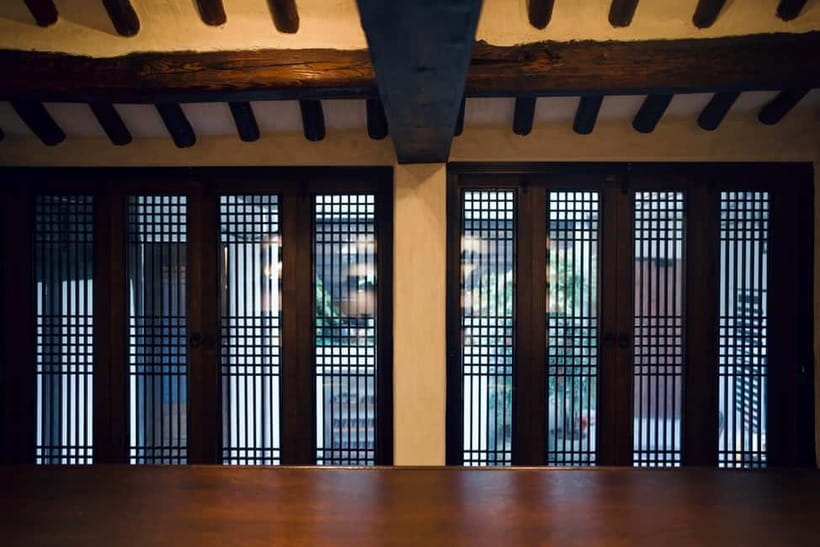
If you want a cooking class that feels like an evening in a real Korean home, this is an easy yes. The 100-year-old hanok setting, the small group size, and the full meal with Bangjja bronzeware + Makgeolli make it feel complete. Plus, the dishes are practical enough that you can actually try them again after your trip.
Book it especially if you care about both food and context—Chef Park doesn’t just teach steps, he shares stories behind what you’re making. The only major reason to skip is if you strongly need something other than the default LA Galbi menu and didn’t plan to request changes early.
FAQ
How long is the cooking class?
The class lasts 2 hours.
Where is the meeting point in Seoul?
You’ll meet just right behind the Insadong IBIS Ambassador Hotel. The address is 25, Samil-daero 32ga-gil, Jongno-gu, Seoul (서울시 종로구 삼일대로 32가길 25).
How many people are in each class?
It’s a small group experience limited to up to 6 participants.
Is the class taught in English?
Yes, the instructor speaks English.
What dishes are included in the class?
The included dishes include LA Galbi (default), fresh kimchi, Haemul Pajeon, and Tangpyeongchae. You also get Makgeolli and assorted Korean desserts.
Can I request Dak Galbi or a vegetarian menu?
Yes. Dak Galbi (chicken) or a vegetarian option is available if you request it when booking. The default menu is LA Galbi.
Can the chef accommodate allergies or food restrictions?
Yes. You should let them know in advance about allergies or food restrictions.
Is it suitable for children?
No. It’s not suitable for children under 10 years.
What’s the cancellation policy and do I pay now?
You can cancel up to 24 hours in advance for a full refund. You can also reserve now & pay later, meaning you don’t pay immediately when booking.