REVIEW · PHNOM PENH
Khmer Cooking Class Full Day
Book on Viator →Operated by Banana Cooking Class · Bookable on Viator
If you love food that starts with real ingredients, this class delivers. The day begins at a local market with your guide showing you fruits, vegetables, and spices, and it ends with you cooking at your own station. It’s a straightforward way to learn Khmer flavors without guessing what goes where.
What I like most is the hands-on setup. You don’t just watch a demo—you cook, get feedback, and eat your own results for lunch and later tasting.
One thing to consider: it’s a full day (about 8 hours). If you’re tight on time or energy, the half-day option can be a better fit.
In This Review
- Key Points Worth Filing Away
- Market Lessons Before You Touch the Wok
- Meeting at Banana Cooking Class and the Pace of the Day
- Tuk-Tuk to the Local Market: How You Learn What Matters
- Back to Banana Cooking Class: Theory That Actually Helps
- Cooking at Your Own Station: The Real Value
- Lunch: Eating Your Own Results (Not a Random Takeaway)
- The Afternoon Shift: Slower Dishes and More Technique
- Recipes to Take Home and the Certificate Moment
- Price and Value: Is $58 a Good Deal?
- Who Should Book This Cooking Class
- Quick Practical Tips Before You Go
- Should You Book Khmer Cooking Full Day?
- FAQ
- How long is the full-day Khmer cooking class?
- What time do I meet the group in Phnom Penh?
- Where is the meeting point?
- Is this class private?
- What happens during the day?
- Is the class flexible if I need menu changes for dietary reasons?
Key Points Worth Filing Away
- Market shopping by tuk-tuk gives you the flavor map before you start cooking
- Chef-led theory + technique helps you understand what you’re doing, not just copy it
- Your own cooking station and wok means you’ll actually cook, not hover
- You’ll taste what you make twice, including lunch and an afternoon tasting
- Recipes to take home plus a completion certificate make the day feel like more than a class
Market Lessons Before You Touch the Wok
The biggest advantage of a Khmer cooking class done this way is timing. Starting at the market means you learn ingredients in context. You’ll see what people actually pick out for everyday cooking in Phnom Penh, not just what shows up on a supermarket shelf.
I also like that the market visit isn’t treated like a souvenir detour. Your guide explains the local fruits, vegetables, and herbs you’ll use later. It’s the kind of knowledge that sticks, because you connect each ingredient to a dish you’ll cook.
And yes, you’ll buy what you need before heading back to cook. That matters because ingredient freshness changes everything in Southeast Asian cooking—especially for salads, herbs, and fish-based dishes.
You can also read our reviews of more tours and experiences in Phnom Penh.
Meeting at Banana Cooking Class and the Pace of the Day
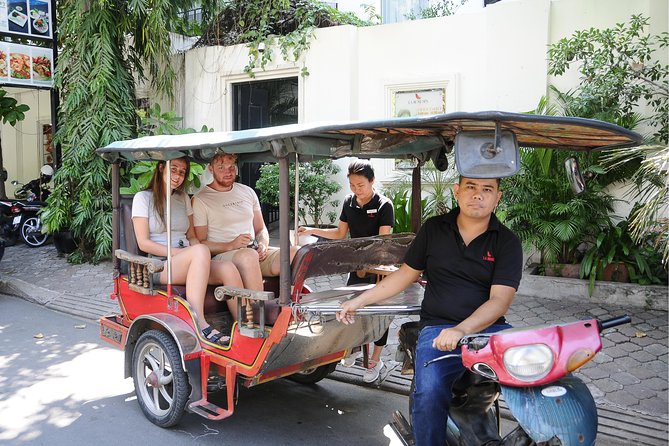
You meet at Banana Cooking Class at 1, 4b Abdul Carime St. (21), Phnom Penh. The start time is 9:00am, and you’re brought to the market by tuk-tuk afterward. It’s a simple structure: orientation, market, then full-on kitchen work.
Once you return around 10:00am, you get the practical comforts that keep the day moving. You’ll receive a refreshing drink and a cold towel, then you’ll get your recipe before learning begins. This is small, but it helps you settle in and not feel rushed.
The schedule also has a smart rhythm. There’s theory first, then you cook. Later, you cook again after another shift in lessons. If you’ve ever taken a cooking class where everything feels like one long sprint, this pacing is easier to follow.
Tuk-Tuk to the Local Market: How You Learn What Matters
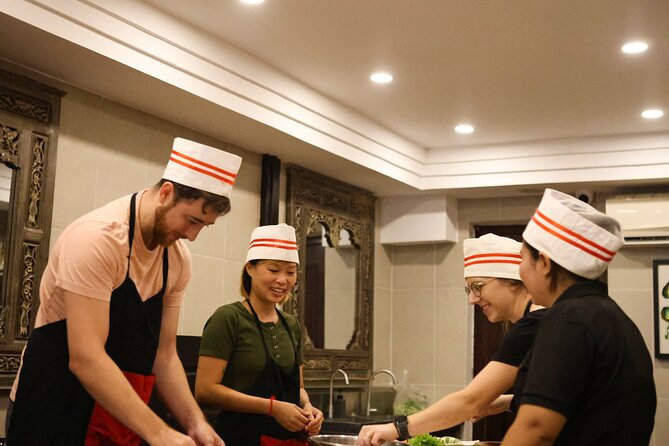
At about 10:00am, you head to the local market where your guide points out ingredients you’ll use in Khmer recipes. You’re not just looking around. You’re learning what to buy and why.
From the chefs’ explanations, the market feels like the real classroom. People talk about Khmer food as “fresh and balanced,” but here you see the building blocks. Herbs, aromatics, and produce aren’t decorations—they’re the flavor engine.
One practical tip: if you’re unsure how adventurous you want to be with spice, this is the time to ask questions. You’ll have the easiest access to your guide and chef before the menu gets locked into cooking. In past classes, the team has been flexible with changes to the dishes, so discussing preferences early is smart.
Back to Banana Cooking Class: Theory That Actually Helps
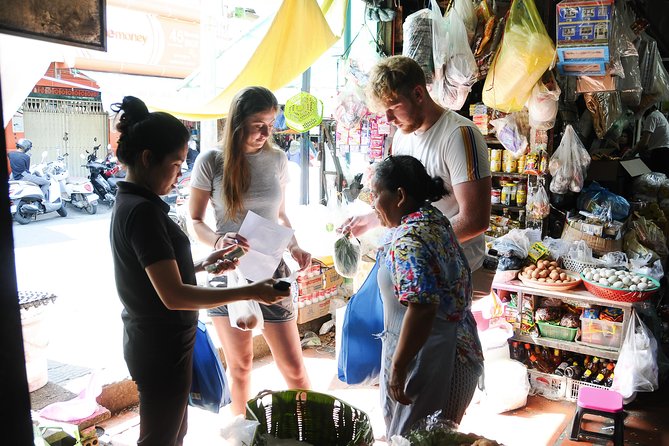
After the market, you return to the kitchen and get ready for the first teaching block. Around 10:30am, you get a theory class where the chef demonstrates what you’re going to cook.
This matters because Khmer cooking often relies on technique, not just ingredients. The goal isn’t memorizing steps—it’s understanding how flavors are built and adjusted. A demo can stay abstract if you don’t connect it to what you’ll do next. Here, the schedule quickly moves you from “watching” to “doing.”
You’ll also get the emotional win of feeling prepared. By the time you reach the cooking station, you’re not asking, Wait, what is that for? You’ve seen it, and you’ve learned the basic logic behind it.
Cooking at Your Own Station: The Real Value
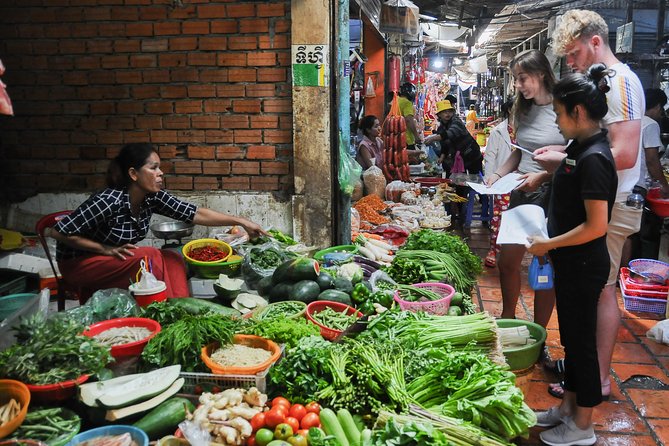
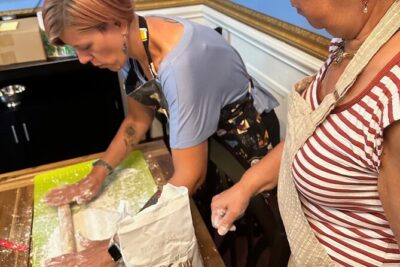
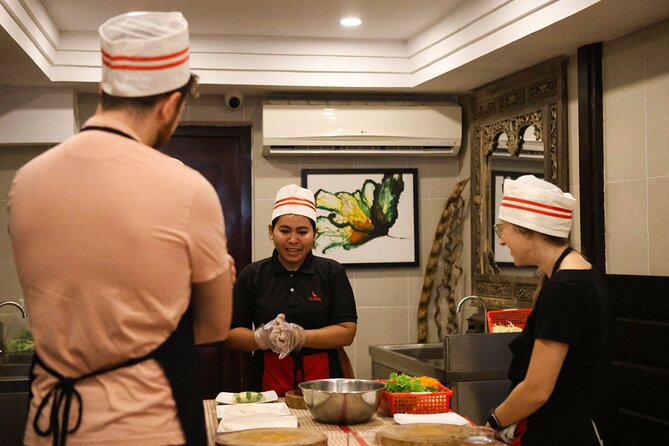
Around 11:00am, it’s hands-on time. Each student has their own cooking station and wok, which is a huge difference from classes where you share and wait your turn. You’ll be actively cooking while a chef assists you and answers questions.
In Khmer cooking, timing and coordination matter. So having your own station helps you learn the feel of stirring, sautéing, and combining ingredients without falling behind. It also lets you ask for help before small mistakes become full disasters.
Chef support is part of the reason this class scores so well. People have specifically noted chefs like LomAng Peark (and also Lon Ang) for being clear and friendly, with good English and patient instruction. Even if you’re a beginner, you’ll likely feel guided rather than abandoned.
What dishes are in the mix? The class commonly includes Khmer favorites such as spring rolls, mango salad, fish amok, and other fresh dishes. Some past full-day menus also included a green mango salad, Khmer yellow curry, and dessert like banana palm. The exact lineup can vary, but you should expect classic Khmer cooking rather than generic “Asian fusion.”
Lunch: Eating Your Own Results (Not a Random Takeaway)
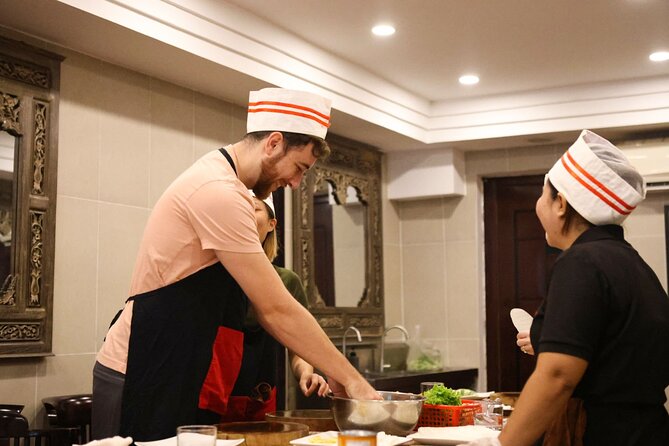
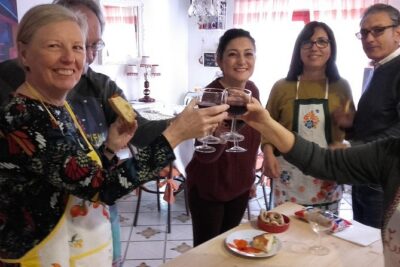
At 12:00pm, lunch is built around what you cooked. This is the moment where the class pays off. You get to taste your own version of Khmer dishes while everything is still fresh in your head.
Eating what you make does two things. First, it helps you understand balance—salt, sour, sweet, herbs, and heat. Second, it gives you immediate feedback. If something needs adjustment, you’ll remember how the dish was assembled and what you changed.
If you’re worried about portion size, don’t be. You’re generally tasting multiple dishes, and lunch is part of the full course rhythm. It’s not a token meal.
The Afternoon Shift: Slower Dishes and More Technique
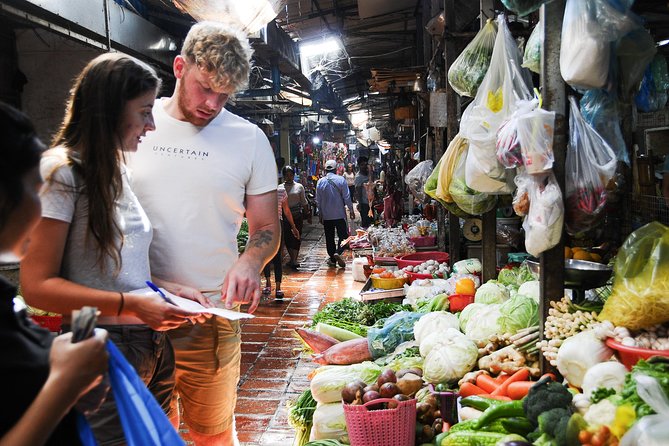
After lunch, the class returns to the kitchen around 3:30pm. That’s when the instruction focuses on dishes that take more time to prepare. This is a smart split because it prevents the day from being only quick frying and chopping.
At 4:30pm, you get another round to taste and enjoy what you cooked. It also gives you a chance to relax after the afternoon work. Cooking classes can feel intense. This structure keeps it social and manageable.
If you love learning the “why” behind food—how ingredients change with heat and time—the afternoon portion is where you’ll likely feel more growth. You’ll see how Khmer cooking isn’t only about fresh ingredients, but also about technique and patience.
Recipes to Take Home and the Certificate Moment
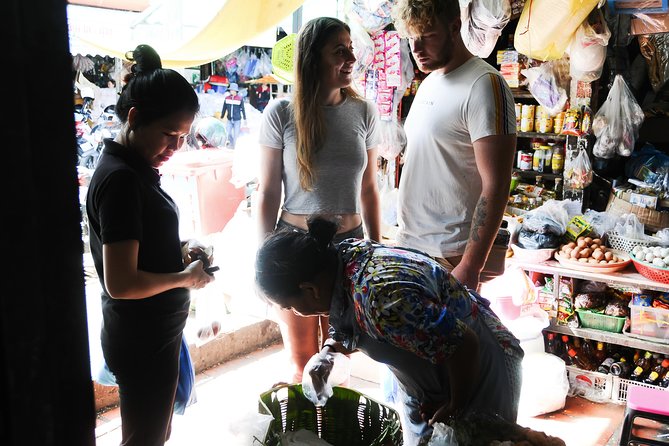
This class gives you more than a meal. You get recipes to take home, plus a certificate of completion and a photo session at the end.
That recipe piece is practical. Cambodian dishes often depend on specific spice blends and herb usage. Having written instructions makes it easier to reproduce flavors at home without relying on memory. It’s also useful if you want to share what you learned with friends who don’t know your new obsession with fish amok.
The certificate and photo session are more emotional than educational, but they add a “real experience” feeling. It’s a nice bookend to a day that runs from 9:00am to about 5:00pm.
Price and Value: Is $58 a Good Deal?
At $58 per person, this full-day class isn’t a bargain. It’s also not inflated for what you get.
Here’s where the value comes from:
- You spend about 8 hours doing real cooking, not just watching.
- You get market shopping with ingredient explanations.
- You cook multiple Khmer dishes with chef assistance.
- You eat what you make, including lunch and an afternoon tasting.
- You leave with recipes and a completion certificate.
When you think of it as a mix of lesson + ingredients + instruction + meals, the price starts to make sense. Also, the fact that it’s private for your group matters. You’re not fighting for station time or language help with a big crowd.
If you’re comparing options, the key question is simple: do you want to learn enough to cook these dishes again at home? If yes, this class is priced like a learning experience, not just a tour.
Who Should Book This Cooking Class
This is a great match if you:
- Want a cultural food experience that includes shopping and cooking
- Prefer guided, structured learning (theory demo first, then you cook)
- Enjoy Khmer flavors like mango-based salads, curries, and fish dishes
- Like bringing home recipes you can actually use
It’s also a good family option. One past full-day experience described the chef working well with kids aged 7, 10, and 12, with engaging explanations and flexibility when a child needed extra help.
You might pick the half-day option instead if you’re short on time or you know you’ll get impatient by mid-afternoon kitchen work. Since the full day includes two active cooking blocks, energy management matters.
Quick Practical Tips Before You Go
- Bring a curious mindset. You’ll be buying ingredients and learning what each one does.
- If you have dietary restrictions, ask. The class has shown flexibility with menu changes in real situations.
- Wear comfortable clothes and expect to be at the stove. You’ll be hands-on at your station.
- If you’re sensitive to heat or strong flavors, say so early, ideally during the market portion.
Should You Book Khmer Cooking Full Day?
I’d book this if you want a full, practical day learning Khmer cooking the way locals think about ingredients: buy them, understand them, then cook them with support. The market start, the private group setup, and the hands-on station time are the big reasons it feels worth your day in Phnom Penh.
Skip it only if you’re looking for a quick activity or you don’t have the time for an all-day schedule. Otherwise, this is the kind of experience where you go home able to cook, not just able to describe.
FAQ
How long is the full-day Khmer cooking class?
The full-day course runs for about 8 hours.
What time do I meet the group in Phnom Penh?
Meeting is at 9:00am at Banana Cooking Class.
Where is the meeting point?
The meeting point is Banana Cooking Class, 1, 4b Abdul Carime St. (21), Phnom Penh, Cambodia.
Is this class private?
Yes. It’s listed as a private tour/activity, so only your group participates.
What happens during the day?
You’ll go to the local market by tuk-tuk, return for a drink and cold towel, do a theory class with chef demonstration, cook at your own station, have lunch, cook again in the afternoon, then taste what you made, and receive a certificate with a photo session.
Is the class flexible if I need menu changes for dietary reasons?
The information provided indicates the class can make menu changes when needed. It’s best to discuss dietary requirements with them when booking.