REVIEW · RETHYMNO
Rethymno: Chrysoula’s Cretan Home Cooking Lessons
Book on GetYourGuide →Operated by Chrysoula's Cretan home cooking lessons · Bookable on GetYourGuide
The best meals start at someone’s kitchen table. In Rethymno, Crete, this cooking lesson turns into a real day of chopping, mixing, and eating Cretan food straight from a local home, with the dishes finished in a traditional wood oven. I love how much hands-on time you get, not just watching. And I especially like the way the class builds from simple, bright starters to a full meal you’re genuinely proud to serve.
One thing to plan around: you’ll be drinking raki during the experience, and you’ll be fed a lot. Go hungry, and if you prefer light drinking, tell the host up front so you can pace yourself.
In This Review
- Key highlights you’ll feel right away
- Entering Chrysoula’s Cretan kitchen: what makes it feel local
- What you’ll cook: dakos, tzatziki, gemista, mousaka, and more
- Starters: bright, creamy, and herb-heavy
- Main dishes: gemista and mousaka, built to eat slowly
- Dessert: pies with honey and cinnamon, plus ice cream
- The wood oven experience: why the oven matters
- Drinks and the big meal: wine, raki, and homemade extras
- Dietary needs: vegetarian and allergy-friendly by design
- Price and value: is $116 worth it?
- What to expect timing-wise (and where you’ll spend your energy)
- Who this class suits best (and who should think twice)
- Practical tips so you get the most out of the day
- Should you book Chrysoula’s Cretan Home Cooking lessons?
- FAQ
- What is the duration of the cooking class?
- What dishes are included in the class?
- Are vegetarian and allergy requests possible?
- Are drinks included?
- Is the class taught in English?
- How much does it cost?
- Is it wheelchair accessible?
Key highlights you’ll feel right away
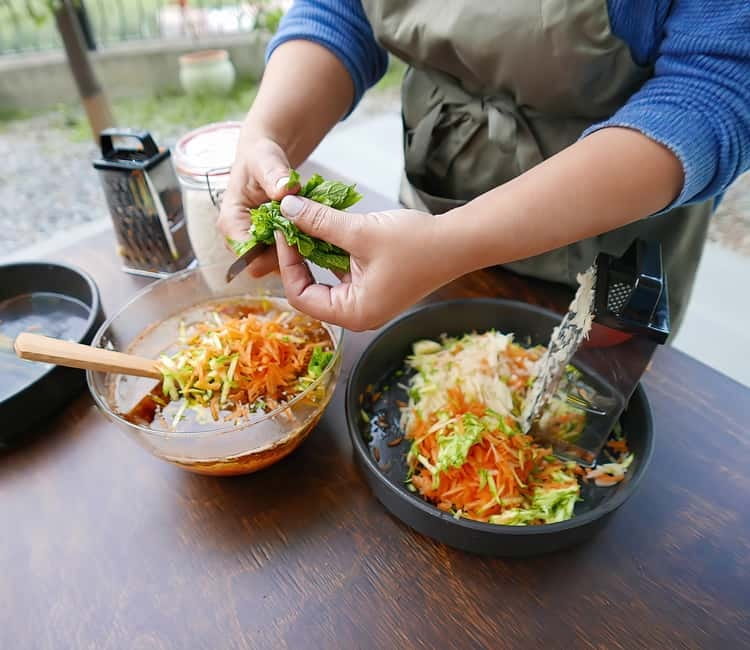
- Wood-fired cooking in a real family setting, not a studio kitchen
- Starter to dessert menu built around Cretan favorites you can recreate at home
- Fresh ingredients sourced from the cook’s farm or local farmers
- Menu flexibility for vegetarian friends and allergies (just let them know)
- Warm, chatty hosting with Chrysoula and help from Dee (and sometimes Kostas)
- Food + drinks that keep coming, including local wine and raki
Entering Chrysoula’s Cretan kitchen: what makes it feel local
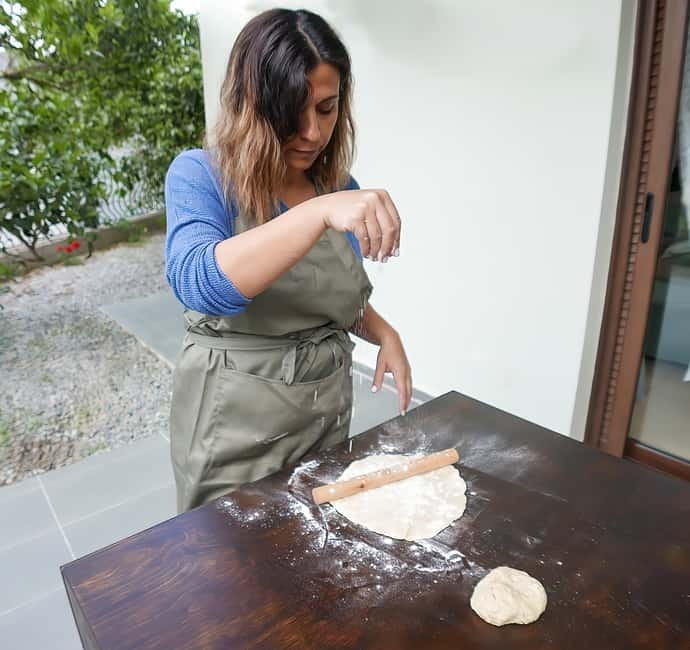
This class doesn’t feel like a performance. You’re welcomed into a family home where cooking is part of everyday life, and you’ll quickly notice that the host treats you like people she’s feeding, not customers she’s moving through.
The setting helps. Expect a homey atmosphere with a garden and views, and plenty of time for conversation while everyone works. If you’ve been bouncing between tourist meals, this is the kind of dinner that resets your expectations: Cretan cooking is simple, olive-oil-forward, and designed to taste good with very little fuss.
You start with a warm welcome that typically includes Greek coffee or herbal tea, plus homemade lemonade and small bites like ladokouloura and loukoumakia. These details matter because they set the pace. You’re not rushing to cook; you’re settling in like you’re arriving early for a family meal.
You can also read our reviews of more tours and experiences in Rethymno.

What you’ll cook: dakos, tzatziki, gemista, mousaka, and more
This is a true menu class. You’re not just making one dish. You’ll work through multiple courses, learning practical techniques as you go.
Starters: bright, creamy, and herb-heavy
You’ll likely make starters such as:
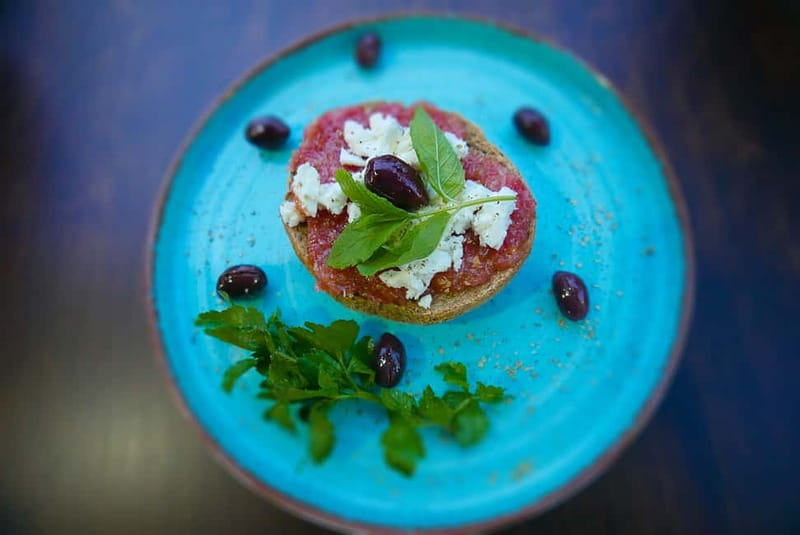
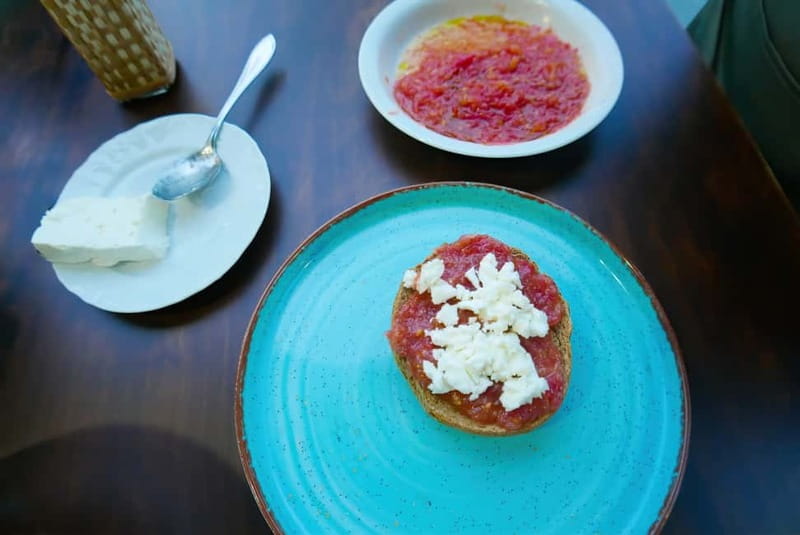
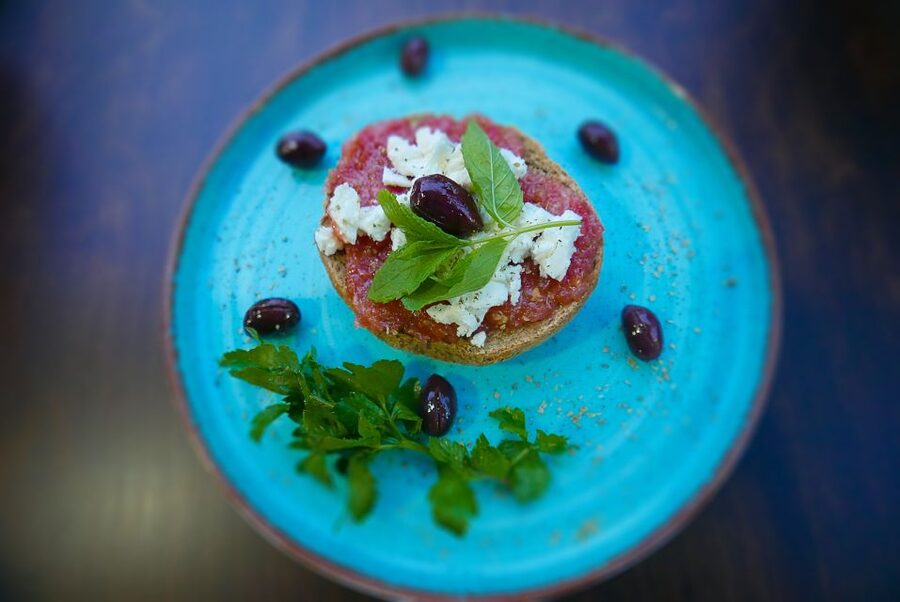
- Dakos (Cretan salad with tomato, cheese, olive oil, and herbs)
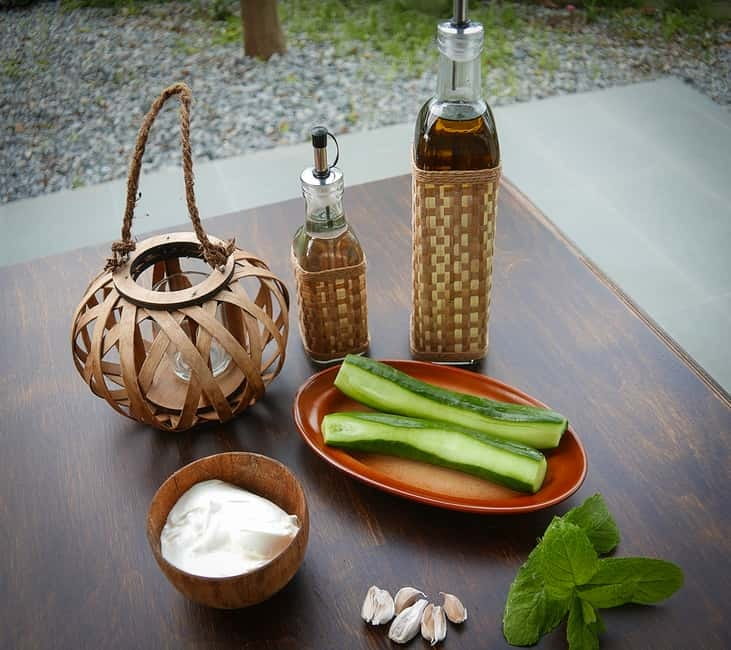
- Tzatziki (the classic yogurt dip)
- Greek salad (the familiar mix, done with Cretan flavor cues)
What I like here is that these are not complicated recipes, but they teach you what matters: salt, herbs, and especially the balance of acidity and olive oil. Dakos in particular is a great example of Cretan comfort food that still tastes fresh and punchy.
Main dishes: gemista and mousaka, built to eat slowly
For mains, expect Cretan staples like:
- Gemista (stuffed vine leaves, zucchini flowers, tomatoes, zucchini, and pepper)
- Moussaka
This is where the class becomes more than cooking lessons—it becomes a crash course in how Cretans think about meals. Gemista is about patience and filling; moussaka is about layering, seasoning, and getting the texture right so it holds together when you cut into it.
And yes, you’ll probably get advice that makes a difference later at home—like how generous you should be with olive oil, and how to judge doneness by look and smell rather than a strict timeline.
Dessert: pies with honey and cinnamon, plus ice cream
Dessert gets you out of the savory world and into the sweet-and-spiced Cretan lane. You may make:
- Tyropitakia (traditional cheese pies)
- Options that include local honey and cinnamon
- Homemade ice cream
- Seasonal fruit to finish
One of the best parts is that dessert here doesn’t feel like an afterthought. It’s treated like a final act of hospitality. The cheese pies are the kind of snack you understand immediately—creamy, lightly spiced, and meant for sharing.
The wood oven experience: why the oven matters
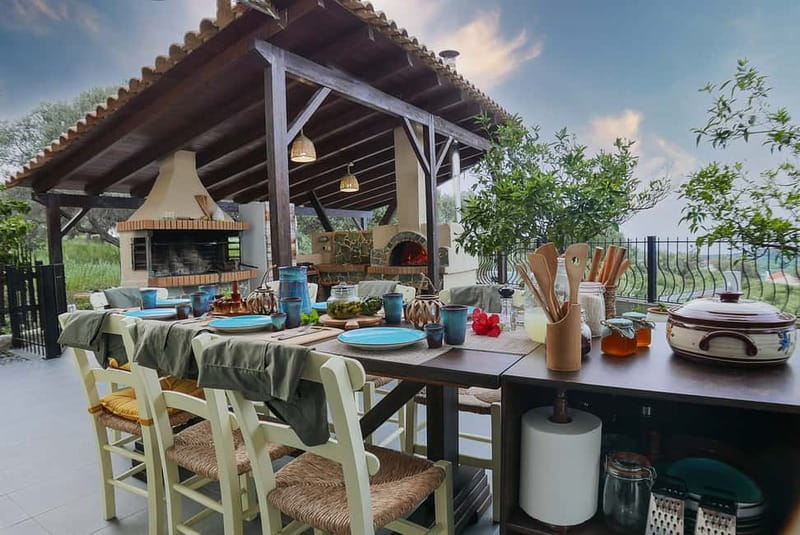
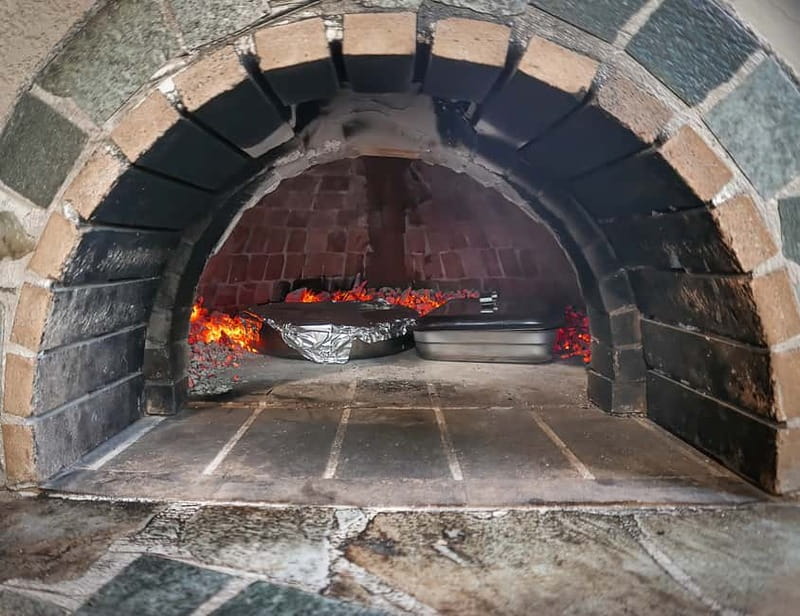
The traditional wood oven isn’t a gimmick. It changes the cooking rhythm, and it teaches you something you can actually use later: how heat behaves when it’s coming from flame and time, not a perfectly steady setting.
In a class like this, you’re usually doing the full arc: prep, assemble, then wait while the oven does its work. That wait is part of the learning. You’ll chat, eat starter bites, and keep your eyes on how the food transforms.
And because it’s a family-style setup, you’ll feel the difference between kitchen training and real life. People talk while they cook. They taste as they go. They adjust. It’s a workflow you can mimic when you cook at home, even if you don’t have a wood oven.
Drinks and the big meal: wine, raki, and homemade extras
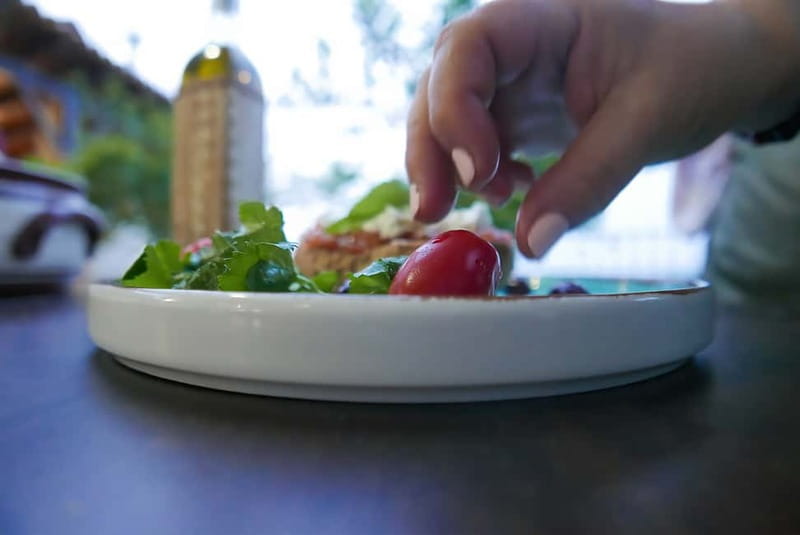
This is a food-forward experience. Local wine and raki are included, and raki shows up at the end as part of the celebration vibe. More than one person hints at this in their own way: plan for it, and don’t try to be in control of everything. It’s meant to be fun.
Beyond alcohol, you’ll be eating small bites and sipping throughout. You start with welcome drinks and local sweets. Then you move into the courses you cook together, and you’ll keep tasting along the way.
If you have a tendency to eat light while traveling, this is one of those activities where I’d set your other plans aside. You’ll likely leave satisfied enough that you’ll skip dinner later—or at least wish you had an easy evening booked.
Dietary needs: vegetarian and allergy-friendly by design
Good Cretan cooking can be flexible, and this class is set up to adjust. The menu can be adapted for vegetarian friends and for allergies.
If you have restrictions, the best move is to tell the host clearly ahead of time. With this kind of home cooking, the host can’t just swap ingredients at random—you’ll want guidance on what can and can’t be changed in each course. The good news is that this experience is explicitly built to handle adjustments, not ignore them.
Price and value: is $116 worth it?
At $116 per person for about 3.5 hours, the value isn’t just the recipes. You’re paying for a full meal experience built around real Cretan ingredients, hands-on instruction, and included drinks.
Here’s why that price can make sense:
- You’re served a starter, main, and dessert that you helped make
- You get local wine and raki, plus welcome drinks and bites
- You’re cooking with fresh ingredients tied to the host’s farm or local farmers
- You’re learning a process you can repeat, not just taking photos
If you compare this to a cooking class that’s mostly demonstration, or a restaurant where you pay for food only, this feels like more complete value. It’s also a good trade for your time: you get a genuine cultural meal in a few hours, and you’ll leave knowing what to do next time you cook Cretan food.
What to expect timing-wise (and where you’ll spend your energy)
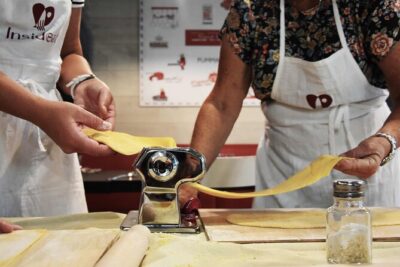
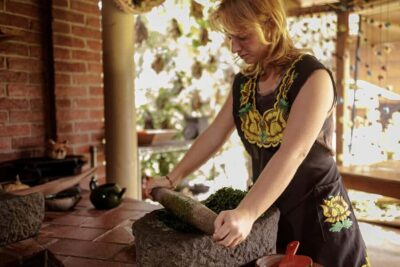
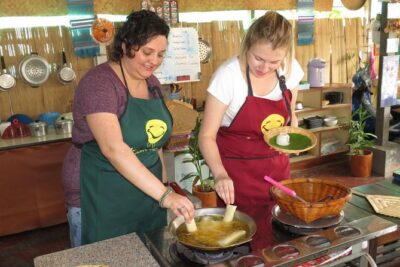
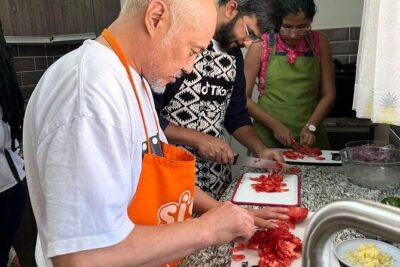
You’ll spend the first part of the experience getting settled, meeting others, and starting with welcome bites and drinks. Then you’ll rotate into hands-on prep: chopping, mixing, assembling, and learning how the host guides the process.
As the courses build, you’ll move from lighter tasks (like salads and dips) into more time-consuming work (like stuffing and layering). Desserts bring the pace back down, which is nice because you’ll already be full.
The overall feel is relaxed. You’re not being pushed through stations like a factory line. People chat while they cook, and you’ll get plenty of chances to ask questions and learn technique instead of just collecting steps.
Who this class suits best (and who should think twice)
This works especially well if you:
- Want hands-on cooking, even if you’re not a confident cook
- Love Cretan food and want a menu with variety
- Travel with family members or friends who enjoy shared activities
- Want a local home experience more than a tourist-style dinner
It may be less ideal if:
- You hate alcohol and don’t want to include raki in the experience
- You want a quiet, strictly instructional class with no group energy
The best version of this experience is participatory. You should be ready to roll up your sleeves and taste as you go.
Practical tips so you get the most out of the day
A few small moves will make a big difference.
- Come hungry. This is consistently the advice that keeps showing up. You’ll be eating multiple courses and you’ll likely start with bites before your cooking even begins.
- Plan for raki. Pace yourself and don’t schedule anything intense right after.
- Tell them your dietary needs clearly. If you’re vegetarian or have allergies, say so early so they can plan the right menu.
- Wear clothes you can get food on. You’ll be cooking, so protect your outfit.
- Ask about technique, not just ingredients. The best “take home” skill is learning how the host judges seasoning, texture, and timing.
If you do these things, you’ll leave with more than recipes. You’ll leave with confidence.
Should you book Chrysoula’s Cretan Home Cooking lessons?
If you want an actual Cretan meal experience—where you cook, learn, eat, and share a home setting—this is an easy yes. I’d book it if your travel style includes food you can taste, talk, and recreate later.
I’d only think twice if you’re seeking something ultra-fast, strictly hands-off, or alcohol-free. Otherwise, this class offers strong value: a full menu, real local ingredients, wood-oven cooking, and the kind of hospitality that makes you feel part of the table.
FAQ
What is the duration of the cooking class?
The cooking lessons last 3.5 hours.
What dishes are included in the class?
You’ll learn and cook a menu that includes a starter, a main dish, and a dessert. The experience may include items like dakos and tzatziki for starters, gemista and moussaka for the main, and tyropitakia plus other desserts.
Are vegetarian and allergy requests possible?
Yes. The menu can be adapted for vegetarian friends and for allergies.
Are drinks included?
Yes. Local wine and raki are included, along with welcome drinks such as Greek coffee or herbal tea and homemade lemonade.
Is the class taught in English?
Yes. The host or greeter is English.
How much does it cost?
The price is $116 per person.
Is it wheelchair accessible?
Yes, the activity is listed as wheelchair accessible.