REVIEW · SEOUL
Vegan Korean Food Cooking Class: Gimbap, Sundubu Jjigae, and more
Book on Viator →Operated by Tofu Artist · Bookable on Viator
Roll gimbap and cook jjigae, all vegan.
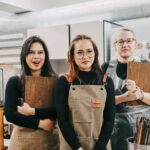
This is a small-group, hands-on workshop in Itaewon-dong that I really like for two reasons: you get real practice making Korean food with tofu, and the instructor Soomin guides you with clear step-by-step explanations as you build each dish.
The one catch to plan for is the location setup. You’ll be on the 3rd floor with no elevator, so if stairs are an issue, factor that in before you go.
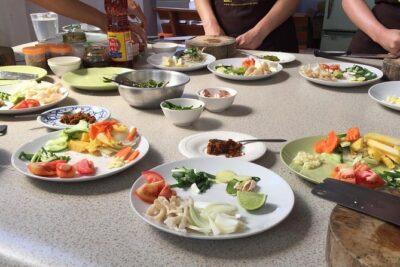
What makes it especially smart for a first-timer is that it’s not just watching. You cook multiple dishes (enough to leave full), learn what ingredients do in Korean cooking, and end up with a meal you can actually understand and repeat later.
In This Review
- Key highlights you’ll care about
- Why this vegan cooking class works in Seoul
- The menu: gimbap, sundubu-jjigae, biji-jeon, and hwa-jeon
- What you’ll learn from that variety
- Meeting at Itaewon-dong: location basics you shouldn’t ignore
- Step-by-step gimbap: rolling technique you can repeat
- The value of learning structure
- Sundubu-jjigae from scratch: tofu comfort in a hot bowl
- Why this dish is a smart vegan anchor
- Biji-jeon soy pulp pancakes: learning with a cooking pan
- What you’re really practicing
- Hwa-jeon with edible flowers: the show-and-tell finale
- Why this matters for your food memory
- The meal experience: eating what you make
- Price and value: is $75 worth it?
- Dietary fit: vegan, vegetarian, and gluten-free on request
- Who should book this class
- Should you book this vegan Korean cooking class in Seoul?
- FAQ
- What dishes will I cook in this class?
- How long is the cooking class?
- Where is the meeting point?
- What time does the class start?
- Is this class fully vegan?
- Can I request gluten-free options?
- How big is the group?
- Is there an elevator in the meeting location?
- Do I get a mobile ticket?
- Is there a cancellation window for a full refund?
Key highlights you’ll care about
- Max group size of 4 so you get hands-on attention instead of standing on the edge
- Tofu-forward Korean cooking that shows how flexible it is in everyday comfort food
- A full meal format across gimbap, sundubu-jjigae, biji-jeon, and hwa-jeon
- Seasonal edible flowers used in the final dessert-style rice dough shaping
- Muslim-friendly options and gluten-free on request (ask when you book)
- Soomin’s clear pacing with ingredient and tradition context while you cook
Why this vegan cooking class works in Seoul
Seoul is full of food choices, but finding a meal you can cook yourself that’s genuinely Korean and fully vegan can take time. This class hits the sweet spot: you learn how Korean flavors work through dishes that are practical, repeatable, and built around tofu. It’s also scheduled at 11:00 am, which makes it an easy anchor for your day. You can skip a big late breakfast and treat this as your core meal.
The format matters. With a maximum of 4 travelers, you’re not sharing attention with a big crowd. You’re in the rhythm of chopping, mixing, rolling, and cooking right alongside your instructor. That kind of active learning tends to stick, because you feel how the texture changes as you go.
And yes, this is designed for vegans and vegetarians. But it also makes sense for reducetarians or anyone who just wants a grounded introduction to Korean home cooking beyond meat-heavy stereotypes. You’ll come away with a better sense of how tofu and plant-based ingredients can handle Korean technique and flavor.
You can also read our reviews of more tours and experiences in Seoul.
The menu: gimbap, sundubu-jjigae, biji-jeon, and hwa-jeon

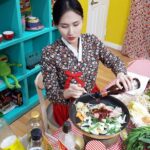
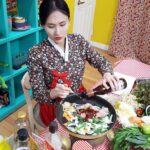
You’re making a set of dishes that cover different Korean cooking styles, not just one “theme” recipe. The class includes:
- Gimbap: assemble and roll
- Sundubu-jjigae: cook from scratch
- Biji-jeon: soy pulp pancakes, with cooking and finishing
- Hwa-jeon: shape and cook glutinous rice dough, topped with seasonal edible flowers
That spread is what makes the workshop feel like a full Korean meal rather than a single appetizer class. You’ll work with savory staples like rolling and simmering, then switch gears to pan-cooking pancakes, and end with a dessert-like, flower-decorated preparation.
What you’ll learn from that variety
Korean cooking is as much about technique and texture as it is about taste. This class forces you to practice different textures on purpose:
- gimbap teaches you structure and rolling
- sundubu-jjigae teaches you how to build a comforting, hot bowl from ingredients
- biji-jeon teaches how soy pulp behaves when pan-cooked
- hwa-jeon teaches shaping and presentation with an edible garnish
Even if you’re not trying to cook Korean food every week, this kind of hands-on contrast helps you understand what makes each dish itself, not just what goes into it.
Meeting at Itaewon-dong: location basics you shouldn’t ignore

The workshop meets in Itaewon-dong, Yongsan District, and it’s tied to the area people associate with food streets. It’s also near public transportation, which helps a lot in Seoul.
Two practical notes:
- There’s a 3rd floor space, and there’s no elevator. If you’re traveling with a heavy bag or mobility needs, plan for stairs.
- The activity ends back at the meeting point, so you don’t have to figure out a second location after the class.
You’ll use a mobile ticket, so make sure your phone battery is healthy. This seems minor, but it can save you stress on a day that already includes cooking and moving around.
Step-by-step gimbap: rolling technique you can repeat
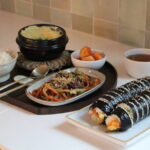
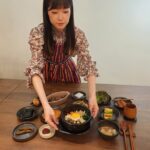
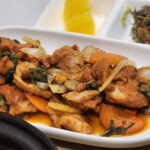
Gimbap is often described as Korean comfort food you can carry. In this workshop, you don’t just learn that idea. You actually build the rolls. You’ll assemble the ingredients and then roll gimbap during the class.
What I like about starting with gimbap is that it gives you an early win. Rolling is tactile. You can immediately feel what the right grip and pressure look like when you’re working. And once you’ve rolled at least one tight, neat piece, you start understanding why gimbap holds together the way it does.
The value of learning structure
Most people try to eat gimbap in the city and never think about the engineering. But rolling teaches you:
- how layers distribute
- how to keep the roll firm without crushing it
- how to think in slices, not just ingredients
It’s the kind of skill that travels well. After the class, if you want a quick vegan lunch at home, gimbap becomes a template rather than a mysterious dish you can only buy.
Sundubu-jjigae from scratch: tofu comfort in a hot bowl
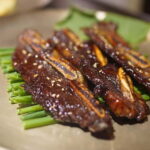
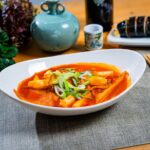
Next comes sundubu-jjigae, and you’ll cook it from scratch. This matters, because sundubu-jjigae is one of those dishes people assume comes from a special sauce or only works with a meat base. Here, you learn how tofu and other components create the comforting bowl you’re looking for.
Sundubu-jjigae is also a great dish to practice because the “finish line” is clear: you want it hot, fragrant, and ready to serve. Cooking from scratch means you see how the different parts work together rather than relying on an instant shortcut.
Why this dish is a smart vegan anchor
If you only take one Korean lesson home, I think it should be this kind of soup logic: heat, texture, and ingredient balance. Tofu is the star, but the real takeaway is how tofu becomes part of the dish’s texture when it meets hot preparation. That’s a transferable idea for other tofu soups and stews you might try later.
Biji-jeon soy pulp pancakes: learning with a cooking pan
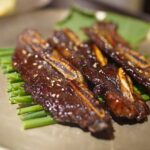
Then you move to biji-jeon, described here as soy pulp pancakes. You’ll prepare and cook them during the class.
These are an important inclusion because they show another side of tofu-derived ingredients. Instead of focusing only on tofu in soups, biji-jeon helps you see how soy pulp can become something pancake-like, pan-ready, and satisfying. For many people, it’s a turning point in how they think about plant-based Korean cooking.
What you’re really practicing
Pancakes teach you temperature awareness and handling:
- when the pan is ready
- how batter or mixture behaves as it cooks
- how to keep shape while cooking through
Even if you don’t remember every ingredient later, you’ll remember the feel of the cooking process. That’s the kind of skill that makes you confident when you cook again.
Hwa-jeon with edible flowers: the show-and-tell finale
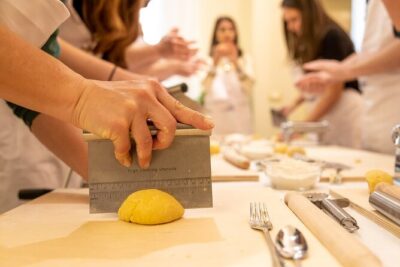
The last dish is hwa-jeon. You’ll shape and cook glutinous rice dough and decorate it with seasonal edible flowers.
This part is special because it mixes technique with presentation. Shaping glutinous dough is different from rolling gimbap or simmering soup. It asks for patience and a light touch, since glutinous textures can be forgiving in small ways but also need care.
Then there are the edible flowers. Using seasonal flowers turns the class into more than just flavor training. It becomes a visual lesson in how Korean sweets and decorative foods are meant to look as good as they taste.
Why this matters for your food memory
You’ll remember the dishes in three ways:
- how they smell while cooking
- how the textures feel as you work with them
- how they look when served
Hwa-jeon hits all three, so it’s a strong ending. It also gives you something to bring up when you’re exploring Korea afterward, because you’ll start noticing how often food is presented with intention.
The meal experience: eating what you make
This workshop is built around hands-on cooking and then enjoying what you’ve made. The class is described as providing a full Korean vegan meal experience, and the goal is that you leave with dishes you can eat and understand.
A small piece of practical advice from how people plan their day: consider bringing a box for leftovers, or plan to skip breakfast so you’re genuinely hungry by 11:00 am. The dishes are substantial enough that you’ll likely want the option to take some with you.
Also, the class is hosted as a warm, guided experience. In past sessions, people have praised how Soomin explains ingredients and processes clearly with step-by-step instructions, and how she shares useful tips about vegan food in Seoul. That matters because the class doesn’t end at recipes. You get direction for what to look for when you’re eating outside the kitchen.
Price and value: is $75 worth it?
At $75 per person for about 2 hours 30 minutes, this can feel like a splurge if you’re comparing it to buying street food. But cooking classes work differently. You’re paying for:
- ingredient time and prep
- coaching in technique (rolling, simmering, pan-cooking, shaping)
- a small-group format with max 4 travelers
- a multi-dish meal that you help create
The value gets even better if you’re new to vegan Korean cooking. Instead of spending money on trial-and-error dinners, you invest in skill. I also like that it’s not a one-off gimmick dish. You make a set of classics—gimbap and sundubu-jjigae especially—so you can connect the class learning to what you’ll see on Seoul menus.
If you’re the kind of traveler who learns by doing, this price makes sense. If you only want food you can buy quickly with no cooking time, you might feel it’s more expensive than you need. But for skill-building, it’s a fair deal.
Dietary fit: vegan, vegetarian, and gluten-free on request
The class is positioned as vegan and vegetarian-friendly, with notes that it’s also reducetarian and Muslim-friendly. It also mentions gluten-free on request.
Here’s the practical way to think about that: if you have dietary needs, don’t wait until the last moment. Send your request clearly when you book so they can prepare properly. Since the class is small (max 4), the host can plan adjustments better than large-scale operations.
If you’re gluten-free, you’ll want to confirm what gluten-free means for each dish. The information says gluten-free is available on request, but it doesn’t spell out which components are adjusted. Asking up front is the best way to keep things comfortable.
Who should book this class
This workshop is a great match if:
- you’re vegan or vegetarian and want a real Korean meal you cook yourself
- you’re curious about tofu but want to see how it behaves across multiple dishes
- you’re new to Korean cooking and want a guided introduction
- you prefer small groups and clear instruction
- you’re visiting Seoul and want practical tips for finding vegan food beyond the class
If you’re an experienced cook, you may still enjoy it because the dishes are Korean classics and the instructor’s explanations can help you tweak your technique. But if you’re looking for deep advanced culinary training, this is more likely to feel like a friendly, skill-focused starter workshop than a high-level professional kitchen session.
Should you book this vegan Korean cooking class in Seoul?
I think you should book it if you want more than a meal. You want a guided path into Korean flavors, texture, and presentation, using tofu as the foundation. The combination of multiple dishes, small group size, and Soomin’s step-by-step coaching is exactly what makes this kind of class memorable.
Skip it only if you dislike cooking, hate stairs (since it’s a 3rd-floor space with no elevator), or you only want food without any hands-on time. Otherwise, this is a smart way to spend part of your day in Seoul: you learn, you eat, and you leave with skills you can actually use again.
FAQ
What dishes will I cook in this class?
You’ll cook and prepare vegan Korean favorites including gimbap, sundubu-jjigae (made from scratch), biji-jeon (soy pulp pancakes), and hwa-jeon (glutinous rice dough shaped and topped with seasonal edible flowers).
How long is the cooking class?
The class runs for about 2 hours 30 minutes.
Where is the meeting point?
The meeting point is Itaewon-dong, Yongsan District, Seoul, South Korea. The activity ends back at the same meeting point.
What time does the class start?
The start time is 11:00 am.
Is this class fully vegan?
Yes. The workshop is described as a Korean vegan cooking workshop, and the dishes you make are presented as vegan.
Can I request gluten-free options?
Gluten-free is available on request. You should request it when booking.
How big is the group?
The maximum group size is 4 travelers.
Is there an elevator in the meeting location?
No elevator is available, and you’ll be on the 3rd floor.
Do I get a mobile ticket?
Yes, it includes a mobile ticket.
Is there a cancellation window for a full refund?
Free cancellation is available, and you can cancel up to 24 hours in advance for a full refund. Cancellation cut-off is based on local time.