REVIEW · NEW DELHI
New Delhi: Traditional Indian Cooking Class & Market Visit
Book on GetYourGuide →Operated by Curry Craft Kitchen Studio · Bookable on GetYourGuide
Spices, markets, and a real Delhi home in three hours. I love the market-to-kitchen flow with Lubna, because you get your bearings fast and learn what goes into the food before you even turn on the stove. The other thing I really like: the class is built around spices and techniques, not just copying recipes.
One watch-out: there’s no hotel pickup, and you may have a few out-of-pocket costs for metro, rides, or anything extra you decide to buy at the market.
In This Review
- Key Highlights You Should Care About
- Finding Lubna’s Home Near Ashram Metro
- The Market Visit: Where Indian Cooking Actually Starts
- Tea Welcome and a Haveli-Style Kitchen Setup
- How Lubna Teaches Spices That You Can Recreate at Home
- The Cooking Session: Three Main Dishes Plus Breads and Rice
- What your menu might look like
- The bread portion is a quiet highlight
- Dining at the Family Table: Food Meets People
- Timing and Options: 11 AM or 4 PM, Plus a Note on Breakfast
- Price: Is $43 for 3 Hours a Fair Deal?
- Who This Class Fits Best (and Who Might Want Something Else)
- How to Make the Most of Your Class
- Should You Book This Cooking Class in New Delhi?
- FAQ
- How long is the cooking class and market experience?
- What time does the class start?
- Is the market visit included?
- Does the class include ingredients and the meal?
- What can I cook during the class?
- Is the instruction available in English?
- Do I need to arrange transportation to the meeting point?
- Can Lubna tailor the menu for dietary needs?
Key Highlights You Should Care About
- Market visit close to the action: a short trip away from the usual tourist stops, focused on real groceries and spices
- Chai before you cook: a warm welcome sets the pace and makes it feel like visiting someone’s kitchen
- Spice mixing and flavor logic: you learn how spices shape aroma and taste, so you can adapt at home
- You cook a full meal: 3 main dishes plus breads and a rice dish, then you eat what you make
- Diet tweaks are possible: Lubna adapts her mother-in-law recipes to different needs when you explain them
Finding Lubna’s Home Near Ashram Metro
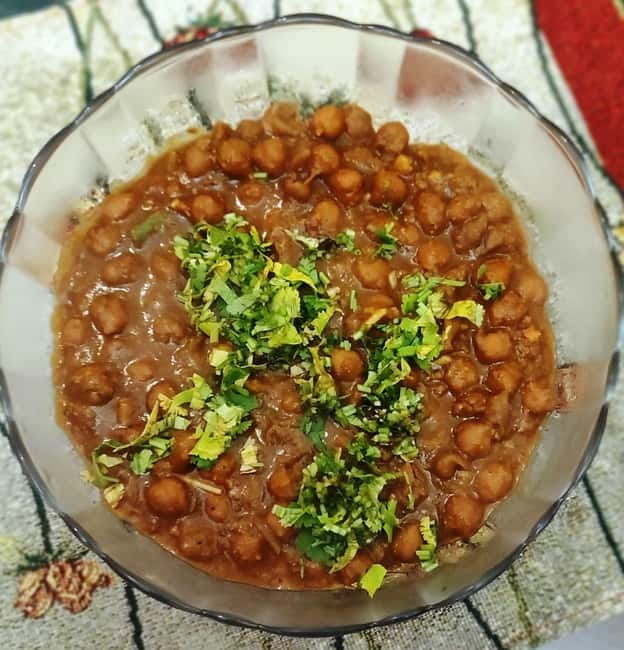
Your experience starts in South Delhi, and the meeting point is specific (which I appreciate). Get directions to A-6 Friends Colony East, New Delhi 110065, then plan for a quick walk.
Look for these simple clues: the home is behind the HP petrol pump, about a 3-minute walk from Ashram metro station (Gate No. 3), on a quiet dead-end street. From the outside, you’re aiming for a house with a red slanted roof and white walls. If you like to stay calm, do yourself a favor and give your location a couple of minutes of buffer. Delhi is easy once you’re there, but finding the exact house is less about distance and more about precision.
You can also read our reviews of more tours and experiences in New Delhi.

The Market Visit: Where Indian Cooking Actually Starts
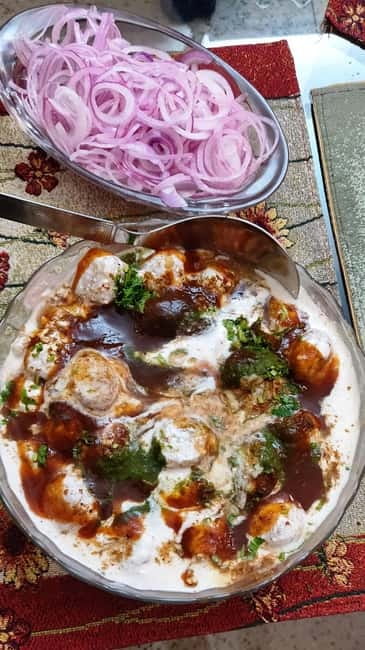
The market trip is a big part of why this class feels practical. You’ll head to a local market about a 10-minute ride from the standard tourist circuit, which matters because you’re shopping like locals rather than browsing for souvenirs.
What you’re looking for is the ingredients behind the flavors: fresh produce, fragrant spices, and the color range that shows up in Indian food. Some people even get to try street food if stalls are open, but don’t count on it every day. The core value is that Lubna can point out what to buy and why, then connect it to what you cook later.
Here’s what I think you’ll remember most: you stop treating spices as magic powder and start treating them as tools. In a typical Indian meal, spices have jobs—heat, warmth, aroma, body, and that toasted, cooked-in depth. Once you see how people package and use them in the market, everything in the kitchen makes more sense.
Also, you’ll likely head back to the house with the right ingredients in hand, instead of relying on whatever is sitting in your home-country grocery aisle.
Tea Welcome and a Haveli-Style Kitchen Setup
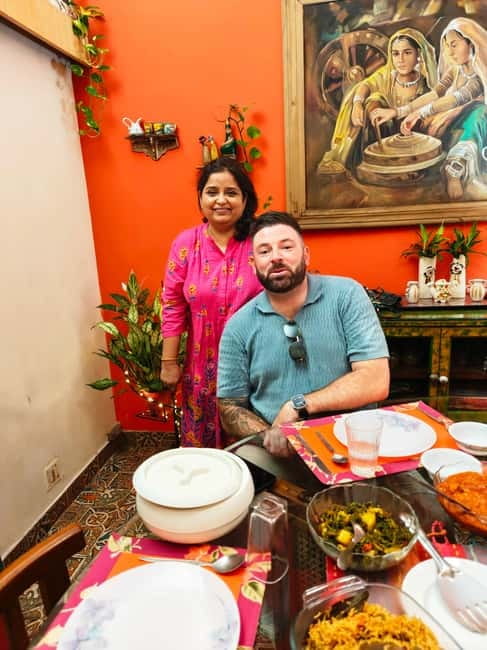
After the market, you’ll be welcomed with steaming chai. It’s not a gimmick; it’s a signal that the mood is relaxed and social, like you’re stepping into someone’s day.
Lubna’s home is set up for hosting, and it has the feel of a traditional haveli built in 1974, with greenery that makes the space comfortable rather than sterile. The kitchen environment is where you learn to do the real work: prepping, using spices correctly, and timing everything so the meal lands together.
You cook with an English-speaking hostess/instructor, and the group is private. That’s a quiet advantage. It means you can ask questions as you work, instead of waiting your turn while someone else gets coached.
How Lubna Teaches Spices That You Can Recreate at Home
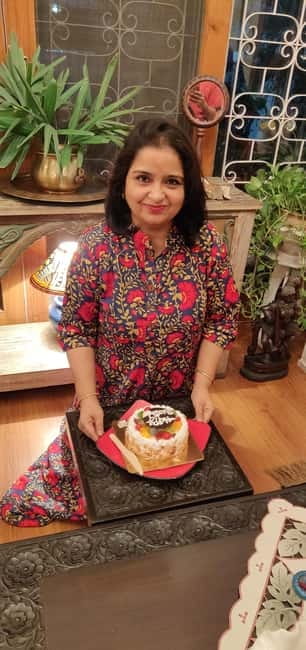
This is one of the most praised parts of the experience, and it’s the reason the class goes beyond a one-off meal. Lubna focuses on how spices change taste and aroma as they’re cooked—not just what spice goes into what dish.
You’ll learn the logic behind spice blends and the subtle moves that make Indian cooking feel complete. Based on the way the class is described, you’ll also pick up practical handling tips, like how different spices behave when heated, and how combinations can shift a dish from flat to fragrant.
A few examples from the kinds of dishes people have made here: you might learn kebab technique (including both vegetarian and chicken options), pick up bread-making ideas for your own kitchen, and practice snack-style frying or frying-adjacent methods like pakora-style preparation. Even if your menu differs day to day, the teaching approach stays consistent: flavor first, technique second, and then plate it.
If you’re the type who likes to cook later, this matters. When you understand the spice jobs, you can swap ingredients and still get close to the original result.
The Cooking Session: Three Main Dishes Plus Breads and Rice
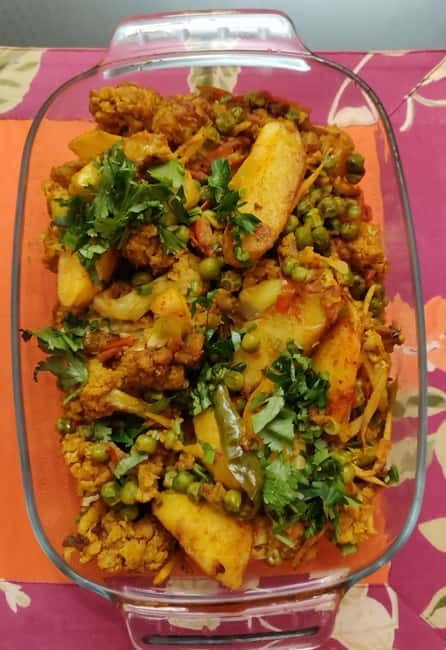
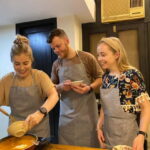
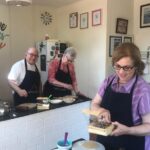
The heart of the class is the meal itself. You’ll prepare three main dishes, plus three bread types and one rice dish, and you eat everything you cook.
One reason this feels like good value is simple: you’re not watching food happen. You’re actively making it, then eating it right away. For many visitors, it’s their first Indian cooking class, but the structure is clear enough that people without experience still do well.

What your menu might look like
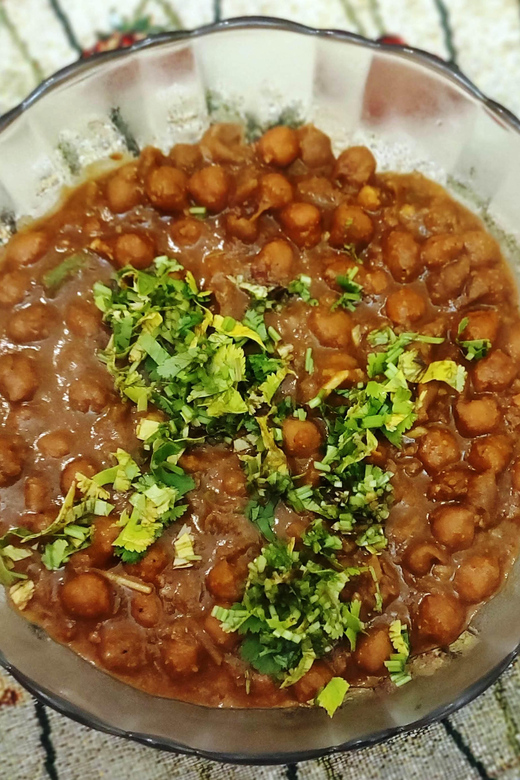
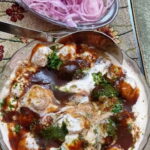
The exact menu can be tailored based on your preferences, and Lubna encourages you to share what you want to learn. Typical dish possibilities mentioned include:
- Rogan Josh
- Kebabs (veg and chicken options appear depending on what you pick)
- Bread pakora and samosas as snack-style items
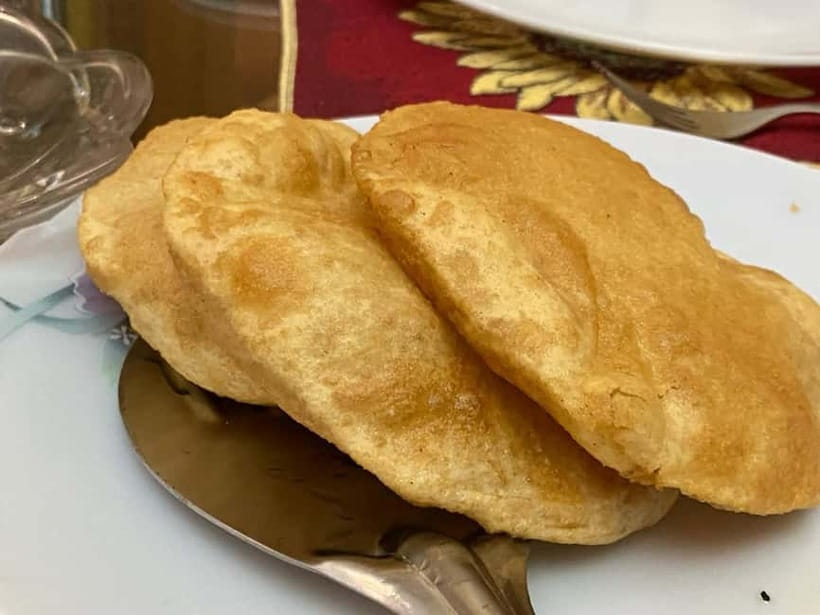
- Poora and aloo chaat for a breakfast-leaning or snack-leaning experience
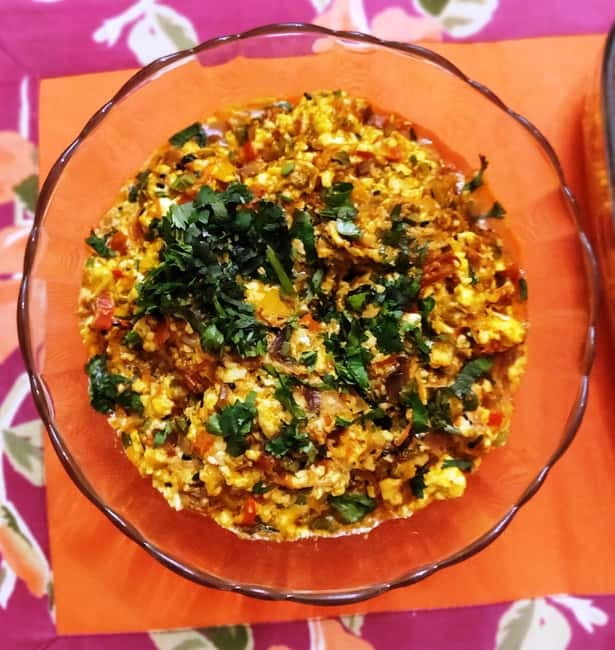
- Chicken biriani and paneer masala
- Chapaties and other bread-focused parts of the meal
- Some sessions also include raita-style elements like paneer makhani raita
Your class is built to cover the spectrum, from spiced mains to breads and rice. That gives you a full set of “wins” for taking home, not just one dish you might only cook once.
The bread portion is a quiet highlight
Three bread types can sound like a lot until you realize it’s exactly the kind of skill that travels well. Bread is where technique and timing show up immediately. If you learn just one bread method you can repeat, you’ll feel the class long after you leave Delhi.
Dining at the Family Table: Food Meets People
Once the dishes are ready, you sit down and eat what you made. You might share the family table with Lubna’s husband or other family members if they join in.
That social piece is more than nice hospitality. It’s a way to see how home cooking actually functions: talking while food finishes, helping each other, and eating at a pace that isn’t rushed. For food-focused travelers, it also makes it easier to ask follow-up questions about spice blends, substitutions, and serving ideas.
Several people describe the meal as comfortable and the conversation as bright and welcoming. That matches what you’re aiming for: you come for cooking, but you leave with a better feel for daily life in Delhi, not just a recipe list.
Timing and Options: 11 AM or 4 PM, Plus a Note on Breakfast
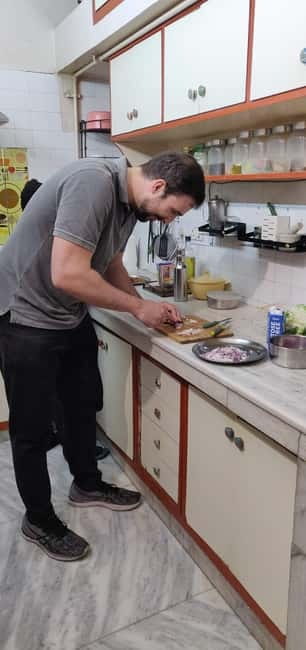
The class starts either at 11:00 am or 4:00 pm. That matters because you’re also fitting a market visit into the schedule, so it’s not one of those classes that drifts whenever the kitchen is ready.
There’s also a breakfast-making option. If you choose breakfast-making, the market visit wouldn’t be possible with that option. If you want both bread-skills and market-shopping, it’s worth messaging Lubna to see what can be adjusted when you book your 11 AM tour, or ask if you prefer snack items only.
Price: Is $43 for 3 Hours a Fair Deal?
At $43 per person for 3 hours, this class is priced like an experience where you’re supposed to actually participate, not just stand and watch. Here’s the value math that makes sense:
- You get a market visit focused on ingredients
- You cook 3 main dishes, 3 bread types, and 1 rice dish
- All ingredients are included
- You eat the meal you cook
- You also get English instruction plus tea/water
The only part you shouldn’t ignore: out-of-pocket extras are not included. That can mean metro costs, ride-hailing, or additional snacks you might want at the market. But compared to a meal plus a guided shopping trip plus hands-on cooking, it’s still a solid deal—especially if you’ve been craving more than the standard Indian-food tasting circuit.
For me, the best indicator is that people leave with skills they can repeat. If you’re hoping to come home with techniques (spice logic, bread methods, and basic dish construction), this is the kind of class that supports that goal.
Who This Class Fits Best (and Who Might Want Something Else)
This is a great fit if you want:
- Hands-on Indian cooking skills, not just a food tour
- A market visit that helps you understand ingredients
- A relaxed home setting where you can ask questions
- A full meal outcome (mains, breads, rice) in one session
You might reconsider if:
- You strongly prefer guided city sights or long sightseeing time over kitchen time
- You don’t want any independent travel for meeting and returning (there’s no hotel pickup)
- You’re only interested in one tiny specialty dish, because the format is meal-focused
Also, because dietary needs can be discussed in advance, you’ll want to share what you can and can’t eat early. Lubna has experience adapting recipes to different requirements when given clear guidance.
How to Make the Most of Your Class
A few practical moves help you get better results and feel more confident in the kitchen:
- Message Lubna with your preferences by WhatsApp after booking, so the menu fits what you want to learn
- If you have dietary needs, say them clearly. Lubna adapts recipes based on the requirements you share
- Go to the market with open eyes. Even if a spice feels unfamiliar, ask what it’s doing in the dish
- Don’t rush the bread part. That’s where technique and timing matter most
And if you have extra time in Delhi, take a short walk in the neighborhood around the home. It’s described as off the tourist track, which is exactly where you’ll feel the city in a less staged way.
Should You Book This Cooking Class in New Delhi?
Book it if you want a real home-cooked Indian meal with actual cooking practice, and you care about learning why dishes taste the way they do. The combination of a nearby market, a chai welcome, spice-and-technique instruction, and a full set of dishes you eat right after is hard to beat for the price.
Skip it only if you want a classic sightseeing tour, or if you’re unwilling to handle getting to and from the meeting point on your own. If you’re open to a calm, friendly kitchen day and you want skills you can repeat at home, this is a very strong pick for New Delhi.
FAQ
How long is the cooking class and market experience?
It runs for about 3 hours.
What time does the class start?
The class starts at either 11:00 am or 4:00 pm.
Is the market visit included?
Yes, the market visit is part of the regular class option. Breakfast-making is mentioned as an option where the market visit would not be possible.
Does the class include ingredients and the meal?
Yes. The tour includes all ingredients, and you eat the meal you prepare. Tea and water are also included.
What can I cook during the class?
You prepare 3 main dishes, 3 bread types, and 1 rice dish.
Is the instruction available in English?
Yes, the instructor speaks English.
Do I need to arrange transportation to the meeting point?
Hotel pickup and drop-off are not included, so you should plan your own way to the meeting point.
Can Lubna tailor the menu for dietary needs?
You can specify requirements (like vegetarian or other needs) and Lubna can adapt what you cook based on what you tell her.