REVIEW · NEW DELHI
New Delhi: Indian Cooking Class in a Local Home
Book on GetYourGuide →Operated by Explore Real India · Bookable on GetYourGuide
Your stomach gets the first lesson fast. This New Delhi cooking class happens inside JD and Bindra’s home, so you cook like you’re learning from family instead of a busy studio. I like that it’s a small group and you’re working with real spices, not just watching from a seat.
What I really liked: the class is built around understanding spices and timing, not memorizing steps. I also like the payoff—when you finish, you sit down and eat the meal you made, with tea and water included. One heads-up: the experience is in a local home, so it feels informal and hands-on (great for learning, but not “perfectly staged” like a restaurant).
In This Review
- Key reasons I’d put this on your Delhi list
- Stepping into JD and Bindra’s GK-1 home
- What you’ll cook in 2.5 hours (and what to expect from the pace)
- Spice lessons that actually change your food
- Main dish and curry technique: learning the steps, not just the recipe
- Rice dish that’s more than a side
- Breads: rolling, shaping, and learning the dough work
- Dessert and the final plate: rice pudding moments
- Eating together: the part that makes it more than cooking
- Language support: what this means for non-Hindi speakers
- Price and value: why $47 can feel like a steal (if you cook)
- Who should book this class?
- Practical tips before you go
- Should you book Indian cooking in a local Delhi home?
- FAQ
- Where is the meeting point?
- How long is the cooking class?
- How much does it cost?
- What group size should I expect?
- What languages are used during the class?
- What meal will I cook and eat?
- What’s included in the price?
- What is not included?
- Is the space air-conditioned, and are restrooms available?
- What’s the cancellation policy?
Key reasons I’d put this on your Delhi list
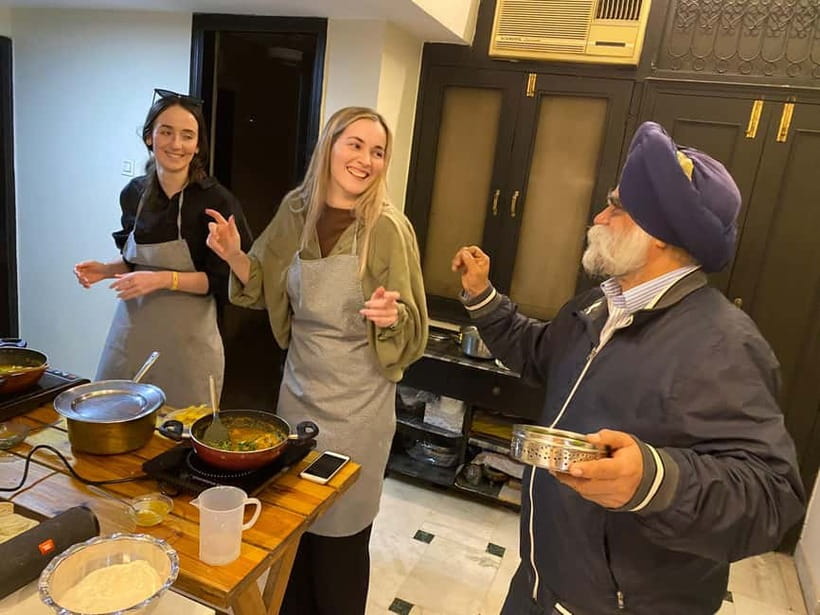
Hands-on cooking in a family kitchen in GK-1
Spice teaching that focuses on flavor timing and aroma
A full meal you can repeat at home (main, rice, breads, dessert)
Small group size, limited to 10 people
English plus Hindi and Punjabi support from the host
Air-conditioned space with restroom facilities
Stepping into JD and Bindra’s GK-1 home
This class starts with a simple idea: learn Indian cooking where people actually cook it day to day. You meet at R-142 GK-1 (Bindra’s House), and the setup is meant to get you into the kitchen quickly, with a separate entrance to help you skip the usual slow part.
Once you’re inside, you’re not just “a class participant.” You’re a guest in an everyday home environment, with JD as the main teacher and Bindra as part of the hosting team. The tone stays warm and practical, and the teaching is in English, with Hindi and Punjabi also available if you want extra clarity.
If you’re worried about learning style, don’t be. The instruction is built around doing the steps yourself and understanding why each step matters—especially with spices. And yes, the space is air-conditioned, with restroom facilities, so you’re not fighting the heat while you cook.
You can also read our reviews of more tours and experiences in New Delhi.


What you’ll cook in 2.5 hours (and what to expect from the pace)
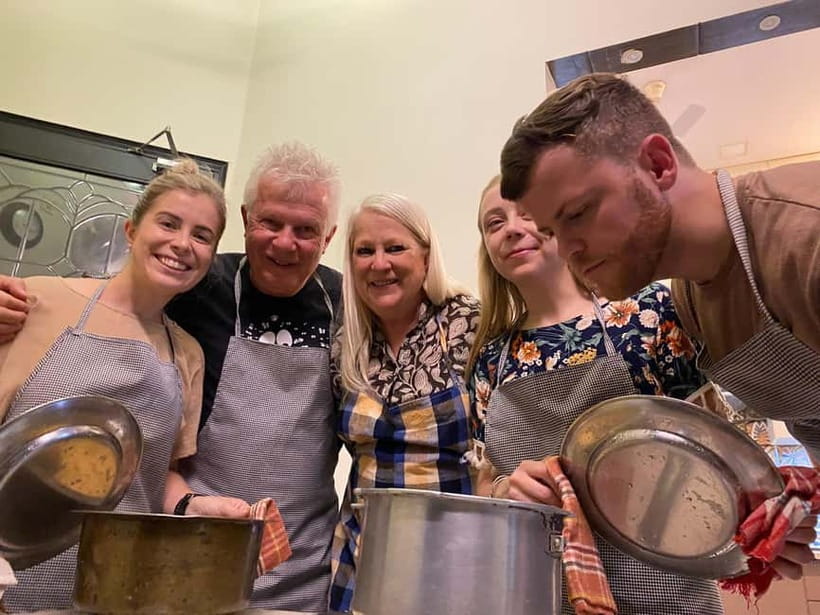
You’re in the kitchen for about 2.5 hours, which is a good length for busy travelers. It’s long enough to make real dishes, short enough that you won’t lose a whole evening to prep and cleanup.
The meal plan centers on a main dish, a rice dish, breads (the class includes multiple bread styles/versions that you make yourself), and a dessert. In practice, many sessions focus on classic curries and rice, plus several bread variations, and dessert often includes a rice pudding style dish.
Here’s how the timing usually feels once you start cooking:
- You’ll begin with spice and ingredient prep, then move into cooking steps for the main dish.
- At the same time, you’ll handle rice and bread tasks so the kitchen stays active but not chaotic.
- You’ll finish with dessert while the meal comes together, then you all sit down to eat.
A helpful detail: ingredients are set up ahead, so you’re not spending your time hunting for tools or waiting for the entire station to be prepared. That matters because the learning focus stays on technique, not logistics.
Spice lessons that actually change your food
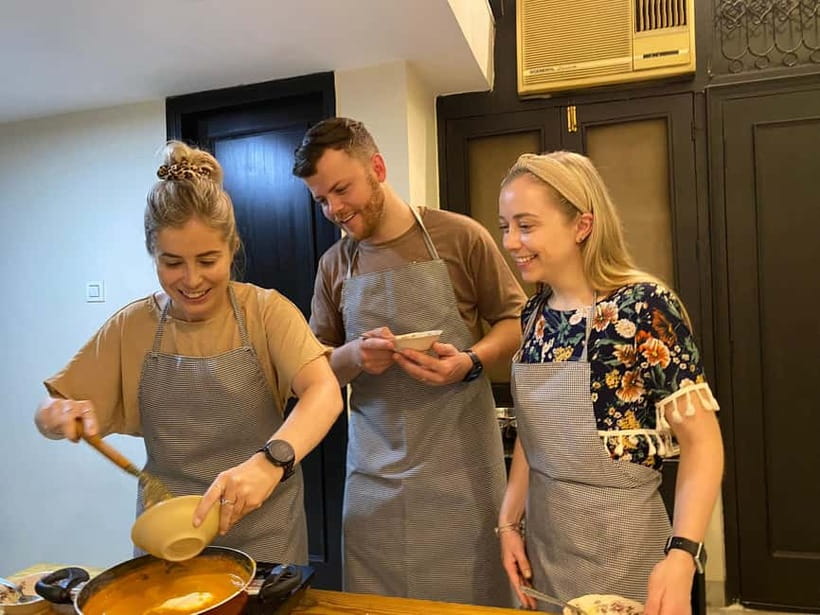
If Indian cooking feels intimidating, it’s usually because spices can seem like magic or math. Here, JD teaches spice flavor as a process, not a list.
You’ll learn how spices affect flavors and aromas as they’re added and cooked. That includes the idea that some spices do their best work early, when they bloom in hot oil or get cooked through, while other finishing additions can change the final taste in a noticeable way.
One of the most talked-about moments is the idea of adding certain spices at the end to boost the final flavor. You taste along the way, too, so you can feel the difference between earlier stages and the final punch. That single skill—timing spice additions—helps you recreate restaurant-style intensity at home.
And because you’re cooking in a real home kitchen, you also pick up the “how” behind everyday Indian cooking: which steps matter for texture, how to manage heat, and what to watch for so your sauces and breads don’t turn out flat.
Main dish and curry technique: learning the steps, not just the recipe
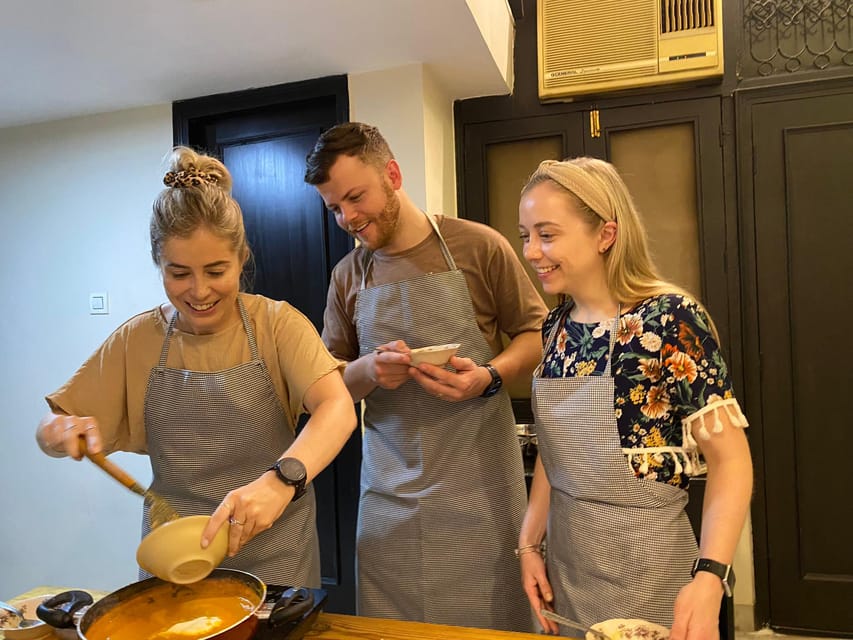
Your main dish is built in stages. That’s important because Indian curries often taste simple only after you’ve done the full sequence—building flavor, then balancing it through cooking time.
In many sessions, you’ll work with a chicken curry style dish (and you might see both vegetarian and non-vegetarian options depending on your group and what’s planned). You’ll learn the technique behind that curry process, from getting the base right to understanding how the final seasoning makes the biggest difference.
What I like about teaching like this is you don’t leave with a single “do this, then that” instruction. You leave with a method. You’ll know what the kitchen is trying to accomplish at each step—so if your ingredients are slightly different at home, you can still adjust.
Rice dish that’s more than a side
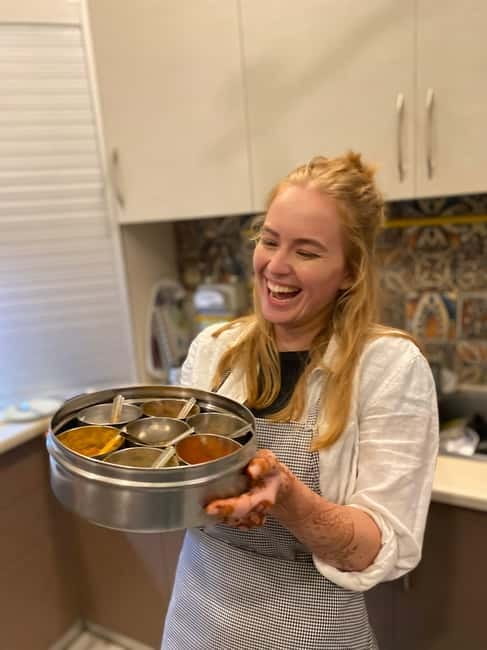
Rice often gets treated like filler. Here, rice is a real lesson.
The class includes a dedicated rice dish, and it’s taught as its own skill with its own flavor approach. Depending on the session, you might make something like lemon rice, and you may also see a dessert rice concept later in the class.
The learning point is that rice in Indian cooking can carry aroma, not just texture. When you learn how it’s flavored and timed, you stop thinking of rice as a passive starch and start using it as part of the overall plate.




Breads: rolling, shaping, and learning the dough work
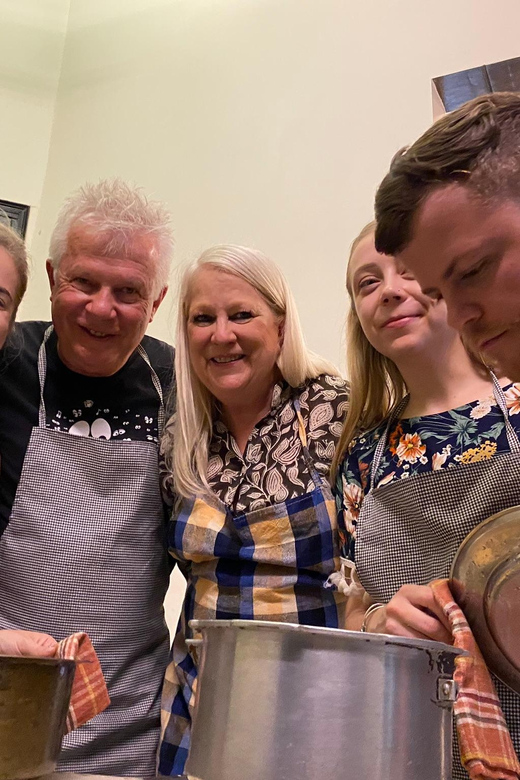
The bread portion is one of the best reasons to book this class. You don’t just eat bread—you work dough and do bread steps yourself.
The class includes multiple bread types/versions, and you’ll get hands-on practice with the technique behind them. That typically means learning how the dough behaves, how to roll or shape it, and what texture you’re aiming for.
For a lot of people, bread is where Indian cooking becomes real. It’s physical. It’s responsive. You can’t fake it. Once you make it once with guidance, you understand why good Indian bread has that soft-meets-structured quality.
And because the bread tasks happen alongside the curry and rice, you also learn how to keep your timing under control when multiple dishes are cooking at once.
Dessert and the final plate: rice pudding moments
Dessert wraps the class in a way that feels natural, not tacked on. The dessert included often leans toward rice pudding, with milk and rice cooked together until it turns creamy.
You’ll learn the technique behind that pudding-style dessert, including how to manage the heating and how the mixture changes as it cooks. Then, you get to taste the result as part of the full meal—not as a separate sugary event.
That matters. In many cooking classes, dessert is an afterthought. Here, dessert is part of the family meal rhythm.
Eating together: the part that makes it more than cooking
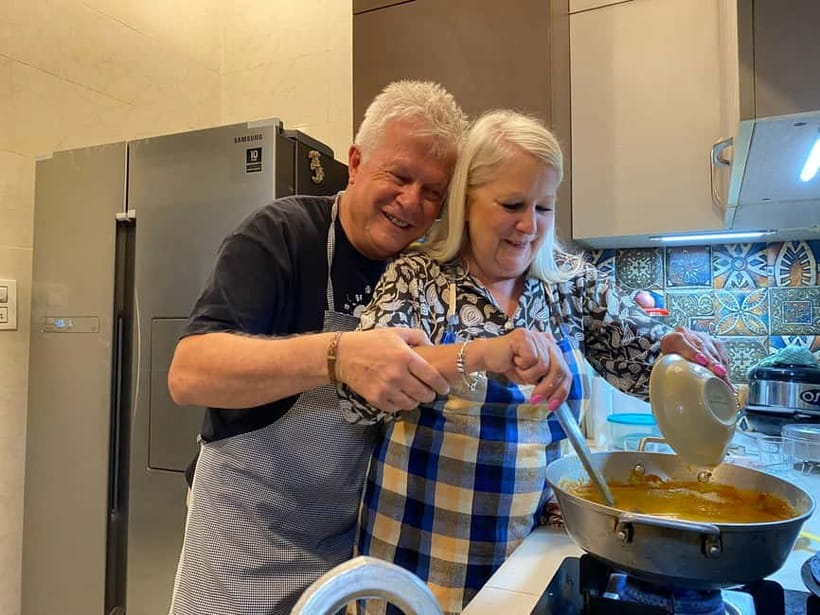
After the cooking, you sit down and eat the dishes you made as a group. This is where the experience turns into a real memory, because you can taste what you worked for and talk through what you learned.
The class also includes backstory and significance for the dishes you cook. You’ll hear the cultural context behind the food and get cultural insights during the meal, with conversation happening in a friendly, family way.
It’s a nice change from the purely practical classes that end the second you clean your station.
Language support: what this means for non-Hindi speakers
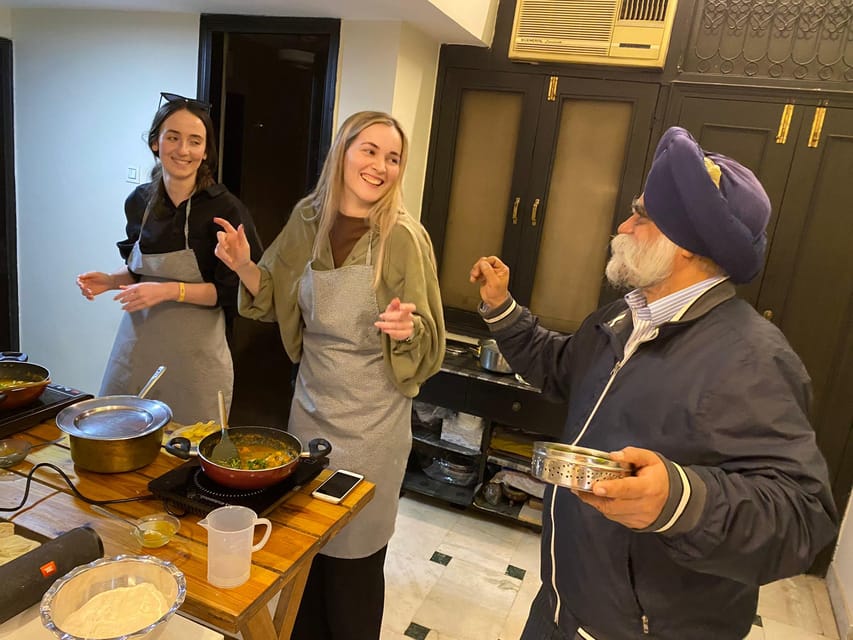
JD supports the class in English, and the experience also has Hindi and Punjabi language coverage. That means you can follow along even if your Hindi is rusty, but you can also catch extra explanations if you want them.
In a kitchen, small wording differences matter. Here, you’ll get clarifications when you need them, which is a big deal for learning spice timing and bread steps.
Price and value: why $47 can feel like a steal (if you cook)
At $47 per person for about 2.5 hours, this is priced like a budget-friendly “experience.” But it doesn’t behave like a cheap add-on.
You’re paying for:
- an English-friendly host teaching in a real home kitchen
- ingredients and all food included
- tea and water included
- a full meal outcome (main, rice, breads, dessert)
- recipes you can use after you return home
If your goal is to learn cooking you can repeat, this value is real. If your goal is only to eat, you might question it—Delhi has plenty of good restaurants. But if you want to leave with confidence and a method, you’re paying for skill, not just dinner.
Who should book this class?
This works especially well if:
- You’re in Delhi for a short time and want one high-impact food activity.
- You’ve eaten Indian food before but want to understand the spice logic behind it.
- You want a hands-on evening rather than a lecture or a watch-only experience.
- You like cultural conversation over awkward small talk.
It may be less ideal if:
- You want a formal, hotel-like cooking studio feel.
- You hate hands-on cooking tasks or prefer zero mess, zero standing, zero participation.
Practical tips before you go
A few things that will make your evening smoother.
First, plan around the home-meeting point. R-142 GK-1 is specific, so double-check directions so you’re not arriving flustered. Second, bring your curiosity about spices. The class is built to explain how spices act during cooking, so asking questions works.
Finally, come ready to taste and adjust. Indian cooking is flexible. Once you learn the timing idea behind spices, you’ll realize how easy it is to adapt at home.
Should you book Indian cooking in a local Delhi home?
Yes, if you want a real skill-based experience in a small group, with a full meal at the end. This is the kind of class that gives you spice timing you can actually use, plus bread technique that changes how you cook at home.
If you’re on the fence, think about one question: Do you want to eat Indian food, or do you want to learn how to make it? For $47 and 2.5 hours, this is one of the better options for people who want to bring Delhi cooking home with them.
FAQ
Where is the meeting point?
You’ll meet at R-142 GK-1, Bindra’s House in Delhi.
How long is the cooking class?
The class lasts 2.5 hours.
How much does it cost?
It costs $47 per person.
What group size should I expect?
It’s a small group, limited to 10 participants.
What languages are used during the class?
The live guide supports English, Hindi, and Punjabi.
What meal will I cook and eat?
You’ll prepare a complete Indian meal including a main dish, a rice dish, breads (multiple types/versions are included), and a dessert.
What’s included in the price?
The price includes the host, ingredients, and all food plus drinks like tea and water.
What is not included?
Personal expenses like metro tickets, Uber, and other small purchases are not included. Also not included are travel and medical insurance and emergency expenses.
Is the space air-conditioned, and are restrooms available?
Yes. The space is fully air-conditioned, and there are restroom facilities.
What’s the cancellation policy?
You can cancel up to 24 hours in advance for a full refund.