REVIEW · NEW DELHI
Online: Indian Food Cooking Class
Book on Viator →Operated by Indian Food Cooking Class · Bookable on Viator
One-pot aromas from your own kitchen can be a lot of fun. This online Indian food cooking class brings small-group instruction, shared recipe materials, and a simple path to making curry, rice, and chapattis at home. I especially like the personalized attention and the fact that you get a recipe handout you can use later, not just a one-time show. The one thing to watch is the timing: you need to tally for Indian Standard Time so you join at the right moment.
I also like how the class walks you through the hands-on basics, like kneading dough and rolling chapattis, not only the flavor side of Indian cooking. You’ll typically work toward a menu that can include chicken curry and Indian bread and rice, with vegetarian or vegan options available if you want them. The main drawback is that the class is only about two hours, so you’ll want to be ready to cook along right when the lesson starts.
Overall, this is a smart pick if you want real technique and good guidance without booking flights, and without having to guess your measurements from memory.
In This Review
- Key things I think you’ll care about
- Cooking From New Delhi, Without Leaving Your Kitchen
- What You Actually Cook: Curries, Chapattis, and Rice
- Shared Recipes and Ingredient Lists Make It Click
- Small-Group Attention: Why Up to 10 Matters
- Indian Standard Time: Don’t Miss the Start
- Price and Value: Is $30.53 Worth It?
- Meal at the End: Eating What You Made
- Who Should Book This Class?
- Should You Book Indian Food Cooking Class Online?
- FAQ
- Where does this online class start and end?
- What is the duration of the class?
- How much does the class cost?
- How many people are in a group?
- What should I know about the time schedule?
- What will we cook in the class?
- Can the menu be changed for dietary needs?
- Do I get recipes or ingredients lists?
- Is free cancellation available?
Key things I think you’ll care about
- Small group up to 10 means you’re more likely to get direct help when you get stuck.
- Recipes and ingredient lists shared so you can prep ahead and cook with less stress.
- Technique focus includes kneading dough and rolling chapattis, not just assembling a plate.
- Indian Standard Time is required for the scheduled start, so double-check your local conversion.
- Menu can be customized for vegetarian or vegan cooking.
- Take-home recipe helps you repeat the results in your own kitchen later.
Cooking From New Delhi, Without Leaving Your Kitchen
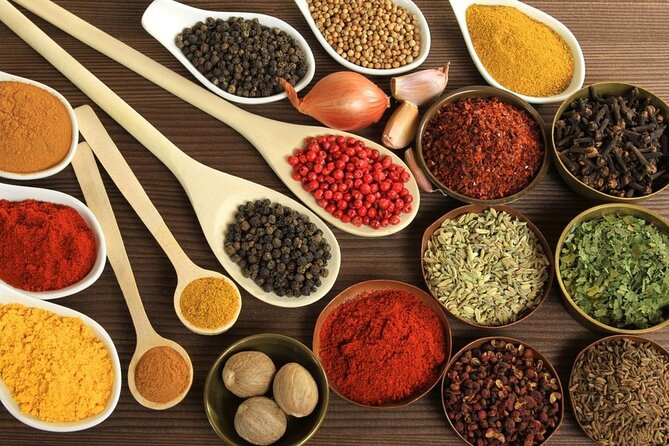
This is an online class based in New Delhi, but you don’t need to travel or coordinate with a bunch of strangers in person. The pitch is straightforward: follow along with your instructor, learn spice-and-cooking steps, and end with a meal you made yourself. It’s also built around the idea that Indian cooking should smell like something you actually want to eat.
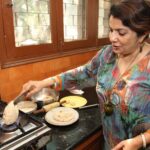
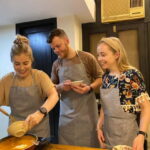
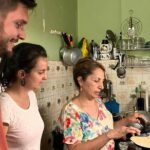
The biggest win for me is the human part. The format is small-group, and the class is designed to give you personalized attention rather than a lecture where you hope the video angle is clear. You’ll also get a clear set of instructions supported by shared materials, which helps if you’re cooking while watching a screen.
One more practical detail: it’s a mobile-ticket experience. That matters because you don’t have to print anything, and you can keep your info in your phone when you’re prepping ingredients.
You can also read our reviews of more tours and experiences in New Delhi.


What You Actually Cook: Curries, Chapattis, and Rice
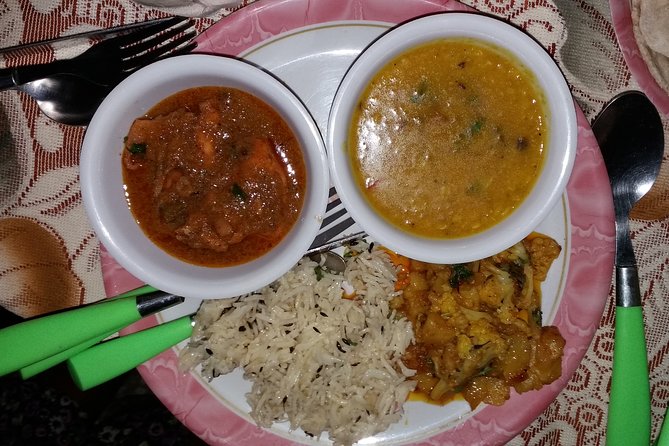
You start with the building blocks: curries and flavorful rice. The lesson is organized so you learn the main methods first, then you move into the hands-on bread part. That bread portion is where a lot of people feel unsure, so it’s good the class makes time for it.
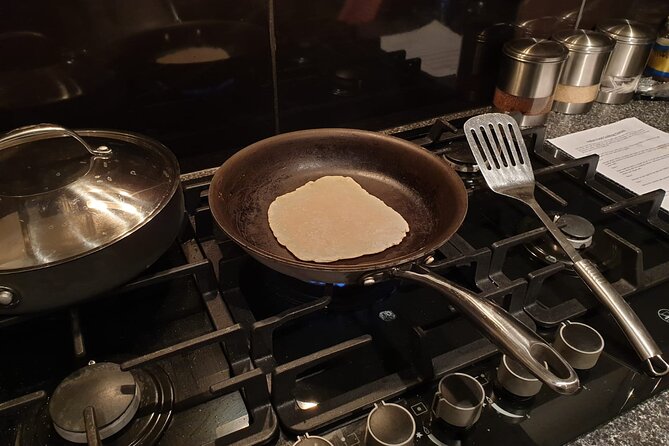
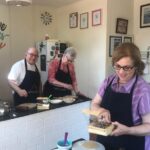
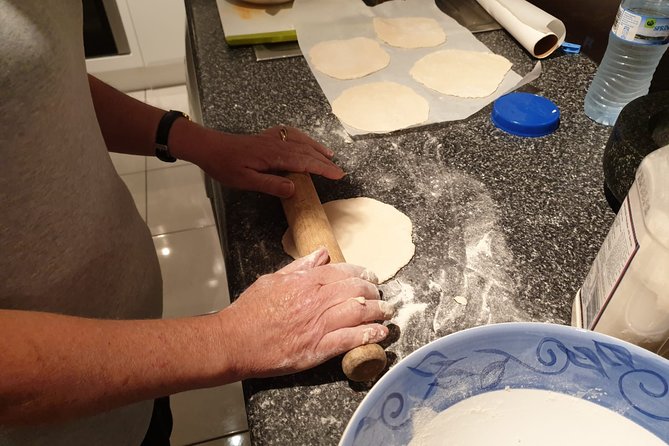
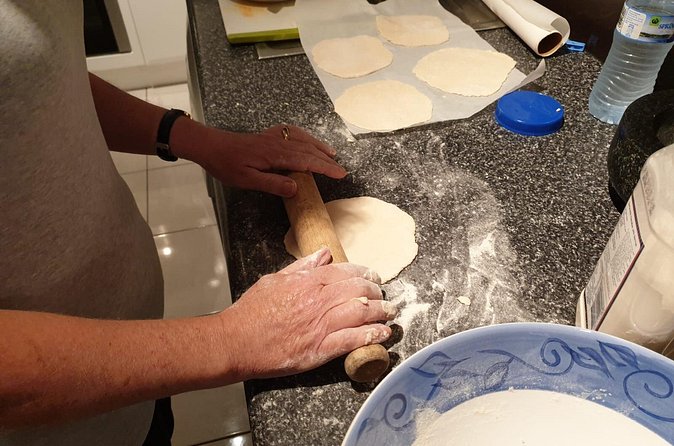
You’ll practice kneading dough and rolling chapattis, with guidance aimed at helping you make a solid meal in a reasonable time. Even if you’ve never made flatbread before, this is the kind of step-by-step skill that improves fast when someone is guiding you.
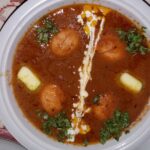
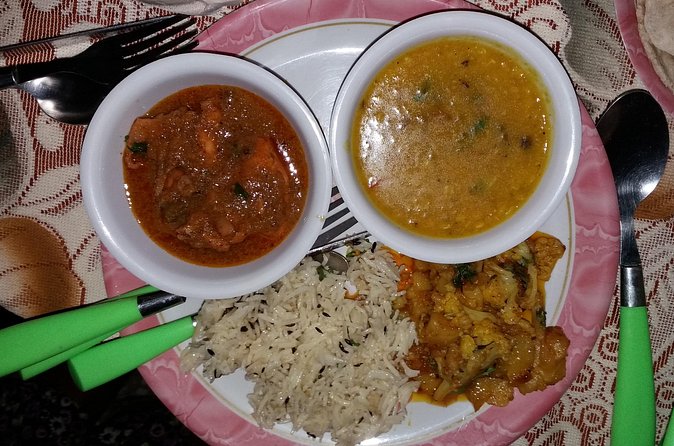
Typical menu examples include chicken curry plus Indian bread and rice, but the class can be adjusted. If you’re vegetarian or vegan, you can request a menu change, which is important because it affects ingredients and cooking choices, not just what gets served at the end.
A nice bonus: you also get to enjoy your handmade meal together after the cooking steps. That turns the session from instruction-only into something more satisfying, because you’re working toward a full plate with context.
Shared Recipes and Ingredient Lists Make It Click
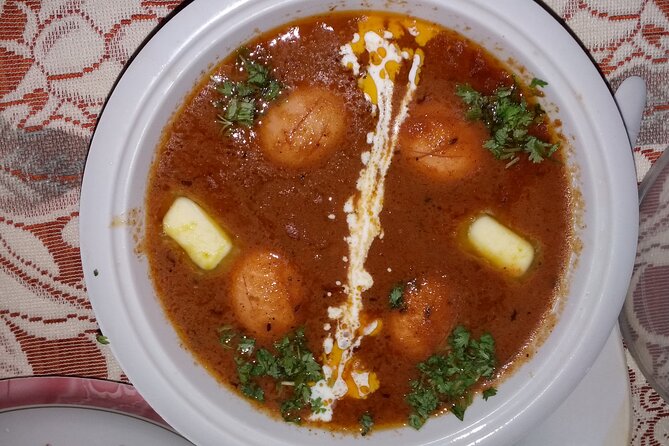
This class doesn’t just tell you to cook. It gives you the tools to cook well.
You’ll receive recipes and an ingredients list as part of the experience, and that changes everything about confidence. Instead of hunting through random pantry guesses, you can check what you actually need ahead of time. That also makes the two-hour pace more realistic.
Another value point: the class includes cooking tips and technique guidance. The vibe from the instruction is patient and helpful, and the learning goal is to understand why steps matter, not just copy a final result. I also like that you’re not left alone after the session. You take home an easy-to-follow recipe, which means you can recreate it without starting from scratch.
Is it perfect? If you’re the type who learns by cooking quietly and revisiting later, you’ll still need to be present during the live session. The course is designed for live follow-along, so plan for some active participation.
Small-Group Attention: Why Up to 10 Matters
The class caps at 10 travelers, and that small number is the real reason this experience feels more “learn cooking” than “watch someone cook.”
When groups stay small, it’s easier for an instructor to notice where people slip—too much flour in dough, rolling that’s uneven, or curries that need adjustment. You’re also more likely to get your questions addressed rather than waiting through a long chain of responses.
The reviews back up this idea with praise for the way instructors guided people through steps in detail and stayed patient. Even if you’re a beginner, that kind of support reduces the usual frustration factor you get from self-taught cooking.
One practical note for you: because it’s live, you’ll want to set up your kitchen so you can cook with minimal delays. Clear space around your counter, keep a towel handy, and have your measuring tools near you. This isn’t a “watch from the couch” class.
Indian Standard Time: Don’t Miss the Start
Here’s the one detail that can quietly ruin an otherwise great session: time and date are given in Indian Standard Time.
The class specifically warns you to adjust the lesson time to match your local country time before booking. So don’t rely on a simple calendar reminder without checking the conversion. If you’re in a different time zone, double-check the start time and build in a few minutes buffer to log in and set up your ingredients.
Think of this like a cooking prep deadline. You don’t want to scramble for spices while the instructor is already moving ahead with steps. If you’re organized enough to convert the time correctly, the rest of the experience will feel smoother.


Price and Value: Is $30.53 Worth It?
The price is $30.53 per group (up to 10), and it’s offered as an online class for about two hours. That means your per-person cost can be surprisingly reasonable if you split with friends or family. If you’re alone, it’s still a fair workshop price for a guided session that includes shared recipes and take-home instructions.
Also, the experience is typically booked about 56 days in advance on average. That hints at a steady interest level, so if you want a specific time slot, don’t wait until the last minute.
When you evaluate value, don’t just look at the dollar amount. Look at what you get:
- hands-on skills (kneading and rolling chapattis)
- curry and rice methods
- shared recipe materials you keep
- small-group attention
- a meal you eat at the end
For $30.53 per group, that combo is the main reason this feels like more than a quick online video.
Meal at the End: Eating What You Made
A lot of cooking content stops at instruction. This one pushes further.
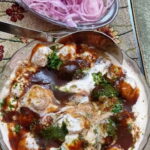
After the curries and bread/rice steps, you enjoy your handmade meal together. That’s a real morale boost because it turns the session into an outcome: you’re not just learning technique, you’re producing dinner (or at least a major part of it).
Then you leave with an easy-to-follow recipe so you can repeat it at home. That repetition matters. Indian cooking gets easier once you cook a few rounds with the same framework.
If you’re planning to serve this to others, you’ll have an easier time because you’ll understand the process, not just the ingredients list. And because vegetarian or vegan options are available, you can align the outcome with your household preferences.
Who Should Book This Class?
This works best for:
- beginner cooks who want real instruction on chapattis and curry basics
- home cooks who want a guided spice-and-technique refresher
- anyone who wants authentic Indian cooking at home without travel
- small groups (up to 10) who want to learn together and share costs
If you already cook Indian food often, you might still find it useful for technique checkpoints—especially dough texture and chapatti rolling. If you’re hoping for a hands-off food tour from your couch, this isn’t that. The class is built for active cooking along with the instructor.
Also, it’s designed to be friendly for different dietary needs. If you’re vegetarian or vegan, you can request a customized menu rather than forcing substitutions that don’t quite work.
Should You Book Indian Food Cooking Class Online?
I’d book it if you want technique, not just taste. The class focuses on curries, rice, and chapattis, and it includes the kind of guidance that helps you avoid the usual beginner mistakes with dough and rolling. You also get recipes, ingredient lists, and a take-home recipe, which makes the session useful even after the screen goes dark.
Book it soon if you need a specific time, since it’s commonly reserved roughly two months ahead. And before you hit confirm, convert the scheduled start time to your local time, because Indian Standard Time is part of the deal.
If you’re okay following along actively and cooking with a plan, this is a solid value. You’ll likely leave with both dinner and a repeatable skill set.
FAQ
Where does this online class start and end?
It starts in New Delhi, Delhi, India, and ends back at the meeting point.
What is the duration of the class?
The class runs for about 2 hours.
How much does the class cost?
It costs $30.53 per group (up to 10).
How many people are in a group?
This activity has a maximum of 10 travelers.
What should I know about the time schedule?
The time and date are according to Indian Standard Time. You should tally it to your local country time before booking. You can contact the provider via message to confirm.
What will we cook in the class?
You’ll learn how to make curries and flavorful rice, and you’ll also learn dough kneading and how to roll chapattis. A typical menu includes chicken curry and Indian bread and rice, with vegetarian or vegan options available.
Can the menu be changed for dietary needs?
Yes. The menu can be customized for vegetarian/vegan options.
Do I get recipes or ingredients lists?
Yes. Recipes and ingredients lists will be shared with you, and you also get to take home an easy-to-follow recipe.
Is free cancellation available?
Yes. You can cancel up to 24 hours in advance for a full refund, and cut-off times are based on local time.