REVIEW · NEW DELHI
Spice Knight (Cooking Class -> Meal -> Local Market walk)
Book on Viator →Operated by Saffron Palate · Bookable on Viator
You get to eat what you make, then shop the ingredients that make it taste like India. This is a hands-on cooking class in New Delhi that ends with a guided orientation in a local spices and vegetable market.
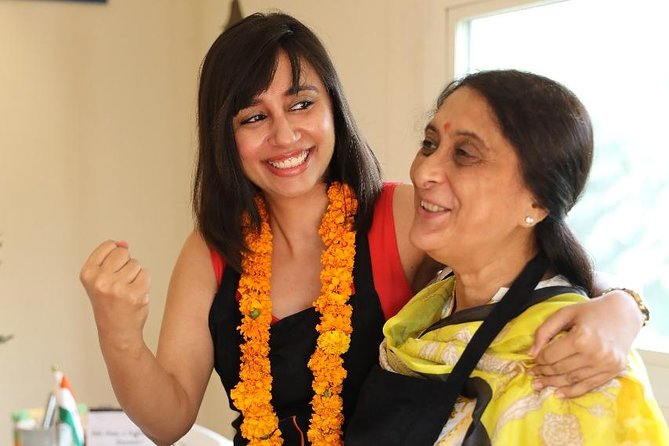
I really like the small-group feel and the fact that the teaching is personal. The host and teacher (Neha) is described as kind and helpful, and the pace is approachable whether you’re comfortable cooking or just learning basics.
One thing to consider: the market time is more of an orientation after you’ve already cooked and eaten, not a long ingredient-foraging session. And a few people felt the overall experience was pricey, especially if they expected a bigger shopping focus or consistently fresh, spotless ingredients.
In This Review
- Key highlights worth knowing
- Cooking With Neha at Saffron Palate (and why the small group matters)
- What you actually cook: 3 breads, 4 mains, and a full lunch
- The lesson part: more than following steps
- Private transport to the market: less stress, more learning time
- Inside the market walk: spices, vegetables, and how to shop smarter
- Vegetarian, vegan, and gluten-free options: how to make the class fit you
- Price and value: $85 for instruction, lunch, and market time
- Timing and what to wear: how to set yourself up for a smooth 4 hours
- Who this cooking class is best for (and who should skip it)
- The meals you’ll remember: breads, gravies, and that finished-tasting moment
- Should you book the Spice Knight cooking class with market walk?
- FAQ
- What time does the tour start?
- How long is the Spice Knight experience?
- What’s included in the price?
- Do I have to pay extra for spices?
- Can the menu be adapted for dietary needs?
- Is this a small group?
- Is free cancellation available?
Key highlights worth knowing
- Personal attention in a max-12 group keeps you from getting lost in the crowd
- 4 main dishes + 3 breads means you leave with more than one recipe to repeat
- Lunch is included, with breads, dessert, and drinks, so you’re not paying twice
- Private transport to the market saves you time and hassle in Delhi traffic
- Spice boxes are sold separately, which you can plan for if you love stocking up
- Diet options are available (vegan/vegetarian/gluten free), but you need to request them
Cooking With Neha at Saffron Palate (and why the small group matters)
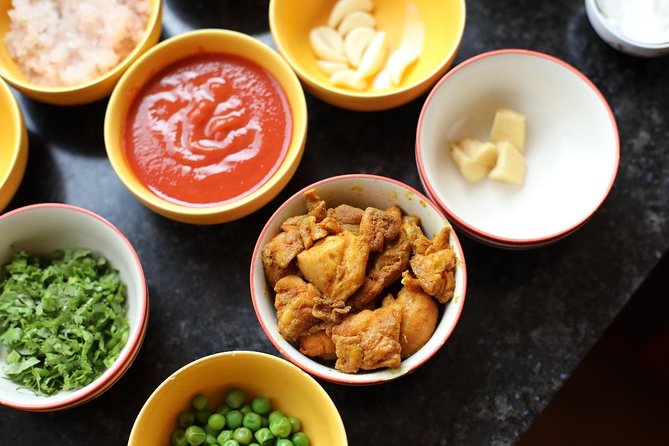
The experience starts at Saffron Palate, R-21, First Floor in Padmini Enclave, near Chor Minar, in Hauz Khas. You meet there around 11:30 am, and the whole outing runs about 4 hours. You’ll get a mobile ticket, so there’s less paperwork fuss.
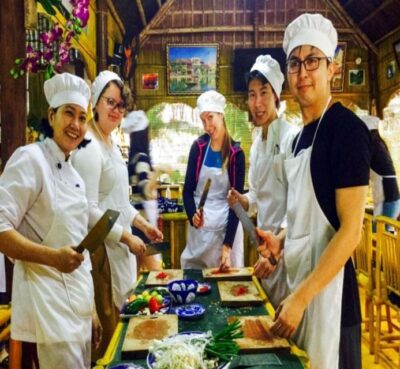
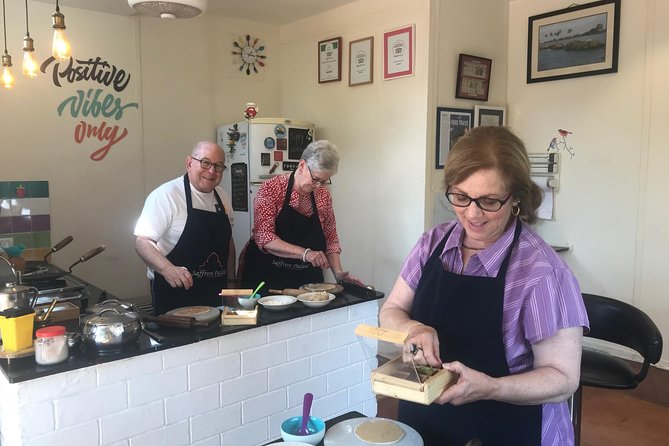
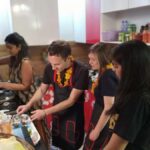
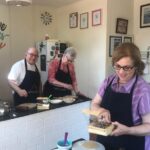
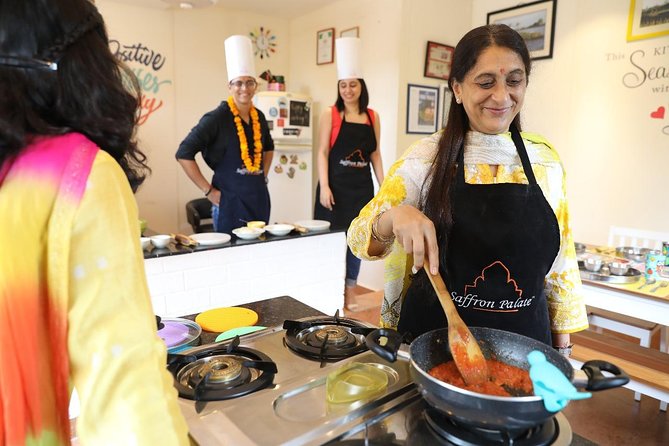
What makes this work is the group size. With a maximum of 12 travelers, you should get real attention while you cook, not just a quick demo. That matters because Indian cooking can feel technical fast—spices bloom, onions need timing, and sauces change texture as they simmer. When the class is too big, you spend the time watching instead of learning.
Another smart touch: the class doesn’t stop at theory. You cook, you eat, and you get recipes provided. Even if you’re not planning to cook daily at home, having instructions makes it much easier to recreate the flavors later.
You can also read our reviews of more tours and experiences in New Delhi.


What you actually cook: 3 breads, 4 mains, and a full lunch
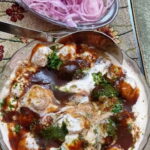
This isn’t a tiny tasting menu. The lesson and meal are built around 4 main dishes and 3 Indian breads. The exact menu can vary, but common options include dishes like butter chicken, palak paneer, biryani, or aloo gobi. That range is useful: you’ll practice both rich, creamy gravies and spiced, vegetarian-friendly cooking.
Alongside the mains and breads, you also get:
- Beverages (including tea/coffee, juice, and aerated drinks)
- Bottled water
- Dessert
- Lunch as part of the itinerary
For value, that’s the key. You’re paying for a guided meal with instruction—not just a couple of samples. If you like food experiences that leave you full and fed, this format is a win.
The lesson part: more than following steps
You’re not only watching someone else cook. You’re cooking with the teacher and learning the how, not just the what. The class is built on time-tested, simple nuances—so you’re meant to learn technique, not memorize recipes blindly.
In particular, the teaching approach described in feedback matches what I’d look for on a cooking class: it should be accessible. People who are newer to cooking benefit because the process is explained in a way you can repeat. And if you already cook, you still get enough guidance to improve.
Here’s what you should pay attention to during class:
- Spice timing: when spices go into hot oil changes flavor a lot
- Onion and base work: the foundation affects thickness and sweetness
- Bread texture cues: dough feel and cooking time matter more than exact minutes
If you want to cook like this at home later, these are the details that make the biggest difference.
Private transport to the market: less stress, more learning time
After the class and your meal, you head to the market. The tour includes private transport to the local spice and vegetable market, which is practical in Delhi. You’re not stuck figuring out buses or rides while also keeping an eye on your group.
This transition matters because it keeps the whole experience moving. With cooking already finished and lunch already eaten, the market walk can focus on what spices and ingredients you just used and how they’re bought in real life.
Inside the market walk: spices, vegetables, and how to shop smarter
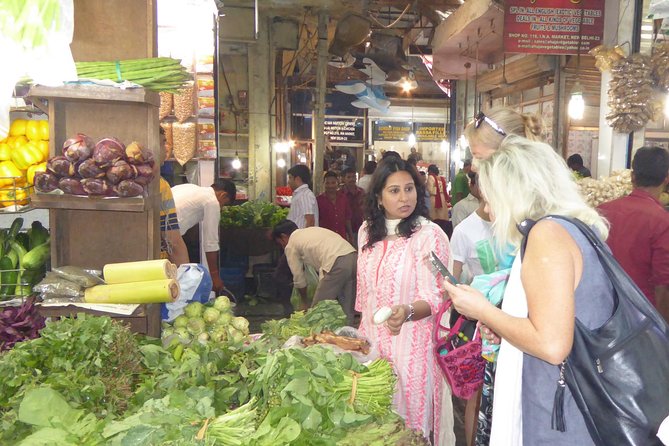
The market walk happens after you’ve cooked and eaten. It’s not framed as a long shopping spree where you pick everything ingredient-by-ingredient for dinner. Instead, it’s a guided orientation: you’ll get help connecting what you cooked with what you see in the market.
Expect to see a spices and vegetable market where you can spot:
- spices (obvious, fragrant, and sold in different forms)
- fresh fruits and veggies
- other Indian food staples
The learning goal here is useful. If you’ve ever bought “Indian spices” online but couldn’t recreate a dish, this kind of in-person orientation helps you understand what to buy and why.
Also note: spice boxes are available to purchase. That means you can bring some of the learning home. But plan for the fact that these spice boxes are not included in your ticket price. If you love building a spice shelf, factor in extra spending.



Vegetarian, vegan, and gluten-free options: how to make the class fit you
Menu customization is available. You can request vegetarian/vegan or gluten free, and you should tell the provider about your dietary needs at booking. That’s important because bread and cooking methods can change depending on restrictions.
If you’re booking with dietary constraints, I recommend sending your preferences clearly and early. The tour data says you should let them know any menu preference or constraints, and the menu can be customized—so you’re not stuck with a default option.
For many people, this is one of the biggest reasons to book rather than try to DIY a cooking class: you get instruction and a real meal that matches your diet.
Price and value: $85 for instruction, lunch, and market time
At $85 per person, this is not a cheap snack-and-stroll. But it does include several things that usually cost money separately in Delhi:
- a small-group cooking class
- a full lunch with breads and dessert
- beverages and bottled water
- private transport to the market
- recipes provided
- a tour host/escort
So the real question isn’t only what it costs. It’s what you get for that money: you’re paying for time, teaching, and a guided food route that’s hard to recreate on your own without already knowing where to go and what to buy.
That said, one drawback to keep in mind: a few people felt the experience was overpriced for the amount of market time and for expectations around ingredient freshness and cleanliness. If you’re the type who wants a hands-on market shopping session where you select ingredients first, then cook later, this format might feel shorter than you imagined.
My practical take: if you want a guided cooking lesson with a satisfying meal and a market orientation that helps you buy better spices, the price can make sense. If you’re mainly chasing a long, immersive market tour, you may want to compare alternatives.
Timing and what to wear: how to set yourself up for a smooth 4 hours
The start time is 11:30 am, and you’re looking at roughly 4 hours total. That’s a good window for a travel day because it isn’t an all-morning grind, and you end with your appetite satisfied.
Wear something comfortable for two reasons:
- you’ll be moving through a market walk after cooking and eating
- you’ll want easy-to-manage clothing around food prep
Also, since the market walk comes after lunch, you might want to bring a small bag for any purchases—especially because spice boxes are sold separately.
Who this cooking class is best for (and who should skip it)
This class is a strong fit if you:
- want a structured way to learn Indian cooking techniques
- enjoy eating what you cook, not just sampling
- like food shopping when it has a purpose (what you just learned)
- want a small-group experience where you can ask questions
- need dietary options like vegan/vegetarian or gluten free
You might want to look elsewhere if:
- your main goal is a long, thorough market shopping trip where you choose ingredients for cooking from scratch
- you’re highly sensitive to cleanliness standards and want a market visit that feels like a pure ingredient hunt
The meals you’ll remember: breads, gravies, and that finished-tasting moment
One of the underrated parts of a cooking class is the mental shift. You start with spices and raw ingredients, and then suddenly the flavors click into place. By the time dessert shows up, you’ll understand why certain combinations work.
Because the class includes multiple mains and breads, you’ll also notice how Indian meals build layers: a bread isn’t just a side; it’s paired with the texture and spice level of the gravies. That’s why recipes plus technique matter. When you cook again later, you’ll know what to adjust instead of just copying measurements.
Should you book the Spice Knight cooking class with market walk?
Book it if you want an experience that feeds you well, teaches you real technique, and helps you shop spices with better context. The small-group format, Neha’s approachable teaching style, and the included lunch (with breads, dessert, and drinks) make it feel more like a full day-plan than a quick show-and-tell.
Skip or compare options if you’re mainly chasing a long, ingredient-first market adventure. The market component is an orientation after the cooking, and spice box shopping costs extra.
If you book, do one simple thing: tell them your dietary needs clearly at booking time, and decide in advance whether you want to budget for spice boxes once you see what’s available.
FAQ
What time does the tour start?
It starts at 11:30 am.
How long is the Spice Knight experience?
The duration is about 4 hours.
What’s included in the price?
You get the cooking class, lunch, 4 main dishes, 3 breads, dessert, beverages, bottled water, private transport to the market, and a tour host/escort.
Do I have to pay extra for spices?
Yes. Spice boxes are available to purchase in the market, but they are not included.
Can the menu be adapted for dietary needs?
Yes. Vegetarian/vegan options and gluten-free options are available if you request them at booking.
Is this a small group?
Yes. The group size is capped at a maximum of 12 travelers.
Is free cancellation available?
Yes. You can cancel for a full refund up to 24 hours before the experience starts.