REVIEW · NEW DELHI
Authentic Indian Cooking Class with Jyoti in Delhi
Book on Viator →Operated by Gourmet Desire · Bookable on Viator
Cooking in Delhi starts with a warm welcome. In this Delhi Indian cooking class, Jyoti guides you through traditional North India home recipes and the food-and-culture traditions behind them, with extra attention to healing ideas tied to ingredients and spices. I love the clear, step-by-step teaching that helps you recreate the dishes at home, and I love the thali-style meal where you sit down together to eat what you cooked.
One watch-out: this is a small group class, max 10 people, and private transportation isn’t included. That means you’ll want to be ready to handle your own ride to the meeting point near public transit and keep things on schedule.
In This Review
- Key things I’d plan around
- A Delhi Cooking Class in a Real Home, Not a Demo Kitchen
- What You’ll Cook: North Indian Comfort Food Plus the Flavor Builders
- The Spice and Ingredient Lesson: Market Basics and Why They Matter
- Techniques You Can Actually Reuse: How to Think Like the Cook
- Thali Lunch: Eating the Same Way You Cooked
- Customizing Your Menu and Handling Food Sensitivities
- Price and Timing: Does It Feel Like Good Value?
- Getting There: Meeting Point and How to Plan Your Arrival
- Who Should Book This Cooking Class (and Who Might Skip It)
- Should you book this Delhi cooking class with Jyoti?
- FAQ
- How long is the Authentic Indian Cooking Class with Jyoti in Delhi?
- What’s included in the price?
- How many people are in the group?
- Can the class be customized for dietary needs?
- Where does the experience start, and do I return to the same place?
- What if I need to cancel?
Key things I’d plan around
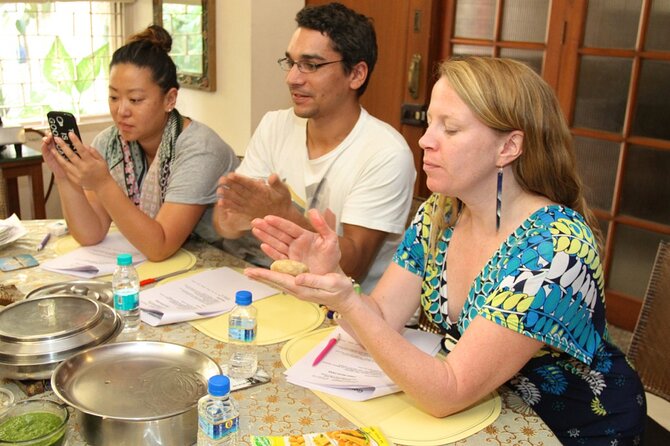
- North Indian family recipes with techniques you can repeat back home
- Thali dining in a home setting, with multiple dishes on one meal tray
- Ingredient and spice education, including how people choose flavors and what they mean
- Personal pace and customization, including options for different food needs
- Max 10 people so you’re not stuck watching from the sidelines
A Delhi Cooking Class in a Real Home, Not a Demo Kitchen
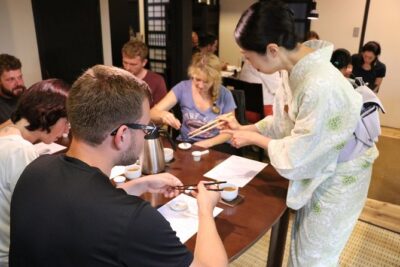
This is the kind of Delhi experience that feels less like a show and more like learning from someone who genuinely cooks for the people she loves. Jyoti hosts in her own home, and the tone stays relaxed and welcoming from the first chai to the last bite. If you’ve been eating your way through Delhi mostly on the street, this class gives you the next level: you learn how the flavors are built, not just what they taste like.
The strongest part for me is the teaching style. Jyoti explains ingredients and methods in plain language, and she ties the food to culture and traditions, not just recipes. That matters because Indian cooking can look complicated from the outside. When you understand the logic, you can cook confidently instead of copying blindly.
Also, this class is a smart fit early in your trip. When you learn how North Indian dishes work here, it becomes easier to order (and judge) what you’re eating later in Delhi, Agra, Jaipur, or beyond.
You can also read our reviews of more tours and experiences in New Delhi.



What You’ll Cook: North Indian Comfort Food Plus the Flavor Builders
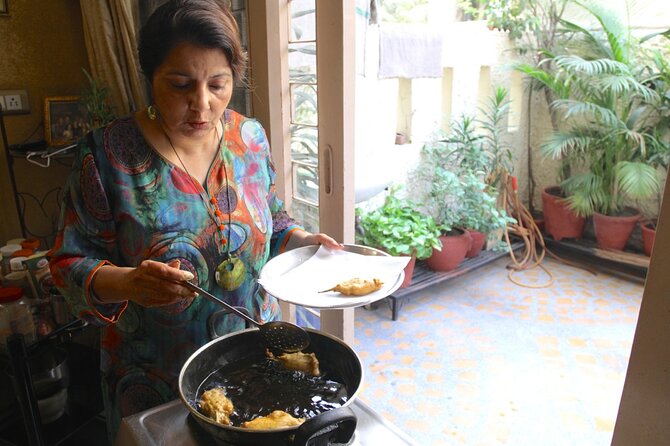
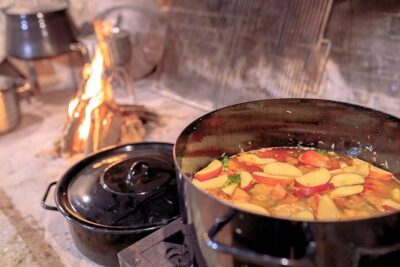
You should expect a hands-on North Indian menu. The exact dishes can vary, but the consistent theme is that you’re making a set of dishes that belong together on a thali. Many classes like this include a mix of rich gravies, warm breads or sides, and chutneys for contrast.
From the dishes you can run into during these sessions, you might see things like:
- Cauliflower prepared with Indian spice seasoning
- Chai (tea) as part of the cultural rhythm of the day
- Green chutney that brings a fresh, herby bite to the meal
- Butter chicken and chana masala as examples of classic North Indian flavors
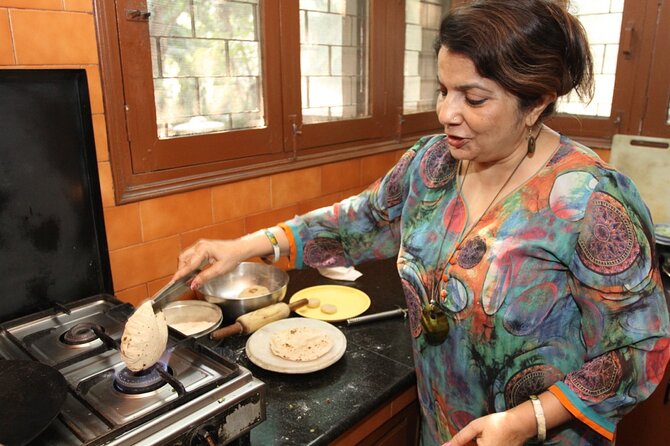
Even if your final menu is different, the big value is learning what makes each dish work. You’ll practice key techniques that let you adjust later, like how you build flavor with spices, how you balance heat and acidity, and how you get the right texture in gravies and sides.
If you care about cooking at home, this is where you’ll get your money’s worth: you’re not just tasting. You’re practicing the steps that create the taste.
The Spice and Ingredient Lesson: Market Basics and Why They Matter
A huge part of Indian cooking is choices. Not just which spices, but how fresh they are, how they’re used, and how people think about them. In this experience, you may begin with a visit in/around an Indian market area and go through a few stalls with Jyoti, focusing on groceries and spices she favors.
One example of what you might cover is ingredient selection. Jyoti can walk you through what different items do for particular dishes, and you may also hear how traditional healing ideas are sometimes connected to cooking choices (including references to homeopathy). Even if you’re skeptical about the healing side, it can still sharpen your attention to why people use certain ingredients in certain ways.
This market-style portion is useful for you later because it makes shopping less confusing. Once you know what a spice blend is supposed to accomplish in a dish, you can substitute more responsibly when you’re back home.
Techniques You Can Actually Reuse: How to Think Like the Cook
Watching someone cook is fun. Learning to cook is different. Jyoti’s class is built around making you comfortable with techniques, not just memorizing a list.
Here’s what you should pay attention to during the prep stages:
- Spice timing: when spices go in changes how they taste
- Texture control: gravies and sides need the right thickness, not just flavor
- Balancing: heat, salt, sourness, and richness have to sit together
- Chutney function: chutneys aren’t decoration. They cut, brighten, and reset your palate
A detail I like: you often get some form of recipe support to take with you. Many classes of this type include a handout or written recipes, and in this one you should expect that kind of take-home help based on the way Jyoti teaches and follows up after cooking. That makes it much easier to recreate things correctly after a few days, when your memories start to blur.
If you want to maximize your learning, bring a small notebook or use your phone notes. Write down how each dish changes as it cooks. Most home cooks don’t fail because they forgot the ingredients. They fail because they missed a step in technique.
Thali Lunch: Eating the Same Way You Cooked
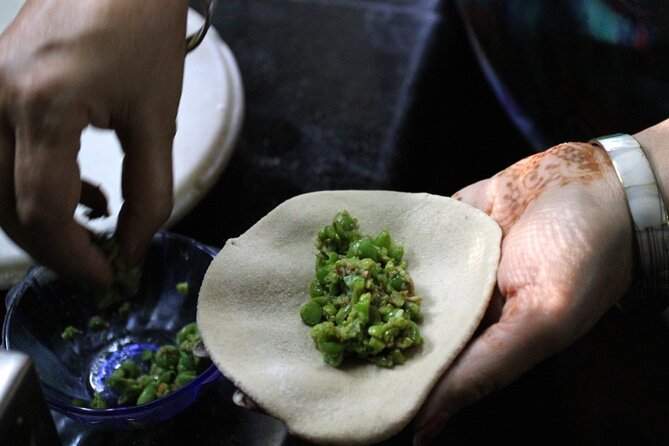
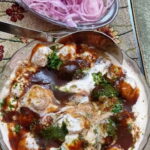
The meal format is a key part of the experience. Instead of one dish and you’re done, you eat in traditional thali style, which means multiple dishes land on your table together. It’s a practical way to understand Indian meals because you experience the contrast in real time: creamy with spicy, tangy with rich, fresh chutney with savory gravy.
In addition to what you cook, you’ll be eating with the class setup in mind. The included lunch and snacks help you stay focused during the long hands-on stretches. You’re also offered coffee and/or tea, plus soda/pop and bottled water.
If you’re picky about food experiences, the thali format will still likely win you over. It trains your palate to notice how Indian cooking builds variety in a single meal, and it makes the class feel complete.



Customizing Your Menu and Handling Food Sensitivities
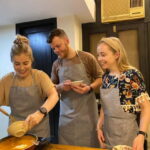
One of the best reasons to book a cooking class is when it can fit your reality. This experience can be customized based on your requirements, and Jyoti is used to adjusting dishes for different needs. Some sessions can be tailored to be vegan, and other times you may adjust for sensitivities.
If you have dietary requirements, I’d send them clearly when you book. Use straightforward language: what you avoid, what you can handle, and whether you’re avoiding an ingredient completely or just trying to keep it minimal. The more you communicate upfront, the better your chances for a menu that feels satisfying, not like a compromise.
This flexibility is also part of why the class is worth doing even if you’re not a die-hard foodie. You’ll still leave with a set of recipes you can cook safely and enjoy.
Price and Timing: Does It Feel Like Good Value?
At $62.25 per person for about 4 hours, this class can be good value for a few reasons.
First, you’re paying for instruction plus a full meal. Included are lunch, snacks, coffee and/or tea, soda/pop, and bottled water. You’re not only tasting. You’re learning how to make multiple dishes, which is what turns cooking lessons into real skills.
Second, you’re in a small group. With a maximum of 10 travelers, you’re more likely to get answers and real attention than you would in a bigger group setting where people cook at different speeds.
Third, Jyoti’s experience adds weight. She has been hosting for over 15 years and has been featured in travel guidebooks, which usually means she has refined how she teaches and how she hosts.
The timing is also sensible for a day plan. About 4 hours is long enough to learn, cook, and eat comfortably. It’s short enough that you can still do other Delhi sightseeing after, without feeling like you lost an entire day.
Getting There: Meeting Point and How to Plan Your Arrival
The meeting point is Gourmet Desire, Pocket C, Sheikh Sarai Phase 1, Sheikh Sarai, New Delhi, Delhi 110017. The activity ends back at the meeting point.
Private transportation isn’t included, so you’ll want to plan your arrival using local transit or a taxi. The good news is that it’s near public transportation, so you’re not forced into expensive options.
A practical tip: arrive a bit early. Even if the session starts on time, Indian cooking depends on timing. Being present and ready helps you settle in faster, especially when the class begins with tea and a quick orientation.
Who Should Book This Cooking Class (and Who Might Skip It)
I’d recommend this class if you want:
- a genuine home-cooking experience in Delhi
- hands-on teaching for North Indian recipes
- a thali meal that helps you understand how dishes work together
- a small-group setting instead of a large, noisy workshop
It’s also a strong choice if you’re the type of traveler who likes to take a skill home, not just photos.
You might consider skipping if you dislike cooking in a shared setting or if you don’t want to manage your own transport to the meeting point. Also, because customization is mentioned, you should still confirm your needs early rather than assuming every ingredient swap will be possible.
Should you book this Delhi cooking class with Jyoti?
Book it if you want a practical way to understand Indian food. The best part is learning the techniques behind North Indian flavors, then sitting down to eat them thali style in a real home.
If you’re short on time, fit this into the first half of your trip. You’ll get more out of Delhi food later because you’ll understand what you’re tasting and why it tastes that way.
If you want to learn more than just how to cook one dish, and you like the idea of market-style ingredient thinking plus cultural context, this one is an easy yes.
FAQ
How long is the Authentic Indian Cooking Class with Jyoti in Delhi?
The class lasts about 4 hours.
What’s included in the price?
Lunch is included, along with snacks, soda/pop, bottled water, and coffee and/or tea.
How many people are in the group?
The group size is capped at a maximum of 10 travelers.
Can the class be customized for dietary needs?
Yes. The experience can be customized based on your requirements.
Where does the experience start, and do I return to the same place?
It starts at Gourmet Desire, Pocket C, Sheikh Sarai Phase 1, Sheikh Sarai, New Delhi 110017, and it ends back at the meeting point.
What if I need to cancel?
You can cancel for a full refund up to 24 hours in advance. If you cancel less than 24 hours before the start time, the amount paid won’t be refunded.