REVIEW · NEW DELHI
New Delhi- Authentic Hands on Indian cooking class & meal
Book on GetYourGuide →Operated by Tastesutra · Bookable on GetYourGuide
Spices get personal in this Delhi kitchen. This is a hands-on cooking class in a warm studio where a local host walks you through traditional Indian techniques and then you sit down to eat what you made, thali-style, with fresh ingredients and aromatic spices. I like how practical it feels, not just a demo, and I especially like that the spice lessons connect to real cooking choices, not vague theory.
One thing to think about: this experience expects you to show up on your own—there’s no hotel pickup and drop-off—so plan your route before you book.
In This Review
- Key points at a glance
- Cooking in a Warm Delhi Studio (Not a Classroom)
- What You’ll Cook: Chicken Curry, Paneer, Dal, Roti, Paratha, and Dessert
- The Hands-On Flow: From Spice Talk to Your Own Thali
- Bread Lessons Matter: Roti and Paratha in One Sitting
- Spice Knowledge You Can Actually Use Back Home
- Price and Value: Is $64 Worth Three Hours?
- Getting There: Tastesutra Studio and the Lajpat Nagar Metro Stop
- Who This Cooking Class Is Best For
- Small Planning Notes That Matter (Allergies and Custom Menus)
- Should You Book This New Delhi Cooking Class?
- FAQ
- What is the duration of the cooking class?
- How much does it cost?
- What will I eat and cook?
- Do I get a welcome drink?
- Is lunch included?
- Can I choose the menu?
- Are recipes included?
- Is hotel pickup included?
- FAQ
- How do I reach the studio?
- Is the class taught in English?
Key points at a glance
- Spice skills with meaning: you learn what spices do and how they fit together in everyday Indian cooking
- A full thali meal you cook: chicken curry, paneer, dal, seasonal veg, breads, rice, and dessert
- Hands-on from step one: you work through the dishes as you go, not just watch
- Roti and paratha practice: two bread styles with different handling and payoff
- You take recipes home: so you can recreate what you liked after the class
Cooking in a Warm Delhi Studio (Not a Classroom)
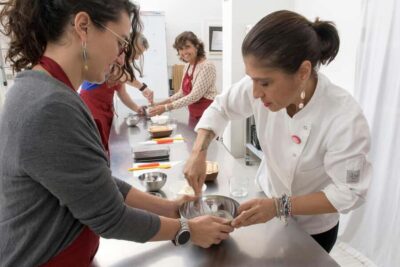
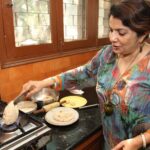
I love cooking classes where the kitchen feels like a home, because that’s usually where the “why” shows up. Here, you’re in a homestyle Delhi studio setting—small, friendly, and meant for doing. The experience starts with a welcome drink (think masala chai or lassi) so you’re not just waiting for instructions; you’re already in India mode.
The best part is the pacing. A local expert guides you through the steps, but it’s not overly stiff. You get a sense of how Indian home cooking moves: tasting as you go, adjusting spice balance, and building flavors dish by dish until everything works together on the table.
If you like learning in a way that sticks, one theme shows up clearly in the reviews: people come away understanding how spices are used and why. Tobias, for example, points out that the class explains what spices mean in Indian cooking and that the dishes are doable at home.
You can also read our reviews of more tours and experiences in New Delhi.


What You’ll Cook: Chicken Curry, Paneer, Dal, Roti, Paratha, and Dessert
This class is designed around a complete Indian meal, not a “snack-and-smile” course. You’ll make a menu based on your choice, but the core dishes follow the same family of flavors and techniques.
Here’s what’s included:
- 1 welcome beverage (like masala chai or lassi)
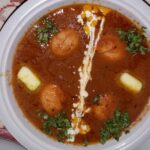
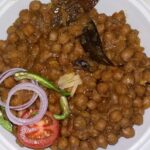
- 1 chicken curry
- 1 paneer (cottage cheese) dish
- 1 lentil (dal) preparation
- 1 seasonal vegetable
- 2 types of Indian bread: roti and paratha
- Rice (served)
- A traditional Indian dessert (served)
What I like about this lineup is how it covers the core pillars of a lot of everyday meals:
- Curry-style sauce for comfort and depth
- Paneer for texture and richness
- Dal for grounding, body, and flavor
- Seasonal veg for freshness and balance
- Two bread types so you can compare technique and results
- Dessert at the end, so you taste the full arc of the meal
And while you’re cooking, the method matters. This isn’t just about listing ingredients; it’s about learning how ingredients behave—especially spices, aromatics, and how sauces thicken or how fillings and doughs respond.
The Hands-On Flow: From Spice Talk to Your Own Thali
A lot of classes tell you everything upfront, then you cook. Here, the order helps you learn as you move. You start with a welcome and then you explore key Indian spices and how they’re used. That step is small, but it changes your whole experience, because suddenly “spice mix” becomes “specific action.”
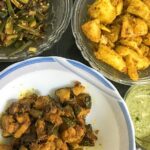
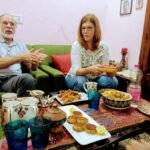
After the spice intro, you cook your meal from scratch in the studio kitchen. You’ll work on multiple dishes, guided step-by-step, and then everything comes together for lunch. You sit down with your group and enjoy a real Indian thali experience—a spread built from what you made, not something handed to you from a restaurant counter.
One reviewer described it as a five-course class and said it was hands-on, easy to follow, and incredibly tasty. That matches how these structured cooking sessions feel when they’re done right: you’re not overwhelmed, but you’re still doing real work.
A practical tip: since you’re making so many items in one session, keep an eye on timing. If you get distracted, you can end up rushing the later dishes. Go with the instructor’s cues and taste frequently—tasting is part of cooking, not a step you skip.
Bread Lessons Matter: Roti and Paratha in One Sitting
If you only care about curries, you might skip bread lessons at home. Don’t. Roti and paratha teach you two different approaches that show up across Indian kitchens.
In this class, you’ll learn both:
- Roti: typically a simpler, flatter bread that highlights dough feel and cooking control
- Paratha: richer and more layered, where handling and cooking management make a big difference
What you’re really practicing is how dough responds—how it stretches, how it behaves when rolled, and how heat affects the final texture. Even if you don’t master them the first try, you’ll understand the mechanics well enough to repeat the process at home.
Spice Knowledge You Can Actually Use Back Home
I like when cooking classes give you a skill you can reuse, not just recipes you can read once. Here, the spice focus is meant to be that kind of learning.
From the review feedback, the biggest praised takeaway is that the class explains spices with a purpose—what they mean and how they’re used. Tobias specifically highlights that they were shown spices with meaning and that the dishes taught are easy to make at home, which makes the cooking feel more approachable after you leave.
You’ll also get a chance to take back many recipes. That matters because Indian cooking often has a lot of little variations. Having your own written notes makes it easier to remake the exact version you liked.
If you’re planning to cook later, I recommend you immediately jot down any adjustments you enjoyed during class—like whether you liked the curry slightly thicker, or how bold you preferred the seasoning. Those preferences become your personal baseline.




Price and Value: Is $64 Worth Three Hours?
At $64 per person for about 3 hours, this class sits in the “serious but not huge” range for a guided cooking experience in a major city. The value is strongest if you want more than a meal.
Here’s what you’re getting for the money:
- Equipment and ingredients
- Lunch, served as your thali meal
- A welcome drink or water
- Instruction in English and Hindi
- Recipes to take home
The big value lever is that you’re paying for hands-on learning plus the food you produce. You’re not just buying lunch; you’re building cooking competence in a real kitchen.
One consideration: hotel pickup and drop-off aren’t included. That cost (time or money) can matter depending on where you’re staying. If you’re already comfortable using the metro, it’s not a deal breaker; if you’re not, it might feel like extra hassle.
Getting There: Tastesutra Studio and the Lajpat Nagar Metro Stop
The meeting point is Tastesutra Studio. The easiest public transit option is the Delhi Metro: get off at Lajpat Nagar station. From there, you’ll have a short onward walk or a quick local connection, depending on where the studio is in relation to the station.
Because there’s no pickup, give yourself a little buffer so you don’t arrive flustered. With cooking classes, being late usually means you miss the start of the spice and prep flow—then the rest feels rushed.
Also note the simple on-the-ground rule: pets aren’t allowed.
Who This Cooking Class Is Best For
This class fits best if you’re one of these types of travelers:
- You want an authentic home-style meal, not just a restaurant stop
- You enjoy learning techniques you can repeat
- You’re traveling with a partner or small group and want a shared activity
- You want a guided spice experience tied to real dishes
If you’re a complete beginner, you’ll still likely do fine because the class is built around step-by-step guidance. If you’re an experienced cook, you might enjoy the chance to compare your approach to how Indian home cooking handles spice balance and bread technique.
It’s also a good choice when you want something cultural that doesn’t require museum stamina. You’ll get a clear outcome at the end: food you cooked and can talk about like a story.
Small Planning Notes That Matter (Allergies and Custom Menus)
You’ll want to communicate dietary needs ahead of time. Please let the host know at booking if you have allergies or dietary preferences, because requests for specific dishes may be accommodated for a customized menu.
That’s important because the class includes dairy (paneer), bread, and multiple spice-driven preparations. If you’re sensitive to certain ingredients, don’t wait until you arrive—send the details when you book.
Should You Book This New Delhi Cooking Class?
If you want a memorable New Delhi experience that goes beyond eating, I’d book this. The strongest reasons are simple: you cook a full meal, you learn how spices are used in context, and you take skills (and recipes) home.
Skip it only if you strongly prefer food experiences where you don’t touch the kitchen at all, or if you don’t want the hassle of getting to the studio yourself. Since hotel pickup isn’t included, your location in the city matters.
Bottom line: for $64 and three focused hours, you’re buying a practical cooking lesson plus lunch that feels like a real Delhi home meal. That combo is hard to beat.
FAQ
What is the duration of the cooking class?
The experience lasts 3 hours.
How much does it cost?
It costs $64 per person.
What will I eat and cook?
You’ll cook a chicken curry, a paneer dish, a dal preparation, a seasonal vegetable, roti and paratha, and you’ll also have rice served and a traditional Indian dessert served.
Do I get a welcome drink?
Yes. You’ll get a welcome drink (like masala chai or lassi) and water.
Is lunch included?
Yes. Lunch is included as part of the experience.
Can I choose the menu?
Yes. You can pick a menu of your choice.
Are recipes included?
Yes. You’ll be able to take back many recipes.
Is hotel pickup included?
No. Hotel pickup and drop-off are not included.
FAQ
How do I reach the studio?
Use the Delhi Metro and get off at Lajpat Nagar station.
Is the class taught in English?
Yes. The instructor speaks English and Hindi.