REVIEW · NEW DELHI
Delhi Kabul Cooking Class
Book on Viator →Operated by Delhi Daily Life · Bookable on Viator
Cooking Afghan-Indian food at home feels personal. This private Delhi Kabul Cooking Class takes you into Malviya Nagar’s Hauz Rani area, where you shop for ingredients, learn from a local family, and finish by eating what you cook together.
I especially like the mix of market-to-kitchen learning and the fact that you get recipes sent to you after class. One watch-out: the market portion is for evenings only, so your meal time choice matters if you’re trying to fit the class into a tight schedule.
In This Review
- Key points at a glance
- Hauz Rani Market: where your cooking starts
- Faramarz’s family kitchen: private instruction that feels low-pressure
- What you’ll cook: the Afghan-Indian menu basics
- The ingredient and technique link: why the market visit is worth it
- The meal after class: dining like a family, not like a show
- How to choose between lunch and dinner options
- Price and value: what $52.90 buys you in real life
- Practical tips so you’ll enjoy it more
- Should you book Delhi Kabul Cooking Class?
- FAQ
- What is the duration of the Delhi Kabul Cooking Class?
- Where does the experience start and end?
- Is this a private tour?
- What dishes are included in the basic menu?
- Do you receive recipes after the class?
- Do lunch and dinner options exist?
- Is the vegetable market tour included?
- Can I cancel for a full refund?
Key points at a glance
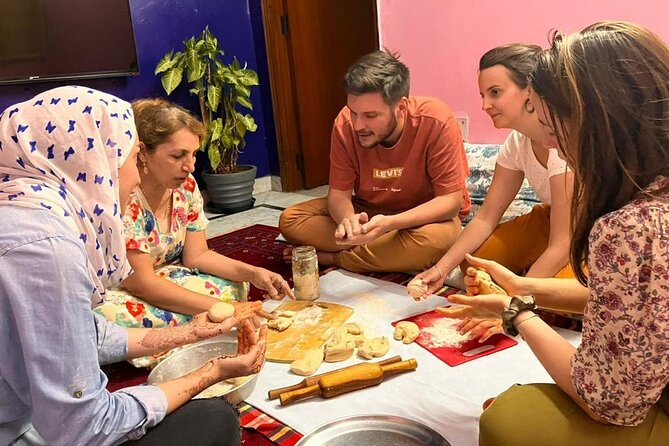
- Private, tailored instruction so you can move at your comfort level
- Hauz Rani market visit (evenings only) before you cook
- Afghan-Indian menu basics like Borani Banjan (eggplant curry) and daal fry
- Your meal is included and you dine with the host family
- Recipes sent after the class for real take-home value
Hauz Rani Market: where your cooking starts
This experience begins in Malviya Nagar, at Malviya Nagar Market (Old Market, Block C). It’s a practical start point, and it also sets the tone: you’re not just showing up to cook, you’re learning how ingredients shape the final flavors.
A key part of the day is the guided stop at the local vegetable market in the Hauz Rani area. This isn’t a long sightseeing detour; it’s meant to help you buy the right produce and understand what goes into the dishes you’ll make later. From the class setup, you can tell the market walk is the foundation, not an add-on.
Timing detail that matters: the market tour is evenings only. If you’re picking a lunch option, you may not get that same market component. If you want the full market-to-meal feel, aim for the evening slot and build your day around it.
You can also read our reviews of more tours and experiences in New Delhi.


Faramarz’s family kitchen: private instruction that feels low-pressure
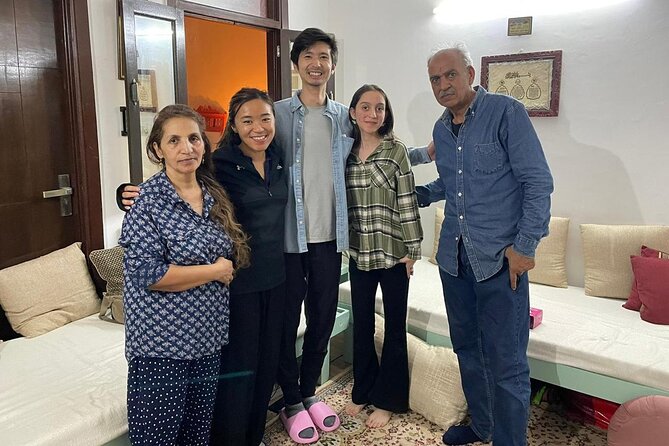
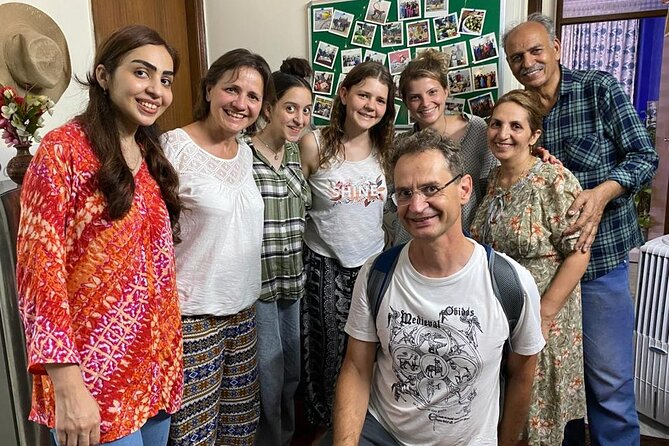
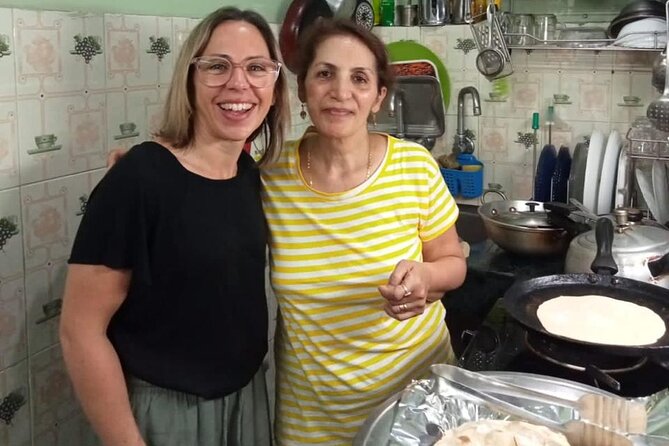
The class is hosted by Faramarz’s family, and that family connection is the real magic of this tour. You learn with people who live the recipes, not just people who repeat them. In the reviews, guests describe meeting Faramarz’s parents and two daughters, and that sense of family togetherness comes through in how the evening runs.
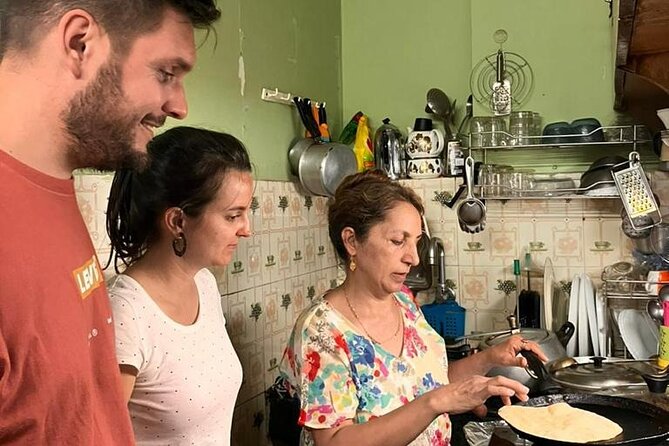
Because it’s a private class, you’re not stuck in a large group where your questions get lost. You can cook at your own pace, and the instruction is tailored to your comfort level. For anyone who worries about cooking in a new style or with unfamiliar ingredients, this matters a lot.
You also get helpful cultural context while you work. Even without a lecture-style lesson, the way the family teaches turns cooking into conversation—how they grew up eating these dishes, what ingredients they use, and how they think about mixing Afghan and Indian influences.
What you’ll cook: the Afghan-Indian menu basics
The menu can change with seasonal and market availability, but you can expect a solid set of core dishes. The basic menu listed for the class is built around comfort food you can actually recreate later.
Here’s what’s on the basic menu:
- Tea
- Bangan Curry (Borani Banjan): an eggplant dish with Afghan-and-Indian flavor blending
- Daal Fry: a lentil dish
- Chicken Curry (for non-vegetarian)
- White rice
- Roti (chapati)
If you go for lunch or dinner, the exact plate may shift, but these are the anchors. I like this structure because it’s not just “one or two impressive dishes.” You’re learning a small system: a curry, a lentil, a starch base (rice and bread), and a sauce-and-texture balance in the eggplant curry.
Single-person booking note: if you book solo, you get the basic menu without dessert. If dessert is important to you, that’s a simple factor to consider when deciding whether to go on your own or share the class with someone else.
The ingredient and technique link: why the market visit is worth it
It’s easy to assume a cooking class is just recipes plus cooking time. Here, the market stop is doing something smarter. You’re shopping for ingredients in Malviya Nagar’s market area, and that makes the later instruction feel more grounded.
When you see produce up close, you start to understand substitutions and cooking decisions. Even if you don’t know the local names yet, you’ll pick up how the family thinks about quality and freshness. Then, when they cook in front of you, you’re not translating every step from scratch.
I also like that the class isn’t positioned as a competition. The goal is practical learning: you’ll cook what you can learn, and you’ll leave with a meal you can recognize and recreate. That’s especially valuable if you’re a confident home cook but haven’t cooked Afghan-style eggplant curry before.
The meal after class: dining like a family, not like a show
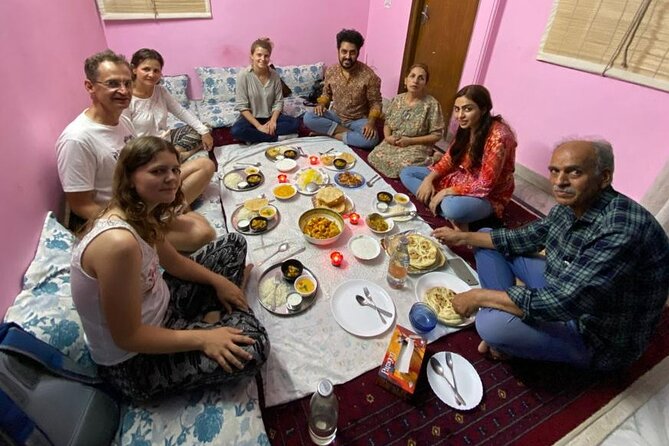
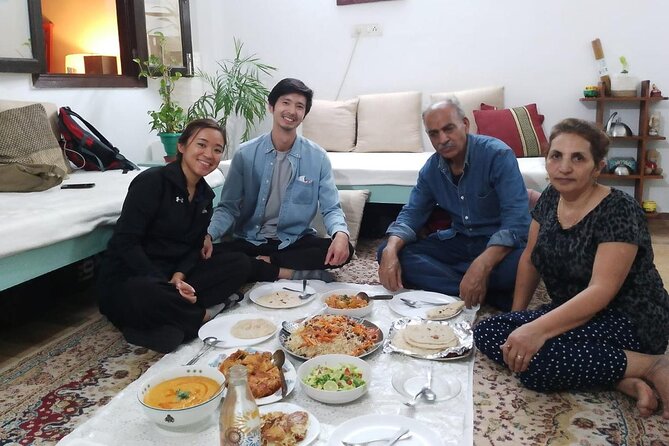
After cooking, you and your hosts sit down to eat the Indian and Afghan meal you made. This is one of those experiences where the “food at the end” is not a prize for sitting through the class. It’s the point: you cooked it, and now you experience it together.
One review stood out for the way the family adjusted when guests were under time pressure for a flight. That tells you something important: this isn’t a rigid factory schedule. If you have constraints, the hosts seem willing to accommodate.
The overall tone from the reviews is warm and personal. Guests describe feeling welcomed into the home, meeting family members, and enjoying stories alongside the food. You don’t just learn ingredients and steps; you learn how this family shares food as part of daily life.


How to choose between lunch and dinner options
The tour offers both lunch and dinner options, and this is where planning can make or break the experience. The market tour is for evenings only, so if your priority is the ingredient shopping and market atmosphere, choose an evening option.
If you prefer a daytime rhythm, the class still includes the hands-on cooking and the final meal. But you might miss the market portion, depending on the slot you select. In other words:
- Evening = more of the neighborhood-and-market experience
- Lunch = more of the cooking-and-eating focus
If you’re visiting Delhi for a short stay, I’d book the slot that best matches your energy level. A cooking class is active. You’ll be chopping, mixing, tasting, and then eating, so you want enough time afterward to decompress.
Price and value: what $52.90 buys you in real life

At $52.90 per person, the price is reasonable for a private, hosted cooking class that includes more than instruction. You’re paying for:
- Private tuition tailored to your comfort level
- A market visit (evenings only) with guidance on ingredient selection
- Hands-on cooking practice for a full menu
- A shared meal with the host family
- Recipes sent after the class
- A mobile ticket for easier access on the day
The “recipes sent after the class” part is a big deal for value. You’re not just getting a one-night memory. You’re leaving with a way to reproduce at least the basic set of dishes later.
Also, the class appears to be in demand (it’s commonly booked about 79 days in advance on average). If your trip dates are firm, I’d secure your slot early. For a private home experience, availability can be tight.
Practical tips so you’ll enjoy it more
A few things can help you get more out of this kind of class without overthinking it.
First, wear comfortable clothes and be ready for a hands-on session. Even if you’re not doing “hard cooking work,” you’ll likely handle ingredients and participate in the process.
Second, bring curiosity about the mix of flavors. The menu includes dishes like Borani Banjan, which is described as an eggplant dish blending Afghan and Indian flavor styles. That blend is the story of the neighborhood—Hauz Rani’s Afghan refugee community has influenced local food culture.
Third, if you’re a solo traveler, remember the dessert note for basic menu bookings. If you care about the full spread, you can plan accordingly.
Finally, expect the menu to shift a bit based on the market and seasons. That’s not a drawback if you approach it like a living home kitchen. It means you’re eating what’s available and using ingredients that reflect the moment.
Should you book Delhi Kabul Cooking Class?
I’d book this if you want a private cooking class that feels like a real home visit, not a staged food show. The combination of market learning, hands-on instruction, and a family-style meal makes it a strong choice for people who want more than recipes printed on paper.
It’s also a good fit if you’re curious about Afghan-Indian connections and you like the idea of learning dishes such as Borani Banjan and daal fry in the context of how a family cooks them.
Book it with one expectation in mind: the market tour timing is tied to evening sessions, and the menu can change with seasonal availability. If you pick the wrong time slot for what you want most, you could end up with less market atmosphere than you hoped.
FAQ
What is the duration of the Delhi Kabul Cooking Class?
The class runs for about 3 hours.
Where does the experience start and end?
It starts at Malviya Nagar Market (Old Market, Block C, Malviya Nagar, New Delhi) and ends back at the meeting point.
Is this a private tour?
Yes. It’s a private tour/activity, so only your group participates.
What dishes are included in the basic menu?
The basic menu includes tea, Bangan Curry (Borani Banjan), daal fry, chicken curry for non-vegetarian guests, white rice, and roti (chapati).
Do you receive recipes after the class?
Yes. Recipes are sent to you after the class.
Do lunch and dinner options exist?
Yes. Lunch and dinner options are available.
Is the vegetable market tour included?
A guided tour of the local vegetable market is included, and it runs in the evenings only.
Can I cancel for a full refund?
Yes. You can cancel up to 24 hours in advance for a full refund.