REVIEW · NEW DELHI
New Delhi: Full-Day Cooking Class learn 8 dishes with Locals
Book on GetYourGuide →Operated by Vimla Transport Service · Bookable on GetYourGuide
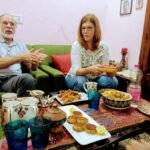
A day in a real Delhi home food setup can change how you cook. This 12-hour, hands-on workshop teaches 7–8 authentic dishes and lets you taste about a dozen traditional favorites, with the menu shaped around your preferences by Malika and Arunag.
What I like most is the attention to spice-and-technique basics and the fact that you don’t just cook one dish and leave. You also get written recipes and ongoing help, which makes it easier to repeat the results at home. A possible drawback: the class is on a home setup with 3 flights of stairs, so it may not work for everyone.
If you want a cooking class that feels more like a family meal with a lesson built in, this one fits. You’ll start with chai and snacks, cook through lunch and dinner, and even get time for lighter prep between courses. The format is long, but it’s long in a useful way—every break supports the next cooking block.
In This Review
- Key things that make this class worth your time
- A Delhi Home Kitchen That Teaches the Whole Meal
- Your Customized Menu: Veg, Non-Veg, and Even Specialty Preferences
- Morning Welcome Around 10:00 AM: Chai, Coffee, and a Quick Flavor Check
- The First Big Cooking Block: Learning by Doing From 10:30
- Lunch Options: Veg Thali vs. Chhola Bhatura
- Option 1: Traditional Vegetarian Thali
- Option 2: Chhola Bhatura
- Non-veg lunch
- The Midday Break and Dinner Prep That Keeps the Day Comfortable
- Tea-Time Around 4:30 PM: Masala Chai, Pakoras, and Chaat-Style Snacks
- The Final Cooking Peak: Dinner Built Around Your Non-Veg Curry Choice
- Recipes, Written Take-Home Results, and Life-Long Assistance
- Price and Logistics: What $109 Gets You, and When It Makes Sense
- Who Should Book This Cooking Class in New Delhi
- Should You Book It? My Practical Take
- FAQ
- How long is the New Delhi cooking class?
- Where does the class take place?
- Is this class private?
- How many dishes will I learn?
- Will I also taste food during the class?
- What happens for lunch?
- What is included besides cooking?
- Do I get recipes to take home?
- Is the menu customizable?
- Is it suitable for people with food allergies or mobility needs?
Key things that make this class worth your time
- Full-day pacing (about 12 hours) so you learn techniques across the whole meal, not just one session
- Customized menu choices for vegetarian or non-vegetarian preferences, planned after you contact the hosts
- Two major cooking peaks: a full lunch program (thali or chhola bhatura) and an iconic non-veg dinner
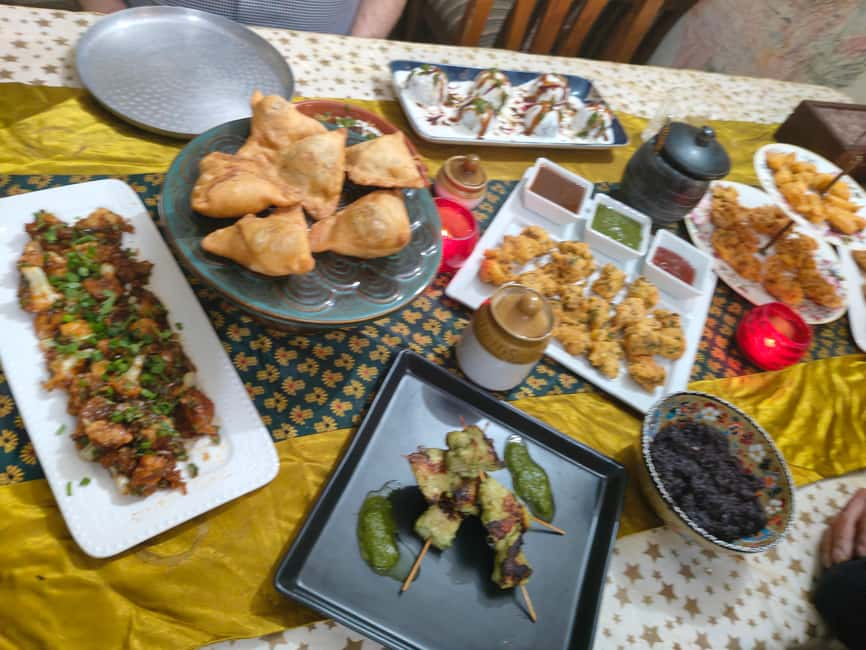
- Tea-time break at around 4:30 PM with masala chai, pakoras, and a homemade street snack like chaat
- Recipes plus lifelong assistance, which matters if you want to cook these dishes again later
A Delhi Home Kitchen That Teaches the Whole Meal
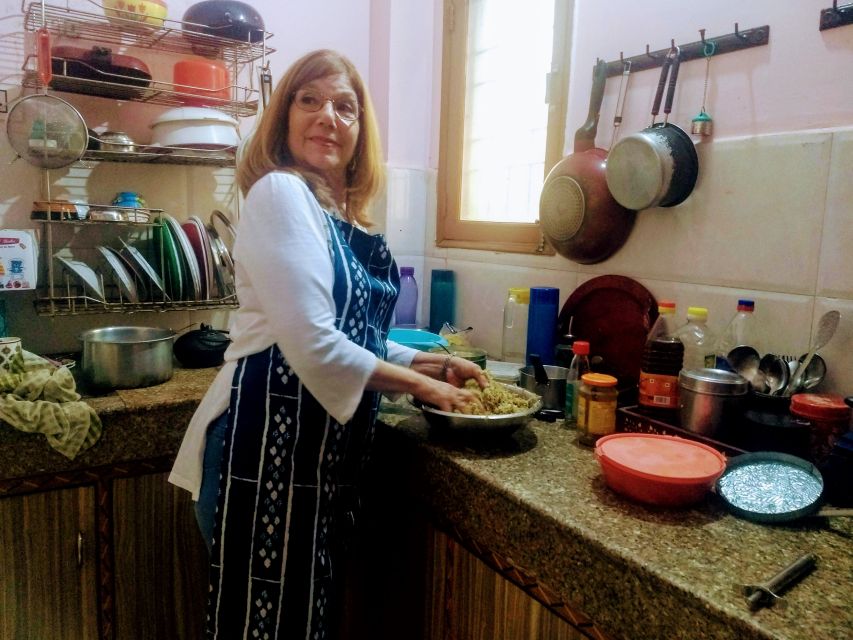
This is not the usual quick cooking stop where you chop onions for a bit and call it culture. The day is designed like a real meal timeline. You arrive around 10:00 AM, get settled with a warm welcome, then you cook from late morning through dinner.
The home setting is a big part of why this works. You’re learning in a kitchen that runs on how Indian households actually cook: spices first, sauces in layers, bread and sides timed alongside curries. That’s what turns a “class” into something you can repeat.
And because you’re learning 7–8 dishes (plus tasting roughly 12 traditional foods), you’re not leaving with just one standout recipe. You’ll understand how different components work together—rice with the right tempering, breads that match the sauce, cooling raita alongside something spicy.
One practical note: it’s a private group, and the hosts communicate in advance so they can build your menu around you. If you’re picky about flavors or you want certain dishes, this is where that flexibility shows up.
You can also read our reviews of more tours and experiences in New Delhi.


Your Customized Menu: Veg, Non-Veg, and Even Specialty Preferences
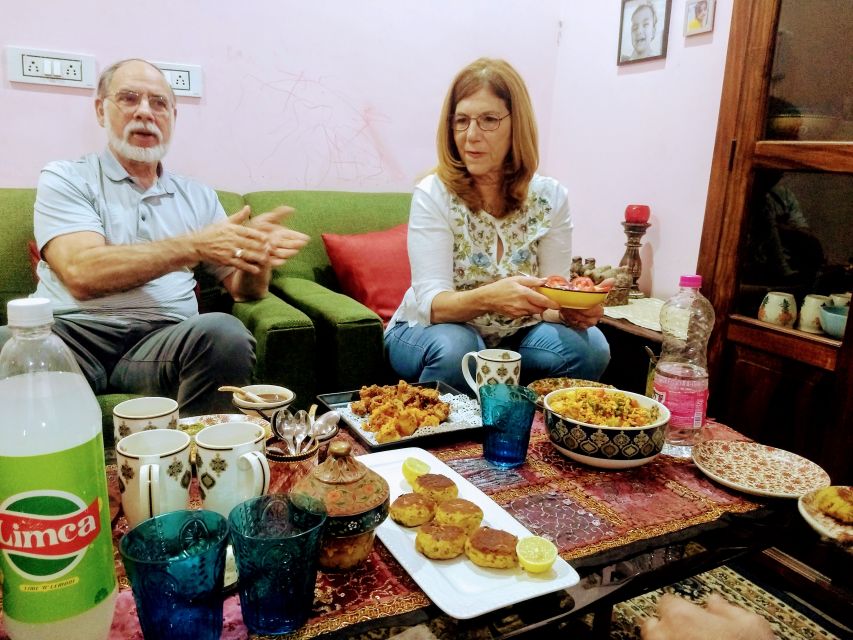
The hosts—Malika and Arunag—plan the day based on your tastes after booking. That matters because Indian cooking isn’t one-size-fits-all. Even within one cuisine, the spice level, the heaviness of gravy, and what you pair with rice or bread can shift a lot.
Here’s how customization shows in the structure:
- Lunch can be a traditional vegetarian thali or you can choose chhola bhatura
- Dinner centers on an optional non-vegetarian curry of your choice (examples include butter chicken, korma, nihari, rogan josh)
- Non-vegetarian lunch is also possible on request
From the reviews, I also see this kind of tailoring go beyond simple veg vs. non-veg. People mention having menus adapted for preferences like pescatarian setups and theme dinners (including Diwali-themed choices). That tells you the hosts aren’t just swapping one protein—they’re thinking about the meal as a whole.
If you’re a beginner, the customization is reassuring. You can pick dishes that won’t overwhelm you, while still getting the core techniques you’ll need later at home. If you’re more experienced, you can request specific outcomes (like particular curries or biryani styles) and learn how they build flavor step-by-step.
Morning Welcome Around 10:00 AM: Chai, Coffee, and a Quick Flavor Check
The day starts gently. Around 10:00 AM, you’ll be greeted with welcome coffee or chai plus an Indian sweet. Then Malika and Arunag talk with you about what you like—so you’re not cooking “blind.”
I like this start because it sets expectations early. You’re given a flavor direction before the knife hits the cutting board. And it helps if you’re sensitive to spice or you know you want more savory depth rather than heat.
The hosts also explain the plan for the day. Even without a formal lesson plan filled with buzzwords, you’ll feel oriented: what you’ll cook first, what you’ll taste along the way, and how lunch feeds into dinner preparation.
Then, around 10:30 AM, you begin the hands-on cooking.
The First Big Cooking Block: Learning by Doing From 10:30
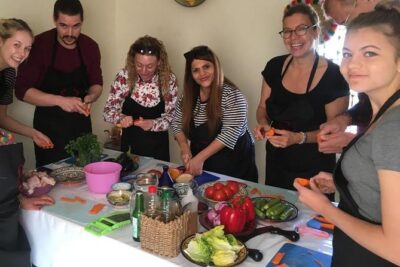
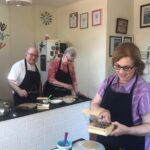
This workshop runs on action. Once you’re in the kitchen, you’re not just watching. You’ll participate in cooking tasks and learn the processes that make Indian dishes taste layered instead of flat.
What you can expect in this phase:
- technique for spice handling (when spices bloom, when they cook down, and how they change sauce flavor)
- work timing so breads, sides, and curries don’t fall out of sync
- practical guidance for building flavor and texture, especially in sauces and gravies
If you’re a kitchen beginner, the advantage is clarity. One review notes how the host was very clear and kind with guidance. That’s exactly what you want in a home class: instruction that helps you succeed, not pressure to keep up.
If you already cook Indian food, you’ll still benefit. You’ll likely notice small household-level choices—how much masala to build at each stage, how texture is judged, and how raita or sides balance the main dish.
Lunch Options: Veg Thali vs. Chhola Bhatura
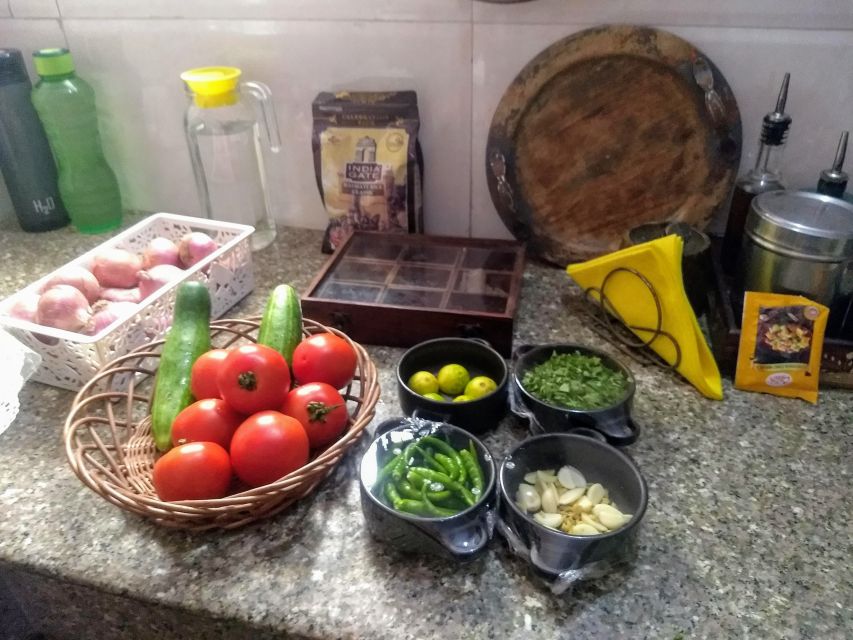
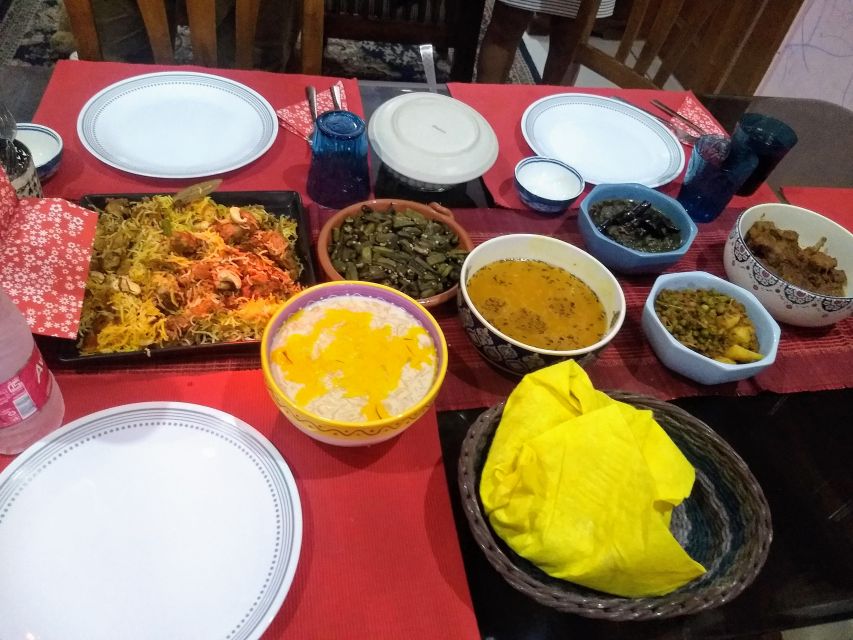
Lunch is a major part of the learning. You’re not eating a token meal; you’re building the meal components you’ll later recognize in Indian restaurants and homes.


Option 1: Traditional Vegetarian Thali
A vegetarian thali in this class includes:
- a seasonal veggie
- a potato dish
- a paneer dish
- dal tadka or makhni
- jeera rice
- puri (fried bread)
- raita (flavored yogurt)
- pickles and relishes
- dessert
This is a smart way to learn. A thali forces you to understand balance:
- carbs (rice and puri) pair with lentils and creamy gravies
- raita cools heat and adds tang
- pickles and relishes bring punch and contrast
- dessert rounds out the meal so flavors don’t feel one-note
Option 2: Chhola Bhatura
If you prefer a street-food classic, lunch can switch to:
- chhola
- bhatura (fluffy fried bread)
- potato dish
- veg pulao
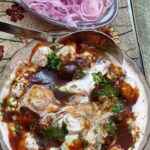
- dahi bhalla (dumplings in yogurt)
- Indian relishes, pickles, and dessert
This option is great if you like a mix of textures: fried breads, saucy chickpeas, creamy yogurt elements. It also teaches you how fried breads and wet curries work together without getting soggy—timing is key.
Non-veg lunch
On request, non-vegetarian options can be added to lunch. If your priority is learning sauces and spice strategies that pair with meat, ask early during menu planning.
The Midday Break and Dinner Prep That Keeps the Day Comfortable
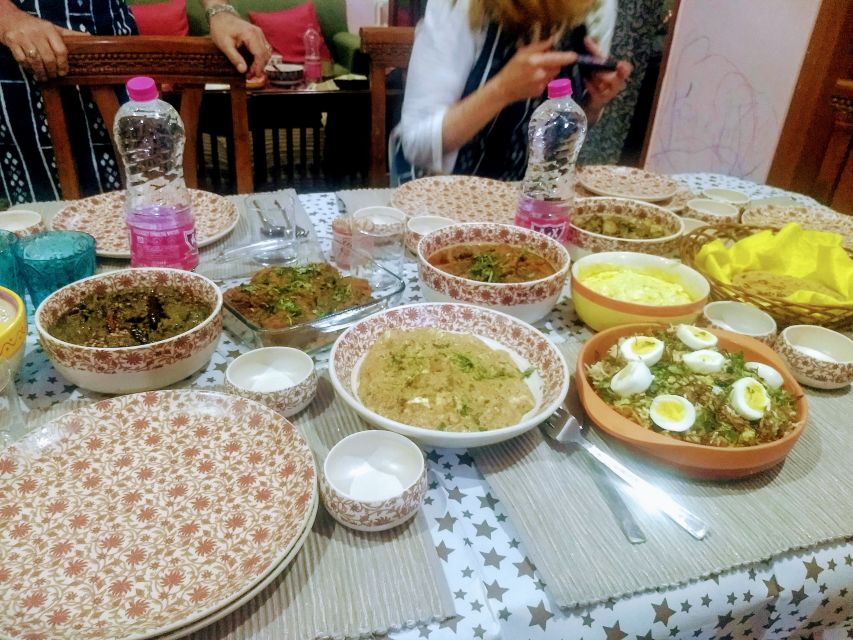
After lunch, you get about an hour to relax. Then you return to the kitchen for lighter dinner prep—things like frying onions and marinating ingredients.
I appreciate this structure. Many cooking classes ignore the fact that your energy matters. Here, the break gives you time to digest and reset so you can handle the final cooking peak without feeling rushed.
Dinner prep is also where you learn smart workflow:
- onions and aromatics are prepared ahead so sauces cook faster later
- marinating sets flavor and improves texture for kebabs/tikka and curry
- you start thinking like a cook managing stages, not just following a recipe
Tea-Time Around 4:30 PM: Masala Chai, Pakoras, and Chaat-Style Snacks
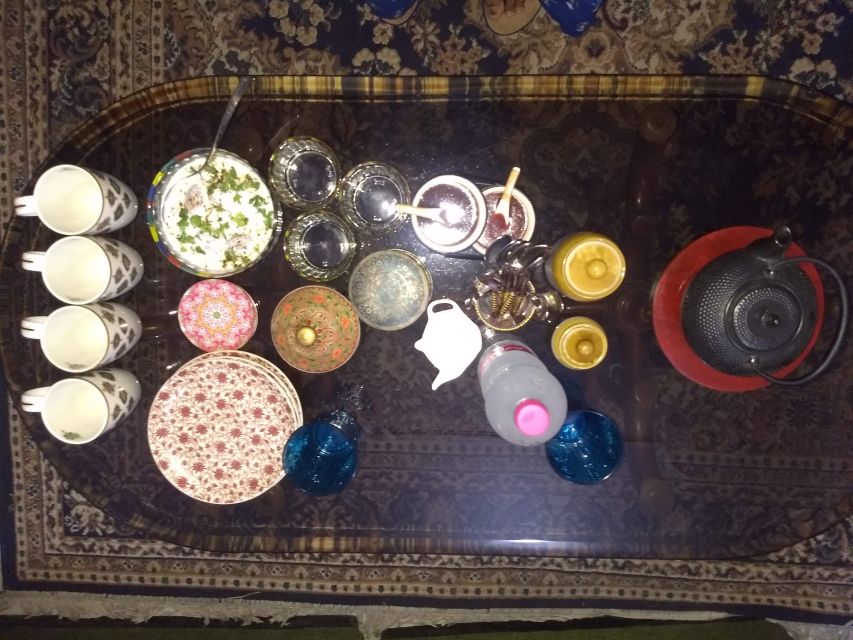
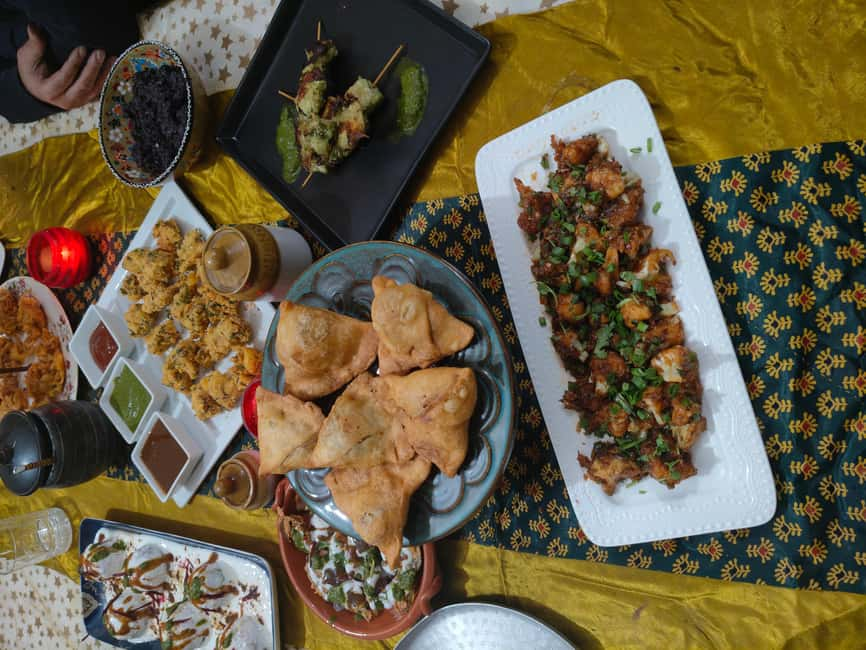
At around 4:30 PM, the class slows down into snack mode. You’ll have a cup of masala chai paired with pakoras and a homemade street snack like chaat.
This part is more than a break. It gives you:
- a flavor palette reset (chai is soothing and cuts grease)
- a taste check on how spices should land in smaller bites
- a chance to ask questions while you’re not mid-cook
From one review, I also picked up an extra cultural touch: there was time for a neighborhood walk with hosts, meeting neighbors and enjoying a view from a roof. That isn’t guaranteed in the core plan, but it’s the kind of home-experience detail you might be offered depending on timing and the day’s flow.
The Final Cooking Peak: Dinner Built Around Your Non-Veg Curry Choice
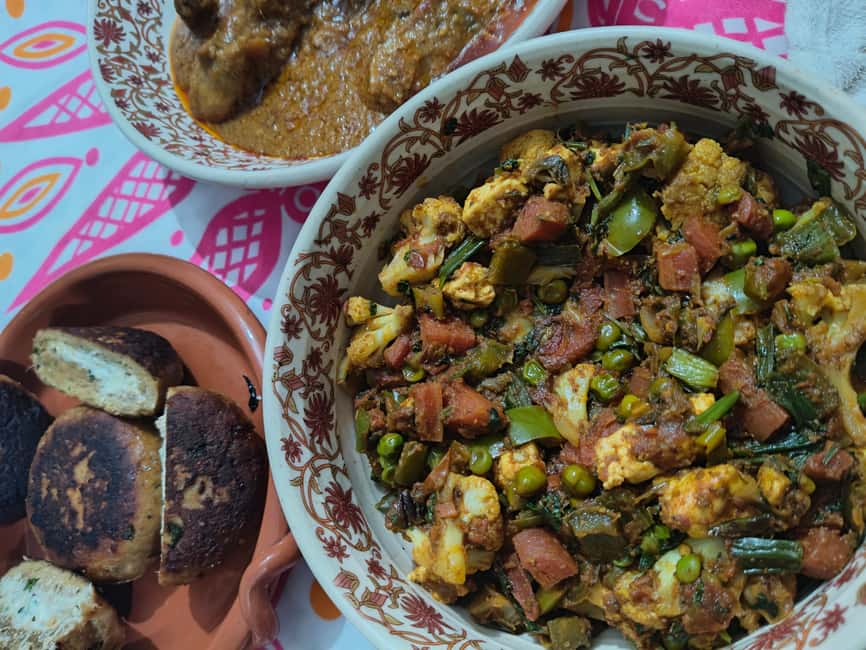
After tea-time, you get to the most exciting part: cooking an iconic Indian dinner you’ll likely want to recreate later.
Dinner includes:
- a non-veg curry of your choice (examples listed include butter chicken, korma, nihari, rogan josh)
- one seasonal veggie
- kebabs or tikka
- two types of bread
- chicken or mutton biryani
- homemade Indian dessert
This combination is excellent for learning because it covers the full range:
- curry teaches gravy depth and spice layering
- kebabs/tikka teach protein treatment and seasoning
- breads give you the technique side of Indian cuisine beyond rice
- biryani teaches how to build a complete meal in one pot or process
- dessert ends the day so you’re not leaving hungry or drained
If you’re worried about the workload, don’t be. The class runs as a full-day sequence with guidance throughout, and the hosts are used to teaching people with different skill levels. One review also notes an easy, participatory style even for someone who considered themselves a kitchen noob.
Recipes, Written Take-Home Results, and Life-Long Assistance
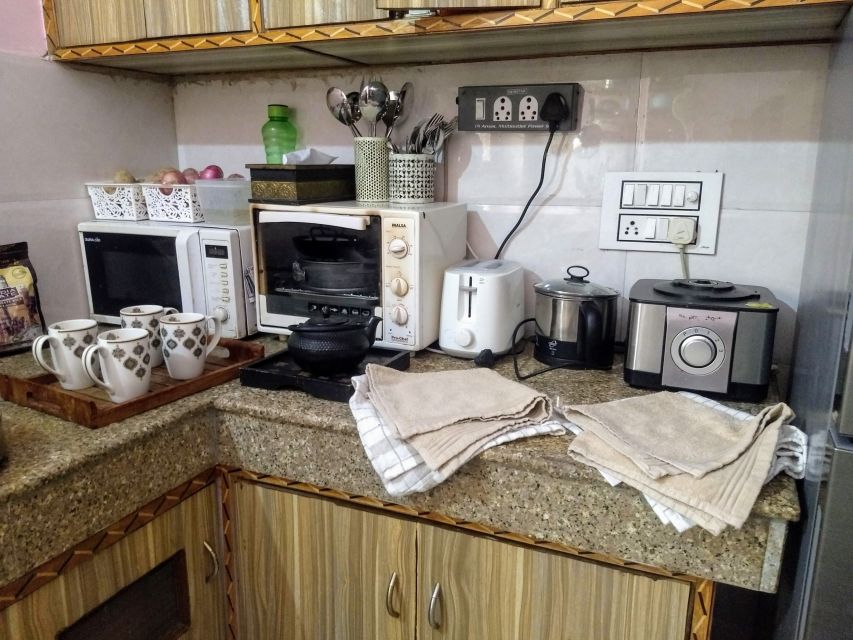
You don’t leave empty-handed. You’ll get written recipes for all dishes prepared, and the experience includes life-long assistance.
That part is huge for value. Cooking classes often stop at “here’s what we made.” This one gives you a reference you can actually use on a return trip to your own kitchen.
Also, tasting around 12 traditional foods during the day means you’ll learn beyond what you personally cook. You’ll taste sides, snacks, and components so you understand why they work with the dishes you’re making.
If you like to recreate restaurants at home, this helps you avoid the common mistake: copying the name without understanding the balance of spices, sides, and textures.
Price and Logistics: What $109 Gets You, and When It Makes Sense
At $109 per person for about 12 hours, the price is not the cheapest cooking class in town. But it’s also not a short demo. You’re paying for:
- full-day structure across lunch and dinner
- hands-on cooking for 7–8 dishes
- tasting about 12 foods
- written recipes for everything you make
- a level of menu customization based on your preferences
- in-home hosting by Malika and Arunag
That combination can feel like good value if you:
- want a deeper skill set (not just a fun meal)
- enjoy Indian food enough to actually cook again later
- care about customizing spice level or dish choices
- like learning from someone who cooks household-style, not just professionally staged
Logistics worth knowing:
- There’s no hotel pickup or drop-off. Your host contacts you after booking with their address and transport suggestions.
- The class requires 3 flights of stairs, so it can be tough if mobility is limited.
- Alcoholic beverages are not included.
One more practical point: the hosts share they are English-speaking, which makes the lesson easy to follow even if you’re new to Indian cooking terms.
Who Should Book This Cooking Class in New Delhi
This is a great fit if you’re a:
- foodie who wants more than restaurant flavors
- beginner who needs clear step-by-step guidance and a supportive pace
- intermediate cook who wants authentic technique and spice logic
- person who enjoys custom experiences rather than a fixed menu
It’s less ideal if:
- you can’t manage stairs
- you have food allergies (the activity is not suitable for people with allergies)
- you’re looking for a quick 2–3 hour class and you don’t want a full day schedule
If you’re traveling solo or with a partner, private group style can feel extra comfortable. If you’re with friends, you’ll still get the custom planning advantage, but you should expect the day to be active.
Should You Book It? My Practical Take
I’d book this if you want a real skills-and-recipes day in New Delhi, not just a meal. The fact that Malika and Arunag plan your menu ahead, teach hands-on across lunch and dinner, and give written recipes plus ongoing help makes the higher price feel more justified.
Skip it if stairs are a deal-breaker for you, if allergies are a concern, or if you prefer short experiences over a full-day schedule.
If you do book, do one smart thing: message your preferences early. The whole experience gets better when your spice level, vegetarian or non-veg needs, and must-cook dishes are clearly communicated.
FAQ
How long is the New Delhi cooking class?
It runs for about 12 hours, starting around 10:00 AM.
Where does the class take place?
In a local home in New Delhi. The host contacts you with the address after you book and suggests transport based on where you are.
Is this class private?
Yes. It’s listed as a private group experience.
How many dishes will I learn?
You’ll learn about 7–8 authentic Indian dishes.
Will I also taste food during the class?
Yes. You’ll taste around 12 traditional Indian foods of your choice during the day.
What happens for lunch?
Lunch is built around either a traditional vegetarian thali or chhola bhatura. Non-vegetarian options can be added to lunch on request.
What is included besides cooking?
You’ll have welcome coffee or chai with an Indian sweet, homemade tea-time snacks, bottled water, and a traditional lunch and dinner. All ingredients and cooking equipment are included too.
Do I get recipes to take home?
Yes. You receive written recipes for all dishes you prepare.
Is the menu customizable?
Yes. You can discuss your food preferences with the hosts, and your menu can be adjusted based on timing and what you like.
Is it suitable for people with food allergies or mobility needs?
No. It’s not suitable for people with mobility impairments (there are 3 flights of stairs) or for people with food allergies. Alcoholic beverages are not included.