REVIEW · TIRANA
Cooking Class & Traditional Albanian Dinner
Book on Viator →Operated by Albanian Culinary Experience · Bookable on Viator
Cooking in Albania is more than food. It’s a one-night story told with your hands, from thin filo pies to plum-syrup meat. In Tirana, this 5-hour class pairs traditional Albanian dishes with background from Chef Sokol Prenga, so you don’t just eat well—you understand what you’re tasting.
I like two things a lot. First, the pace is hands-on: you’ll help make multiple courses, not just watch. Second, the menu covers a real spread of Albania, including pispili (spinach pie) and regional comfort classics like tavë kosi.
One thing to think about before you book: the class runs Monday to Friday evenings, and it requires a minimum group size. If you’re traveling on a tight schedule or only have weekends free, that timing could be a dealbreaker.
In This Review
- Key Reasons This Cooking Class Works
- Albanian Cooking in Tirana: What the Evening Feels Like
- Where You Start: Delikatesë Pastiçeri and an Easy Evening Plan
- The Menu You Actually Want to Cook: Pite, Pispili, and Albanian Breads
- Pite and the Thin Filo Moment
- Pispili: Spinach Pie with Character
- Albanian Breads: The Warm-Up You’ll Appreciate Later
- Tavë Kosi: The Yogurt-Lamb Comfort Course
- Main Courses That Feel Regional and Personal
- Mish me Pistil: Veal Ribs with Plum Syrup
- Shqeto e Permetit: Egg-Based Soup from Permet
- Qumeshtor Flan: The Dessert That Closes the Loop
- Chef Sokol Prenga and the Teaching Team: Why It Feels Personal
- Group Size and Pacing: Up to 20 People, Not a Factory
- Price and Value: Is $90.11 Worth It?
- Timing in Tirana: How to Fit This Into Your Day
- Who Should Book (and Who Might Not)
- Quick FAQ
- FAQ
- How long is the cooking class and traditional dinner?
- Where does the experience start in Tirana?
- Is instruction available in English?
- What’s the group size limit?
- What dishes are included?
- Do I need to bring anything?
- Can I cancel for a full refund?
- Should You Book This Tirana Albanian Dinner and Cooking Class?
Key Reasons This Cooking Class Works
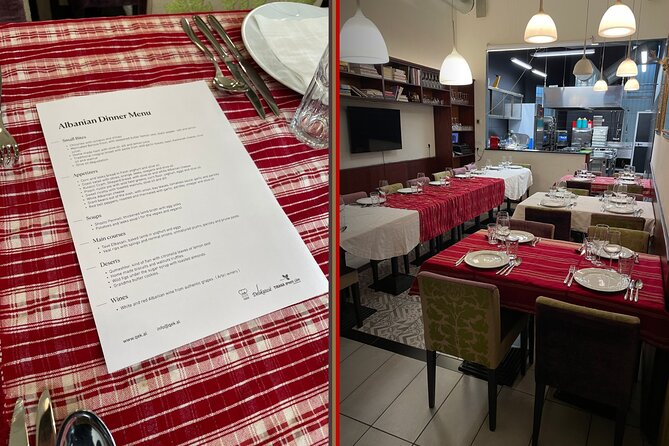
- Chef-led history with real ingredient focus: Chef Sokol Prenga explains where dishes come from and why certain flavors show up again and again.
- Hands-on menu across courses: starters, mains, and dessert—planned so you work during the evening, then you eat what you helped create.
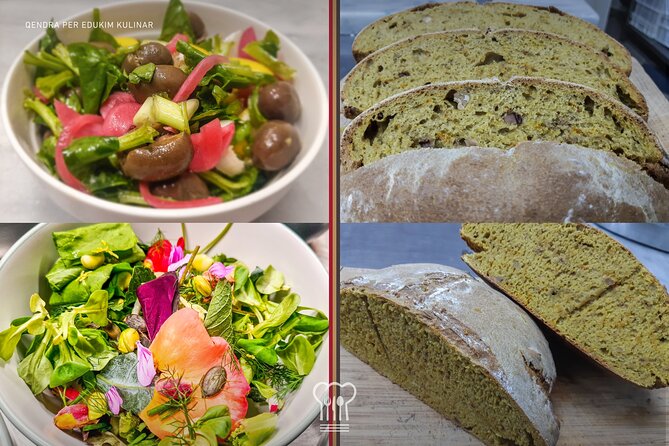
- Albanians’ every-day bread culture: you’ll learn about and make choices like Bukë Kallamoqe, Bukë Misri, Kulaç, Pogaçe, and Kamkuçe.
- Regional flavor on the menu: you’ll see dishes tied to places, including Shqeto e Permetit from Permet.
- Small-to-medium group energy: up to 20 people, which keeps the teaching interactive.
- A party mood without losing the cooking: the vibe leans social, with music and plenty of laughter during the meal.
Albanian Cooking in Tirana: What the Evening Feels Like
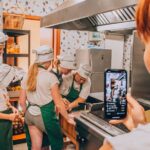
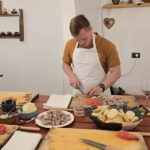
This isn’t a quick cooking demo where you sit back and pretend you learned something. It’s a structured evening designed to get you working in the kitchen—then eating in a warm, friendly setting.
The best part is the balance. You get technique (how to handle dough, how to build flavor), plus context. Chef Sokol Prenga brings in the evolution of Albanian cuisine, from older culinary customs to what’s on tables today. That matters because many Albanian dishes rely on smart simplicity: yogurt for tang, herbs for lift, and pastry or bread for structure.
The whole experience runs about 5 hours, with the cooking portion roughly 4–5 hours. You’ll be busy most of the evening, and the meal payoff is the point: you’ll prepare multiple courses and savor them afterward.
You can also read our reviews of more tours and experiences in Tirana.
Where You Start: Delikatesë Pastiçeri and an Easy Evening Plan
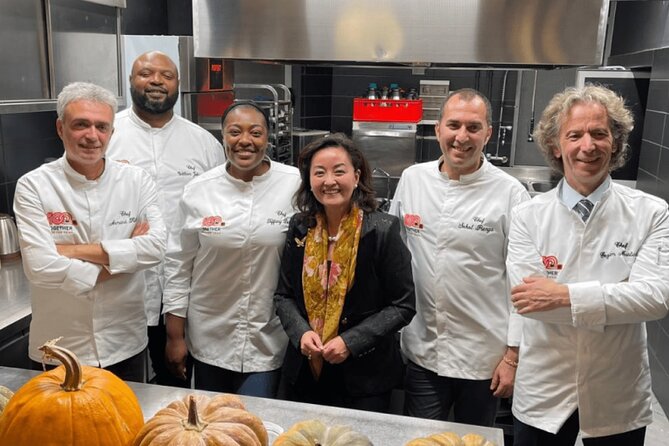
Your meeting point is Delikatesë Pastiçeri on Rruga Myslym Shyri 97 in Tirana. The venue opens for this experience from Monday to Friday, running 5:00 PM to 10:00 PM.
Why this matters for your trip planning: it’s a practical dinner choice. You can treat it like your main evening meal. Since it ends back at the meeting point, you won’t need to coordinate a late-night plan or hunt for transportation right afterward.
Also, it’s near public transportation, which is helpful if you’re pairing it with a daytime plan in Tirana. I’d treat the class like your anchor event—plan museum and walking time earlier, then shift into cooking mode later.
The Menu You Actually Want to Cook: Pite, Pispili, and Albanian Breads
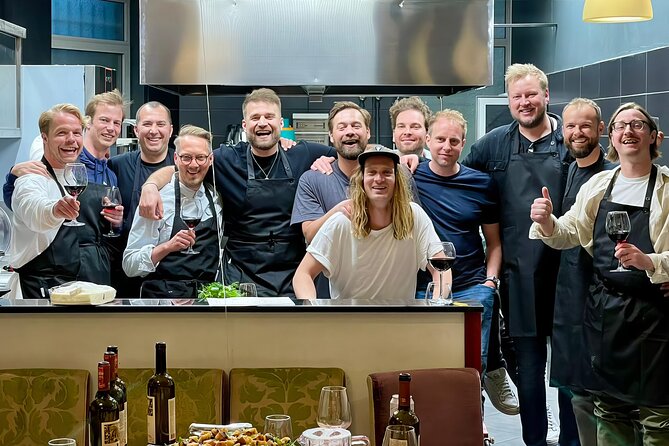
The evening starts with savory starters that make a strong impression fast.
Pite and the Thin Filo Moment
One starter is Pite, an Albanian pie with home-stretched thin filo dough. The filling varies by what you’re making, but for this class it’s named for its contents: spinach, minced meat, leek, and feta cheese. You’re not just learning a dish—you’re learning why it works. Thin dough cooks quickly and turns crisp. The filling provides salt and fat through feta, plus earthiness from spinach and savory depth from the meat.
Even if you’re a beginner, this kind of starter is a great way to learn. It’s tactile, forgiving in small ways, and it sets the tone: you’re building layers, not dumping ingredients into a pot.
Pispili: Spinach Pie with Character
Next up is Pispili, the Albanian spinach pie. Expect a hands-on approach where you get to work the dough and portion the filling. This dish is a highlight for a reason: it gives you a clear target for taste. You’ll notice how spinach changes when cooked, how seasoning shows up in the filling, and how pastry texture makes a big difference even with the same ingredients.

Albanian Breads: The Warm-Up You’ll Appreciate Later
You’ll also tackle traditional breads, with a lineup including:
- Bukë Kallamoqe
- Bukë Misri
- Kulaç
- Pogaçe
- Kamkuçe
Breads aren’t just side dishes here. They’re part of how Albanian meals work—flour choices, corn and wheat variation, and bread shapes tied to local habits. I like that the class includes multiple bread types rather than pretending one bread equals Albanian baking.
And yes, you’ll likely go home wanting to understand which flour or method creates which texture. That curiosity is the whole point.
Tavë Kosi: The Yogurt-Lamb Comfort Course
Then comes Tavë Kosi, a baked casserole with yogurt and lamb. This is classic comfort food energy: tangy yogurt, tender meat, and a baked finish that brings everything together.
This course has a practical learning payoff. When you cook something that bakes slowly and evenly, you learn what “timing” really means in the kitchen. You also understand how yogurt behaves under heat—how it turns into a sauce-like base instead of just staying like plain dairy.
If you’re wondering which course feels most like a family dinner, this is often the one. It’s hearty without being heavy, and it balances the pastry and dough-heavy starters you’ll have already made.
Main Courses That Feel Regional and Personal
After the starter rhythm, the mains shift into richer, deeper flavors.
Mish me Pistil: Veal Ribs with Plum Syrup
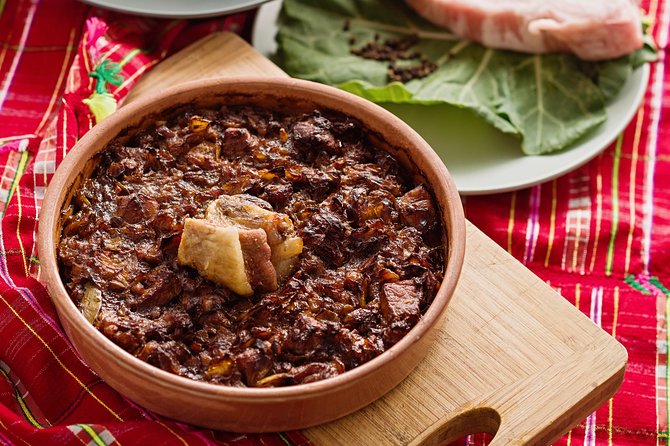
One main is Mish me Pistil—veal ribs with plum syrup. Plums in a savory meat course might sound unusual if you mostly think of fruit as dessert, but this kind of pairing makes sense once you taste it. Plum brings sweetness and acidity, and it rounds out the richness of the meat.
This is also a good course for learning how sweet-sour flavors integrate. The point isn’t to overpower. It’s to make the meat taste more complete, like it has a finish and not just a center.
Shqeto e Permetit: Egg-Based Soup from Permet
The other main is Shqeto e Permetit, an egg-based soup from Permet. Soup may not sound like a “main course,” but Albanian egg soups can be surprisingly satisfying, thanks to thickening and seasoning.
This dish is valuable for a different reason: it teaches you that Albanian cooking isn’t only about pastry and casseroles. There’s a strong tradition of simple, warming soups that make winter weather feel manageable.
Qumeshtor Flan: The Dessert That Closes the Loop
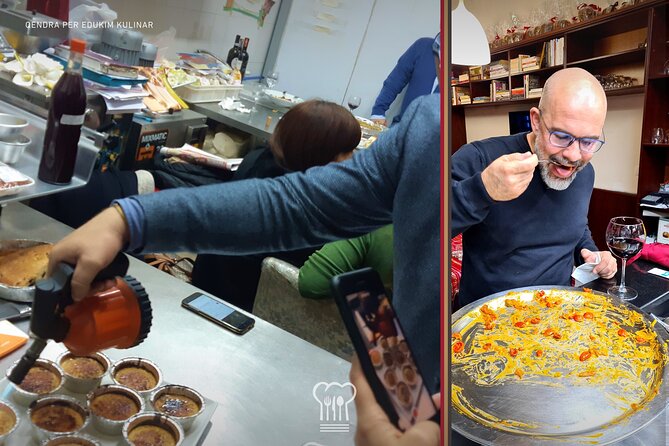
For dessert, you’ll have Qumeshtor, an Albanian flan. This is a fitting final note because it ties back to the dairy themes you’ve already tasted—yogurt in tavë kosi, creamy elements in savory dishes, and then the sweet version.
Dessert works best when the meal earlier hasn’t been too sweet. A flan is that kind of finish: soft, creamy, and not overly complicated.
Also, because the evening is structured, dessert doesn’t feel like an afterthought. It’s part of the complete dinner arc: savory starters, warm mains, then a calm sweet end.
Chef Sokol Prenga and the Teaching Team: Why It Feels Personal
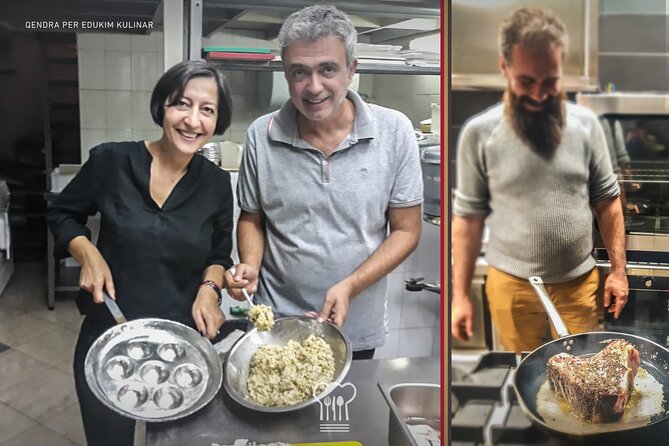
This class centers on Chef Sokol Prenga, and the way he teaches shows up in how people describe the evening. There’s a steady mix of cooking guidance and stories about Albanian food—smiles, laughs, and a social tone that keeps it from feeling like a classroom.
A few things you can expect from the teaching style, based on how the experience is described:
- The team is patient with beginners, so you’re not expected to be an experienced cook.
- Sokol gives practical tips and small technique guidance as you go, instead of waiting until the end.
- The evening includes cultural context tied to ingredients, not just random facts.
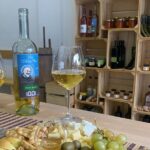
And yes, the vibe often includes music and a group-friendly meal atmosphere. Some people even mention wine during the evening. That fits the format: you’re cooking together, then eating together, with enough social time to talk while you wait for dishes to finish.
Group Size and Pacing: Up to 20 People, Not a Factory
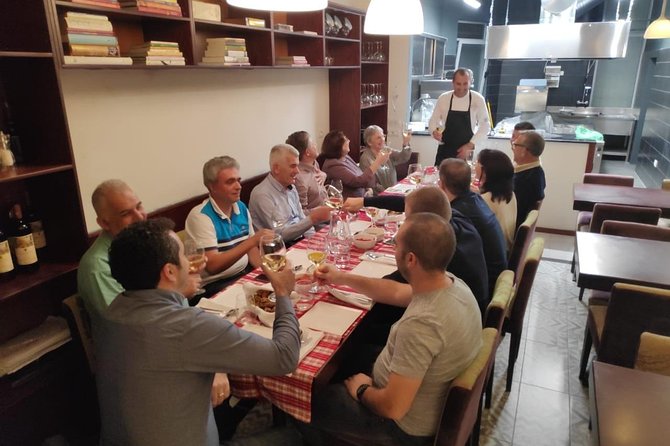
This experience caps at 20 travelers and has a minimum of 8 participants. That matters because it affects how much attention the kitchen team can give you.
In a larger group, the risk is that you spend too long waiting. Here, the menu is course-based and hands-on, which helps keep you engaged. Reviews also point to people mixing into the space easily, even when groups are around the full limit.
Pacing is also shaped by the kitchen reality: pastry and baking take time. But since you’re actively helping with multiple courses, you’re not just standing around. You’re learning, tasting, and adjusting along the way.
Price and Value: Is $90.11 Worth It?
At $90.11 per person, you’re paying for three things at once:
- Hands-on cooking instruction
- A multi-course Albanian meal
- Cultural storytelling tied to ingredients and dishes
If you price this like a normal “dinner,” it’s likely a good deal, because you’re not just being served one entrée—you’re eating across starters, mains, and dessert. If you price it like a cooking class, it’s also fair because the duration is substantial (about 5 hours), and the menu includes multiple dish types, including dough work and baked casserole timing.
The biggest value factor is that you leave with more than food. You leave with a better sense of what makes Albanian cuisine Albanian—thin pastry traditions, dairy-based comfort cooking, and fruit-meets-savory flavor in dishes like plum-syrup meat.
Timing in Tirana: How to Fit This Into Your Day
This runs Monday through Friday between 5:00 PM and 10:00 PM. That makes it ideal for:
- A daytime walking and sightseeing plan
- Then a late dinner-style cooking evening
Since it starts at a fixed meeting point and returns there, it’s easy to schedule. I’d plan to eat a light lunch beforehand, so dessert still feels like dessert instead of like food regret.
Also, the course is offered in English, which is a big comfort if you don’t speak Albanian. You’ll have a smoother time following instructions and enjoying the ingredient stories.
Who Should Book (and Who Might Not)
This suits you best if you want more than a restaurant meal. If you enjoy learning by doing—touching dough, assembling fillings, tasting as you go—this is a great match.
It’s also a strong group activity for friends. The menu and group size keep the energy social without turning it into chaos.
You might think twice if:
- You can only travel on weekends (it runs Monday–Friday).
- You need a strictly short evening. This is about a 5-hour experience.
- You dislike group cooking setups, even with up to 20 people.
Quick FAQ
FAQ
How long is the cooking class and traditional dinner?
It lasts about 5 hours (approx.), with the cooking part taking roughly 4–5 hours.
Where does the experience start in Tirana?
It starts at Delikatesë Pastiçeri, Rruga Myslym Shyri 97, Tirana, and ends back at the same meeting point.
Is instruction available in English?
Yes, the experience is offered in English.
What’s the group size limit?
There’s a minimum of 8 participants and a maximum of 20 travelers.
What dishes are included?
You can expect starters like Pite, traditional Albanian breads, Tavë Kosi, and Pispili, plus mains such as Mish me Pistil and Shqeto e Permetit, followed by dessert Qumeshtor.
Do I need to bring anything?
The experience includes a mobile ticket. Beyond that, no specific extra items are listed, so you should just show up ready to cook.
Can I cancel for a full refund?
Yes. You can cancel up to 24 hours in advance for a full refund, and the policy is based on local time. If you cancel less than 24 hours before, it isn’t refunded.
Should You Book This Tirana Albanian Dinner and Cooking Class?
If you’re in Tirana and you want one evening that’s practical, tasty, and genuinely Albanian, I’d book this. The menu is broad enough to feel like a real dinner—breads, pastries, casserole, soup, meat with plum syrup, and flan—while still being structured so you’re actively involved.
Do it if you can make a Monday–Friday evening and you’re okay with a group of up to 20. If that works, you’ll get a full meal and a set of cooking memories you can actually recreate later.