A night in someone’s kitchen beats a restaurant. This Berat class is hands-on, small-group, and built around family cooking plus a relaxed wine and raki tasting. You learn how to make three traditional dishes, eat what you cook, then continue with tastings that connect the drinks to Albanian grapes and customs.
I especially like that the class is designed for real participation, not just watching. You’re guided through cooking steps for classics like byrek, tavë kosi, fërgesë, stuffed peppers, and even gliko (sweet preserves), with the family pitching in to explain and keep things moving. Second, I like the size and pace: up to 10 travelers for about 4 hours, so you can ask questions without shouting.
One consideration: the experience requires good weather, so if conditions are poor, you may be offered another date or a refund. Also, since the exact dishes can vary by group and season, you should stay flexible if you have your heart set on a specific recipe.
In This Review
- Key Points That Make This Class Worth Your Time
- A Family-Home Cooking Class in Berat: The Real Point of the Evening
- What You Actually Cook: The Menu of Albanian Classics
- The First Pour: Raki and Coffee Before You Start Cooking
- Inside the Kitchen: How the Cooking Guidance Works
- A practical tip I’d give you
- The Shared Meal: Eating What You Made (and What Makes It Special)
- Wine and Raki Tasting: What You Learn and What You Taste
- How to think about value here
- Price and Logistics: Small Group, Fixed Time, Real Start Point
- Weather matters
- Who Should Book This Class in Berat
- Should You Book This Berat Cooking Class?
- FAQ
- FAQ
- Where does the experience start?
- How long is the cooking class and tasting?
- How many people are in a group?
- What language is the experience offered in?
- What kinds of dishes will I learn to cook?
- Will there be wine and raki included?
- What wine and raki types are tasted?
- Is a mobile ticket provided?
- What’s the cancellation policy like?
- What happens if weather is bad?
Key Points That Make This Class Worth Your Time
- Local home setting in Berat: you cook with a family, not in a big studio kitchen.
- Three classic dishes, guided end-to-end: the menu changes by group and season, but the focus stays hands-on.
- Family storytelling during cooking: you’ll likely meet hosts named Addison/Edisson, Jimmy, and Motherke, with the kids acting as interpreters when needed.
- Garden-to-table charm: one session includes citrus trees in the yard, with fresh fruit you can pick.
- Wine + raki tasting with named local types: Shesh i Bardhë (white), Shesh i Zi (red), plus grape raki and walnut raki.
A Family-Home Cooking Class in Berat: The Real Point of the Evening
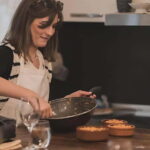
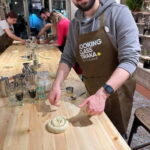
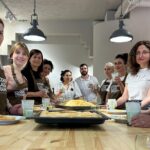
This isn’t a cooking demo. It’s a meal you build with your hands, right inside a local home in Berat—starting from a known meeting point at Qato Tours on Rruga Koli Vësho 63. The small group size (max 10) matters because it turns the kitchen into a conversation, not a classroom. You’re there to learn how Albanian comfort food is assembled, seasoned, and cooked in an everyday setting.
The dishes rotate depending on the season and the group. That’s a plus, not a drawback, because it means you’ll usually get what’s most natural for the ingredients and timing. Expect a mix of savory mains (like byrek-style layered dishes, meatballs, stuffed peppers, eggplant variations, and baked casseroles such as tavë kosi) plus something sweet if gliko is included.
And yes, you eat what you make. That part is often the best value: instead of paying for instruction and then finding dinner elsewhere, you get a shared meal built from your own work.
You can also read our reviews of more tours and experiences in Tirana.
What You Actually Cook: The Menu of Albanian Classics
The class teaches you to prepare three traditional dishes (exact picks depend on the group and season). Based on the available dish list, you could be making some combination of:
- Byrek (a beloved Albanian baked or pan-finished pastry dish with different fillings)
- Meatballs and other minced-meat preparations
- Stuffed peppers and similar vegetable-forward dishes
- Tavë kosi (a baked dish with yogurt-based elements)
- Fërgesë (a hearty skillet-style dish—usually rich and comforting)
- Lakror (a regional flatbread-style dish)
- Gliko (sweet preserves, often used like a dessert component or spoonable sweet)
From the way the cooking is described, you won’t just learn ingredients—you’ll learn the order of operations. That matters because Albanian home cooking often depends on timing: when to sauté, how to build layers, how to keep fillings moist, and when to let everything finish until it’s fragrant and set.
If you’re the type who likes to cook at home afterward, this format is practical. You’ll leave with a clearer mental map of how the dish comes together instead of a vague list of ingredients.
The First Pour: Raki and Coffee Before You Start Cooking
One of the most memorable parts is how the evening gets going. In at least one described session, the hosts begin with a hearty raki, then offer a milder version, and there’s a traditional coffee moment before hands go back to the ingredients. That’s not just a party trick—it’s a rhythm.
Raki early sets a relaxed tone. Then coffee can act like a bridge between social time and work time, helping everyone focus as the cooking begins. In a home setting, these steps also help with conversation, especially when the group is English-speaking and communication support is needed. One session notes that the son and daughter act as interpreters so everyone can follow along.
If you don’t drink alcohol, you should still be able to participate. But since the night can start with raki, it’s worth being honest with the hosts about what you’re comfortable trying.
Inside the Kitchen: How the Cooking Guidance Works
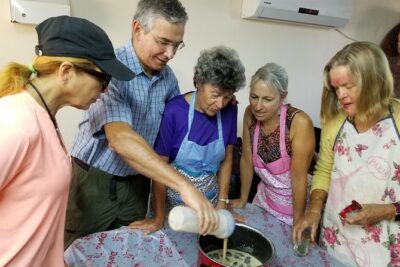
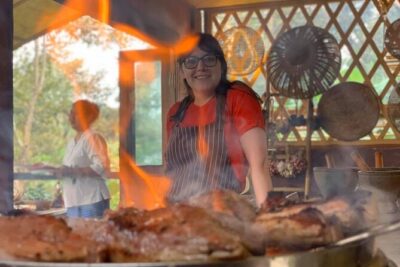
In a small group class, the biggest difference is whether you feel useful. Here, the family structure helps a lot. You may meet Addison or Edisson as a main host, with additional guidance from Jimmy and Motherke, plus other family members like the wife, daughters, and parents involved in the process. That can sound like a lot of people—but in practice, it usually means there’s always someone available to explain a step or help with a pan, dough, or filling.
The cooking portion is where you’ll get the most value. You’re not just tasting; you’re building:
- Prepping ingredients
- Working on assembly steps (like filling, layering, or shaping)
- Following cooking times until the dish is ready to serve
And it’s not sterile. One described detail includes citrus trees in the yard—tangerines and other citrus—so you may even be invited to pick fruit right there. That’s the kind of detail you can’t fake in a commercial kitchen.
A practical tip I’d give you
If you’re serious about learning, take mental notes on steps that are easy to forget once you’re eating. Ask questions about consistency and doneness: how they judge whether filling is ready, what they look for in the dough or layers, and how they adjust seasoning in a home kitchen.
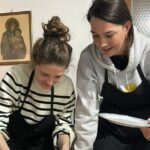

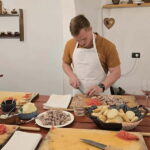

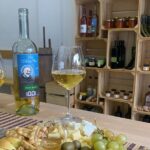
The Shared Meal: Eating What You Made (and What Makes It Special)
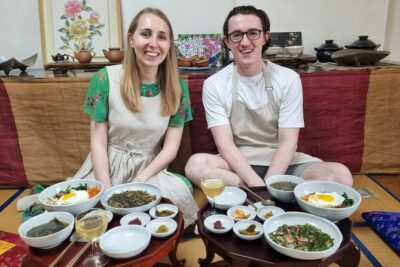
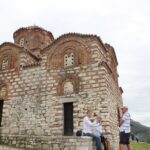
After cooking, you sit down with your group to eat. This matters more than it sounds. In many classes, the meal is an afterthought. Here, the structure is built around the meal you produce together, which makes it feel like part of the host’s day, not just an activity you booked.
Portions are described as more than enough, and food is described as very tasty. In other words, you’re not paying $41.70 just for instruction time—you’re paying for a full, satisfying evening experience that covers both the work and the payoff.
Also, because it’s a family home, the meal is paired with stories and conversation. That’s where you learn the context behind food: why certain dishes are favorites, how families cook differently by season, and what ingredients show up when.
If you’re traveling solo, this is often a good setup because you’re talking while you cook and then again during the meal. You’ll likely leave with more than recipes—you’ll leave with names and a sense of local life.
Wine and Raki Tasting: What You Learn and What You Taste
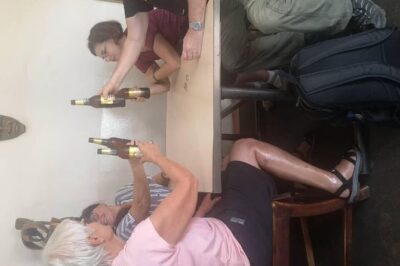
The second half shifts from cooking to drinking, still with teaching. After the meal, you go to a local venue for a tasting focused on Albanian traditions. You’ll sample:
- 1 type of wine:
- White wine: Shesh i Bardhë
- Red wine: Shesh i Zi
- 2 types of raki:
- Raki from grape
- Raki with walnuts
You’ll also learn about production, history, and customs around the drink. That kind of background turns a tasting into something more practical. You stop thinking of raki as just a shot and start understanding what changes from one style to another, and why people treat it as part of social life.
How to think about value here
The overall price includes both the cooking class and the tasting experience. Since you’re paying for instruction, a home-cooked meal, and an organized wine/spirits tasting with explanation, the $41.70 feels less like a simple “class ticket” and more like a full evening program.
Price and Logistics: Small Group, Fixed Time, Real Start Point
This experience costs $41.70 per person and runs about 4 hours. It’s offered in English, and you’ll receive a mobile ticket. It also caps at 10 travelers, which is a big deal in a home setting. You won’t feel like you’re herding people through someone’s daily life.
The meeting point is in Berat at QATO TOURS, Rruga Koli Vesho 63, Berat, Albania. Since the experience ends back at the meeting point, you don’t need to plan onward transport during the activity window.
Weather matters
The experience requires good weather. Some activities in home gardens or outdoor areas can be weather-sensitive, so if it’s raining hard or the day is unstable, expect a potential date change or refund option.
Who Should Book This Class in Berat
I’d point you toward this experience if you want:
- Hands-on cooking instruction in a real home
- A small group evening that’s easy to join without needing cooking skills
- A cultural food-and-drink night, not just a quick tasting
- To leave with practical know-how (not only photos)
It also fits families and mixed groups well because the family setup naturally supports communication. One session notes kids acting as interpreters, which can help you follow steps even if your Albanian is limited.
If you hate any alcohol at all, you might still find the cooking portion enjoyable, but the opening raki and the tasting component are core parts of the program. In that case, consider asking ahead what accommodations are possible.
Should You Book This Berat Cooking Class?
Book it if you want a rare combo: a home-cooked meal you help make plus a structured wine and raki tasting with named local products like Shesh i Bardhë and Shesh i Zi. The small group size, the family-run atmosphere, and the chance to cook multiple classic dishes make it strong value for an evening in Berat.
Skip it only if you’re very inflexible about the menu (because the three dishes can vary by season and group) or if weather uncertainty would be a problem for your schedule.
If you’re in Berat with a few hours free and you like learning through doing, this is the kind of experience that leaves you with more than a souvenir. It leaves you with a sense of how real Albanian meals get made and shared.
FAQ
FAQ
Where does the experience start?
It starts at QATO TOURS on Rruga Koli Vësho 63, Berat, Albania.
How long is the cooking class and tasting?
It lasts about 4 hours (approx.).
How many people are in a group?
The maximum group size is 10 travelers.
What language is the experience offered in?
It’s offered in English.
What kinds of dishes will I learn to cook?
You’ll learn to prepare three classic Albanian dishes, which may include byrek, meatballs, stuffed peppers, tavë kosi, fërgesë, lakror, and gliko (sweet preserves), depending on the group and season.
Will there be wine and raki included?
Yes. After cooking and eating, you’ll go to a local venue for a wine and raki tasting with 1 type of wine and 2 types of raki.
What wine and raki types are tasted?
Wine options include Shesh i Bardhë (white) and Shesh i Zi (red). Raki options include raki from grape and raki with walnuts.
Is a mobile ticket provided?
Yes, you get a mobile ticket.
What’s the cancellation policy like?
You can cancel for a full refund up to 24 hours in advance of the start time.
What happens if weather is bad?
The experience requires good weather. If canceled due to poor weather, you’ll be offered a different date or a full refund.