REVIEW · TIRANA
Farm-to-Table Cooking Class with Local Family by 1001 AlbAdv
Book on Viator →Operated by 1001 Albanian Adventures · Bookable on Viator
Food can be a shortcut to belonging.
This farm-to-table cooking class by 1001 Albanian Adventures brings you into a local family table in Albania, with a small-group feel and a real sense of where ingredients come from. I love the mix of cooking and tasting, from local wine to fruit desserts, and I love how easy it is to chat with others during the meal. The main consideration: it’s not a kitchen marathon. You’ll spend plenty of time eating, sipping, and learning along the way, not just chopping and cooking nonstop.
The route starts with a pass by the old bridge, then you head toward Drobonik, known as the region’s cherry village. I also liked the thoughtful food arc: local cheeses, olives, and bread come early, then comes a fruit dessert that’s so specific it sticks with you—mandarin, walnut, and cherry all preserved in sweet syrup, including the edible walnut shell and mandarin rind. One more standout from the pairing side: a local raki served with that dessert, plus tea and mountain honey to close.
Everything is wrapped in practical value: private transportation, drinking water from the tap, snacks, and lunch or dinner included, and the group stays small (max 10). The potential drawback is also the simplest one—come when the weather is good, because this experience depends on it.
In This Review
- Key highlights you’ll feel from the start
- Why this farm-to-table class feels personal in Berat
- Getting from the old bridge to Drobonik cherry village
- The tasting start: local blush, cheeses, olives, and bread
- Cooking and eating with a local family: preserved fruit, raki, and tea
- What Drobonik’s cherry identity means for your plate
- Price and value: what $72.25 actually buys you
- Who should book this class (and who may prefer something else)
- Practical tips so your day goes smoothly
- Should you book this farm-to-table class?
- FAQ
- How long is the farm-to-table cooking class?
- How much does it cost?
- Where does the tour start and end?
- What language is the experience offered in?
- Is lunch or dinner included?
- Does the experience include transportation?
- Are snacks and drinking water included?
- How big is the group?
- What is not included in the price?
- Is the experience dependent on weather?
Key highlights you’ll feel from the start
- Small group of up to 10 keeps conversations easy and the meal more personal
- Pass by the old bridge gives you quick local context before the food part starts
- Cherry village stop in Drobonik connects the menu to local agriculture
- Local tasting sequence includes wine, cheeses, olives, bread, and a preserved-fruit dessert
- Raki pairing plus mountain tea and honey closes the meal with distinctly local flavors
Why this farm-to-table class feels personal in Berat
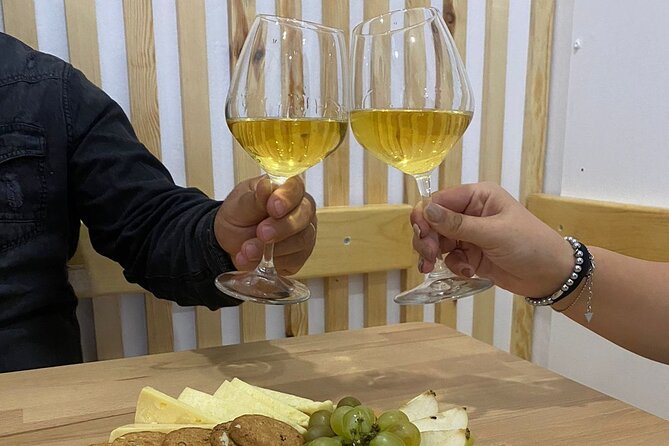
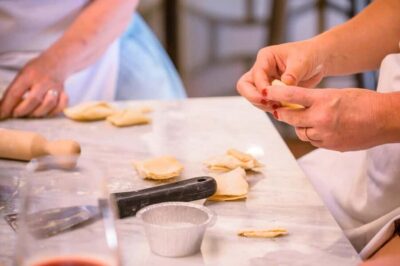
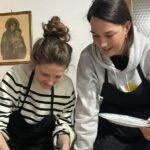
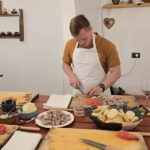
Even if you’ve taken cooking classes before, this one has a different “how we actually live” vibe. The best part is the setting: you’re not just watching from the sidelines. You’re sitting down with a local family and letting the meal teach you what matters in their food culture.
For me, the farm-to-table concept isn’t an abstract slogan here. You get the connection through what’s on the plate and how it’s introduced—local produce, local dairies, and local drinks that match what’s in season. And because the group is capped at 10, it stays conversational instead of turning into a rush of strangers filling seats.
If you’re traveling solo, this kind of format is a smart choice. You’re likely to be placed with a small cluster of people, so it’s natural to talk while you eat, rather than trying to invent small talk in a bus terminal.
The one thing to calibrate: a 3.5-hour experience is a “taste-and-learn” pace. You’ll get hands-on moments if that’s how the family teaches, but you should expect the rhythm to revolve around a full meal experience—plus sips, fruit, and stories.
You can also read our reviews of more tours and experiences in Tirana.

Getting from the old bridge to Drobonik cherry village
The itinerary has a clean, low-stress flow. First, you pass by the old bridge. It’s a small start, but it matters. It helps you get your bearings in the city before the food portion takes over.
Then you move toward Drobonik, described as the region’s characteristic cherry village. This stop is where the food logic starts to make more sense. When a place has a clear identity like cherries, you’re not just eating dessert. You’re tasting a local idea of what the land gives—and how families preserve it through the year.
The Drobonik portion is listed as about 3 hours, which suggests you’ll have enough time to slow down and enjoy the setting rather than sprinting from one photo spot to the next. Still, it’s worth planning for the basics: wear comfortable shoes, and bring layers if conditions change.
One detail that’s easy to miss until you’re there: the provided address for the meeting point is in Berat (Rruga Mihal Komnena). So even though the tour summary mentions Tirana, you should confirm pickup location details when you book so you know exactly where your day starts.
The tasting start: local blush, cheeses, olives, and bread
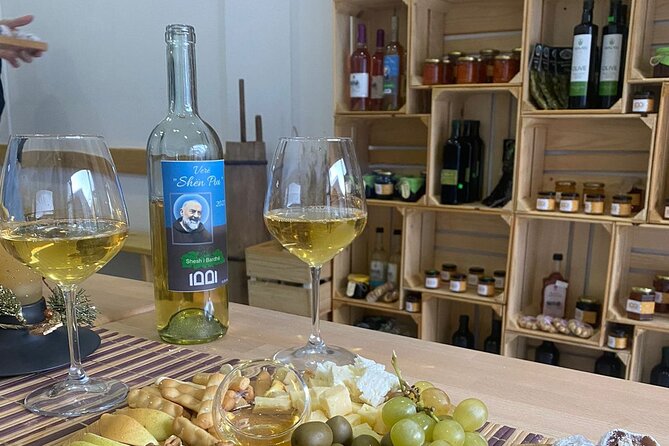
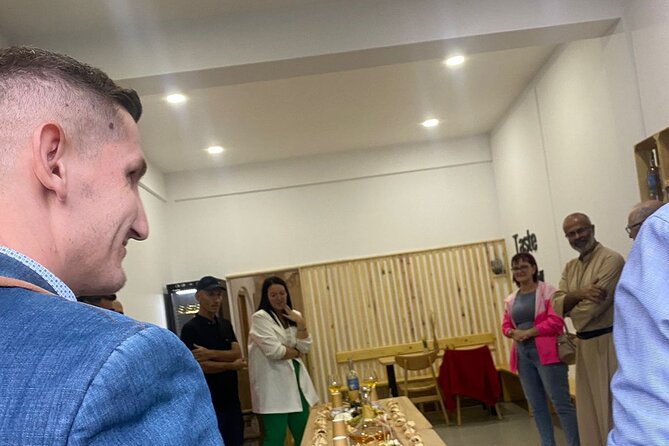
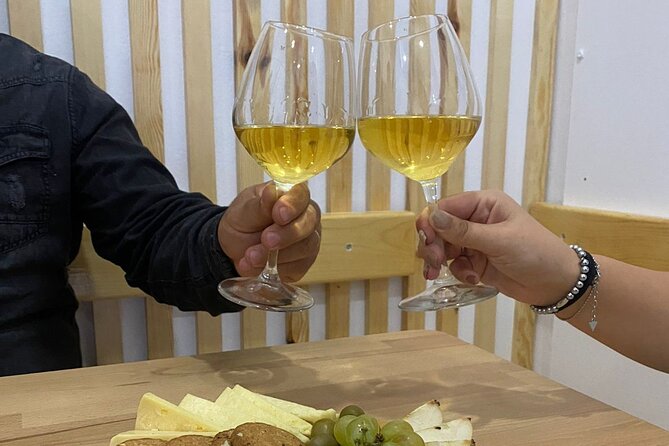
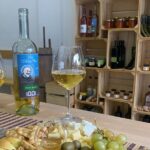
Before you get into the deeper dessert and raki pairing, the experience often begins with a guided tasting sequence. In one of the highlighted moments from the meal, the start included a local blush from a nearby vineyard about 15 minutes from Berat.
That matters because it sets the tone. You’re not just drinking. You’re understanding that wine here is part of the same food system as the bread, olives, and dairy. The early course included local cheeses, olives, and bread—simple ingredients, but treated with care.
If you’re the type who likes to know what you’re eating, this is a good setup. You’ll get a foundation of flavors first: salty, savory, and lightly tangy. Then the meal can move into sweeter territory without feeling random.
Also, the included drinking water from the tap helps keep things comfortable. You can sip without having to buy water mid-experience, which is a small but real quality-of-life win.
Cooking and eating with a local family: preserved fruit, raki, and tea
This is where the reviews really light up, and you’ll likely remember it the moment dessert hits the table.
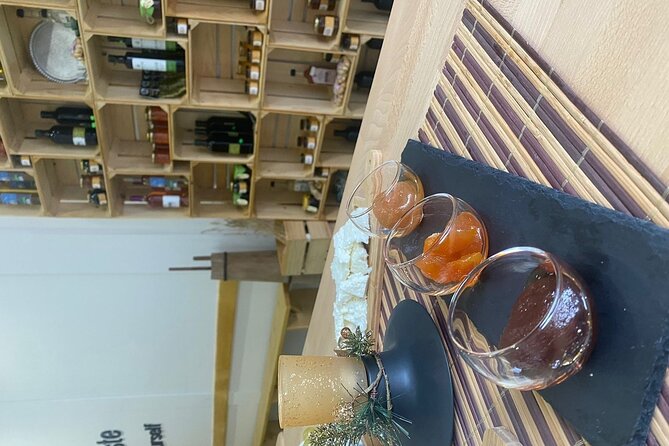
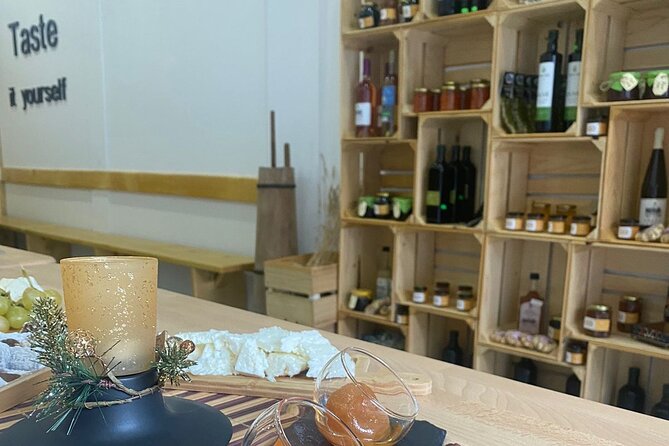
The preserved fruit dessert described includes mandarin, walnut, and cherry. What makes it unusual is that the fruit is soaked and preserved in sweet syrup—down to details like edible mandarin rind and walnut shell. That sounds wild on paper, but the key is that it’s also very practical. Preservation like this is how you keep flavors from one season and serve them when fresh fruit isn’t available.
Then comes the pairing: local raki matched to the sweetness of the dessert. That pairing logic is smart. Sweet flavors can feel heavy, and raki adds contrast. You don’t need to be a spirit expert to appreciate the balance. It’s basically the same idea as pairing dessert with something that cuts the sugar.
After dessert, the meal often closes with tea and local honey. One highlighted choice was mountain tea grown locally in Berat—aromatic and flavorful. If you like finishing a meal with something warm and fragrant (instead of only sweets), this ending feels like it was designed for people who actually taste.
Bottom line: you’re not just learning recipes. You’re tasting how a family builds a meal with contrast—salty, sour, sweet, then a warm herbal finish.
What Drobonik’s cherry identity means for your plate
Drobonik is introduced as a cherry village, and that theme shows up in a very literal way. When the menu includes preserved cherries plus citrus elements like mandarin, it’s a sign you’re seeing the local relationship with fruit through two lenses:
1) Eating cherries when they’re in season
2) Preserving the harvest so you can enjoy it later
The dessert described in the reviews is the perfect example of why “cherry village” isn’t just a label. Preservation turns fruit into a year-round ingredient. When you taste a dessert where even the walnut shell and mandarin rind are edible, you’re seeing the practical side of cooking culture: nothing is wasted, and flavor is built patiently.
You’ll likely come away with a clearer idea of how households think about ingredients—not as individual items, but as parts of a system that includes storage, seasonality, and sharing.


Price and value: what $72.25 actually buys you
At $72.25 per person for about 3 hours 30 minutes, this isn’t a budget snack stop. But it’s also not priced like a fast workshop. The value comes from what’s included, and how that support lets you focus on the meal.
Here’s what you’re getting in the package:
- Lunch or dinner (depending on the activity time)
- Snacks and local hospitality
- Fresh drinking water from the tap
- All fees and taxes
- Private transportation
- English language support
- A max group size of 10
This is the kind of arrangement where the price makes sense if you want the full experience: food, drink, transport, and a hosted table. If you were to recreate it alone—getting to a family setup, paying for food, arranging transport—costs add up fast.
What’s not included is also important: you may want to buy things like a bottle of raki, gliko, or handicrafts. That’s optional, but it’s a common way these experiences add local flavor to your suitcase. Tips also aren’t included.
So think of the $72.25 as paying for a hosted meal plus logistics. If that matches how you like to travel, it’s a strong deal.
Who should book this class (and who may prefer something else)
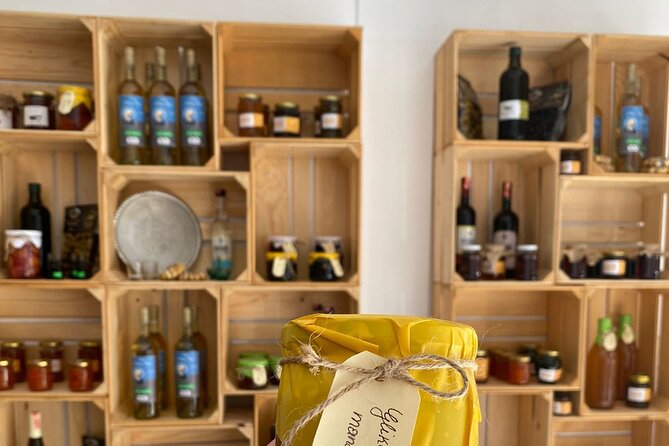
This experience is a great fit if you want:
- A hosted, sit-down meal with clear local flavor
- A small group setting where you can actually talk
- A farm-to-table focus that connects ingredients to place
- A mix of wine, raki, and fruit desserts, not just one course
It’s also a smart option for solo travelers. The format supports social conversation without forcing you into a loud group scene.
You might look elsewhere if you’re expecting a long, hands-on cooking workshop where you do most of the cooking and take home a detailed step-by-step recipe card. Based on the pacing, you should expect a broader experience built around tasting and hospitality.
Practical tips so your day goes smoothly
A few small things will make this easier:
- Bring curiosity. Ask what’s being served and how it’s made or preserved, especially the preserved fruit elements.
- Expect weather to matter. The experience requires good weather, and if it’s canceled for poor weather you’ll be offered a different date or a full refund.
- Wear comfortable shoes. You’ll be moving between points, and you’ll likely want to stand and enjoy the setting.
- Plan for optional purchases. If you want raki, gliko, or small crafts, bring a bit of extra cash or card room for impulse buys that actually feel tied to the day.
- Confirm pickup details. The meeting point address is listed in Berat, while the summary location mentions Tirana. When you book, double-check where your pickup happens.
Should you book this farm-to-table class?
If you like the idea of learning through eating, this is an easy yes. The combination of small group size, private transportation, and a full meal with local tastings (including local blush, preserved cherry-and-mandarin style dessert, raki pairing, mountain tea, and honey) makes it feel like real hospitality rather than a rushed demo.
I’d book it if you want a cultural meal that’s practical and specific, not generic. And I’d skip it only if you need an all-day cooking workshop or you’re traveling during uncertain weather and can’t move plans.
This is the kind of experience that leaves you with flavors you can describe later, because the dessert and pairings are genuinely distinctive.
FAQ
How long is the farm-to-table cooking class?
It lasts about 3 hours 30 minutes.
How much does it cost?
The price is $72.25 per person.
Where does the tour start and end?
It starts at Rruga Mihal Komnena 5001, Berat 5001, Albania and ends back at the same meeting point.
What language is the experience offered in?
It’s offered in English.
Is lunch or dinner included?
Yes. Lunch or dinner is included depending on the time of the activity.
Does the experience include transportation?
Yes. Private transportation is included.
Are snacks and drinking water included?
Yes. Snacks are included, and fresh water from the tap (drinking water) is provided.
How big is the group?
The maximum group size is 10 travelers.
What is not included in the price?
Products you may want to buy (like a bottle of raki, gliko, handicrafts, etc.) and tips are not included.
Is the experience dependent on weather?
Yes. It requires good weather, and if it’s canceled due to poor weather you’ll be offered a different date or a full refund.