REVIEW · BUSAN
Korean cooking class in Haeundae, Busan
Book on Viator →Operated by Bapsang, Korean Cooking Class in Busan · Bookable on Viator
Cooking Korean classics beats a tour bus any day. In Haeundae, you cook at your own station with Min, wearing a traditional apron while learning Joseon-era food ideas—and you end up eating the meal you made.
I especially liked Min’s clear, friendly guidance, plus the cultural context built into each dish. One consideration: you’ll eat at a Korean bapsang-style floor table, but if that’s not comfortable for you, you can have your meal at a chair instead.
In This Review
- Key points that make this class worth your morning
- Welcome to Haeundae cooking, not a performance
- Your apron, your role: Joseon-style tradition in plain steps
- Sauce tasting and step-by-step cooking at your station
- What you actually make: bibimbap, seaweed soup, and pancakes
- Bibimbap: mix-and-build flavor
- Seaweed soup: balance and timing
- Korean pancake: technique you can repeat
- The bapsang meal: eating Korean food the traditional way
- Busan break between flavor lessons: Dongbaekseom to Nurimaru
- Price and value: $100 for skills, meal, and small-group attention
- Who should book this cooking class (and who might skip it)
- A quick, practical guide to get the most out of it
- Should you book this Korean cooking class in Haeundae?
- FAQ
- How long is the Korean cooking class?
- What dishes will I learn to make?
- How many people are in the class?
- Where is the meeting point?
- What time does the class start?
- Do I get to sit on the floor at the bapsang?
- What’s included besides cooking?
- Are there any special menu options for specific dates?
- What is the cancellation policy?
- What happens if the experience is canceled due to weather?
Key points that make this class worth your morning

- Personal station setup so you’re not just watching
- Small group size (max 7 people / up to 8 travelers) for real attention
- Joseon dynasty apron story that turns cooking into history
- Sauce tasting before you cook so the flavors make sense
- Bapsang floor meal, with chair backup for comfort
- Participation certificate plus a simple tea-and-dessert finish
Welcome to Haeundae cooking, not a performance
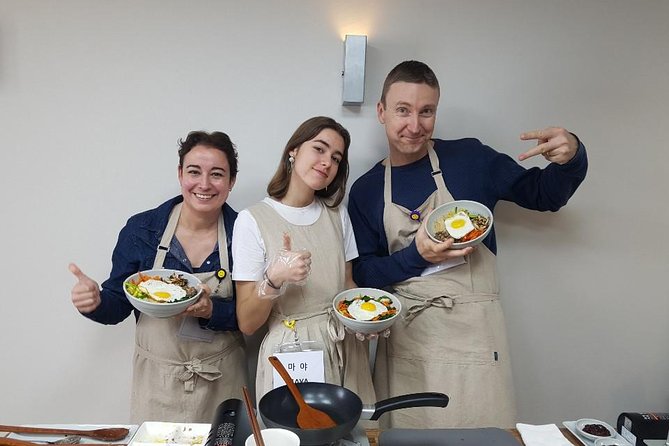
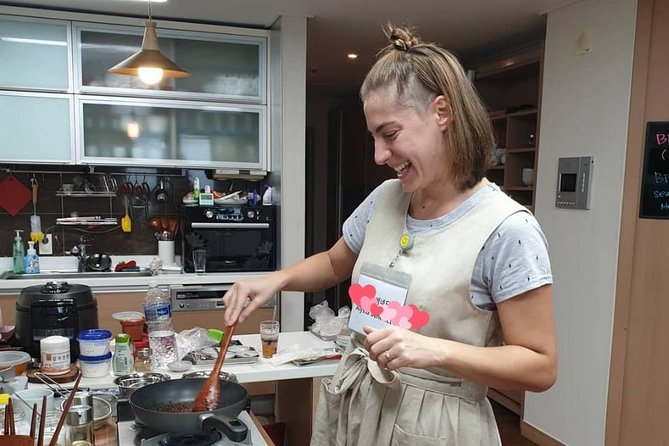
This class is built around doing, not standing back. You’ll work with ingredients in front of you at a personal cooking station, which matters because Korean cooking often depends on the feel of seasoning and the order of steps. The upside of a short, hands-on format is that you leave with practical skills you can repeat at home.
The group stays small, and that’s one of the reasons the teaching feels personal. Min runs the experience with an engaging, thoughtful pace, and you’re guided through the dishes without being treated like a beginner who needs to be managed. If you’ve cooked before, you’ll still get value in the sauce and technique explanations. If you haven’t cooked much, you’ll still be fine—this is set up so you can follow along.
You can also read our reviews of more tours and experiences in Busan.
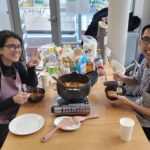
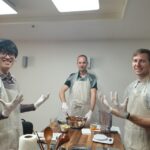
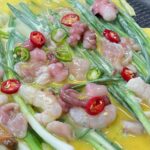
Your apron, your role: Joseon-style tradition in plain steps
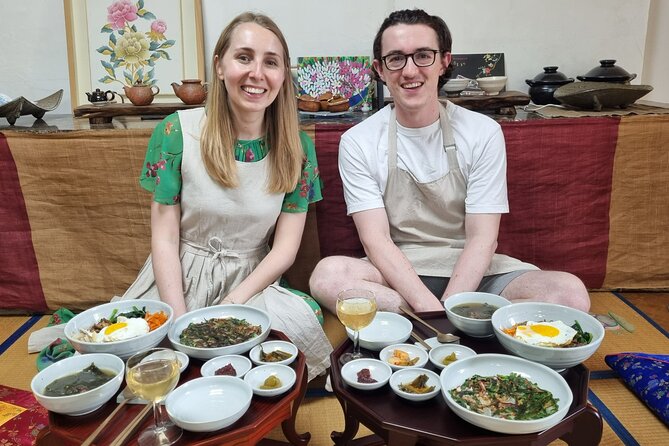
One of the neat details is that you wear a traditional Korean apron. In this class, the apron isn’t just a costume. You get the history behind it and why it mattered in palace cooking traditions. That little bit of context changes how you approach the food. Instead of just chasing flavors, you learn what those flavors represent.
You’ll also start with a welcome drink. It sounds simple, but it helps you settle in right away—like the class is actually hosting you, not just delivering an activity. From there, you taste the Korean main sauces. That step is worth it. Many cooking classes skip flavor prep, then you’re surprised when the dish tastes different from what you expected. Here, you learn the building blocks first.
Sauce tasting and step-by-step cooking at your station
You’ll cook for about 3 hours total, and the time is focused. The structure is straightforward: apron on, welcome drink, sauce tasting, cooking time, then eating what you made. Min’s teaching style shows up here. Instructions are clear, and you get help while you cook—not after you’ve already struggled.
A big plus from the experience is the way Min seems to connect cooking technique to Korean food culture. In practice, that means you’re not just memorizing steps. You’re picking up why you’re using a certain sauce, how it fits into a Korean meal, and what to look for as you cook.
If you have dietary needs, pay attention here: the experience includes accommodations. People have reported gluten-free options and vegetarian options, which is a strong sign that the menu can be adjusted rather than ignored.
What you actually make: bibimbap, seaweed soup, and pancakes
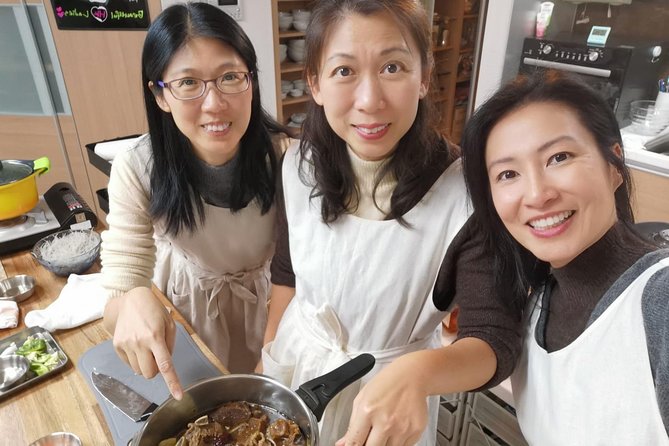
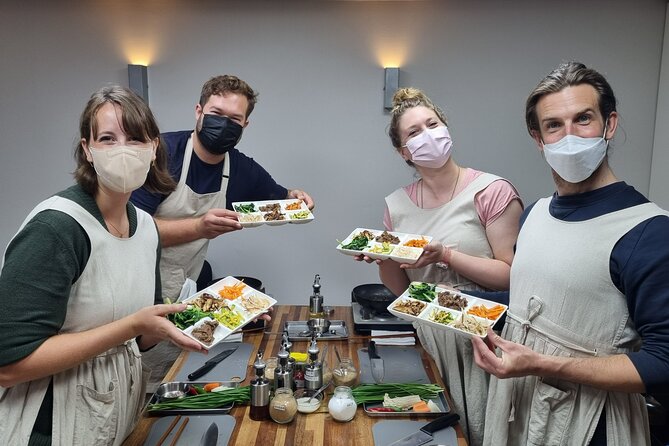
The menu centers on three dishes, and the class highlights bibimbap, seaweed soup, and a Korean pancake (often described as jeon-style, including chive pancakes). The exact menu can vary by date, so don’t expect the same ingredient list every time you book.
Here’s what the dishes teach you:
Bibimbap: mix-and-build flavor
Bibimbap is a good anchor dish for a cooking class because it’s structured. You learn how components come together, how sauce ties the flavors, and how to put everything on the same plate without one part overpowering the rest. Since the class includes sauce tasting early, the bibimbap part feels less like guesswork.
Seaweed soup: balance and timing
Seaweed soup is often where Korean cooking shows its quiet logic. It’s not just about throwing in ingredients—it’s about getting the right balance and understanding how flavor develops. You’ll taste the direction of the dish, then cook with that in mind.
Korean pancake: technique you can repeat
The pancake piece is one of the easiest wins to take home. People specifically mention chive pancakes, and that’s the kind of dish where technique matters—heat control, batter consistency, and how to get good texture.
The bapsang meal: eating Korean food the traditional way
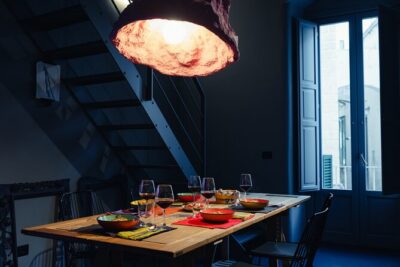
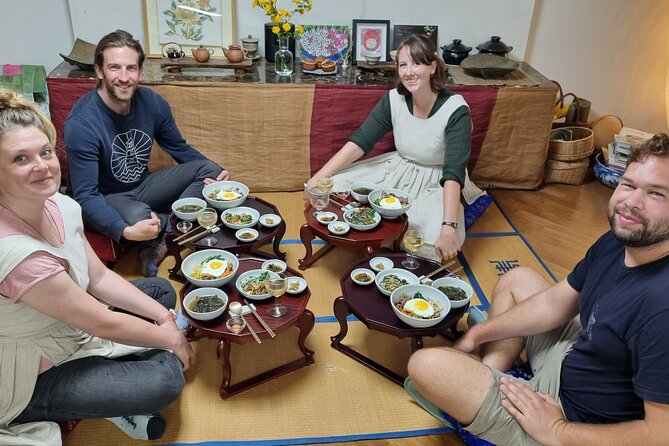
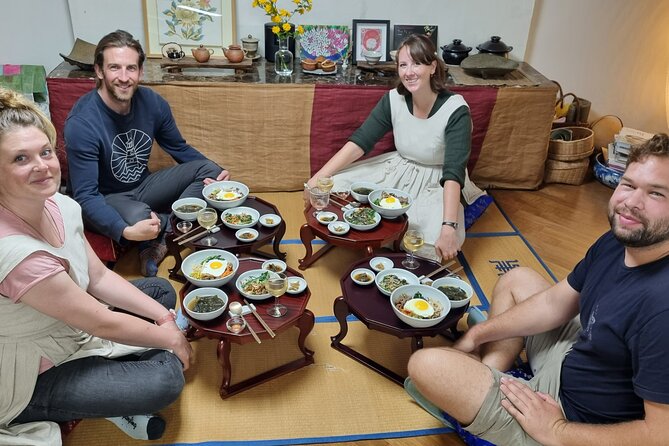
After cooking, you eat at a bapsang, the Korean traditional dining table set on the floor. If you’re comfortable with that style, it’s a fun way to experience the food like locals do—warm, communal, and not rushed.
If floor seating is hard for you, you can eat at a chair instead. That small detail makes a real difference. You get the cultural meal setting without turning the experience into a physical challenge.
Then you add the finishing touch: tea and a simple Korean dessert. This part matters because it brings closure. You’re not just leaving with recipes—you’re leaving with the full meal rhythm: cook, eat, sip, sweet bite, done.
Busan break between flavor lessons: Dongbaekseom to Nurimaru
Even though your main goal is cooking, the experience also includes a string of Busan stops. You’ll visit Dongbaekseom, Haeundae Beach, The Bay 101 Yacht Club, and Nurimaru APAC House—and you’ll use those moments for photos and quick orientation around the Haeundae area.
What’s helpful here is that the stops act like a gentle prelude to the meal. You get some air and city context before you settle into the kitchen. The downside is practical: these are time-based stops in a short day, so you shouldn’t expect long stays at each place.
One more thing you’ll likely appreciate is the on-the-ground guidance near the area. Min is known for counselling and sharing recommendations around Busan, which can save you from the common mistake of wandering without a plan.
Price and value: $100 for skills, meal, and small-group attention
At $100 per person, this isn’t an impulse deal—but it does pack a lot into a half-morning. You’re paying for:
- a small group (max 7 people for the class feel)
- personal cooking stations
- instruction on multiple dishes
- the meal you cook (bibimbap, seaweed soup, and pancake)
- welcome drink, plus tea and dessert
- a participation certificate
- and Min’s cultural explanations woven into the cooking
If you compare that kind of meal-and-teaching package to doing everything on your own—ingredients, translations, trial-and-error in the kitchen—this price starts to look more reasonable. You’re buying time, structure, and a chef-level sense for flavor balance, not just the right to eat Korean food.
Also worth noting: the class is often booked about 38 days in advance on average. If you’re traveling in a busy season, book sooner rather than later.
Who should book this cooking class (and who might skip it)
You should book if:
- you want a hands-on class that teaches repeatable technique
- you like cultural context with your food (not just recipes)
- you travel with teens or family members who want an active experience
- you want the full Korean meal feel with bapsang seating
You might consider skipping if:
- you’re looking for an all-day cooking program with a wide variety of dishes (this is a focused 3-hour format)
- you strongly prefer classroom-only cooking (you’ll be cooking at your station)
- sitting on the floor is a dealbreaker (chair seating is available, but you should plan accordingly)
A quick, practical guide to get the most out of it
To enjoy this class, come ready to work. Comfortable clothes help because you’ll be moving between steps at your station. If you’re sensitive about seating, plan on using the chair option so you can focus on cooking instead of discomfort.
If you have dietary needs, mention them when booking. The experience has shown it can accommodate at least some dietary variations, like gluten-free and vegetarian options.
And if you want to take things home, don’t just watch what goes into the dish—watch how Min talks about sauces and timing. That’s where the repeatable skill is.
Should you book this Korean cooking class in Haeundae?
My take: yes, if you want real cooking + a full Korean meal experience in a small group. Min’s teaching approach shows up in the details—apron history, sauce tasting, clear instruction, and a meal that finishes with tea and dessert. The bapsang format is part of the charm, and the chair option makes it practical.
Book it especially if this is your only cooking class in Busan. It’s built to be a highlight: you leave with food you made, a certificate, and recipes you can actually use.
If you tell me your travel dates and whether you’re bringing kids or have dietary needs, I can suggest what to look for when you compare menus and times.
FAQ
How long is the Korean cooking class?
The class runs about 3 hours.
What dishes will I learn to make?
The class includes bibimbap, seaweed soup, and a Korean pancake. The exact menu may vary by date.
How many people are in the class?
It’s a small group with a maximum of 7 people, and the experience lists a maximum of 8 travelers.
Where is the meeting point?
The meeting point is listed as 37 Marine city 3-ro, Haeundae, Busan, South Korea.
What time does the class start?
The start time is 10:00 am.
Do I get to sit on the floor at the bapsang?
You’ll enjoy the meal on a bapsang table on the floor. If it’s hard to sit on the floor, you can have your meal at a table with a chair.
What’s included besides cooking?
You wear a Korean traditional apron, receive a welcome drink, taste main sauces, eat the meal you cook, and enjoy tea with a simple Korean dessert. You also receive a certificate of participation.
Are there any special menu options for specific dates?
There are special cooking dates that include special Korean dishes and temple-food vegan dishes, but 2025 is not scheduled.
What is the cancellation policy?
Free cancellation is available up to 24 hours in advance for a full refund. If you cancel less than 24 hours before the start time, the amount paid is not refunded.
What happens if the experience is canceled due to weather?
This experience requires good weather. If it’s canceled due to poor weather, you’ll be offered a different date or a full refund.