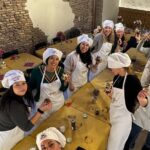
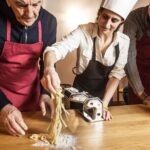
Fresh pasta class in Milan: no museum day.
You’ll learn to make fettuccine, gnocchi, and tiramisù from scratch, with a real focus on how the dough changes and what to do when it doesn’t behave. It’s also set up for small groups, so you’re not stuck watching someone else cook while you take notes.
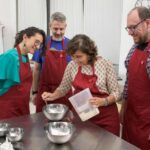
I especially like the patient, hands-on teaching you get in this maximum 6 travelers format—clear steps in English and plenty of time to work through the process. A possible downside: it runs about 3 hours, so if you like a slow, leisurely pace, you may find the schedule a bit fast, even though it’s fun.
In This Review
- Key Highlights You’ll Care About
- Why This Milan Pasta Class Feels Like Real Italian Food
- What You’ll Make: Fettuccine, Gnocchi, Tiramisù
- Fresh Fettuccine
- Pillowy Gnocchi
- Classic Tiramisù
- Starting at Come ‘Na Vorta in Navigli: Getting Oriented Fast
- The 3-Hour Rhythm: From Dough to Dinner
- Why the Teaching Style Matters (And How It Impacts Your Results)
- Wine, Drinks, and Sauce: The Meal Part That Makes It Worth It
- Price and Value: What $76.89 Buys You in Milan
- Who This Is Best For (And Who Should Think Twice)
- Great fit
- Consider this if…
- Quick FAQ Before You Book
- FAQ
- What is the duration of the Pasta e Vino Navigli cooking class?
- Where does the class start and end?
- How much does it cost?
- What language is the class taught in?
- How many people are in the group?
- What dishes will I learn to make?
- Is there a meal at the end?
- Is wine included?
- Is free cancellation available?
- Should You Book Pasta e Vino Navigli in Milan?
Key Highlights You’ll Care About
- Small group size (up to 6 travelers) means more attention while you’re rolling, shaping, and tasting.
- Fettuccine + gnocchi + tiramisù gives you both the savory skills and the Italian dessert payoff.
- English instruction makes it easier to follow every step without guessing.
- You eat what you make, paired with wine and drinks.
- Flexible experience style, from couple-friendly to family and even team bonding.
- Come ‘Na Vorta Experience runs it, with a start point in the Navigli area.
Why This Milan Pasta Class Feels Like Real Italian Food
Milan can feel like a quick stop: fashion, design, and then you’re off. This experience slows you down on purpose—because Italian cooking is one of the fastest ways to understand how people eat, not just what they eat.
What makes this class practical is that you don’t just learn a recipe. You learn the logic behind it: how fresh pasta dough should feel, what changes when you shape gnocchi, and what makes tiramisù set properly. That means when you try again at home, you’re not following a mystery list—you’re working with technique.
And the best part is that the time isn’t wasted. You end up with an actual meal: fresh pasta you made, plus tiramisù you made. That’s the difference between a cooking show and a cooking class.
You can also read our reviews of more tours and experiences in Milan.
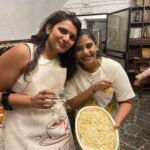


What You’ll Make: Fettuccine, Gnocchi, Tiramisù
This is a three-part menu, and it’s a smart mix for learning.
Fresh Fettuccine
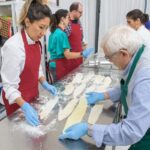
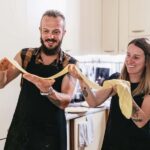
You’ll work on making fresh fettuccine from scratch. Fresh pasta is all about texture: flour, hydration, kneading, and resting. Once you understand the feel of the dough, you’ll get it. The class structure is built so you can actually participate, not just watch someone else do the hard part.
Pillowy Gnocchi
Gnocchi can be the confidence test. Done well, they’re soft and tender, not heavy. You’ll learn how to form them and how to handle the mixture so it holds together without becoming rubbery. This is one of those skills where small adjustments matter, and that’s where having an instructor who can guide you step-by-step is worth the money.
Classic Tiramisù
Then comes dessert—tiramisù. The big win here is that you learn the assembly and the timing pieces. Tiramisù is simple in ingredients, but tricky in results. If you’re careful about layering and setting, you get that creamy texture instead of a watery mess.

Starting at Come ‘Na Vorta in Navigli: Getting Oriented Fast
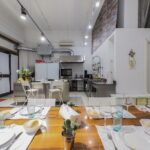
You meet at Come ’Na Vorta – Pasta e Vino Navigli, Ripa di Porta Ticinese 3-5, 20143 Milano MI. This matters more than it sounds.
Navigli is one of the most walkable parts of central Milan, so you can often line this up with other neighborhood plans. Plus, the start point is near public transportation, which makes it easier to show up without stress (and stress is the enemy of dough texture).
The good thing about meeting back at the same place is that you don’t have to hunt for your way out after the meal. You’ll finish, eat, and be done—no complicated route.
The 3-Hour Rhythm: From Dough to Dinner
The class runs for about 3 hours. That timeframe is short enough to feel efficient, but long enough to make real progress.
Here’s how the flow typically feels:
- You start with instructions and hands-on practice.
- You make the pasta components (fettuccine and gnocchi).
- You finish with dessert preparation (tiramisù).
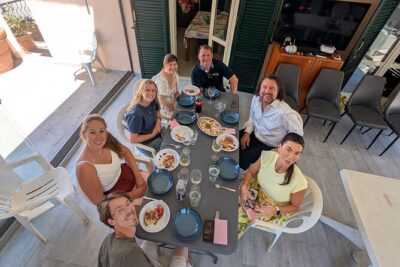
- Then you sit down and eat what you made, with drinks alongside.
One of the strongest themes from people who do this class is how much you’re actually doing. It’s not a passive experience. If you enjoy learning by doing—rolling dough, shaping, tasting—you’ll likely love this format.
A small caution: because it’s hands-on and structured, it moves. One review described it as a bit fast and furious, but in a good way. So if you’re the type who wants to ask questions in depth for every single step, arrive ready with a curious mindset and don’t be afraid to speak up when your questions come.
Why the Teaching Style Matters (And How It Impacts Your Results)
You’re paying for two things: ingredients and instruction. In a class like this, the instruction is the real value.
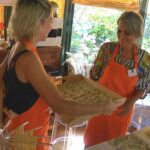
The teaching here stands out because it’s thorough and patient, especially with mixed experience levels. Whether you’re a complete beginner or you’ve cooked before, you’ll benefit from clear English explanations and guidance when your dough or shaping isn’t matching the instructor’s ideal.
In a small-group setup, the instructor can correct what’s happening right in front of you—like dough that’s too sticky or gnocchi that need a slightly different touch. That’s also how you avoid wasting time. Instead of struggling for an hour and then giving up, you get quick corrections and move forward.
If you’re traveling with others, this teaching style also matters socially. Everyone gets a turn, and you’re not stuck waiting while one person handles everything.
Wine, Drinks, and Sauce: The Meal Part That Makes It Worth It
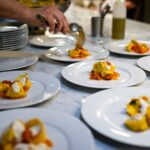
The end of the class isn’t just a bite of food. It’s an actual meal tasting what you made, and it comes with wine options plus drinks throughout the experience.
You’ll get to enjoy your fresh pasta, and sauces are part of the fun. Some people highlight an amazing selection of Italian sauces, including the chance to choose what tops your pasta. That makes the meal feel more personal than a one-size-fits-all platter.
Also, multiple reviews mention free drinks during the course and meal. That’s not just hospitality—it helps the whole experience feel like a dinner night, not a workshop you rush through and forget.
Practical note: because wine is included as part of the pairing, plan your day accordingly. If you’re doing Navigli nightlife after, pace yourself.
Price and Value: What $76.89 Buys You in Milan
At $76.89 per person, this isn’t a bargain class in the way a free walking tour is. But cooking classes aren’t priced like walking tours for a reason: you’re paying for real teaching time, ingredients, and the meal.
Here’s the value math that matters:
- You learn three major items: fettuccine, gnocchi, and tiramisù.
- You get to eat the results—with wine and drinks included.
- The group is limited to 6 people, which increases the quality of attention you receive.
- It’s around 3 hours, so you’re getting a full activity block rather than a short demo.
If you were to try this at home, you’d pay for ingredients and likely waste time figuring out technique. In this class, you’re buying the shortcuts: method, corrections, and a proper end-to-end meal.
Who This Is Best For (And Who Should Think Twice)
This works well if you want an authentic, hands-on food experience in Milan without needing culinary confidence.
Great fit
- Couples looking for a fun date that isn’t just dinner.
- Families where kids and teens can get involved with rolling and shaping (and adults enjoy teaching moments).
- Solo travelers who want conversation and a structured way to be social.
- Teams and groups who want something interactive and memorable.
Consider this if…
If you prefer slow cooking, long wandering breaks, or you hate time pressure, the 3-hour pace might feel intense. Also, the menu is fixed—fettuccine, gnocchi, tiramisù—so if you’re craving something outside those dishes, you’ll want to look for other experiences.
Quick FAQ Before You Book
FAQ
What is the duration of the Pasta e Vino Navigli cooking class?
It lasts about 3 hours.
Where does the class start and end?
You start at Come ’Na Vorta – Pasta e Vino Navigli (Ripa di Porta Ticinese 3-5, 20143 Milano MI) and it ends back at the meeting point.
How much does it cost?
The price is $76.89 per person.
What language is the class taught in?
The experience is offered in English.
How many people are in the group?
The maximum group size is 6 travelers.
What dishes will I learn to make?
You’ll make fresh fettuccine, gnocchi, and tiramisù.
Is there a meal at the end?
Yes. After the class, you sit down to enjoy a meal tasting the fresh pasta you made, plus tiramisù.
Is wine included?
The meal includes wine pairing options.
Is free cancellation available?
Yes. You can cancel up to 24 hours in advance for a full refund.
Should You Book Pasta e Vino Navigli in Milan?
Yes—if you want a hands-on Milan experience that ends in a real meal, not just a snack and a photo. The small group size and English teaching make it especially good for beginners who don’t want to fake confidence in the kitchen.
Skip it only if you know you’ll feel rushed in a 3-hour workshop or you’re hoping for a menu outside fettuccine, gnocchi, and tiramisù. If that’s you, you might prefer a longer, more flexible cooking experience.
If you’re reading this, though, and you want authentic Italian cooking you can actually repeat later, this is a smart pick.