REVIEW · YOKOHAMA
Fishing with Mt. Fuji Views and Japanese Home Cooking Experience
Book on Viator →Operated by naomi matsutani · Bookable on Viator
Fishing at sea turns breakfast into an event. This 8.5-hour Yokohama trip mixes beginner-friendly boat fishing with Japanese home cooking using your own catch, and on clear days you may spot Mt. Fuji in the distance. I like the small group setup (up to 3) and the way the guide helps you step-by-step, from baiting to cooking. One thing to plan around: the experience depends heavily on weather and sea conditions, and there’s also a boat fee due on the day.
You’ll start early at Kanazawa-Hakkei Station (meet at 6:30am), walk to a cozy lodge, fish for about 3 hours, then return to port to clean and cook. It’s targeted at Japanese whiting (shirogisu), though other fish may show up depending on the day.
The cooking side is part lesson, part meal. Expect easy Japanese dishes like sashimi, tempura, or grilled fish (menu changes daily), plus soft drinks with lunch. If you’re sensitive to motion or cold, take seasickness precautions seriously.
In This Review
- Key things I’d center in your plans
- Yokohama at 6:30am: why this early start works
- Finding the meeting point: Kanazawa-Hakkei Station (15-1)
- Meet Naomi at the lodge: the friendly setup you’re hoping for
- Fishing for shirogisu: beginner-friendly, but nature runs the show
- Boat time, Mt. Fuji, and what to do about motion and wind
- From catch to cooking: turning fish into a real Japanese meal
- Lunch included: what you’re really paying for
- Price and value: $247.14 makes sense if you want the whole package
- Who should book—and who should skip
- Practical checklist so the day feels smooth
- Should you book this fishing-and-cooking day?
- FAQ
- How early is the meeting, and where do I go?
- Do I need fishing experience?
- What fish are you targeting?
- Do I cook and eat what I catch?
- Is there an extra cost on the day?
- What happens if the weather is bad?
Key things I’d center in your plans
- Small group of up to 3 means you get more hands-on attention.
- English-speaking guide helps you with baiting and with cooking your catch.
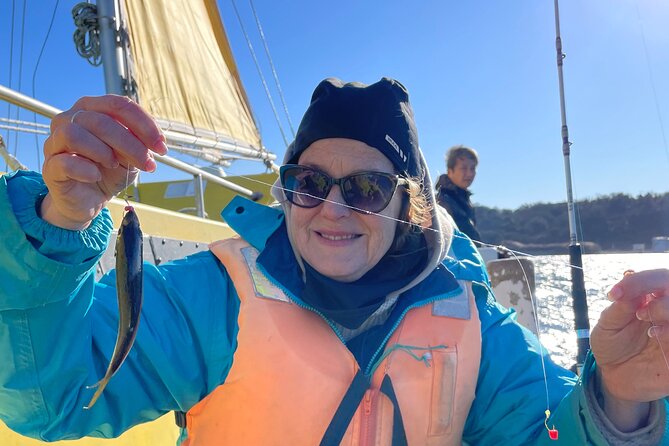
- Target fish is shirogisu, a local favorite, with other fish possible.
- About 3 hours of fishing, then you move to the kitchen and eat what you caught.
- Possible Mt. Fuji views are weather-dependent, so have a flexible mindset.
- Boat fee on the day (cash or card) is separate from the tour price.
Yokohama at 6:30am: why this early start works
This tour starts early for a simple reason: fishing is a morning game. When you’re heading out at 6:30am, you’re trading crowds and late starts for cooler air and calmer conditions more often found early in the day. If you’re the type who likes your travel days active but not chaotic, this timing fits well.
You also get a nice rhythm: meet, walk to the lodge, then boat time. There’s no long waiting around with nowhere to go. And once you’re on the water, the day stops being a checklist and starts being a real experience.
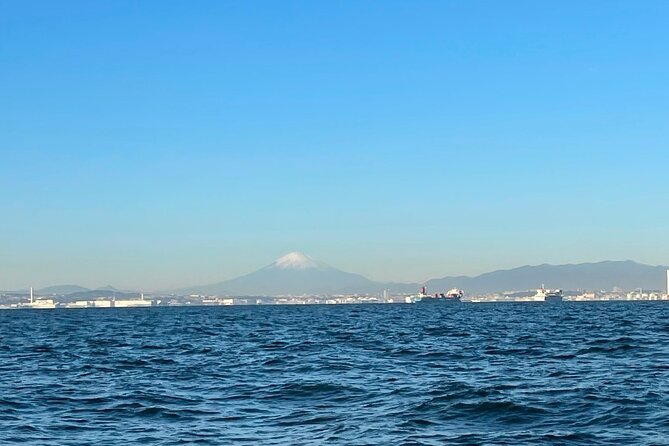
The early start matters for one more reason: clear weather is your friend for the Mt. Fuji chance. It doesn’t guarantee the view, but the morning sky is when you’re most likely to get a clean line of sight.
You can also read our reviews of more tours and experiences in Yokohama.

Finding the meeting point: Kanazawa-Hakkei Station (15-1)
Your first step is easy and specific. Meet at Kanazawa-Hakkei Station at 15-1 Seto, Kanazawa Ward, Yokohama. You’ll meet your guide there and walk a few minutes to the lodge.
This is a practical pickup spot if you’re already staying in the Yokohama area or can get to the station without stress. Also, the tour is set up with a mobile ticket, so you’re not juggling paper.
One small but important detail: you’ll also get day-before communication on WhatsApp to confirm whether the tour will take place. If you’re the kind of traveler who silences their phone, turn that off before this day. You want that message.
Meet Naomi at the lodge: the friendly setup you’re hoping for
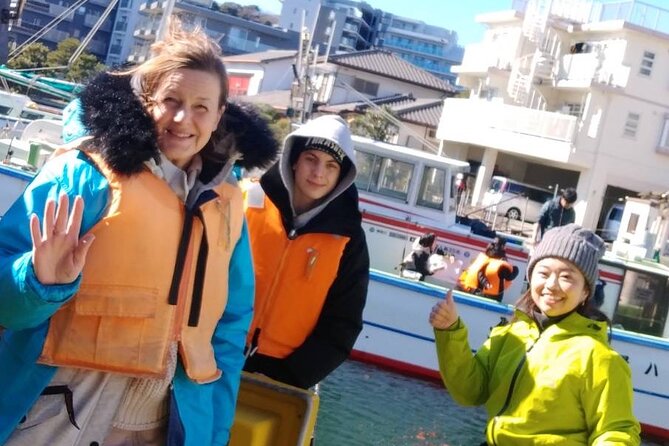
The experience runs through Arakawaya, a cozy fishing lodge you walk to after meeting at the station. From there, your guide introduces the day and shows you how it works.
Your host is Naomi Matsutani. In the way she’s described, she’s the kind of guide who doesn’t just say what to do; she helps you do it. The fishing part is beginner-friendly, and that starts with clear explanations before you ever touch the rod.
This matters because fishing isn’t one skill. It’s a mix of small motions: baiting, casting, feeling for bites, and staying patient. When a guide gives you a simple plan, you feel like you’re participating, not watching someone else do the fun part.
Fishing for shirogisu: beginner-friendly, but nature runs the show
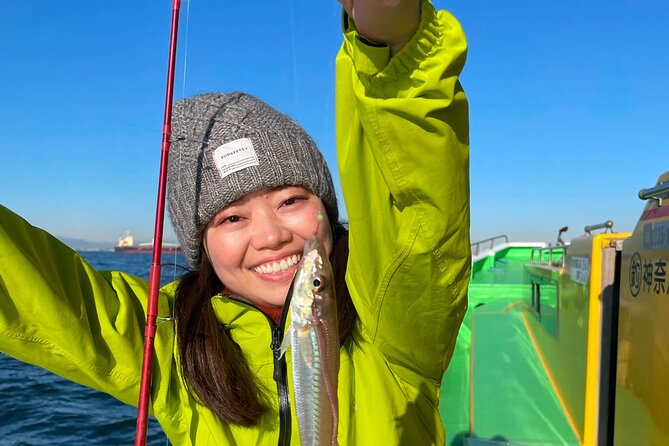
The targeted catch is Japanese whiting (shirogisu). That’s the local fish this trip is built around. On some days, other fish may also be caught depending on conditions, but shirogisu is the goal.
Here’s what you can count on:
- You’ll fish for about 3 hours on a shared boat.
- You’re welcome even if you’ve never fished before.
- You’ll use provided gear and live bait, and you’ll be guided through the basics.
Here’s what you can’t count on:
- Catch results are not guaranteed. The ocean decides that part.
One extra consideration: eating or cleaning fish is not allowed on the boat. The day separates roles. You fish offshore, then you move to cleaning and cooking back on land. That keeps the boat space manageable and safe, especially since this is a shared vessel with other participants.
Also, live bait is involved. If the thought of handling it makes you queasy, plan carefully.
Boat time, Mt. Fuji, and what to do about motion and wind
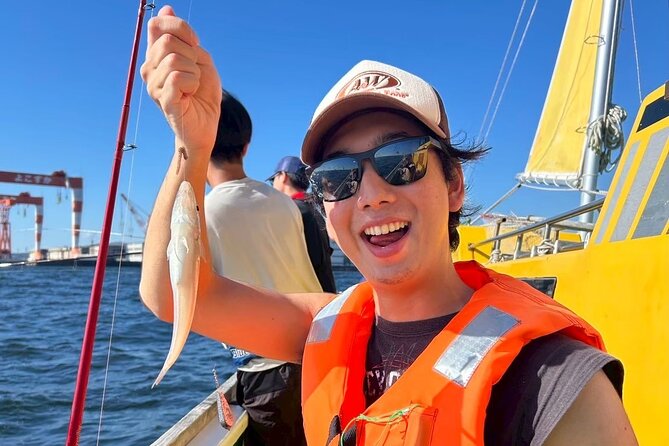
This is where you’ll want to be honest with yourself about comfort. The boat may rock, and it can be windy and cold. There’s no shade, either, so sun exposure can hit even when you think it’s chilly.
If you’re prone to seasickness, the tour strongly recommends taking motion sickness medicine in advance, not at the last second. The guidance is blunt: late use may not work. Also, try to get good sleep the night before. That’s practical advice you’ll feel on the boat.
What to wear is equally practical:
- Hat or cap with ventilation
- Sunglasses and sunscreen
- Warm layers that still work under a life jacket
- Waterproof jacket and pants (splashes are real)
- Wind protection like earmuffs or a warm hat
- Towels and disposable heat packs if it’s cold enough for that
Most important: life jackets must be worn during fishing. Follow the captain’s instructions. This isn’t the place to freestyle safety.
And the Mt. Fuji part? It’s weather- and location-dependent. On clear days, you might see it. On other days, you’ll still be fishing in coastal Yokohama, which can be surprisingly scenic in its own way. The ocean doesn’t need a postcard view to be worth your attention.
From catch to cooking: turning fish into a real Japanese meal
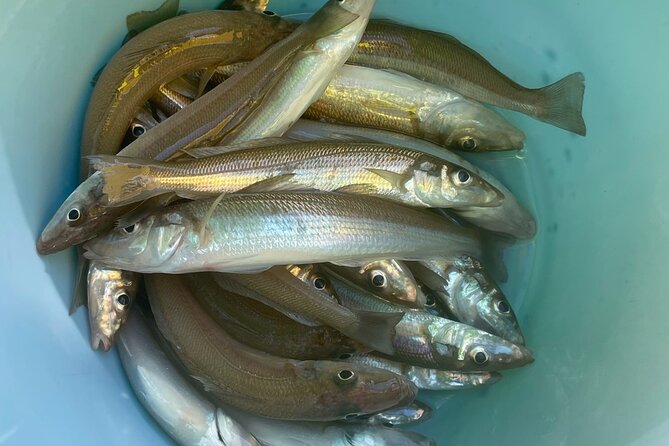
After fishing, you return to port. Then the day shifts from sea work to kitchen work. You’ll learn easy steps for cleaning and cooking your fish.
The menu changes by day, but it often includes Japanese home-style dishes such as:
- Sashimi
- Tempura
- Grilled fish
The big value here isn’t that you eat Japanese food. Lots of tours do that. The value is that you connect the meal to the catch and the process. You’re not just sampling; you’re learning what makes a simple Japanese fish meal work.
You’ll also get a guided prep and cooking session with the English-speaking guide. That’s the difference between doing something once and understanding the basics well enough to enjoy it.
One more smart detail: because fish preparation and cooking are done as a guided session, you’re not stuck improvising with unfamiliar techniques. That keeps the experience accessible even if your cooking skills are basically limited to instant noodles.
Lunch included: what you’re really paying for
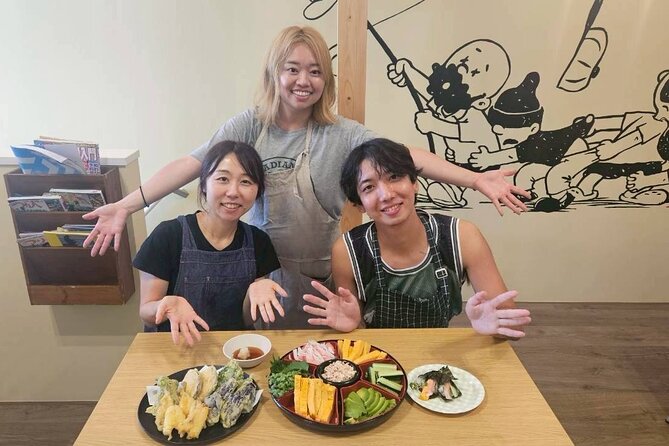
Lunch is included, built from your freshly caught fish, along with soft drinks. It’s a real meal, not a snack box.
This is also where the tour’s “fun” becomes tangible. When you eat something you helped make, it tastes different. Even if the catch isn’t huge, you still get a chance to enjoy the fish you caught and turn it into a Japanese lunch format.
Some days, you may catch plenty and cook plenty. If you’re hoping for that full feast feeling, the guide’s pacing and the morning effort matter. In the feedback you can see that when people get a good haul, the cooking session turns into a satisfying payoff.
Price and value: $247.14 makes sense if you want the whole package
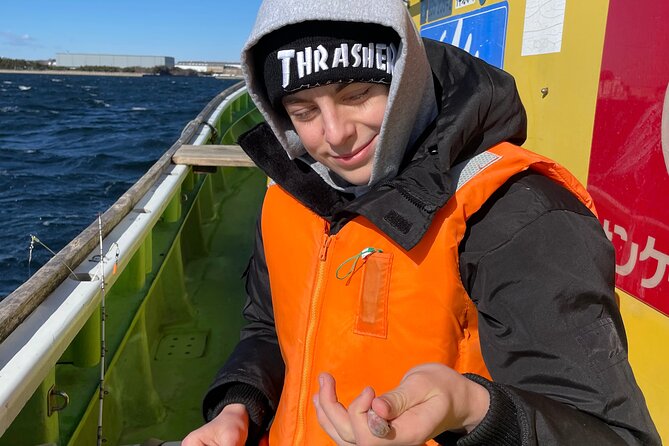
At $247.14 per person, this isn’t the cheapest day trip you’ll find near Yokohama. But it also isn’t just a boat ride or just a meal class.
Your price covers:
- Fishing gear (rod, reel, live bait, tackle, life jacket, and towel)
- Cooking tools
- Boat fishing experience with an English-speaking guide
- Fish preparation and cooking session with the guide
- Lunch made from your freshly caught fish, plus soft drinks
Two things can change the math:
- The boat fee is due on the day, 5,000–7,000 JPY (cash or credit card).
- The catch isn’t guaranteed, because you’re fishing in nature.
So I’d judge it this way: you’re paying for the full experience loop—fishing, learning, cooking, and eating—rather than paying just for a “chance” to catch something. If you enjoy hands-on activities and want a meal with a story attached, this is good value. If you’re only interested in eating Japanese food, you’ll likely find cheaper options with less variability.
Who should book—and who should skip
This tour fits best if you want a hands-on morning and you’re comfortable being outdoors for most of the day.
It also has clear limits. The tour asks you to refrain from joining if:
- You have health issues limiting outdoor activity
- You’re uncomfortable handling live bait or fish
- You get seasick easily
- You’re pregnant
- You’re traveling with children under 16
- You have food allergies or dietary restrictions
You should also have moderate physical fitness. The day includes getting on and off the boat and being active outdoors.
On the positive side, beginners are welcome. The guide approach is built for first-timers. If you’ve never cast a line, you’re not expected to know. You’re expected to learn.
Practical checklist so the day feels smooth
Here’s what you’ll want to bring so you don’t get stuck mid-day:
- Drinks and snacks enough for about 3 hours at sea
- Seasickness medicine taken early (if you’re prone)
- Seasonal clothing for sun, wind, and spray
- At least 2–3 towels
- Any heat packs if cold is likely
Also note: the tour provides gear and cooking tools, so you’re mainly supplying comfort and staying power. Don’t show up empty-handed and then discover you’re hungry before lunch.
If you want to tip, that’s optional. The tour includes guidance and equipment; tipping is up to you.
Should you book this fishing-and-cooking day?
If your travel style is: try it yourself, learn from a guide, eat something you helped make, and spend the day by the sea—then yes, this is worth it.
I’d especially book it if:
- You’re new to fishing and want structured help
- You like Japanese home cooking and want it connected to the catch
- You prefer small groups (up to 3) over a big crowd experience
- You’re okay with the weather-based nature of outdoor plans
I’d skip it if:
- Seasickness is a major risk for you
- You dislike live bait or handling fish
- You need strict dietary control (food allergies/dietary restrictions aren’t accommodated based on the tour notes)
FAQ
How early is the meeting, and where do I go?
You meet at Kanazawa-Hakkei Station at 15-1 Seto, Kanazawa Ward, Yokohama. The start time is 6:30am, and the activity ends back at the meeting point.
Do I need fishing experience?
No. The experience is beginner-friendly and you do not need prior fishing experience. The boat and cooking sessions are guided by an English-speaking guide.
What fish are you targeting?
The tour targets Japanese whiting (shirogisu). Catch results aren’t guaranteed, and other fish may be caught depending on the day.
Do I cook and eat what I catch?
Yes. After about 3 hours of fishing, you return to port and learn steps to clean and cook your fish. Lunch is included and made from your freshly caught fish, with soft drinks.
Is there an extra cost on the day?
Yes. There is a boat fee of about 5,000–7,000 JPY, paid on the day in cash or by credit card.
What happens if the weather is bad?
This experience requires good weather. If it’s canceled due to poor weather, you’ll be offered a different date or a full refund. If you cancel yourself, the experience is non-refundable.