REVIEW · KATHMANDU
Kathmandu: Nepali Cooking Class with Hotel Pickup
Book on GetYourGuide →Operated by Himalayan Social Journey · Bookable on GetYourGuide
You shop, cook, and eat Nepali food fast, with an Ason market rickshaw stop and hands-on cooking with an English-speaking instructor. I love how this tour doesn’t treat food like a museum piece. It treats it like something you can learn, touch, taste, and understand.
One thing to keep in mind: the timing can feel tighter than the headline promise, especially for the cooking portion. Also, the market segment may be shorter than you’d hope, even though you’ll still go out with your group from Thamel pickup.
In This Review
- Key highlights you’ll actually use
- From Thamel to Ason: the rickshaw start that sets the tone
- Inside Ason Market: buying ingredients for your meal
- The cooking class itself: momo, curries, roti-style bread, and sel roti
- What you’ll likely be making
- English instruction and active participation
- Timing reality check
- Food culture lessons: folk music, quick phrases, and how meals connect
- What makes the value work for $60
- Logistics and practicalities in Kathmandu (rain or shine)
- Who should book this cooking class (and who should think twice)
- Should you book this Kathmandu Nepali cooking class?
- FAQ
- How long is the Kathmandu Nepali cooking class with hotel pickup?
- Where do I get picked up and dropped off?
- Do I visit a local market before cooking?
- Is the market visit done by rickshaw?
- What dishes will I cook?
- What language is the instructor?
- What should I bring?
- Is alcohol allowed on this tour?
- Will the tour run in bad weather?
Key highlights you’ll actually use
- Ason market ride by rickshaw gives you real street-level Kathmandu before you start cooking
- Hands-on cooking with an English-speaking chef instructor (you’ll be doing, not just watching)
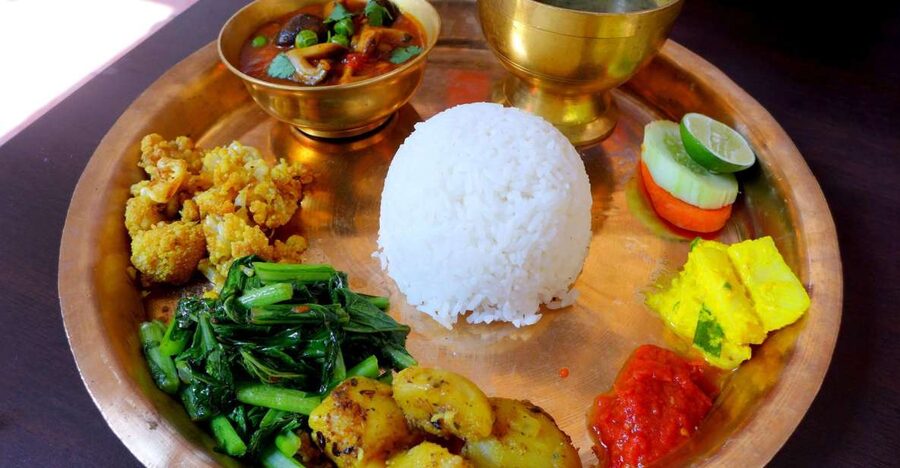
- Nepali staples made at your station like momo, curries, roti-style bread, and sel roti
- A local market ingredient run so you cook with what people actually buy
- Folk music and simple Nepalese phrases add a fun cultural layer while you cook and eat
From Thamel to Ason: the rickshaw start that sets the tone
Most people arrive in Kathmandu craving two things: good food and a fast way to get oriented. This experience gives you both in the first stretch of the day. You get picked up from the Thamel area, then head out toward Ason, one of Kathmandu’s well-known trading hubs.
The rickshaw ride matters more than it sounds. It slows you down just enough to notice how locals move through the city—what’s being carried, what’s being sold, and how quickly everything changes from one corner to the next. It’s not a long sightseeing detour. It’s a practical kickstart to the day’s theme: food starts in the market.
And you’re not expected to be a street-food expert. The goal is to help you connect ingredients to the meal you’ll be making. That connection is what makes the class feel worth your time, even if you’re short on it.
You can also read our reviews of more tours and experiences in Kathmandu.
Inside Ason Market: buying ingredients for your meal
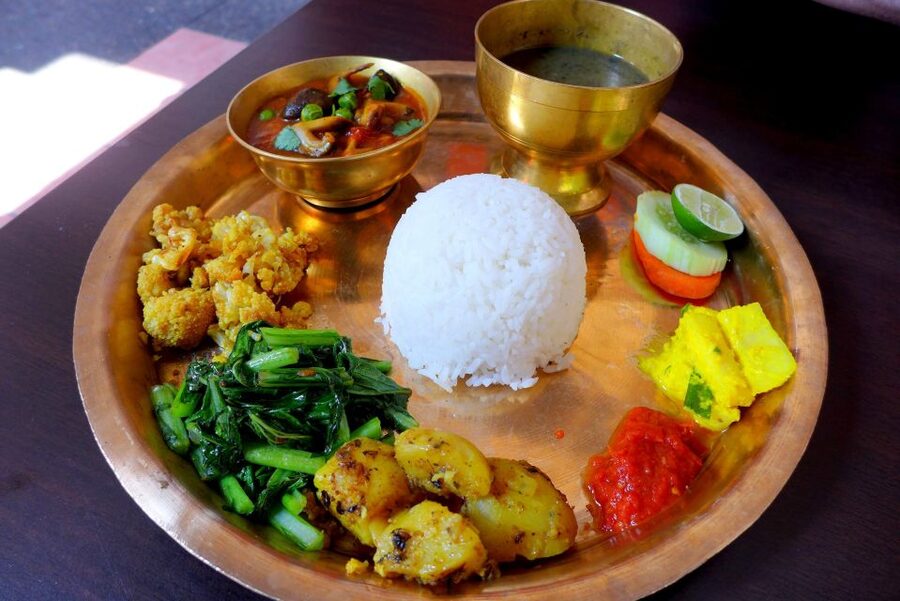
The market stop is where the tour earns its keep. You’ll meet local merchants, see the crush of commerce in motion, and buy the ingredients you’ll cook later. Even if you’re not a big shopper, watching how ingredients are grouped and priced gives you context you won’t get from a grocery store.
Here’s what to look for while you’re there:
- Fresh basics you recognize (vegetables, spices, staples)
- Spices and seasonings that hint at the flavor profile of the dishes you’ll make
- Rice-based ingredients that point toward bread and fried sweets like sel roti
A small practical note: the market time can feel compact. In other words, if you’re the type who loves a long wandering market morning, you might want to add extra free time after the tour. The tour’s focus is buying ingredients and getting you into the cooking flow.
That said, even a shorter ingredient run can still be valuable. You leave with a mental map: you bought it here, you cooked it there. It makes the whole afternoon land more cleanly.
The cooking class itself: momo, curries, roti-style bread, and sel roti
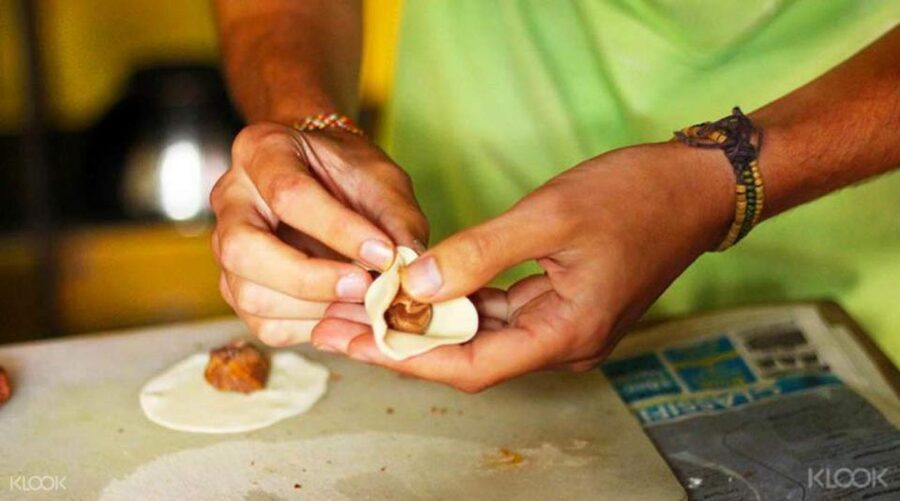
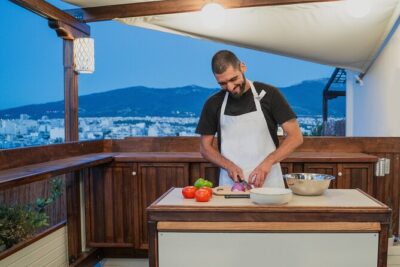
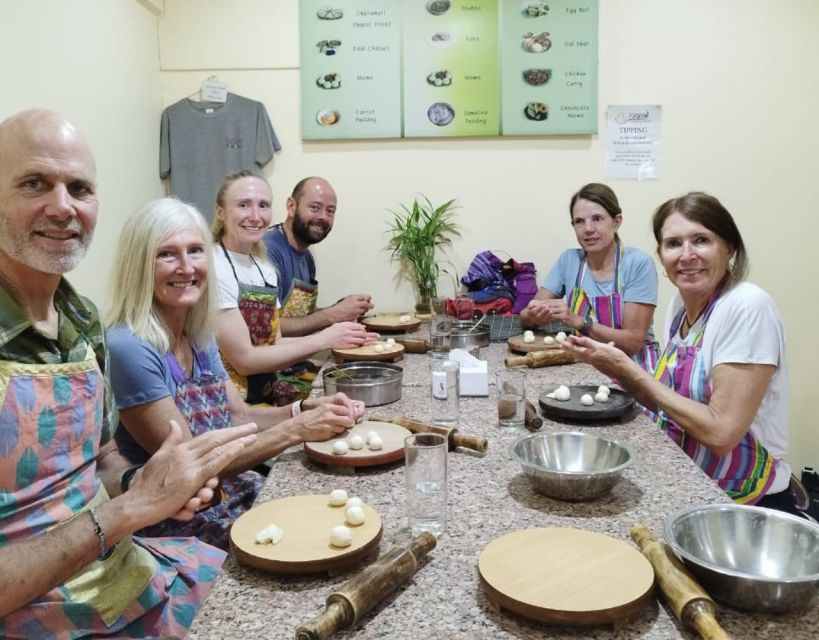
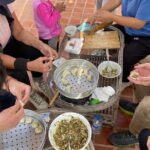
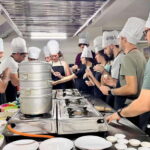
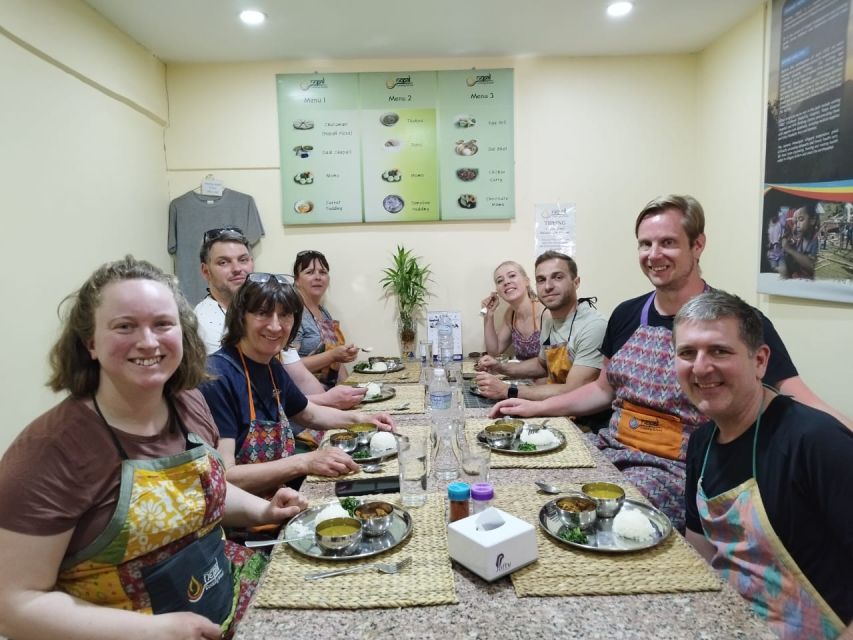
After the market, it’s hands-on time. Your instructor leads you through preparing a traditional Nepali meal while explaining how different dishes are cooked and which ingredients matter. This is where the tour becomes more than an activity. It turns into a repeatable skill set: you learn methods, not just recipes.
What you’ll likely be making
The class includes popular Nepali dishes, including:
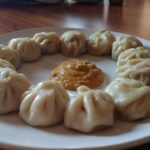
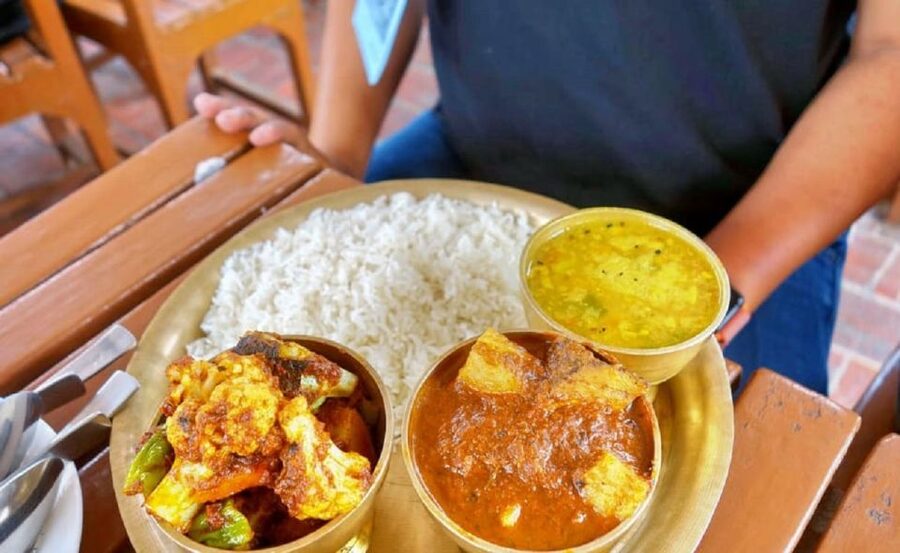
- Momo (you’ll work on the dumpling-style dish that’s a favorite across Nepal)
- Varieties of curries (you’ll learn how the dishes come together around key ingredients)
- A unique bread that includes roti (bread-making steps, with that roti connection)
- Sel roti, described as slightly similar to American donuts—ring-shaped and fried, which makes it feel playful and approachable
I like that this menu isn’t just one type of food. You get a mix of savory and fried elements, plus something bread-like. That variety helps you understand Nepali meals as a system: you’re not only learning a single dish; you’re learning how flavors and textures fit together.
English instruction and active participation
The instructor teaches in English, and there’s also an English audio guide included. In practice, this helps if you want the why behind the how—why an ingredient is added at a specific moment, or how a texture changes as you cook.
You can also expect fun added to the process. During the class and at mealtime, there’s Nepalese folk music. It turns the session into more of a shared experience than a formal cooking workshop where everyone looks serious and silent.
Timing reality check
The tour length is listed as about 4 hours, and the cooking class itself is described as 3–4 hours. Still, some sessions can run shorter than expected. If you’re the kind of person who plans back-to-back activities, give yourself a cushion after this one. You’ll feel better, and you won’t end up watching the clock.
Food culture lessons: folk music, quick phrases, and how meals connect
One of the smartest parts of this tour is that it doesn’t treat the meal as isolated entertainment. You learn about food culture of the region while cooking. That might sound abstract, but it becomes concrete fast when your instructor explains ingredients and cooking methods.
You also get to listen to Nepalese folk music during the class and at the meal. That matters more than background music. It sets a relaxed rhythm. When you’re standing by a hot pan and timing matters, a calmer atmosphere can keep you focused instead of stressed.
And you’ll learn some Nepalese phrases too. I don’t need to remember a whole language lesson to benefit. Even a few easy phrases help you interact differently when you’re back out in Kathmandu—like you’re part of the setting, not just passing through it.
What makes the value work for $60
Let’s talk money honestly. At $60 per person for about four hours, you’re paying for three things that are usually hard to DIY in a new city:
- Hotel pickup and drop-off from the Thamel area
- A guided ingredient run at a local market (including your rickshaw ride)
- Instruction in English with a chef instructor, plus a structured cooking experience
If you tried to do this alone, you’d still spend time figuring out where to shop for the right items, then figure out how to cook them in the right order. Even if you had a kitchen lined up, you’d likely lose the cultural context and technique coaching.
At the same time, it’s fair to say value depends on how well your session matches the ideal flow. The class is described as a full cooking experience, but the real-world timing can vary. If you’re hoping for a long, slow, step-by-step workshop that fills the entire window, keep expectations flexible.
For me, this price feels most reasonable if:
- you’re staying in/near Thamel and want easy logistics
- you want to taste multiple dishes (not just one)
- you like market context, not just a plated meal
Logistics and practicalities in Kathmandu (rain or shine)
This tour runs rain or shine, so plan like you’re in a real city, not a controlled classroom. Bring a rain layer you’ll actually wear, not an umbrella you’ll fight with in wind.
You’ll also want to have proper ID. A passport or ID card is required, and a copy is accepted. That’s a simple thing, but it can save you from last-minute stress.
Alcohol and drugs aren’t allowed. If you’re the type who likes a celebratory drink during tours, you’ll have to keep it off the menu and focus on the food experience.
And if you have mobility needs, the tour is listed as wheelchair accessible. Always confirm details with the operator if you’re traveling with a wheelchair or need specific support, but it’s a good sign that accessibility is explicitly addressed.
Who should book this cooking class (and who should think twice)
This experience is a great match if you:
- love hands-on classes more than lectures
- want a true Kathmandu market stop as part of the food journey
- like trying a range of Nepali dishes (dumplings, curries, breads, and a fried ring bread like sel roti)
- want an instructor-guided experience in English without hunting for translators
It may be less ideal if you:
- want a long, wandering market tour (the market portion can feel short)
- expect the cooking segment to always match the full stated duration in a perfectly clockwork way
One more thought: some sessions may be led by a competent local instructor who is also still in training. You’ll still get food teaching, but if you’re picky about who’s behind the counter, you might want to ask the operator how their chef instruction is structured for your specific day.
Should you book this Kathmandu Nepali cooking class?
If you want a food-focused afternoon that connects ingredients to cooking methods, I think it’s an easy yes. The combination of Thamel pickup, an Ason market ingredient run, and a hands-on meal preparation in English makes the experience efficient and satisfying.
I’d say book it if your priorities are learning how Nepali staples are made and enjoying the process with music and a few Nepalese phrases. Skip or plan buffer time if you’re scheduling tight activities after, since the market and cooking time can feel shorter than the headline on some days.
FAQ
How long is the Kathmandu Nepali cooking class with hotel pickup?
The duration is about 4 hours, with a cooking class portion described as 3 to 4 hours.
Where do I get picked up and dropped off?
Hotel pickup and drop-off are from the Thamel area.
Do I visit a local market before cooking?
Yes. You’ll visit a local Kathmandu market (Ason) and pick up ingredients for your meal.
Is the market visit done by rickshaw?
Yes, the market visit includes travel to Ason by rickshaw.
What dishes will I cook?
The class includes dishes such as momo, varieties of curries, roti-related bread, and sel roti.
What language is the instructor?
The instructor teaches in English, and an English audio guide is included.
What should I bring?
Bring a passport or ID card (a copy is accepted).
Is alcohol allowed on this tour?
No. Alcohol and drugs are not allowed.
Will the tour run in bad weather?
Yes. The tour takes place rain or shine.