REVIEW · KATHMANDU
Kathmandu: 3-Hours of Cooking Class with Meals
Book on GetYourGuide →Operated by Cordial Trek Pvt. Ltd. · Bookable on GetYourGuide
If you want real Kathmandu flavors, cook them. This hands-on class puts you at the stove learning classic Nepali dishes step by step, then eating what you make while it’s hot.
Two things I really like: you get to cook instead of just watch, and you leave with a plateful of variety thanks to three different menus. One thing to consider: the experience runs about 3–4 hours, and the exact flow can shift a bit depending on the day (for example, festive season can affect ingredient shopping).
In This Review
- Key Highlights Worth Your Time
- Cooking From Scratch in Kathmandu Without a Single Skill Test
- The Course Plan: Three Menus, Four Dishes Each
- From Fresh Ingredients to the Stove: What You’ll Actually Do
- Momos: The Signature Nepalese Dish You’ll Cook and Eat
- Lunch That Feels Like a Lesson (Because It Is)
- How the Spices and Flavors Actually Work
- Price in Context: Why This One Feels Like a Deal
- Logistics That Can Trip You Up (So Plan Smart)
- Who This Class Is Best For
- What You’ll Take Home Besides Recipes
- Should You Book This Kathmandu Cooking Class?
- FAQ
- How long is the cooking class?
- Does the class include lunch?
- Are momos included?
- What is included in the price?
- What drinks are included?
- Do I need cooking experience?
- What languages are the instructors available in?
- What should I bring?
- Is there any luggage restriction?
- Who is this not suitable for?
Key Highlights Worth Your Time
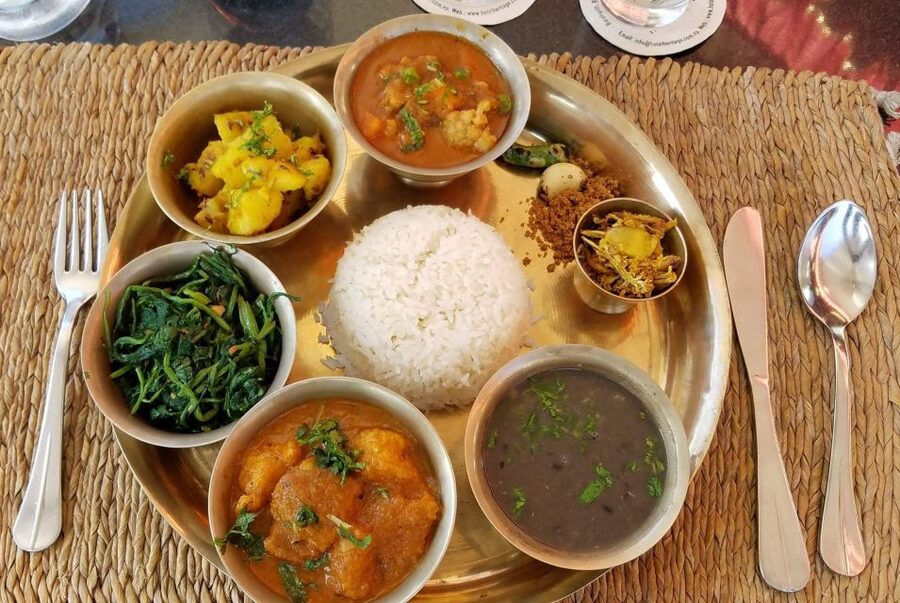
- Hands-on cooking: you do the work, guided step by step
- Three menus, twelve dishes: options so you can find your favorites
- Momos included: Nepal’s most famous bite, made by you
- Fresh ingredient focus: you’ll typically see and choose ingredients before cooking
- Customize your heat: adjust spice to your taste as you go
- Lunch + masala tea included: you eat your results, not just learn
Cooking From Scratch in Kathmandu Without a Single Skill Test
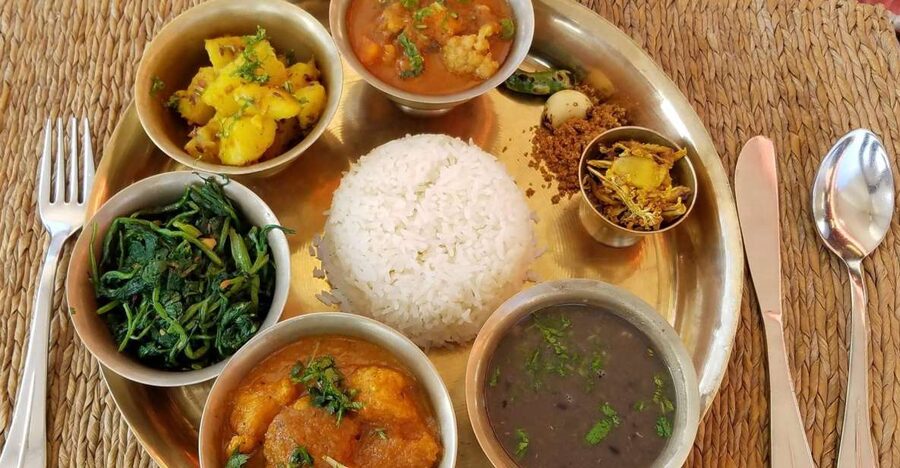
Kathmandu can feel like a lot when you first arrive: traffic noise, busy streets, and a menu of dishes that all look delicious but hard to pronounce. This cooking class cuts through that stress by giving you one clear job: make real Nepali food with expert guidance, then eat it right away.
What makes it practical is that it’s not a fancy demo. You’re learning by doing. The instructor walks you through each dish step by step, and you’re cooking one course at a time so the meal stays fresh and hot. No previous cooking experience is required, which matters if you’re the kind of traveler who packs snacks “just in case” and still wants something cultural and hands-on.
You’ll also get language support. The instruction is available in English and Hindi, which is a big help if you’re only picking up a few local phrases. And since the class includes lunch and hot drinks, it’s not just an activity—it’s a full food experience.
You can also read our reviews of more tours and experiences in Kathmandu.
The Course Plan: Three Menus, Four Dishes Each
Here’s the big structure you should look for when you choose your spot: the class covers three different menus, and each menu includes four traditional Nepali dishes. That means you’re not stuck eating the same flavor profile all afternoon.
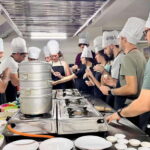
In most hands-on classes, you might watch a lot and “help” occasionally. Here, the flow is closer to: cook, taste, adjust, then move to the next course. The chef guides you through every dish, and you get to set the flavor level as you go. Love chili? Add more. Prefer it milder? Keep it light. That customization is more than comfort—it teaches you how Nepali cooking builds flavor, not just how to follow a recipe.
Also, the class runs about 3–4 hours. If you’re scheduling around it, treat it like an afternoon commitment. Some days will feel closer to 3 hours and others closer to 4, so don’t book a tight dinner right after. If your day has plans later, give yourself a buffer.
From Fresh Ingredients to the Stove: What You’ll Actually Do
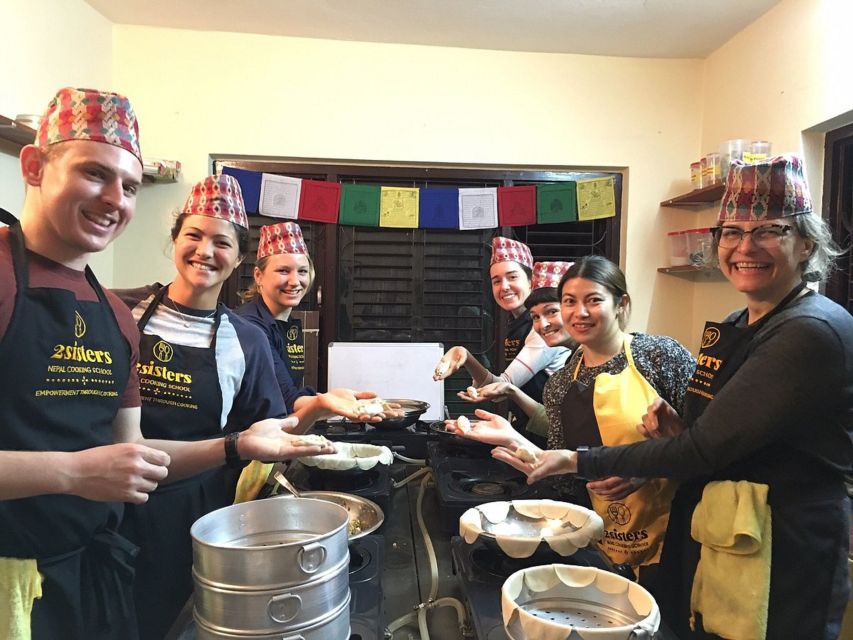
One of the best parts of this experience is the link between ingredients and the final meal. You start with selecting fresh ingredients, and the class is designed to show you how those raw items turn into recognizable Nepali dishes.
In the best-case scenario, you’ll get to visit shops or ingredient spots to see what’s fresh and pick your ingredients. One review also notes that during festival season, the usual ingredient shopping may not happen, which can change the pacing of the activity. If your trip overlaps a festival period, it’s smart to expect a slightly different setup and be flexible.
What you can count on: you’ll be cooking with all necessary equipment and ingredients provided. That removes a common headache. You don’t need to bring utensils, spices, or worry that the class kitchen is understocked. You just bring yourself, wear comfortable clothes, and be ready to work with hot foods and kitchen prep.
Momos: The Signature Nepalese Dish You’ll Cook and Eat
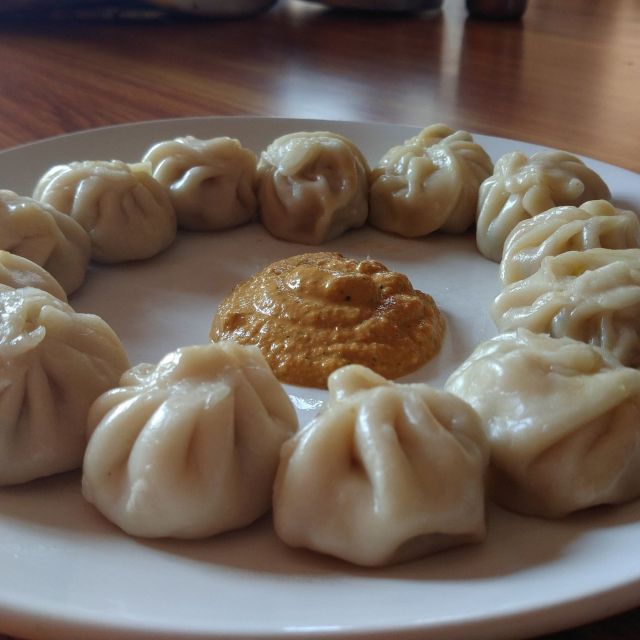
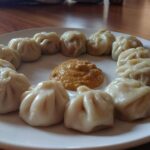
If there’s one dish name you’ll hear again and again in Nepal, it’s momos. This class includes momos, so you’re not leaving Kathmandu with only photos and secondhand knowledge—you’re making them yourself.
Momos are also a great teaching tool. They’re hands-on in a way that helps you understand dough, filling, and the idea of steaming or cooking until ready. And because you cook and then eat what you make, you’ll get immediate feedback on taste and texture. If you’ve ever been curious why Nepalese dumplings feel so different from what you might find elsewhere, this is your shortcut.
Even if you’re not a confident cook, momos are the perfect “I can do this” dish. You get guidance, you can ask questions while you work, and you’re eating warm dumplings at the end of the course.
Lunch That Feels Like a Lesson (Because It Is)
A lot of food experiences promise learning. This one builds meals around teaching. The instructor leads you through each dish, and you eat your results while they’re still hot. That means you’re not only tasting the final flavor—you’re tasting it right after you learn the technique behind it.
The menu variety is helpful too. With multiple dishes per menu, you’ll likely get a mix of textures, spices, and styles. That variety matters in Kathmandu, where food changes fast depending on region, spice level, and cooking method.
What you’ll also appreciate: the class includes lunch and masala tea. Masala tea is an easy comfort after a hot kitchen afternoon. It also gives you a taste of the kind of drink you’d commonly pair with snacks and meals in Nepal, so it doesn’t feel like an afterthought.
How the Spices and Flavors Actually Work
A big reason people enjoy this class is the ability to adjust taste. The instructor encourages flavor customization during cooking, like adding more chili if you want it hotter or keeping it mild if that’s your preference.
That’s useful for two reasons:
First, it makes the class more enjoyable. You don’t have to “tough it out” if you’re spice-sensitive. Second, you learn a real-world cooking skill: how changes in spice, seasoning, and balance affect the final dish.
This is the kind of lesson that travels with you. When you’re home and you’re cooking something similar, you’ll remember what you adjusted and why. You’re not just collecting recipes—you’re collecting instincts.
Price in Context: Why This One Feels Like a Deal
At $2.15 per person, this is priced in a way that feels almost unreal given what’s included: hotel pick-up and drop-off, an expert cooking instructor, all ingredients and equipment, lunch, and masala tea.
Now, a quick reality check: pricing can vary based on the booking platform, season, or promotions. But even with that in mind, the overall value proposition is strong. Most cooking classes with transport and a full meal cost noticeably more, and many don’t include the same level of hands-on instruction.
Here’s the value equation I’d use if you’re deciding:
- If you want a structured cultural experience that ends with you eating what you cooked, this is a strong option.
- If you’re mainly looking for a quick snack and no cooking work, you might feel it’s more than you need.
But if you want to come home with new skills (and a full stomach), this price-to-contents ratio looks excellent.
Logistics That Can Trip You Up (So Plan Smart)
A few practical notes can make or break your afternoon.
You’ll need to be ready in your hotel lobby about 5 minutes before pickup. That’s not “leave whenever.” It’s more like: the driver won’t wait forever, so get your day moving.
You should also bring:
- a camera
- comfortable clothes
- cash
And know what’s not allowed: no luggage or large bags. Keep it light. In most cooking setups, there’s limited space for bags and you don’t want to juggle extra items while you’re working.
Also, this activity isn’t suitable for:
- children under 5
- people with mobility impairments
If that’s you, check alternatives in Kathmandu that offer seated or step-free experiences.
Who This Class Is Best For
This cooking class is built for a wide range of travelers because it doesn’t require cooking experience. It works especially well if you:
- want an interactive way to learn Nepali food
- like adjusting spice and seeing results in real time
- want a family-friendly activity (it’s described as such, with the under-5 limitation)
- are traveling with friends who want a shared activity that ends in a meal
It’s also a great fit if you’re a foodie who wants more than a restaurant plate. You’ll learn the process, not just the name of the dish.
If you hate kitchen mess or quick prep tasks, you might find it less fun. But the class is designed to be friendly and guided, so you’re not thrown into chaos. You’ll have instruction and equipment.
What You’ll Take Home Besides Recipes
The best souvenir from this kind of class isn’t a printed card. It’s how you learned to make flavor choices.
Because you cook and eat immediately, you’ll remember:
- what you added (like chili level)
- what felt balanced
- how each dish changes as it cooks
- how momos fit into Nepali cuisine beyond being a street-food name
You’ll also gain a small but meaningful cultural context. Nepali cuisine isn’t just spices—it’s technique, timing, and personal preference. Getting to adjust the flavor makes the learning stick.
Should You Book This Kathmandu Cooking Class?
If you want real Nepali food and you enjoy hands-on activities, I’d say book it. The combination of step-by-step instruction, momos included, and a meal you eat hot is hard to beat—especially at a price that seems unusually low for what you get.
The only strong reason to skip is if you want a totally passive experience (this is cooking, not a show) or if luggage space and mobility aren’t workable for you. Otherwise, this is the kind of Kathmandu afternoon that pays off fast: you learn, you taste, and you leave with food you made yourself.
If your dates line up with festival season, expect the ingredient-shopping portion to possibly change. Don’t let that scare you off. It just means you’ll focus more on cooking in the kitchen and less on the shopping stage.
FAQ
How long is the cooking class?
The experience is listed as 3–4 hours, with the duration shown as 4 hours. Your exact timing can vary by schedule.
Does the class include lunch?
Yes. Lunch is included, and you eat what you cook as part of the experience.
Are momos included?
Yes. Momos are included in the dishes you’ll cook and enjoy.
What is included in the price?
Included items are hotel pick-up and drop-off, an expert cooking instructor, a 3–4 hour hands-on class, ingredients and equipment, lunch, and masala tea.
What drinks are included?
Masala tea is included. Cold drinks and alcoholic beverages are not included.
Do I need cooking experience?
No cooking skills are required. The chef guides you step by step.
What languages are the instructors available in?
Instruction is available in English and Hindi.
What should I bring?
Bring a camera, comfortable clothes, and cash.
Is there any luggage restriction?
Yes. Luggage or large bags are not allowed.
Who is this not suitable for?
It’s not suitable for children under 5 years old and for people with mobility impairments.