REVIEW · KATHMANDU
Best Nepali Cooking Class in Thamel with Local Market Trip
Book on Viator →Operated by Epic Adventures Pvt. Ltd. · Bookable on Viator
The fastest way to understand Nepali food starts in a market. This Thamel cooking class pairs a guided ingredient shop with hands-on cooking led by Nepali cooks, so you learn why flavors work, not just how to follow steps.
I especially like that all ingredients are included and you shop for them during the trip. I also like the small-group feel (up to 8 people), plus the meal setup—snacks and then the lunch and dinner you cook from what you gathered.
One thing to consider: the kitchen setup can be tight, so the “class” can feel more fast-paced and practical than slow, sit-down instruction. Come ready to work with your hands and move at a good pace.
In This Review
- Key things to know before you go
- Why This Thamel Market-and-Cooking Class Works
- Getting Started at Nepal Cooking School (What to Expect)
- The Local Market Trip: Fresh Ingredients and Everyday Shopping
- Hands-on Cooking with Local Cooks (Busy, Practical, Small-Group)
- Vegetarian and vegan options
- Who gets the most out of the cooking time?
- Eating What You Make: Snacks, Lunch, and Dinner
- Recipes to Take Home (So It’s Not Just a One-Off Meal)
- Price and Logistics: The Real Value in What’s Included
- Who Should Book This Cooking Class in Thamel?
- Who might want to think twice?
- Final Verdict: Should You Book It?
- FAQ
- How long is the cooking class?
- Is pickup offered from my accommodation?
- Do I need to buy ingredients separately?
- Is the market trip part of the experience?
- What meals are included?
- Are vegetarian or vegan options available?
- How many people are in the group?
- Is private transportation included?
- What is the cancellation policy?
Key things to know before you go
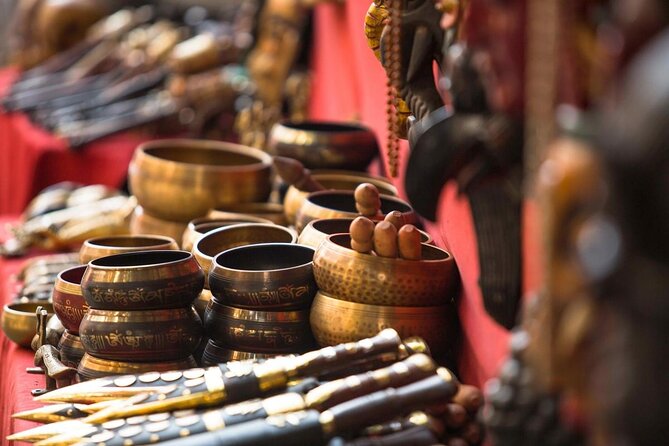
- Guided local market trip to shop ingredients where Nepalis actually buy food
- All ingredients included so you can focus on cooking instead of guessing quantities
- Learn from Nepali cooks with hands-on guidance while you make multiple dishes
- Vegetarian and vegan options available if you request them
- Small group (max 8 travelers) for more attention and quicker teamwork
- Meals included with snacks plus lunch and dinner
Why This Thamel Market-and-Cooking Class Works
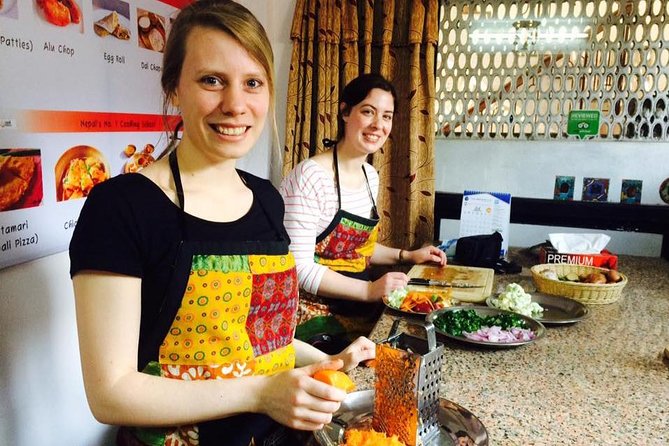
If you like food tours but you’re tired of only watching, this one hits the sweet spot. You get a market visit first, then you cook, then you eat. That order matters. You’re not guessing what spices and produce are for—you see them, pick them up, and use them soon after.
At $30 per person for about 3 hours, the value is mostly in what’s included. You’re not just paying for a cookbook moment. You’re paying for guidance, ingredient shopping, and multiple meals. And because the group is capped at 8 people, you’re less likely to be stuck waiting while the cooks handle everything.
It’s also a nice way to connect with Kathmandu in a normal, everyday way. Nepali food is built on common ingredients and smart technique. Learning the rhythm of that—spice, heat, timing—gives you something practical you can actually use later.
You can also read our reviews of more tours and experiences in Kathmandu.
Getting Started at Nepal Cooking School (What to Expect)
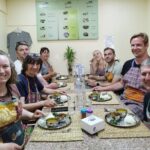
The experience typically begins with an introduction to the local ingredients, spices, and cooking techniques common in the region. Even before you start chopping, you’ll get a sense of how flavors are built—what’s used often, and how they fit together in Nepali dishes.
You may get pickup offered, and the activity is near public transportation. So even if you’re not using the pickup, getting there should be straightforward once you’re in Thamel.
Then comes the part that makes this class feel more like a real morning than a staged performance: the focus stays on what ingredients mean. Rather than only “measure and mix,” you’ll likely spend time understanding what you’re choosing and why it works in Nepali cooking. That helps a lot if you plan to recreate dishes at home.
One more practical note: the experience uses a mobile ticket, and you should receive confirmation at booking time. So once you lock it in, you can keep your plans simple.
The Local Market Trip: Fresh Ingredients and Everyday Shopping
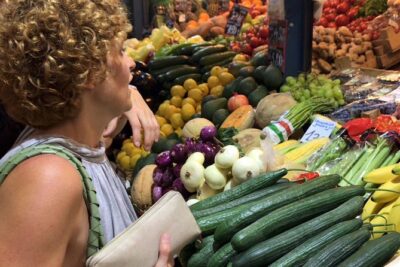
A major highlight is the guided local market trip where you shop for ingredients. The whole point is that you’re buying fresh produce and pantry items in the same kind of environment you’d find day-to-day in Kathmandu.
This isn’t a “look at pretty stalls” stop. The market is tied directly to what you’ll cook later. You’ll be gathering ingredients at outdoor markets (or similar grocery-shopping spots) guided by the cooks. That connection is what makes the class more memorable. You don’t just see spices—you understand what you grabbed and how it shows up in the dish.
What I’d recommend you do during the market time:
- Ask quick questions about which ingredient changes the dish most.
- Pay attention to textures (fresh herbs, produce firmness), not just color.
- Don’t try to stock up like you’re moving to Nepal. You’re here to learn what to use and why.
Because everything is included, you don’t have to worry about extra costs for ingredients. That’s a big deal for budget travelers. It also makes the market feel less stressful—you can focus on learning instead of calculating what you can afford.
Hands-on Cooking with Local Cooks (Busy, Practical, Small-Group)
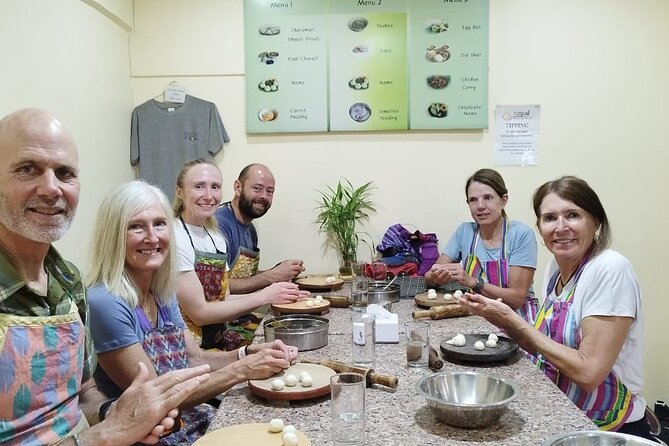
Once you’re back at the cooking space—at the Nepal Cooking School—you get into the real work. This is a hands-on class where you cook from start to finish, not just assemble a final plate.
The experience aims to teach you how to make a variety of local dishes, using fresh ingredients you collected. You’ll learn Nepali cooking techniques along the way, guided by the cooks leading your group.
A couple of details from the experience style matter for your expectations:
- The kitchen can feel tight and fast-paced, especially with a small group. One common concern is that there isn’t tons of room, so it can get a bit “hands-on and moving” rather than slow and classroom-like.
- The format can feel more practical than formal. In other words, you might get guidance that helps you produce the dish rather than a deep, leisurely lesson on every possible variation.
That doesn’t make it bad. It just changes how you should approach it. If you want a relaxed, step-by-step cooking seminar with lots of downtime, this may feel intense. If you want to learn by doing—and eat well—you’ll likely be happy.
Vegetarian and vegan options
If you eat vegetarian or vegan, you can request those options. That’s important because Nepali cooking can offer great variety, and you don’t want to be stuck with only side dishes.
Who gets the most out of the cooking time?
You’ll get the most if you come ready to participate. Keep your questions short and practical. When a cook shows you a step, watch for the reason behind it—timing, heat, or spice order—because those are the parts that translate best when you cook later at home.
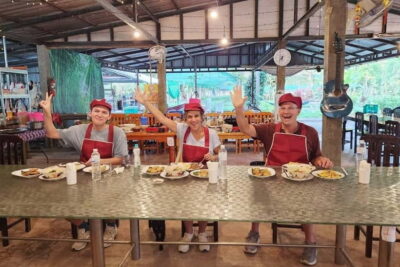
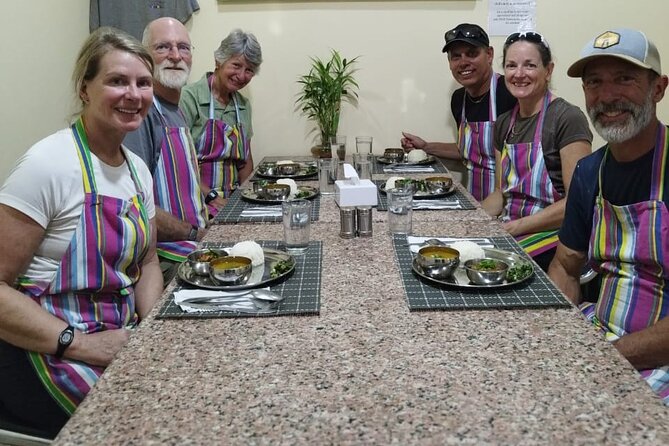
And yes, you should come hungry. The class includes snacks, lunch, and dinner, and the food you make is part of the point.
Eating What You Make: Snacks, Lunch, and Dinner
In this class, eating isn’t an afterthought. You’re meant to enjoy what you cook right after the hands-on portion.
The experience includes:
- Snacks
- Lunch
- Dinner
- Breakfast is also listed as included
That sounds like a lot for a 3-hour activity, but it adds up because the meals are spread around the day’s flow of the experience. The practical benefit is simple: you don’t have to scramble for food plans in between. You pay once, and you’re set.
Food that you cook yourself hits different. You notice the smell of spices earlier. You understand how the taste shifts when heat changes. And when you eat, you can connect what you did to what you’re tasting. That makes the learning stick.
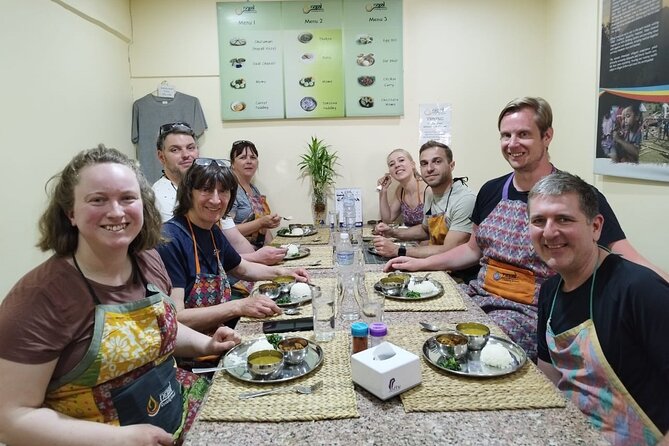
Also, the social part matters. With a small group and friendly staff, the class tends to feel like a shared food project. If you’re traveling solo, this is one of those setups where you’re likely to talk with other people who actually care about food, not just collecting stamps for a checklist.
Recipes to Take Home (So It’s Not Just a One-Off Meal)
You’ll receive recipes to take back home. That’s one of the best parts of any cooking class, because it turns a fun afternoon into something useful later.
You don’t need to memorize every step. Instead:
- Focus on the recipe outline.
- Write down any special cues you were told—like what to watch for while cooking (texture, smell, timing).
- If the class offered vegetarian or vegan options, note the substitutions so you can repeat them at home.
Even if you can’t source the exact same spices immediately, having a written recipe helps you keep the dish’s structure. That’s the part most people forget after cooking shows.
Price and Logistics: The Real Value in What’s Included
Let’s talk money in a way that helps you decide. This experience costs $30 per person, runs about 3 hours, and is often booked roughly 13 days in advance.
You might think: is it worth it for just a cooking session? Here’s why it tends to work financially:
- Ingredient shopping is included.
- All food according to the menu is included.
- Snacks plus lunch and dinner are included.
- Breakfast is also listed as included.
- Pickup is offered, and it’s near public transportation.
The only explicitly listed miss is private transportation. So if you’re far from Thamel or you prefer a direct taxi ride each time, you’ll need to handle that on your own.
One more practical point: a mobile ticket reduces friction. You’re not chasing paper tickets or last-minute details. And with confirmation at booking, it’s usually easy to plan around it.
If you’re trying to keep Kathmandu costs controlled while still getting an authentic experience, this one competes well. You’re paying for local guidance plus a full meal payoff.
Who Should Book This Cooking Class in Thamel?
This is a strong fit if you want:
- A hands-on food experience, not just a tasting.
- A market connection to understand ingredients in context.
- A small group size so the cooks can actually help you while you work.
- Options for vegetarian or vegan preferences.
- A fun cultural activity that also produces something real you can eat and learn from.
It’s also ideal for first-time visitors who feel overwhelmed by Kathmandu food choices. Instead of deciding where to start, you’re guided step-by-step—market to prep to cooking to eating.
Who might want to think twice?
Consider the experience style if you prefer slow instruction or lots of individual attention in a spacious kitchen. The class setup can be tight, and the timing can feel more like efficient teamwork than a long, relaxed course.
If that sounds like your vibe, you’ll probably love it. If you want a detailed “learn everything from scratch” cooking school, this may feel too short and busy.
Final Verdict: Should You Book It?
Yes—if you want a practical Nepali cooking experience that includes the ingredient hunt and the meal payoff, this one is a great choice. The biggest reasons to book are the market trip, the all-ingredients-included setup, and the fact that you cook and eat within about 3 hours.
If you’re on a budget, it’s especially appealing because you’re not paying separately for food. And if you care about vegetarian or vegan options, you can request them.
Just go in with the right mindset: expect a lively, hands-on class in a small space. Come hungry, ask questions while you’re cooking, and plan to take the recipes seriously when you’re back home.
FAQ
How long is the cooking class?
The experience lasts about 3 hours.
Is pickup offered from my accommodation?
Pickup is offered.
Do I need to buy ingredients separately?
No. All ingredients are included, and there’s market shopping of ingredients.
Is the market trip part of the experience?
Yes. You’ll be guided to a local market as part of the tour.
What meals are included?
Snacks, lunch, and dinner are included, and breakfast is also listed as included.
Are vegetarian or vegan options available?
Yes. Vegetarian and vegan options are available on request.
How many people are in the group?
The maximum group size is 8 travelers.
Is private transportation included?
No. Private transportation is not included.
What is the cancellation policy?
Free cancellation is available up to 24 hours in advance for a full refund. If you cancel less than 24 hours before the start time, no refund is provided.