REVIEW · KATHMANDU
The best Private Nepali Cooking Class in Kathmandu
Book on Viator →Operated by Kalpana's Cooking Course Training · Bookable on Viator
Cooking Nepal in a real home beats restaurants. This private class takes you into Kalpana’s family kitchen, starting with tea, picking ingredients, and moving straight into hands-on cooking. I like that you get both hotel pickup and drop-off and the chance to choose ingredients before you cook. The one drawback to know is that this is not a watch-and-snack lesson, so you’ll be chopping, grinding, and standing for a while.
You’ll also appreciate how flexible the meal planning can be. The hosts can adapt the menu for dietary needs (vegetarian option available if you ask ahead), and you’ll still end up with a full plate, not a compromise. One more perk I value is leaving with PDF recipes, so you can actually recreate the flavors later.
At roughly 4 hours 30 minutes, it’s a half-day you can build your trip around. It costs $24 per person, which is a surprisingly fair deal for a private group, all food included, and a trip out of the city’s noise into a calmer home setting.
In This Review
- Key Highlights You’ll Care About
- A Kathmandu Kitchen Lesson That Starts With Pickup (Not Confusion)
- Market and Organic Farm Ingredients You Actually Get to Choose
- Spice Grinding and Hand Techniques: The Lesson Behind the Flavor
- The Set Meal You’ll Cook: Rice, Dal, Veg, Spinach, Chicken, and More
- Momo and Nepali Home Cooking Skills You Can Use Again
- PDF Recipes and a Meal That Actually Feeds You
- Dietary Requirements: Vegetarian and Special Requests Are Part of the Plan
- Price and Timing: Why $24 Makes Sense for a Private Half-Day
- Who This Cooking Class Is Best For
- What to Expect When You Arrive (And How to Prepare)
- Should You Book This Private Nepali Cooking Class?
- FAQ
- How long is the private Nepali cooking class in Kathmandu?
- What’s included in the price?
- Is vegetarian food available?
- Can the class accommodate special dietary requirements?
- Is this a private group experience?
- What happens if bad weather cancels the class?
Key Highlights You’ll Care About
- Hotel pickup and drop-off so you don’t lose time navigating Kathmandu
- Pick ingredients at the local market and a private organic farm before cooking
- Hands-on spice work like grinding whole spices and pounding ginger and garlic
- A full Nepali home meal including rice, dal soup, seasonal vegetables, spinach, and more
- Dietary tailoring available with vegetarian and other special requirements
- PDF recipes to take home so the lesson doesn’t vanish the next day
A Kathmandu Kitchen Lesson That Starts With Pickup (Not Confusion)
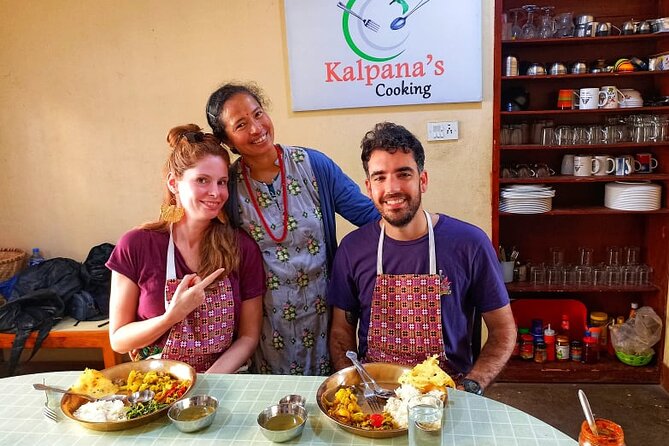
The best part of this class is how it lowers the friction. Hotel transfers are included, and you’re picked up and dropped off in a private vehicle. That matters in Kathmandu, where traffic and tight lanes can drain the energy out of your day. With pickup handled, you can focus on the real goal: cooking, asking questions, and learning why each dish tastes the way it does.
Before the cutting boards come out, you settle in with a warm cup of homemade masala tea or coffee. It’s a small moment, but it sets the tone. You’re not shuffled through a demo. You’re welcomed into a home rhythm, with enough time to get comfortable and start paying attention to smells, textures, and spice levels.
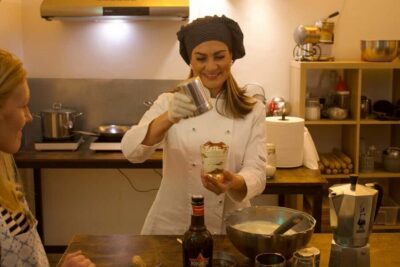
Once you’re in, the class becomes actively interactive. You’ll chop, prepare, and cook—plus you can take photos and videos as you go. And since it’s private, you’re not competing with a line of other people trying to ask the same questions at the same time.
You can also read our reviews of more tours and experiences in Kathmandu.
Market and Organic Farm Ingredients You Actually Get to Choose
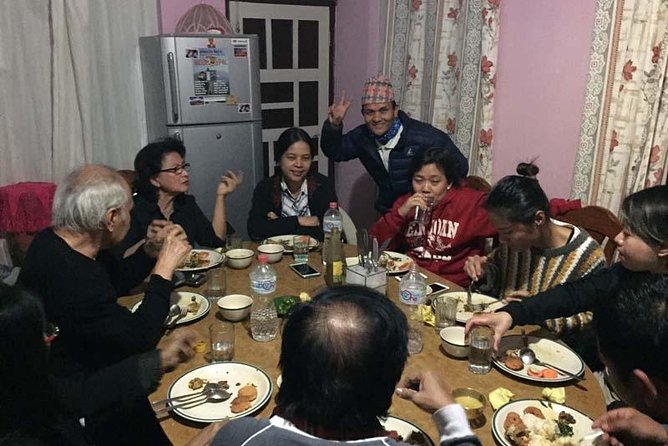
This isn’t just “we’ll buy ingredients and show you cooking.” The experience includes selecting produce before the class even starts cooking. You’ll visit a local market and a private organic farm to choose your ingredients, then later you’ll work with seasonal vegetables straight from the home garden.
That ingredient-choice piece is one of the biggest value boosts. When you understand what vegetables are in season and why certain staples are used, you can recreate the dishes more accurately later at home. It also changes the feel of the class. Instead of following instructions blindly, you learn how Nepali cooking responds to what’s available.
Practical note: markets and farms mean you’ll likely see a range of fresh produce and spices. If you’re sensitive to smells, bring that up early. The hosts can guide you through what’s what, and you can choose how involved you want to be.
And if you’re the type who likes to know what goes where, you’ll probably love the moment when ingredients move from “things on a table” to “what I’m chopping for my dal and vegetable plates.”
Spice Grinding and Hand Techniques: The Lesson Behind the Flavor
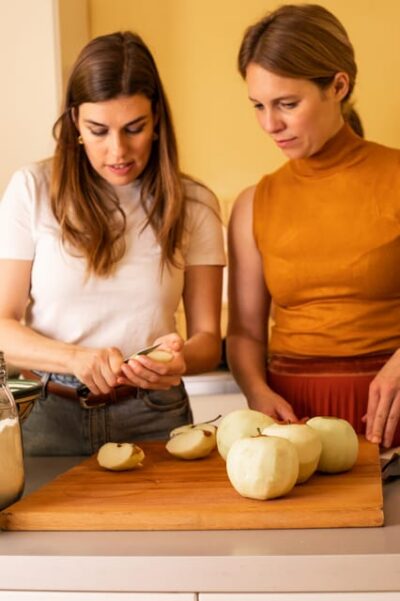
Here’s where the class feels especially hands-on. You’ll grind whole spices and pound fresh ginger and garlic using traditional, time-honored methods. You’re not just watching someone else do it—you’re learning the process that changes the dish.
Why that matters: whole spices release aroma differently than pre-ground powders. Ginger and garlic, when prepared fresh in the right way, can taste brighter and more alive. In other words, your end result is tied to technique, not just ingredients.
You’ll also get practical explanation as you cook: what you’re doing, why you’re doing it, and how small steps affect the final taste. One review-style detail that pops up repeatedly is that the teaching is friendly and interactive. You’re asked to do tasks, then shown how to do them. It’s the best way to learn without feeling overwhelmed.
Also expect some serious “hands and arms work.” Reviews mention that traditional cooking can be labor-intensive. That’s not a bad thing. It’s just a heads-up so you wear comfortable clothes and plan to move a bit.
The Set Meal You’ll Cook: Rice, Dal, Veg, Spinach, Chicken, and More
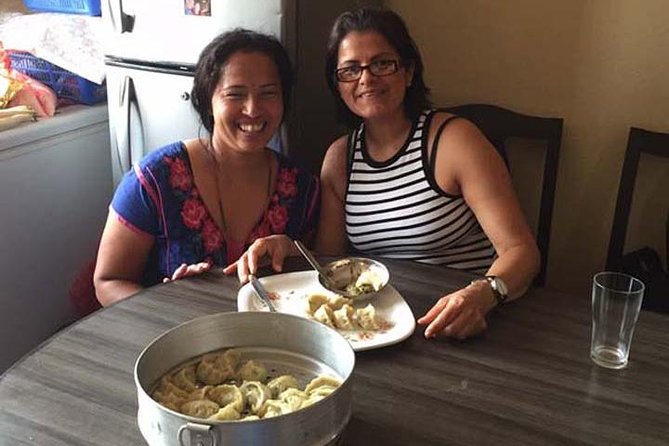
The class teaches you a set meal, and you’ll be responsible for a lot of the preparation. The menu includes:
- Plain rice
- Dal soup (lentil-based)
- Seasonal vegetable
- Spinach
- Chicken
- Pickle papad fry
Even if your cooking skills are rusty, this layout is smart. Rice and dal give you the core Nepali plate base. Vegetables and spinach balance the meal with greens and texture. The chicken adds protein and depth, while pickle and papad fry bring that punch of salty, sour, and crunchy contrast that keeps the meal interesting.
You’ll also learn techniques that help you understand how Nepali dishes come together, not only what they taste like. That’s important if you want your results to improve after you’re back home. You’re building a toolkit: spice prep, cooking rhythm, and how to assemble flavors.
If you’re a momo fan, you’ll be in good company. The class focuses on Nepali favorites such as dal bhat and momos (and sweet fried bread like sel roti is among the dishes highlighted as part of the teaching focus). Even when menus shift, the key point stays the same: you’re learning common home-style Nepali methods, not just one-off recipes.
Momo and Nepali Home Cooking Skills You Can Use Again
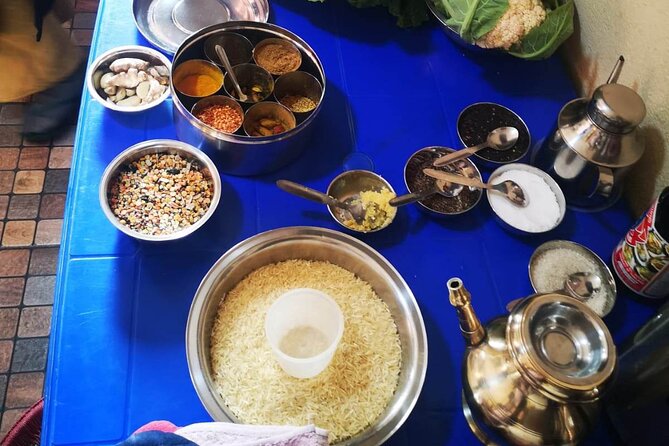
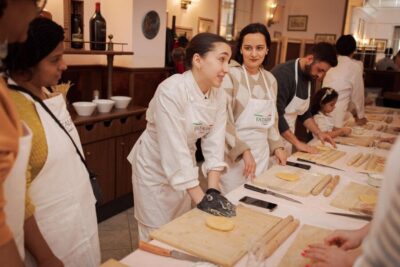
Momos are one of those dishes people try to copy later and end up disappointed—because the wrapper, filling, and steaming timing are all part of the flavor. Here, you’re not just tasting momos. You learn preparation techniques and how dishes are built in a home kitchen.
The vibe is relaxed but focused. You’ll be given guidance as you cook, and you’ll have a chance to ask questions during the process. In several experiences like this, the best learning happens when you can see how someone handles small issues in real time, like adjusting seasonings or handling dough steps. That’s what you’re getting here: cooking with people who do this at home, not just instructors running a script.
And the setting helps. Reviews describe a cozy, garden-adjacent home setup, plus a drive away from the city’s intensity. That matters for your attention span. When the environment isn’t stressful, you absorb more. You also enjoy the moment, instead of rushing through it.
PDF Recipes and a Meal That Actually Feeds You
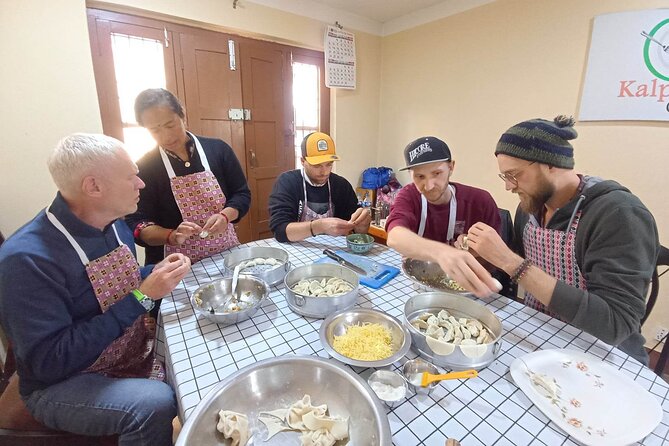
A lot of cooking classes end with a polite snack and a stack of vague notes. This one ends with you eating what you cooked, and you leave with PDF recipes you can use later.
That’s more than just “paperwork.” When you’re back in your own kitchen, memories fade fast: measurements, timing, and the order of steps become blurry. PDF recipes help you lock in the process so your next dal or momo attempts don’t rely on guesswork.
Also, food is included—breakfast or lunch plans need to match the class. In practice, you’ll likely get a hearty meal during the experience. Plan your day accordingly so you’re not too full before you arrive. If you usually eat a big breakfast, consider going lighter so the lunch portion lands the way it’s supposed to.
Dietary Requirements: Vegetarian and Special Requests Are Part of the Plan
This is one of those experiences where asking ahead matters, and the hosts can adjust. The class can cater to travelers with special dietary requirements, and a vegetarian option is available if you advise at booking.
What I like about this setup is that it treats dietary needs as part of the menu planning, not a last-minute workaround. You still get an organized meal with multiple components, instead of a single “safe” dish that doesn’t reflect the cuisine.
If you have allergies or strong dietary restrictions, send clear details during booking. Then, when you arrive, you can confirm how the menu will change. The goal is to cook and eat comfortably, not to stress through the meal.
Price and Timing: Why $24 Makes Sense for a Private Half-Day
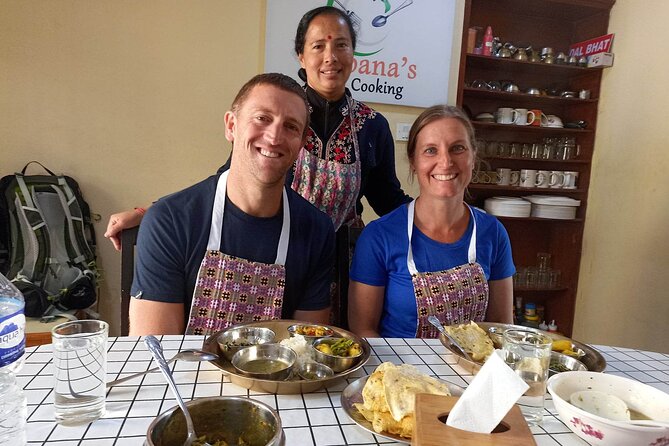
At $24 per person with all food included, this is good value for Kathmandu. What makes the price feel fair isn’t just the cost—it’s what you’re getting for it:
- private participation (only your group)
- hotel pickup and drop-off
- ingredient selection at market and farm
- hands-on cooking time
- lunch and drinks (morning tea or coffee)
- PDF recipes
Also, this tends to get booked ahead (about 18 days on average). If you’re traveling around peak seasons or weekends, book earlier rather than later, especially if you want vegetarian or specific dietary changes.
In terms of scheduling, the duration is about 4 hours 30 minutes. That’s enough time to do real work in the kitchen and still keep the rest of your day available for sights, museums, or simply resting.
Who This Cooking Class Is Best For
This experience fits best if you want more than eating Nepali food once. You’ll enjoy it if you like:
- cooking hands-on
- learning how flavors are built with spices and fresh ingredients
- a quiet break from the city while still being close enough for day plans
- cultural connection through everyday home cooking
It’s also a strong choice for a first taste of Nepali food skills, especially if you’re heading out on the rest of your trip and want a better sense of what typical meals look like. You’ll come away with practical instincts for ordering and eating more confidently later.
If you hate standing for long periods or you prefer strictly observation-based activities, this might feel like too much. It’s designed for active participation.
What to Expect When You Arrive (And How to Prepare)
You’ll be picked up and taken to the home setting, where you start with warm tea or coffee. Then the session moves into cooking tasks: chopping, preparing ingredients, and working with spices.
A helpful mindset: treat it like a workshop, not a performance. You’ll be encouraged to ask questions, and you’ll be able to capture photos and videos as you cook.
Clothing tip: wear something comfortable for kitchen work. You’ll likely be moving around, handling heat, and using your hands a lot. If you’re sensitive to spice levels, tell the host at the start so they can guide you.
And plan your hunger. Since lunch is included, going too heavy on food beforehand can reduce your enjoyment of what you made.
Should You Book This Private Nepali Cooking Class?
If you want a real home cooking experience in Kathmandu, this is an easy yes. The combination of hotel transfers, ingredient picking at market and organic farm, hands-on spice preparation, and a full set meal makes it feel like more than a class. It’s a practical way to learn Nepali flavors in a form you can repeat at home.
Book it if:
- you want a private, family-style atmosphere
- you like learning by doing (not just watching)
- you care about ingredient quality and seasonal produce
- you want PDF recipes you can use later
Skip it if:
- you prefer low-effort activities
- you’re short on time and can’t commit to a half-day cooking schedule
- you have dietary needs but didn’t plan to communicate them ahead of time
If you’re on the fence, think of it this way: for $24, you’re paying for transportation, ingredients, instruction, and lunch, all packaged into one calm half-day away from the city rush.
FAQ
How long is the private Nepali cooking class in Kathmandu?
It runs for about 4 hours 30 minutes.
What’s included in the price?
Hotel pickup and drop-off are included, along with private transportation, morning tea or coffee, and lunch.
Is vegetarian food available?
Yes. A vegetarian option is available if you advise at the time of booking.
Can the class accommodate special dietary requirements?
Yes. You should advise any specific dietary requirements at booking so the menu can be adjusted.
Is this a private group experience?
Yes. It’s a private tour/activity, and only your group participates.
What happens if bad weather cancels the class?
If it’s canceled due to poor weather, you’ll be offered a different date or a full refund.