REVIEW · KATHMANDU
Momo, Dhalbhat & Thukpa Cooking Class, Nepal
Book on Viator →Operated by Momo, Dhalbhat & Thukpa Cooking Class · Bookable on Viator
Your morning in Patan gets edible. This small cooking class pairs a local market walk with Nepali comfort food you’ll actually make, all near Patan Durbar Square. I like the way it turns Kathmandu’s headlines into real life: spice by spice, bowl by bowl, with local people in the mix.
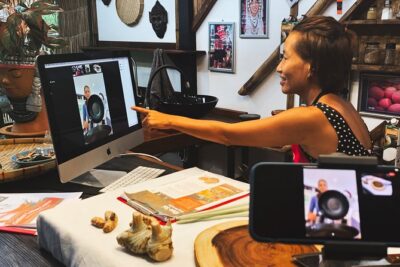
I also really like the teaching style—Esther and her collaborator Amos guide you through hands-on prep, then you sit down and eat what you cooked. The menu stays flexible (dishes can match what you request), but momo, dhalbhat, and thukpa are the core.
One thing to consider: a few steps can feel partly set up for you, so if you want total control over every motion, you might wish it were a bit more DIY.
In This Review
- Key things to love about the Momo, Dhalbhat & Thukpa Cooking Class
- Patan location: Golden Temple to cooking without the long commute
- The market walk: how Nepali cooks think about ingredients
- What you’ll cook: momo, dhalbhat, thukpa (with practice, not just watching)
- Momo: shaping skill with tasty payoff
- Dhalbhat: the comforting backbone of Nepali meals
- Thukpa: noodles, broth, and balance
- Dish flexibility based on requests
- Inside the cooking: a rooftop kitchen and a calm pace
- Stop-by-stop: what the Patan walk adds to your meal
- Price and value: $25 worth it if you want real learning
- Who this cooking class suits best (and who might prefer something else)
- What to bring and how to get the most out of your 3 hours
- Should you book this class in Kathmandu?
- FAQ
- How long is the Momo, Dhalbhat & Thukpa Cooking Class?
- How much does it cost?
- Where does the class start and end?
- Is there a market visit included?
- What dishes do you learn to make?
- Do you eat the food you cook?
- How large is the group?
- Is transportation nearby?
- What if the weather is poor?
- What is the cancellation policy?
Key things to love about the Momo, Dhalbhat & Thukpa Cooking Class
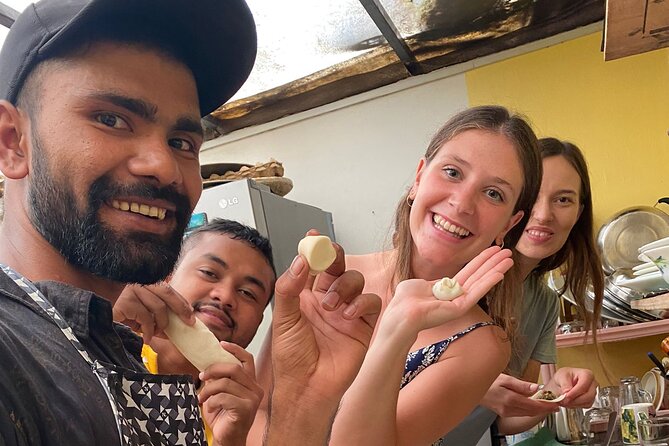
- Market-first start with time to shop and chat with vegetable sellers
- Esther’s teaching: clear explanations and practical cooking coaching
- A small group size (up to 10 people), which keeps the class friendly
- Eat what you make: you finish by tasting the meal fresh off the cooking area
- Patan-side location near Hiranya Varna Mahavihar and Patan sights
Patan location: Golden Temple to cooking without the long commute
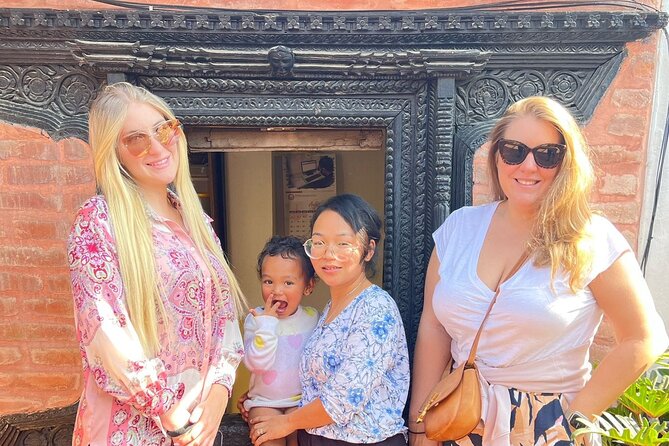
This isn’t one of those classes where you get dropped somewhere random and you never see the neighborhood. You start in Lalitpur (Patan), meeting at Nagabahal – Nyadha Galli, Lalitpur 44600, and you end back at the same spot. The vibe is simple and walkable, especially if you’re already spending time around Patan.
The day’s sightseeing is built around two focused stops. First is Golden Temple (Hiranya Varna Mahavihar). It’s a good opener because it grounds you in place before you start cooking. Instead of jumping straight into food talk, you get a minute to notice the textures of Patan—temple details, street energy, and the sense that daily life and ritual sit close together.
Then you move into Patan (Lalitpur). You’ll get context tied to food and customs, not a lecture you can’t use. That matters because Nepali meals are not random combos. They’re patterned—spices, starch, and sides show up again and again for a reason.
Practical note: the tour is near public transportation, so you’re not stuck planning around a private car. If you’re using ride-hail apps, you’ll likely find it easier to connect to the meeting area than to remote outskirts.
You can also read our reviews of more tours and experiences in Kathmandu.
The market walk: how Nepali cooks think about ingredients
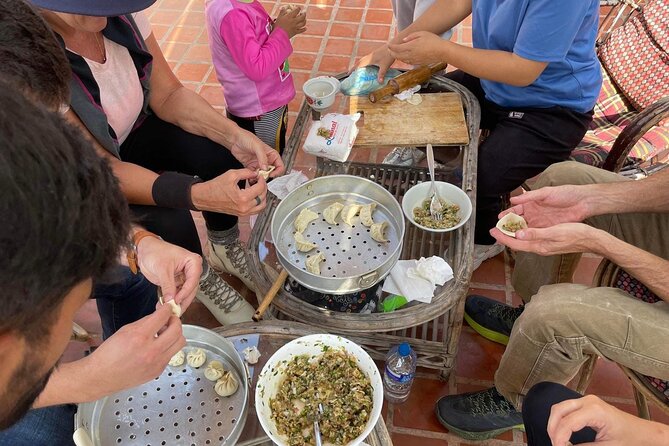
Before anyone hits the stove, you go to a local vegetable market. This is one of the best parts if you care about flavor beyond just tasting it. You’ll interact with vegetable sellers and see what’s normal to shop for day to day.
Here’s what the market visit gives you, in real terms: you start learning ingredient logic. In many Nepali kitchens, the best dishes aren’t only about a recipe. They’re about choosing the right produce, spotting the right textures, and understanding which items cook well together.
You’ll likely buy everything you need for the class—vegetables and other ingredients for the meal. That’s a big deal for value, because you’re not just being “shown” food. You’re part of the shopping chain.
And if you’re the type who loves spices, keep your questions ready. The class format leaves room for explanations, including how spices behave in hot oil and how they balance sour, salty, and heat. The goal is that when you get back home, you can recreate the why—not just the steps.
What you’ll cook: momo, dhalbhat, thukpa (with practice, not just watching)
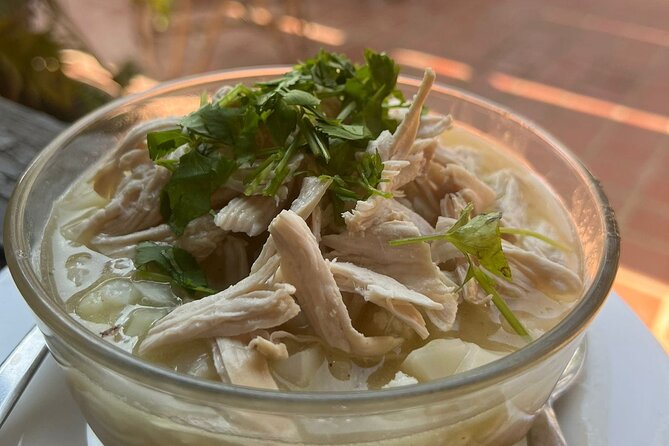
The menu is built around three crowd favorites: momo, dhalbhat, and thukpa. You’ll learn and practice making them during the session, then you’ll eat after everything is cooked.
Momo: shaping skill with tasty payoff
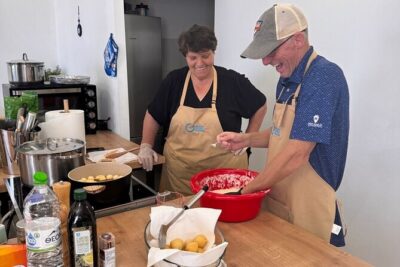
Momo are the kind of food that reward repetition. Once you start working with the dough and filling, you’ll understand why the wrappers matter and why getting the proportions right changes everything. Even if you’ve never touched momo before, the class structure is set up for you to try, fail a little, and then correct.
A big part of the fun is that momo also lets you learn spice and seasoning in a compact form. You’re not just seasoning a broth and hoping for the best. You’re building flavor into the bite.
Dhalbhat: the comforting backbone of Nepali meals
Dhalbhat is more than lentils. It’s the center of a meal rhythm—warm rice, cooked lentils, and sides that bring both comfort and kick. The class teaches you how the components come together so you understand what to aim for in taste and texture.
This is where many people leave feeling they finally understand Nepali food as a system. It’s not only about one dish. It’s about how starch and protein work together, and how sides and spices keep the whole plate interesting.
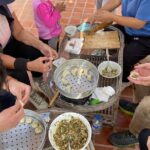
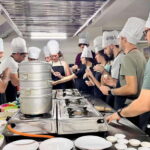
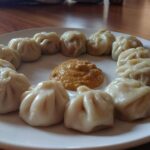
Thukpa: noodles, broth, and balance
Thukpa is where the cooking shifts from hands-on shaping to flavor-building. You learn how to build a broth that tastes complete, not flat. Noodles bring another layer, because you need timing so they’re cooked right without turning into a mushy mess.
If you like soups, this part tends to stick with you. It’s one of the easier ways to translate the meal to home cooking: you can take the seasoning balance and noodle logic with you.
Dish flexibility based on requests
One nice feature: the class can adapt to guest requests. So if you have a specific preference, there’s a good chance Esther will help shape the menu around it. Based on what people have experienced in the past, you may also see variations that can include something like chicken curry alongside dhalbhat, depending on what’s chosen that day.
Inside the cooking: a rooftop kitchen and a calm pace
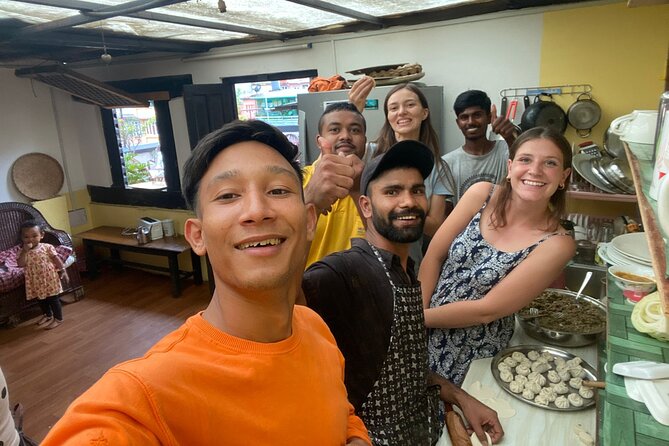
The cooking happens in a location that people describe as on a rooftop, close to Patan’s main sights. That matters more than it sounds. Cooking on a roof can feel breezier and less boxed-in than a back room, and it also keeps the group in one shared space.
This class runs about 3 hours. That time window is long enough to do real work—market shopping, ingredient prep, cooking practice, and eating. It’s short enough that you’re not spending half a day stuck in transition.
The group limit is 10 travelers, which is a sweet spot for learning. You’re not lost in a crowd, and you can ask questions without waiting your turn for forever. With Esther and Amos handling the teaching, the pace stays friendly.
One potential snag: you might notice that certain steps feel partly done for you. That can be helpful if you’re new to Nepali cooking. It can be less satisfying if you’re the type who wants full independent control over every step. Either way, you’ll leave knowing what to do next time.
Stop-by-stop: what the Patan walk adds to your meal
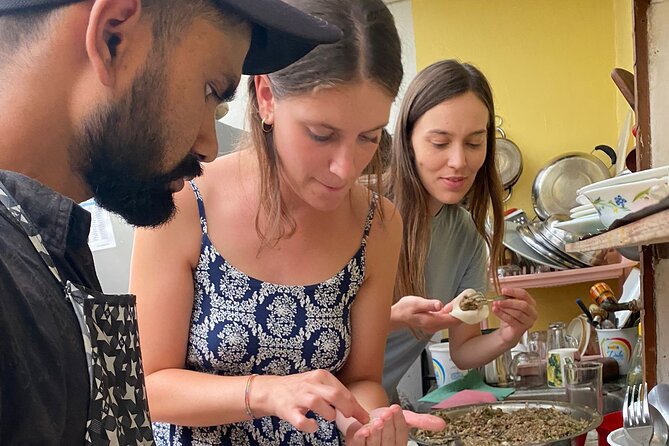
This is a food class, but it doesn’t treat culture as decoration. It uses two heritage stops and ties them back to daily life.
Golden Temple (Hiranya Varna Mahavihar) is the first anchor. You’re not there long, but the visit gives you a sense of what Patan values and how places of worship shape the city’s rhythm. That context makes the cooking feel less like a cooking demonstration and more like learning from a living culture.
Then there’s Patan itself as a second stop. In practice, the walk functions like a guided bridge between streets and stove. You’ll hear bits of information tied to traditions, customs, and how family life connects to food and routines.
If you’re curious about how Nepali daily life fits together—family, community, and food—this added context is worth paying attention to. It’s also a good way to make the trip feel more than just eating well (which you will).
Price and value: $25 worth it if you want real learning
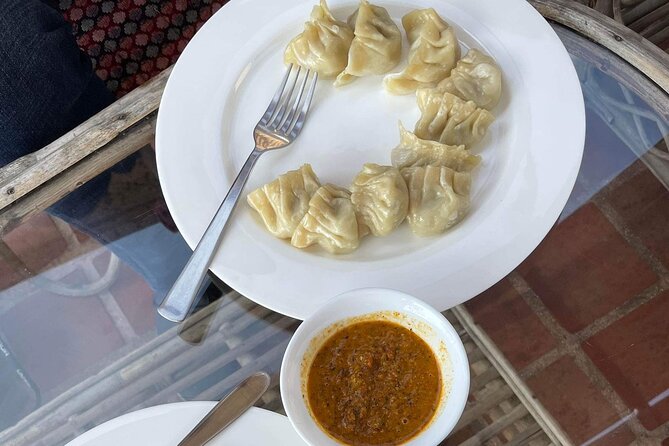
The price is $25.00 per person for about 3 hours. At that level, you’re paying for more than cooking instructions. You’re getting a guided market ingredient run, hands-on instruction for multiple dishes, and a meal you eat at the end.
Value comes from the full loop:
- You shop for ingredients with guidance
- You cook key Nepali dishes, not one isolated snack
- You sit down and eat what you made
- The class is small, capped at 10
It’s also booked about 6 days in advance on average, so don’t wait until the last minute if your schedule is tight. You’ll also receive confirmation at booking, and the ticket is mobile, which simplifies day-of life.
The pricing makes the most sense if you’re staying in Kathmandu long enough to add a morning activity. If your schedule is packed with temples and trekking planning, this class can give you a different kind of Kathmandu memory—one you can reproduce later.
Who this cooking class suits best (and who might prefer something else)
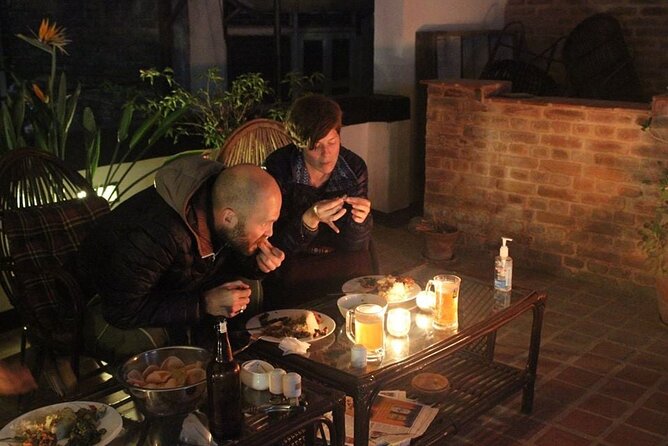
This is a great fit if you want:
- Hands-on cooking of momo, dhalbhat, and thukpa
- A market visit that helps you understand ingredients
- A small-group experience with room to ask questions
- Cultural context from Esther and her team, not only recipes
It also works well if you want a morning plan that doesn’t require strenuous walking. The meeting point and Patan Durbar Square proximity make it easier to combine with sightseeing.
Who might not love it as much:
- If you crave a super rugged, fully self-directed cooking workshop, you may find some steps already arranged for you.
- If you’re sensitive to weather swings, remember the experience depends on good weather.
What to bring and how to get the most out of your 3 hours
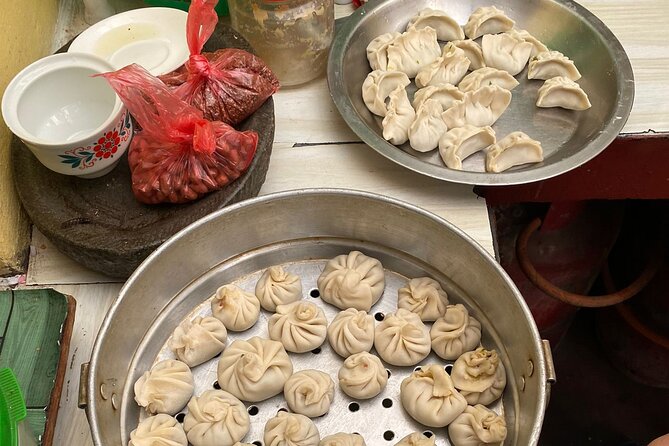
You don’t need special gear, but a few basics help.
Wear comfortable shoes. You’ll be walking around Patan and moving between the meeting point, temple area, market, and the cooking spot. Bring a light layer if mornings feel cool. Cooking and walking can mix body temperature fast.
If you care about spices, ask smart questions while you’re shopping. You’ll get more out of the class if you understand why certain ingredients go together. When you’re cooking, focus on texture cues—how things thicken, how dough behaves, and how soup tastes at the end.
Also, don’t be shy about requesting variations. The class can adapt based on guest requests, so speak up early rather than waiting.
Should you book this class in Kathmandu?
Book it if you want a meal lesson tied to real places in Patan. This class balances food and local life in a practical way: market shopping, teaching from Esther and Amos, and eating your results at the end. At $25 for about 3 hours with up to 10 people, it’s a strong value option for anyone who wants to leave Kathmandu with both a full stomach and skills you can use.
Skip it (or consider another format) if you need a more advanced, take-no-shortcuts workshop where you control every step end to end. Also, plan around weather, since the experience requires good conditions.
If you’re already planning Patan sights, this is a smart add-on. It turns your morning into something you can taste later—and that’s the kind of souvenir that actually matters.
FAQ
How long is the Momo, Dhalbhat & Thukpa Cooking Class?
It lasts about 3 hours.
How much does it cost?
The price is $25.00 per person.
Where does the class start and end?
It starts at Nagabahal – Nyadha Galli, Lalitpur 44600, Nepal, and ends back at the same meeting point.
Is there a market visit included?
Yes. You go to a local vegetable market before you start cooking, and you interact with sellers.
What dishes do you learn to make?
The menu includes momo, dhalbhat, and thukpa, with the dishes set based on guest request.
Do you eat the food you cook?
Yes. You eat the food once it is cooked.
How large is the group?
The class has a maximum of 10 travelers.
Is transportation nearby?
It is near public transportation.
What if the weather is poor?
The experience requires good weather. If it’s canceled due to poor weather, you’ll be offered a different date or a full refund.
What is the cancellation policy?
You can cancel for a full refund up to 24 hours before the experience starts. Free cancellation applies up to 24 hours in advance, and changes within 24 hours aren’t accepted.