REVIEW · KATHMANDU
Kathmandu: Women-Led Nepali Cooking Class with Momo Making
Book on GetYourGuide →Operated by Relax Getaways Pvt. Ltd · Bookable on GetYourGuide
Momo making turns dinner into a project. I like the clean, well-organized kitchen setup and the way the class mixes cooking with a market/shop ingredient run, so you learn Nepalese food for real, not just on a plate. One thing to keep in mind: if you want nonstop hands-on action, you may wish you’d had a bit more time doing everything yourself during the session.
This is a small-group workshop (up to 10 people) taught in English with a focus on Nepalese comfort food—especially dal bhat and momos—plus a menu of other classics. You’ll also get masala tea while you work, and you can usually choose among the dishes so the meal fits your preferences, including vegetarian and meat options.
In This Review
- Key things to know before you cook
- Women-led Kathmandu cooking class: why it’s worth your time
- The menu choices: from bara to momos, thukpa, and kheer
- Bara
- Dal bhat
- Momo
- Chatamari
- Thukpa
- Kheer and carrot halwa
- Yomari and aloo chop
- Before the cooking: market stop for spices, vegetables, and meat
- In the kitchen in Kathmandu: clean setup, tools, and learning flow
- Masala tea and the snack rhythm (yes, you’ll drink something good)
- Cooking dal bhat and momos: the skills that stick
- Dal bhat cooking lessons
- Momo cooking lessons
- What you eat at the end: a real meal, not samples
- Price and value in Kathmandu: about $8 for a lot of food time
- Who should book this class?
- Practical tips so your session feels smooth
- Quick heads-up on photo and video and the general setup
- Should you book Kathmandu momo and dal bhat cooking class?
- FAQ
- How long is the Kathmandu women-led Nepali cooking class?
- Where does the class meet?
- What language is the instruction in?
- How many people are in a group?
- What dishes can I cook in the class?
- Does the class include shopping for ingredients?
Key things to know before you cook
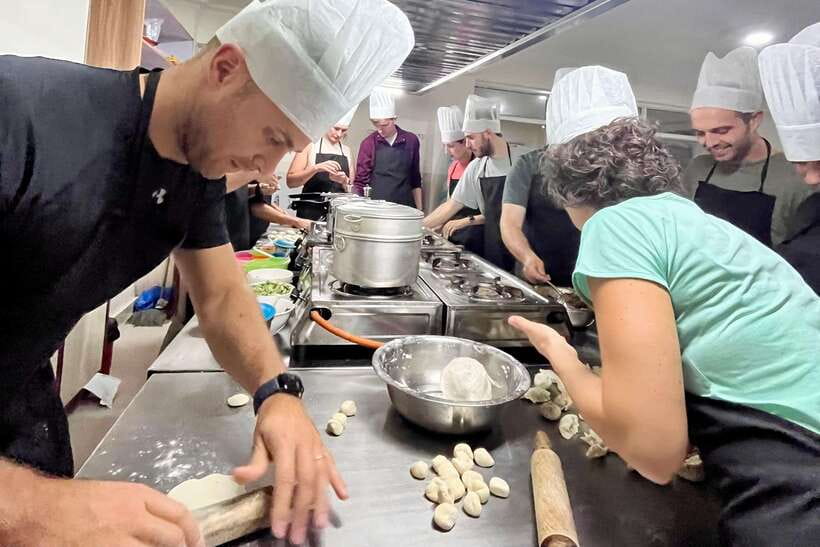
- Market/shop stop for ingredients: You go out to select vegetables, spices, and meat for the class.
- Clean kitchen, clear workflow: The setup is organized and you cook with proper equipment.
- Menu choice shapes your meal: Three menu sets are offered, and you’ll build your lunch/dinner from that.
- Momos plus dal bhat are the anchor dishes: You learn techniques behind Nepalese staples.
- Friendly, skilled instruction in English: You get step-by-step help and practical cooking advice.
- Recipe book is optional: You might be able to buy a recipe book on site for 400 baht.
Women-led Kathmandu cooking class: why it’s worth your time
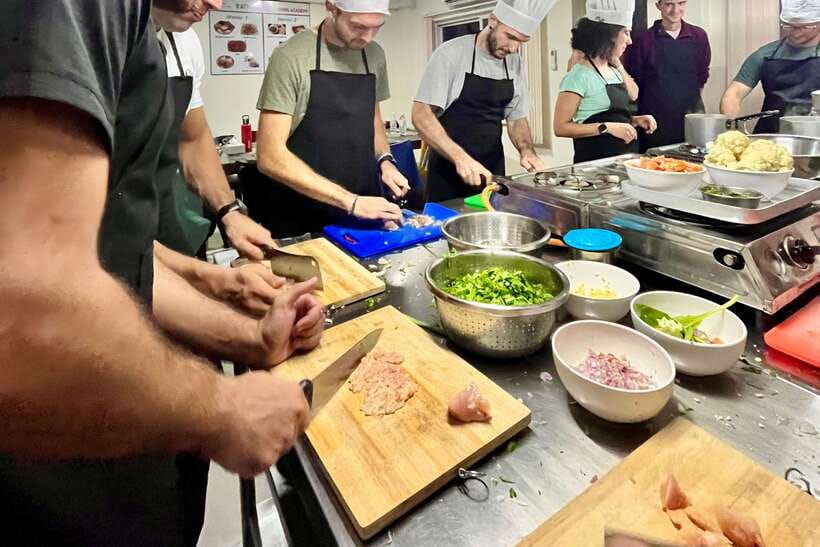
Kathmandu has plenty of food tours. This one is different because you’re not only eating—you’re cooking. The experience is built around Nepalese dishes you can actually recognize on menus across the region, especially momo (dumplings) and dal bhat (rice with lentils and sides). That makes the class a fast, practical way to understand what gives this cuisine its flavor and rhythm.
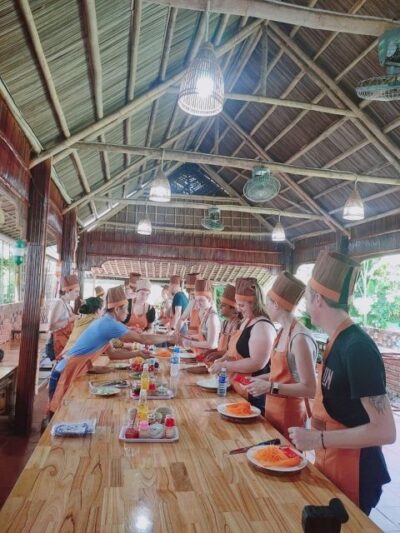
The women-led format also matters in a subtle way. In most cooking classes, you’re learning technique. Here, you’re learning how Nepalese home cooks think about ingredients, seasoning, and serving food in a way that feels connected to daily life, not performance. It’s a small-group setup, limited to 10 participants, which usually means you can ask questions and get corrections when your dumpling wrappers or curry consistency goes sideways.
And you’re not stuck staring at someone else’s prep. The course is hands-on, with step-by-step guidance and equipment provided. One fair caution: one piece of feedback you’ll want to listen to is that some people wish they’d done a bit more during the class. Translation: come in ready to participate, and don’t hesitate to ask what you can do next.
You can also read our reviews of more tours and experiences in Kathmandu.
The menu choices: from bara to momos, thukpa, and kheer
Your meal depends on which menu set you pick. There are three menu sets, and they cover a mix of Nepalese and Nepal–Tibet influences, with vegetarian and meat pathways depending on the dish.
Menu 1:
- Bara
- Dal bhat
- Yomari
Menu 2:
- Chatamari
- Momo
- Kheer
Menu 3:
- Aloo chop
- Thukpa
- Carrot halwa
Here’s what these dishes mean in real terms, and why they’re smart choices for a first Nepalese cooking class:
Bara
Bara is a lentil-based dish from Newari cuisine. It’s made from ground black gram batter, cooked into a pancake-like form, often with a topping choice (plain, egg, minced meat, or vegetables). If you’re learning texture as much as flavor, bara teaches you how batter cooks and sets.
Dal bhat
Dal bhat is the Nepalese staple: steamed rice plus lentil soup, usually served with vegetables, pickles, and curry sides. It’s not one recipe—it’s the system. When you cook it, you understand how lentils are seasoned and how the plate comes together to make the meal feel balanced.
Momo
Momo are dumplings with thin dough and spiced fillings. They can be meat-filled (like chicken, buff, or pork) or vegetable-filled. This dish is the star because it’s hands-on in a way that other Nepalese plates aren’t: you learn dough handling, filling portions, and how to shape properly.
Chatamari
Also from Newari cuisine, chatamari is often described as a Nepalese-style crepe, sometimes called the Nepali pizza. It’s a rice flour base topped with things like egg, minced meat, vegetables, and spices. If you want something savory but less time-consuming than dumplings, this is a good skill-builder.
Thukpa
Thukpa is Tibetan-Nepali noodle soup: broth, noodles, vegetables, and often meat options. It adds a different cooking style than momo or dal bhat because it’s more about broth flavor and simmering.
Kheer and carrot halwa
For dessert, you’re offered kheer (creamy rice pudding with milk, sugar, cardamom, and nuts/raisins) or carrot halwa (slow-cooked grated carrots with milk, sugar, ghee, and cardamom). If you want to understand Nepalese sweets, these are the classics.
Yomari and aloo chop
Yomari is a sweet dumpling from Kathmandu-style Newari cooking, usually filled with molasses (chaku) and sesame seeds (sometimes coconut). Aloo chop is a popular deep-fried potato snack mixed with spices. Both round out the menu in a way that makes your class feel like a full meal cycle, not just one main dish.
Before the cooking: market stop for spices, vegetables, and meat
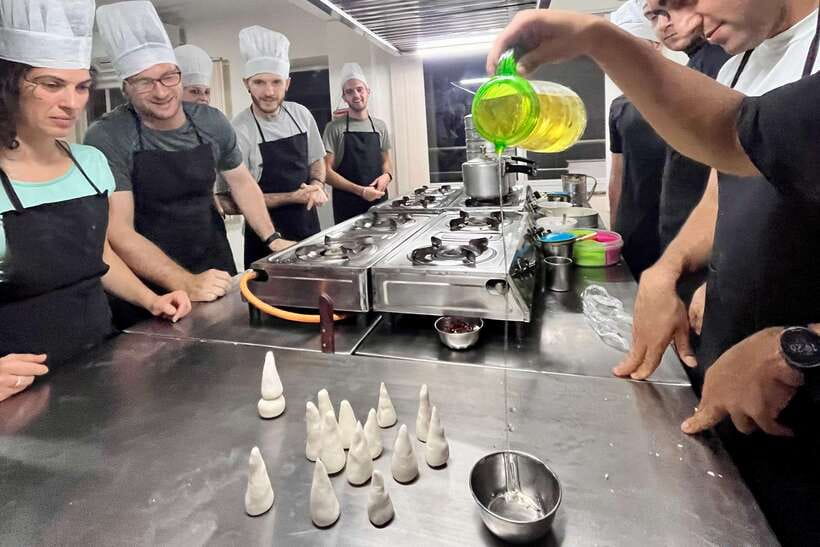
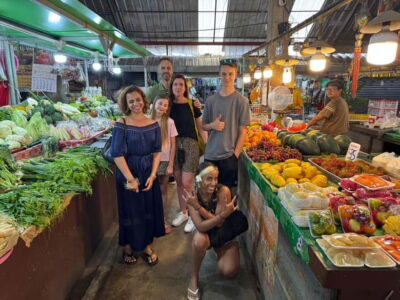
One of my favorite parts of this kind of class is where it starts: a market/shop visit to pick the ingredients that will actually go into your food. You’ll shop for vegetables, spices, and meat for the class, which gives you context you don’t get from a cookbook.
Why this helps you as a cook:
- You see what spices look like before they hit a mortar or pan.
- You learn how ingredient choice affects the final flavor, not just technique.
- You get a quick, real-world sense of what’s standard in Nepalese kitchens.
This also sets the tone. When you’re back in the kitchen, you’re not wondering where something came from. You already handled it, selected it, and tied it to a dish.
In the kitchen in Kathmandu: clean setup, tools, and learning flow
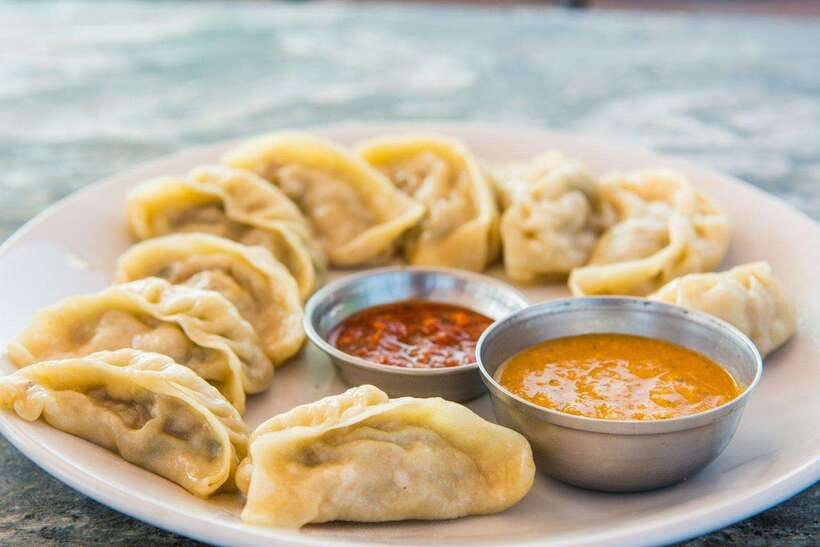
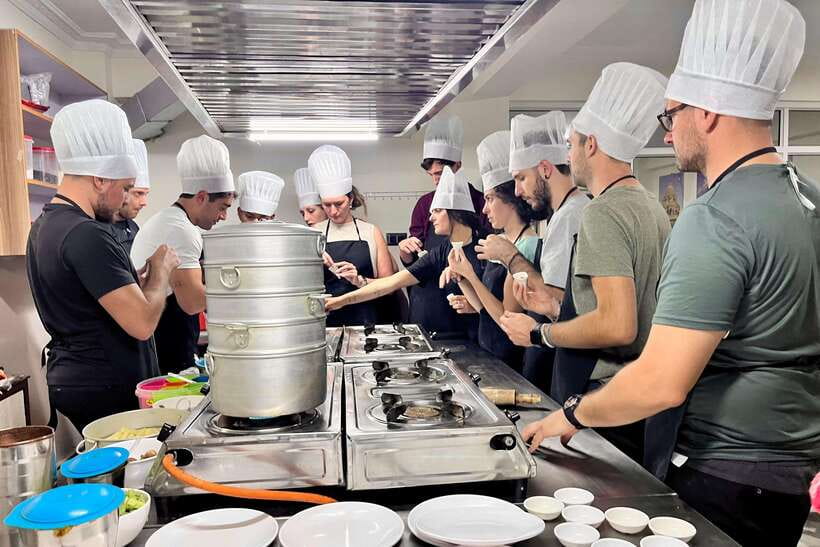
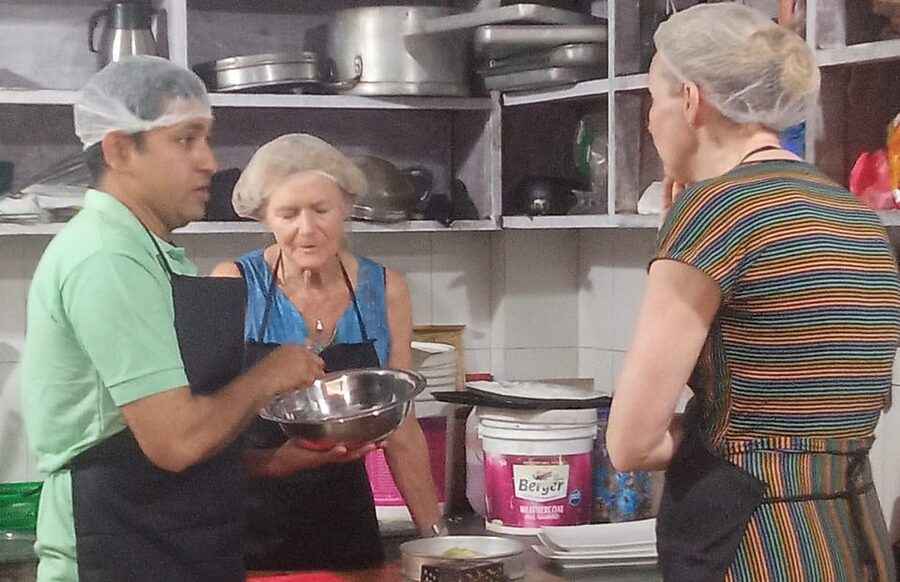
The class takes place in a modern Nepali kitchen, and the organization matters. The kitchen is described as clean and well organized, with the equipment ready so cooking doesn’t turn into a scavenger hunt.
You’ll get:
- Step-by-step instructions from a local chef/instructor
- Use of cooking equipment and accessories
- A guided process for making your chosen meal
- A tasting session at the end so you eat what you cooked
A practical note: in a small group, the pace can still be tight if several people are making similar items at once. If dumpling shaping is your priority, try to stay alert for the moment you can start handling the dough. And if you’re the type who wants to do everything yourself, speak up early. The class structure is hands-on, but some people felt they didn’t help as much as they wanted—so aim to maximize your role from the start.
Masala tea and the snack rhythm (yes, you’ll drink something good)
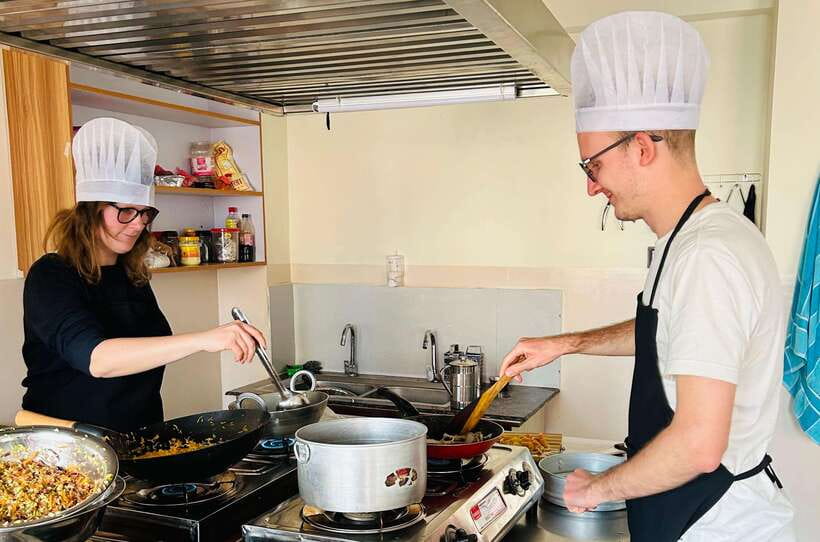
You won’t just jump straight into cooking. You’ll enjoy Nepali masala tea during the lesson, which matters more than it sounds. It keeps things from feeling like a factory line and gives you a break while spices are in the air.
Bara can also be part of your menu, and it’s the kind of food that makes sense during a cooking workshop. It’s hearty, quick to eat, and it rewards you for paying attention to how batter and heat work.
Cooking dal bhat and momos: the skills that stick
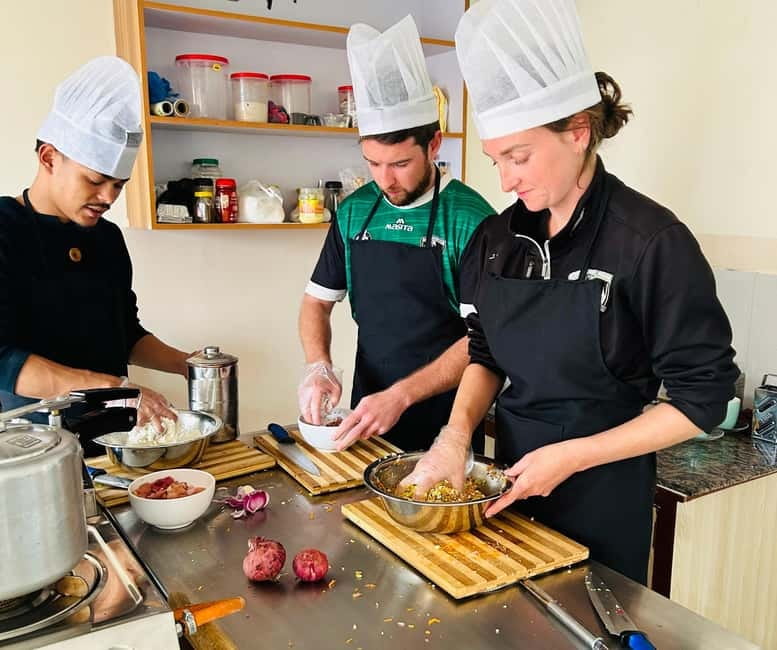
Even if you pick different menus, dal bhat and momo are the most useful anchor foods here. They’re widely understood Nepalese staples, so when you cook them, you learn flavors you’ll recognize again.
Dal bhat cooking lessons
When you make dal bhat, you learn how lentils become soup and how seasoning is built. Dal bhat also teaches plating. The meal often includes sides like vegetables, pickles, and curry components, which is the Nepalese idea of balance: not every bite is the same, but the whole plate works together.
If you’re thinking like a home cook, this is valuable because you can recreate the structure later—rice plus a lentil base plus complementary sides.
Momo cooking lessons
Momos teach precision and patience. You work with dough and fillings, and shaping is its own skill. Getting consistent filling amounts helps with even cooking. Learning how to seal properly is crucial too, because dumplings are unforgiving when they leak.
Also, because momo can be meat or vegetable filled, you can match the dish to your preferences. That flexibility is useful if your group has mixed tastes.
What you eat at the end: a real meal, not samples
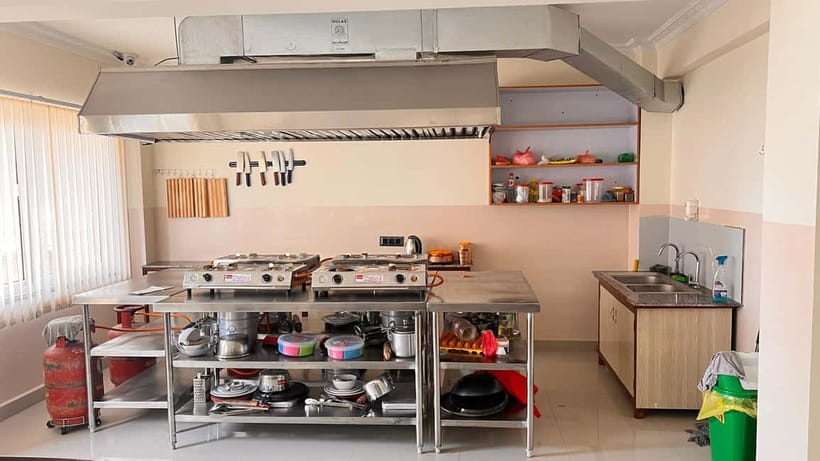
This class isn’t just tasting tiny bites. You prepare and then enjoy your authentic Nepali meal—either lunch or dinner depending on your session time and menu choice.
Dessert may be included as part of the menu set (like kheer or carrot halwa). And if your menu includes snacks like aloo chop or bara, you’ll likely get the full flow: savory cooking, then a final sit-down with what you made.
Price and value in Kathmandu: about $8 for a lot of food time
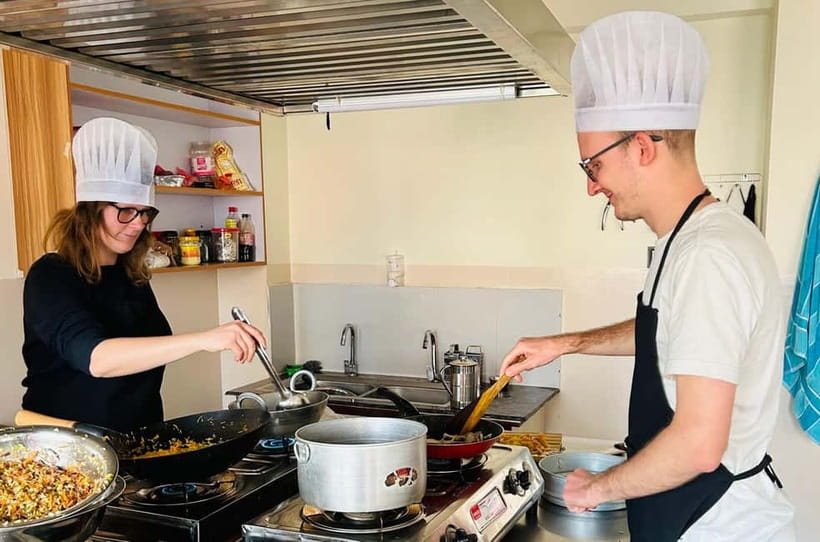
At around $8 per person, the value comes from what’s included, not just the ticket price.
You’re getting:
- A cooking class with step-by-step instruction
- Market/shop tour to buy ingredients used for your dishes
- Hands-on cooking and equipment
- Masala tea during the lesson
- Tasting session of what you cooked
For Kathmandu, that’s a strong deal if you want more than a quick food stop. The cooking part also gives you souvenirs that aren’t made of magnets: you leave knowing how certain dishes are built, how they taste, and what to ask for later when you eat Nepalese food outside.
If you’re comparing to a purely tasting-focused experience, this usually costs a bit more but pays off faster—because you bring cooking skills home.
Who should book this class?
This workshop is suitable for people aged above 8, so older kids can join too, assuming they’re comfortable in a kitchen setting and ready to cook.
It’s a great fit if:
- You want Kathmandu food you can actually make later
- You enjoy hands-on workshops over sitting and watching
- You’re curious about Nepalese and Nepal–Tibet flavors (like thukpa)
- Your group wants a mix of vegetarian and meat options
It may be less ideal if:
- You expect everyone to do equal hands-on work for the entire 2–3 hours (some people felt they wanted more active time)
- You want a high-speed, short class for a tight schedule—this is designed as a proper cooking session
Practical tips so your session feels smooth
A few small moves can help you get the most out of your momo-and-dal rhythm.
- Wear comfortable clothes you don’t mind getting a little spice smell on.
- Arrive hungry. You’re cooking and then eating what you make.
- If vegetarian or meat matters to you, choose menu sets accordingly. Many dishes are described with both options (like momo fillings or toppings).
- If you love recipes, ask about the recipe book on site. One detail mentioned is a recipe book available for 400 baht.
- Keep your expectations realistic about pace. With groups, there’s always a rhythm; staying engaged helps.
Quick heads-up on photo and video and the general setup
Photos and video aren’t included, but professional photography or videography may be available for an additional fee. If that matters to you, check ahead so you’re not surprised on the day.
The workshop is easily accessible from Thamel and the rest of Kathmandu Valley, and it ends back at the meeting point, so you’re not stuck figuring out transportation after cooking.
Should you book Kathmandu momo and dal bhat cooking class?
If you want a hands-on Kathmandu food experience with a market stop, masala tea, and the chance to cook Nepalese staples like dal bhat and momo, this is an easy yes. The strong points are the organized kitchen setup, the step-by-step instruction, and the fact you eat a full meal you made yourself.
I’d book it if you’re traveling with adults or older kids (8+), you enjoy cooking, and you want something more meaningful than another meal out. I’d think twice only if you’re expecting an equal “do every step yourself” experience for the whole class without any shared workflow.
FAQ
How long is the Kathmandu women-led Nepali cooking class?
The class lasts about 2 to 3 hours. Starting times can vary, so you’ll need to check availability.
Where does the class meet?
The workshop location is easily accessible from Thamel and the rest of the Kathmandu Valley, and the activity ends back at the meeting point.
What language is the instruction in?
The instructor teaches in English.
How many people are in a group?
It’s a small group, limited to 10 participants.
What dishes can I cook in the class?
There are three menu sets. Options include Bara, Dal Bhat, Yomari, Chatamari, Momo, Kheer, Aloo Chop, Thukpa, and Carrot Halwa.
Does the class include shopping for ingredients?
Yes. The experience includes a market/shop tour to buy the important ingredients for the dishes you’ll cook.