REVIEW · SABAH
Flavours of Sabah: A Cooking Class
Book on GetYourGuide →Operated by D'Joy & Jacob's Cafe · Bookable on GetYourGuide
Food lessons hit different in a kampung. In Penampang, this hands-on class lets you cook Sabahan favorites with fresh local ingredients and guided step-by-step help from Didie, the host behind D’Joy & Jacob’s Cafe, while you end by plating and tasting what you made. You’ll learn more than recipes here—the food comes with the local context that makes each dish feel like part of everyday life.
The main trade-off is the home-based setting in Kampung Kibabaig. It’s authentic and friendly, but it’s not a polished, restaurant-style kitchen if you’re expecting everything to feel brand-new and highly “tour-ready.”
In This Review
- Key things to know before you cook
- A Sabah cooking class that feels like family food
- Where you’ll actually cook: Kampung Kibabaig, Penampang
- Pickup and drop-off: easy from Kota Kinabalu and Penampang
- Meet your host: Didie from D’Joy & Jacob’s Cafe
- The dishes: what you’ll cook and why they matter
- Linopot: rice wrapped in leaf
- Hinava: fresh fish salad
- Pinasakan Sada: braised fish with takob-akob
- More Sabahan dishes during the session
- How the class runs from welcome to shared meal
- Fresh ingredients and tools: the part you don’t have to plan
- Private group format: better questions, less waiting
- Price and value: $50 for three hours of hands-on learning
- Who this class suits best (and who should think twice)
- Small details that make the experience smoother
- Practical tips if you want to enjoy it most
- Should you book this Sabah cooking class?
- FAQ
- How long is the cooking class?
- Where does the class take place?
- What dishes will I learn to cook?
- Is pickup and drop-off included?
- Do I need to bring any ingredients or cooking supplies?
- Is the class beginner-friendly?
- Is the instructor English-speaking?
- Is alcohol allowed during the class?
- What if I need to cancel?
- Is it wheelchair accessible?
Key things to know before you cook
- Didie hosts the class from D’Joy & Jacob’s Cafe, with English guidance
- Kadazandusun dishes taught with local ingredients, from prep to shared meal
- Linopot, Hinava, and Pinasakan Sada are the headline dishes you’ll learn
- Pickup and drop-off are included inside Kota Kinabalu and Penampang areas
- Tools, cooking gear, and a meal are part of the price, so you’re not shopping first
- Private group format makes it easier to ask questions and move at your pace
A Sabah cooking class that feels like family food
Sabah cooking can be big on flavor, but what I love about this class is the way the teaching is grounded in daily life. You’re in Penampang, with a local host, using fresh ingredients and learning the dishes that have been passed down in the Kadazandusun food tradition.
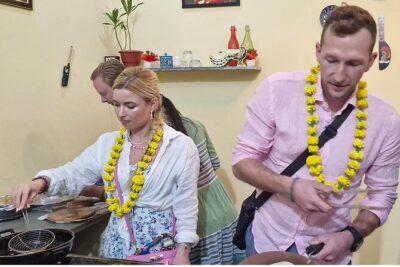
This is also a practical experience. It’s about doing, not watching. You’ll prep, cook, plate, and then eat as part of the group meal—Sabahan style.
Where you’ll actually cook: Kampung Kibabaig, Penampang
The class happens in Kampung Kibabaig, in a home-based setting. That matters because it changes the feel. Instead of a studio with demo tables, you’re stepping into the kind of kitchen space where people cook for real.
Expect a warm village atmosphere and photo opportunities throughout the session. It’s the type of place where you’ll likely notice small details—how people handle ingredients, how they explain techniques, and how the meal is meant to be shared.
One thing to consider: if you prefer very formal, “big-city” facilities, this might feel simpler than you’re used to. If you like authenticity and relaxed hospitality, you’ll probably enjoy it more than any sleek cooking school.
Pickup and drop-off: easy from Kota Kinabalu and Penampang
This tour is designed to be low-effort on your end. You get roundtrip transportation within the Kota Kinabalu and Penampang area, and pickup options include Kota Kinabalu and Kota Kinabalu International Airport.
Drop-off works the same way: you can return to Kota Kinabalu or the Kota Kinabalu International Airport area. The benefit is you can plan your day without worrying about local transport, timing, or transfers.
If you’re staying outside those areas, note that transportation beyond Kota Kinabalu/Penampang isn’t included (but can be arranged with an extra charge). If you want a smooth schedule, plan your Sabah base in or near Kota Kinabalu.
Meet your host: Didie from D’Joy & Jacob’s Cafe
Your guide is Didie, the owner of D’Joy & Jacob’s Cafe, and the class is conducted in English. That’s a big deal for a food class. You don’t just need instructions—you need to understand what an ingredient is, why it’s used, and how cooking methods affect the final taste.
Based on the way the experience is described, Didie’s role is more than “show and tell.” You’ll get traditional storytelling and insights as part of the session, which helps you connect the techniques to the culture and ingredients of Sabah rather than treating everything like generic cooking steps.
If you enjoy asking questions—about ingredients, the dishes, or local habits—this format is set up for you.
The dishes: what you’ll cook and why they matter
This class focuses on iconic Sabahan favorites from the Kadazandusun tradition. You’ll learn multiple dishes, including the featured lineup below.
Linopot: rice wrapped in leaf
Linopot is described as rice wrapped in leaf. That single line tells you what makes it special: it’s both food and technique. Leaf wrapping affects how rice is handled and cooked, and it also gives the dish its character.
In a class like this, the real value is learning how to treat the leaf properly and how to assemble the dish so it holds together. Even if you don’t make it again right away, you’ll come away with a technique you can use for other wrapped foods.
Hinava: fresh fish salad
Hinava is a fresh fish salad. This one is often a “learning by contrast” dish, because it’s not just cooked and done. It’s about balancing freshness and seasoning so the fish stays bright, not heavy.
The fact that it’s part of the class lineup matters: it shows the range of Sabahan flavors—cooked comfort and fresh, lighter dishes—both taught in one session.
Pinasakan Sada: braised fish with takob-akob
Pinasakan Sada is braised fish with takob-akob. Braising is a slower method, so you’ll learn how patience affects texture and taste. And the mention of takob-akob is your clue that Sabah cooking isn’t “copy-paste” from elsewhere.
If you’re the type of traveler who wants to learn dishes with real local identity (not just versions of familiar meals), this is a strong pick.
More Sabahan dishes during the session
You’ll also prepare additional dishes beyond the ones listed above. The exact menu varies, but the focus stays consistent: Kadazandusun dishes, traditional ingredients, and practical instruction from prep to plating.
How the class runs from welcome to shared meal
This experience is structured like a real meal day, not a rushed performance.
You start with a warm welcome from Didie. Then you’re introduced to traditional ingredients and cooking methods. From there, you move into hands-on work—prep, cooking, and finishing—while you’re guided throughout.
What I like about the pacing: it’s long enough for you to feel what it’s like to cook, but short enough to still feel fun and manageable. The session runs about 3 hours, and after you finish cooking, you sit together and enjoy the meal you prepared.
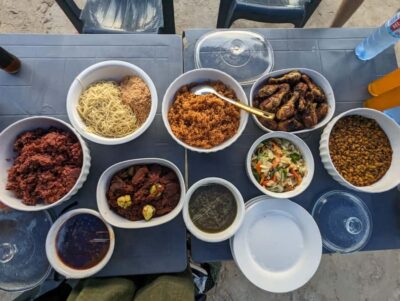
That shared meal is more than a “free extra.” It’s where you understand the food as it’s meant to be eaten. You’ll also see how everyone’s dish turns out based on the same instruction—small differences teach you faster than reading a recipe.
And yes, you’ll get traditional recipes to take home, which helps you recreate at least parts of the experience later.
Fresh ingredients and tools: the part you don’t have to plan
This class is refreshingly low-planning for visitors. All ingredients are provided, and you don’t need to bring anything. That means no chasing markets, no figuring out what you can substitute, and no packing extra weight in your luggage.
You also get the use of all cooking tools and equipment. For a traveler, that’s a hidden value. Cooking at home later becomes simpler because the core techniques are taught with the right setup in mind.
You’ll also have drinking water provided during the session—another small but important comfort when you’re working actively for a few hours.
Private group format: better questions, less waiting
The class is a private group. That matters because food teaching depends on feedback. If you’re stuck on how something should look or feel, you can ask without waiting for a larger crowd.
It also tends to make couples and solo travelers feel comfortable. You’re not squeezed into a big group where you can’t hear the explanation or where one person’s pace sets the rhythm.
Solo travelers often like this because it feels social without turning into a cattle line.
Price and value: $50 for three hours of hands-on learning
At $50 per person for roughly 3 hours, this class can be a strong value if you want the full “do it yourself” experience. Here’s why:
- Transportation within Kota Kinabalu/Penampang is included
- Fresh locally sourced ingredients are included
- Cooking tools and equipment are included
- You eat the meal you cook
- You get recipes to take home
- The host provides guided cultural storytelling, not just instructions
So you’re not paying only for the act of cooking. You’re paying for the whole package: teaching, ingredients, equipment, meal, and local context—plus a smooth start-to-finish day.
If you’re the kind of traveler who loves food but hates logistics, the price starts to look even fairer.
Who this class suits best (and who should think twice)
This is a great fit for beginners, since it’s designed as a guided hands-on experience with fresh ingredients and support throughout. It also works well for solo travelers, couples, and groups because the private group format makes the experience feel personal.
You should also feel comfortable if you want to learn local dishes tied to Kadazandusun traditions. The menu isn’t just generic “tour food”—it’s focused on dishes like Linopot, Hinava, and Pinasakan Sada.
If you’re traveling with a baby under 1 year, this isn’t suitable. And if you strongly dislike home-based settings, you may prefer a more formal commercial kitchen.
One more practical note: alcohol and drugs are not allowed during the experience. If you’re planning a longer day with drinks later, keep that in mind so you’re not surprised by the rules during class.
Small details that make the experience smoother
A few things in the setup help you enjoy the session rather than manage it:
- You’ll have photo opportunities during the experience.
- The class includes guided cultural insights as you cook.
- The instruction is in English, which makes the food explanations easier to follow.
- You’ll learn from prep to plating, so you aren’t left with a finished dish and a short lesson.
If you’re coming from the airport or need to time things around a flight, the included airport-area pickup and drop-off are a big help.
Practical tips if you want to enjoy it most
To get the best out of a cooking class, I’d treat it like a half-day you’re doing with a friend, not like a restaurant stop.
- Go with an open mind about ingredients and techniques. The point is learning.
- Expect to get hands-on. Wear something you’re comfortable moving in.
- Ask questions as you go, especially about the ingredients and methods.
- Take the recipes seriously—use them the next time you shop for similar ingredients at home.
If you’re thinking of making these dishes later, the value is in understanding the process, not just memorizing names.
Should you book this Sabah cooking class?
I’d book Flavours of Sabah: A Cooking Class if you want a hands-on, cultural food experience in Sabah rather than a sit-and-watch tasting. The price works best when you value everything that’s included: ingredients, tools, transportation within Kota Kinabalu/Penampang, and the meal you cook.
Book it especially if you care about Kadazandusun dishes and want to learn dishes like Linopot, Hinava, and Pinasakan Sada with a local host who explains the “why,” not just the steps. The home-based kampung setting is part of the charm—so lean into that.
If you hate simple, home-kitchen environments or you’re not comfortable with hands-on cooking, consider other options in Sabah. But if you’re excited to cook and eat what you make, this one is a solid, practical choice.
FAQ
How long is the cooking class?
The class lasts about 3 hours.
Where does the class take place?
It’s held in Kampung Kibabaig, Penampang.
What dishes will I learn to cook?
You’ll learn traditional Sabahan dishes such as Linopot (rice wrapped in leaf), Hinava (fresh fish salad), and Pinasakan Sada (braised fish with takob-akob), plus additional dishes.
Is pickup and drop-off included?
Yes. Roundtrip transportation is included within Kota Kinabalu and Penampang areas, with pickup and drop-off options that include Kota Kinabalu International Airport and Kota Kinabalu.
Do I need to bring any ingredients or cooking supplies?
No. Fresh local ingredients are provided, and you use the cooking tools and equipment.
Is the class beginner-friendly?
Yes. It’s suitable for beginners.
Is the instructor English-speaking?
Yes. The instructor provides the class in English.
Is alcohol allowed during the class?
No. Alcohol is not allowed during the experience.
What if I need to cancel?
You can cancel up to 24 hours in advance for a full refund.
Is it wheelchair accessible?
Yes, the experience is wheelchair accessible.