REVIEW · KATHMANDU
Kathmandu: About 3-hour Cooking Class Experience near Thamel
Book on GetYourGuide →Operated by Shepherd Holidays · Bookable on GetYourGuide
You can learn Nepali cooking fast, hands-on, and local. This 3-hour class near Thamel turns ingredient prep into the real deal, where you choose any three dishes and cook them with local chefs.
I especially love how the class is built around dal bhat basics and momo technique, not just watching. You get a clear process, plus enough time to actually cook, season, and plate.
One possible drawback: the menu choice is great, but you’re also committing to only three dishes, so if you want everything on the list, you’ll need a return visit.
In This Review
- Key things to know before you cook in Kathmandu
- Cooking Nepali comfort food near Thamel (without the tourist fog)
- Meeting Shepherd Holidays: tea, dish choices, then apron time
- How the 3-hour schedule actually feels in the kitchen
- Dal bhat mastery: learning the foundation of Nepali eating
- Momo magic: dumpling technique with chicken or veg
- Chatamari adventure: the “Nepali pizza” that’s not trying to be pizza
- Bara bliss: crispy outside, soft inside, and very snackable
- Other menu picks: if you want sweet, soup, or spice variety
- Who teaches you matters: Bikram and Kamal, plus a calm kitchen flow
- Price and value: what $32 buys you in real terms
- Practical tips before you go (so the class feels easy)
- Who should book this cooking class (and who might not)
- FAQ
- FAQ
- How long is the Kathmandu cooking class?
- Where do I meet for the cooking class?
- What can I cook during the class?
- Is tea or coffee included?
- What’s included in the price?
- Are pickup and drop-off services included?
- Is the instructor English-speaking?
- Can I cancel and is there pay later?
- Should you book this Kathmandu cooking class?
Key things to know before you cook in Kathmandu
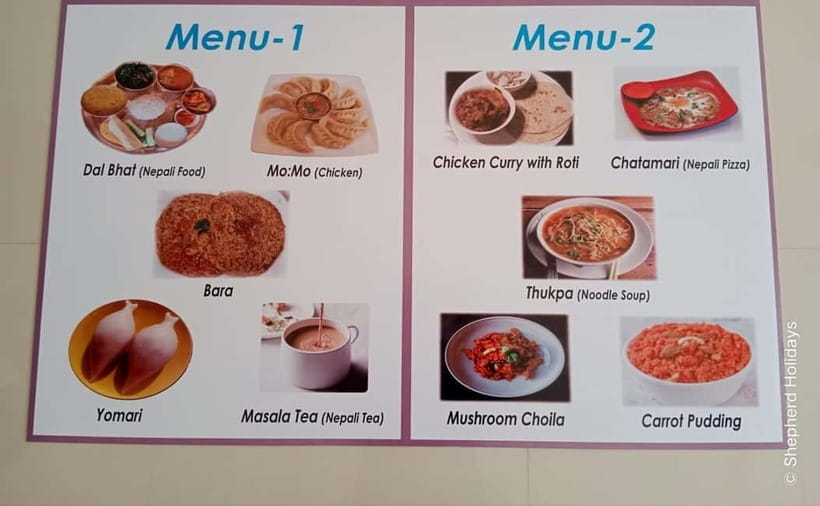
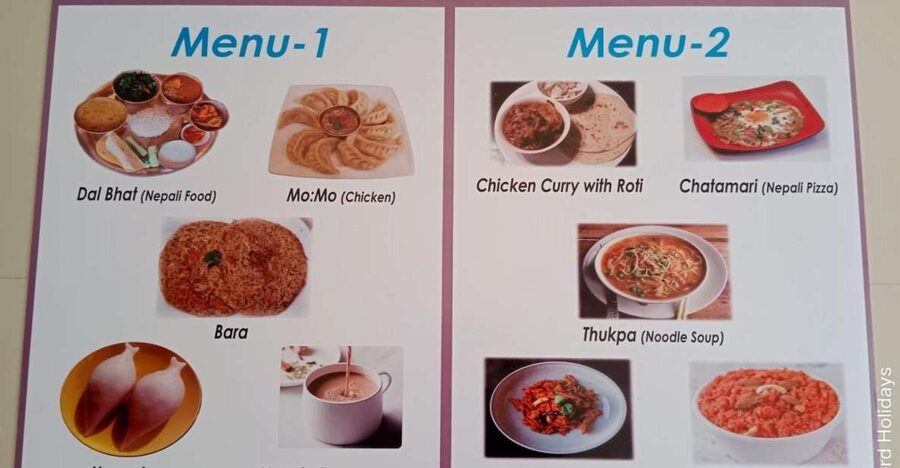
- Pick any three dishes from a menu that includes dal bhat, momos, chatamari, bara, and more
- Welcome tea or coffee when you arrive at Shepherd Holidays
- Hands-on kitchen time with an English-speaking instructor and a helper
- You eat what you make, in a sit-down meal after cooking
- Recipes may cost extra, but you’ll leave with something useful for home cooking
Cooking Nepali comfort food near Thamel (without the tourist fog)
Kathmandu is famous for its food stalls, but a cooking class is where the flavors actually click. In this 3-hour experience, you don’t just learn names and ingredients—you learn the flow: prep, mixing, folding, timing, and tasting. It’s one of those activities where you leave with both food memories and real cooking muscle.
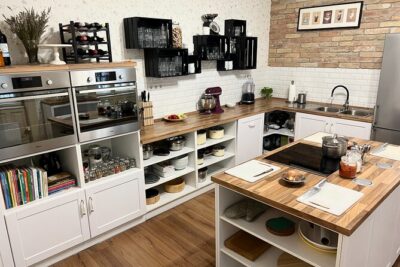
Location is also a practical win. The class is in the same building as the Shepherd Holidays office, and it’s a short walk from Thamel, the main tourist hub. That means you can fit it into a day that already includes temples, street snacks, and people-watching—without needing long commutes.
And because you choose your menu, you control the vibe. Want classic comfort? Choose dal bhat and maybe momo. Want street-food energy? Bara and chatamari are great picks. You can build a meal that matches your tastes instead of eating what the class feels like making that day.
You can also read our reviews of more tours and experiences in Kathmandu.
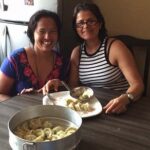
Meeting Shepherd Holidays: tea, dish choices, then apron time
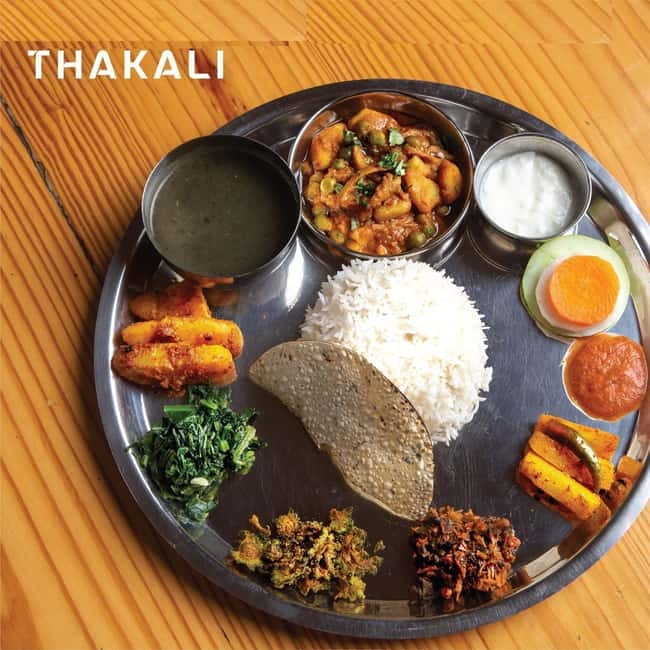
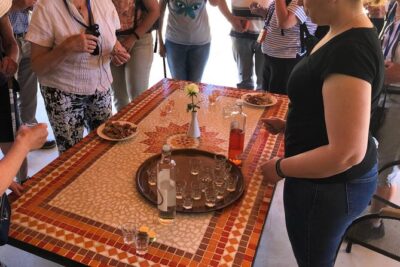
You start at Shepherd Holidays in the same building where the class is run. When you arrive, you’ll get a warm welcome plus a complimentary cup of tea or coffee. It’s a small thing, but it helps you get comfortable fast—especially if you’re coming from the Thamel area with jet lag or a full day already on your feet.
Next comes the moment that makes this class feel personal: you choose any three dishes from a menu of options. You then prep with the guidance of the instructor and helper. The class is structured so that once your choices are locked in, the kitchen shifts from discussion into action—ingredients are fresh, and you’re working step-by-step.
One detail I like: the instructor is English-speaking, so you can ask questions without guessing. Also, the instructor is supported by a helper, which helps if one station gets busy and you need clarity on technique.
If you’re staying outside Thamel, you can add pick-up and drop-off for an extra charge. That’s useful if you don’t want to navigate Kathmandu streets at night or you’re traveling with mobility limits. Just plan for the fact that pick-up is not included in the base price.
How the 3-hour schedule actually feels in the kitchen
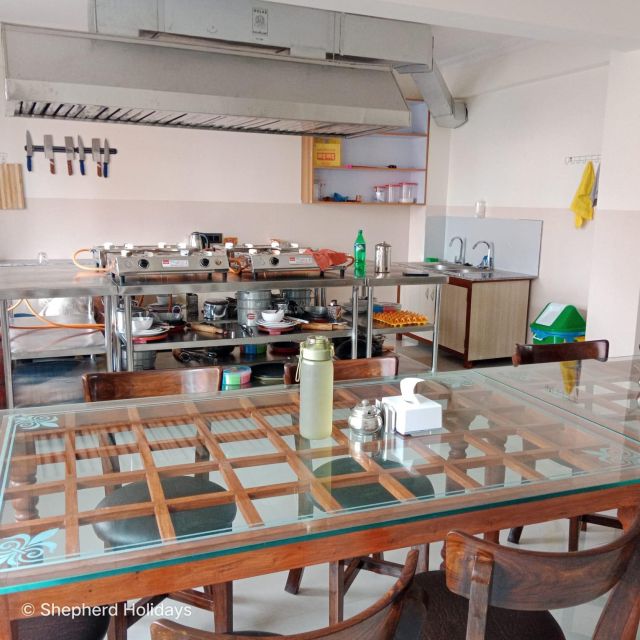
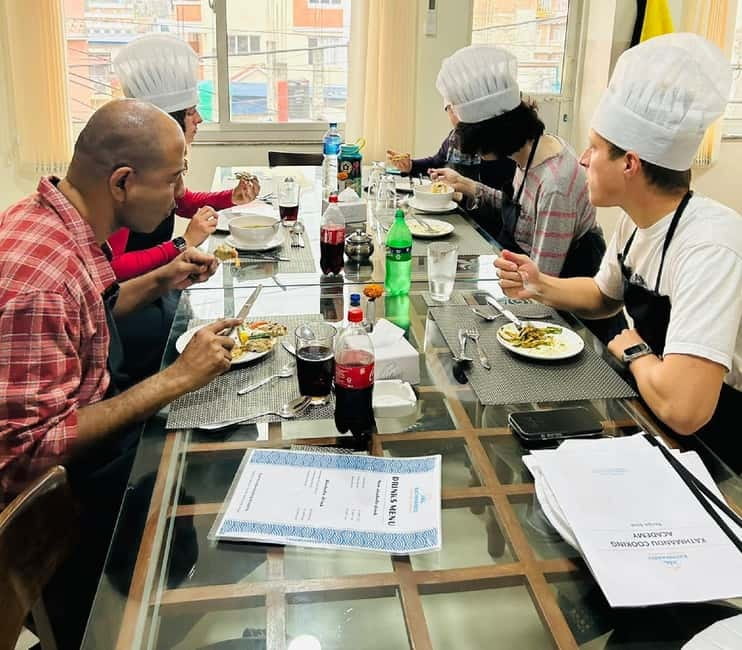
Even though the total time is 3 hours, it doesn’t feel like a rushed cooking demo. The class is designed around hands-on learning with a full meal at the end. Here’s the rhythm you can expect:
First, you select your three dishes. Then you prepare the ingredients with the instructor’s guidance—chopping, mixing, seasoning, and getting workstations set up. This is the part where you learn not just what to add, but how to add it and when.
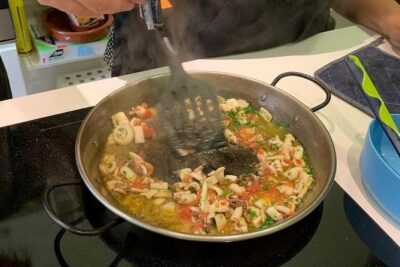
Then you cook. That’s when the techniques come out: rolling, folding, shaping, and timing. You also get cultural context as you cook, which helps you understand what you’re making beyond the recipe steps.
Finally, you sit down to eat the dishes you made. The fact that you cook and then eat what’s in front of you matters. It’s the difference between learning a method and learning a meal.
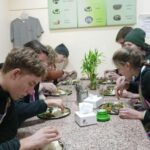
One note from real-world experience: classes can be small. If you end up as the only participant, you may still follow through with the full set of your chosen menu without feeling like you’re stuck with less instruction. That’s the kind of setup where you’ll get more direct coaching.
Dal bhat mastery: learning the foundation of Nepali eating
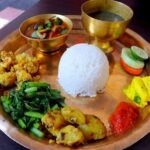
Dal bhat is the big one. It’s the comfort bowl of Nepal—lentil soup served with rice—and it anchors a lot of the country’s daily food culture.
In a cooking class, dal bhat is also a smart choice because it teaches fundamentals:
- how to build flavor in lentils
- how to season for balance
- how to time simmering so it turns silky instead of flat
You’re not just chopping and stirring; you’re learning what makes dal taste like dal—not just boiled lentils. Even if you’re not planning to cook Nepali food at home right away, the skills transfer. The soup technique and seasoning habits are usable in other cuisines too.
If you’re picky about getting value from a cooking class, dal bhat is a good “anchor dish” because you’re learning something essential and widely understood.
Momo magic: dumpling technique with chicken or veg
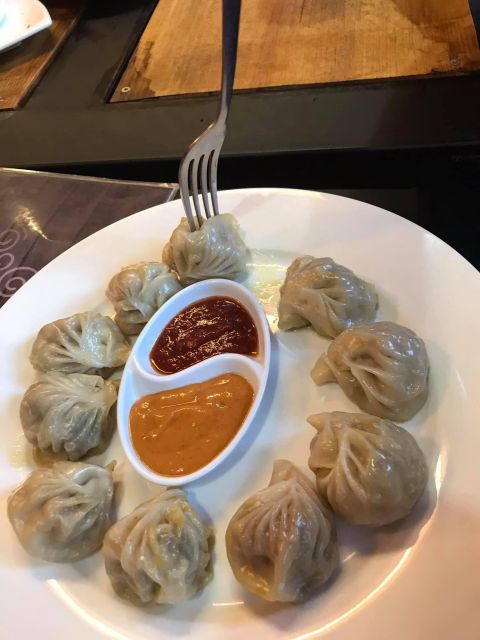
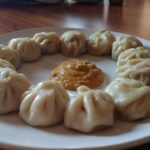
Momos are Nepal’s dumpling fix. You can make them with chicken or a vegetarian filling, and the technique is where the class earns its keep.
What you learn here is the practical side of dumplings:
- how to season the filling
- how to portion so the dumpling is balanced
- how to fold and shape so they hold up during cooking
Dumplings can go wrong fast if you overfill or don’t seal properly, and this class format gives you guidance before you’re too deep into the process. That’s what makes it feel fun instead of stressful.
If you’re the type of traveler who loves street food, momos are also a great choice because they match what you’ll actually see in Kathmandu—handheld, flavorful, and best eaten hot.
Chatamari adventure: the “Nepali pizza” that’s not trying to be pizza
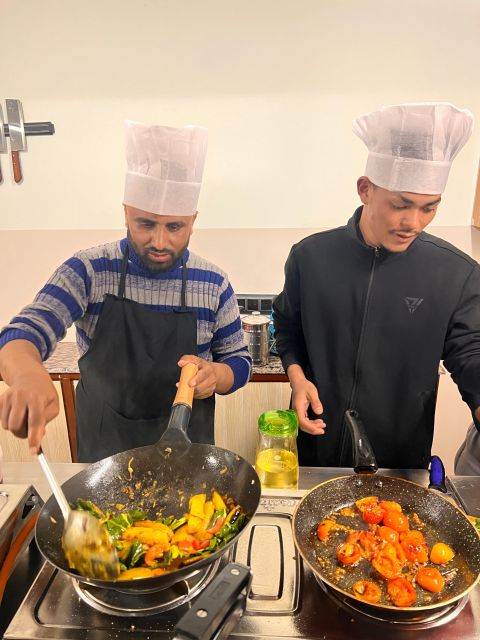
Chatamari is often compared to pizza, but you’ll understand why only after you make it. It’s a flatbread topped with ingredients, and the fun part is how you build it as a savory base rather than a stretchy dough experience.
In this class, you’ll learn the mechanics of assembling chatamari and how the topping mix behaves. That matters because a “good topping” can still fail if the base doesn’t cook right, or if too much moisture ruins the texture.
Chatamari is a great option if you want something a little different from dumplings and want a meal that feels like a snack you could share.
Bara bliss: crispy outside, soft inside, and very snackable
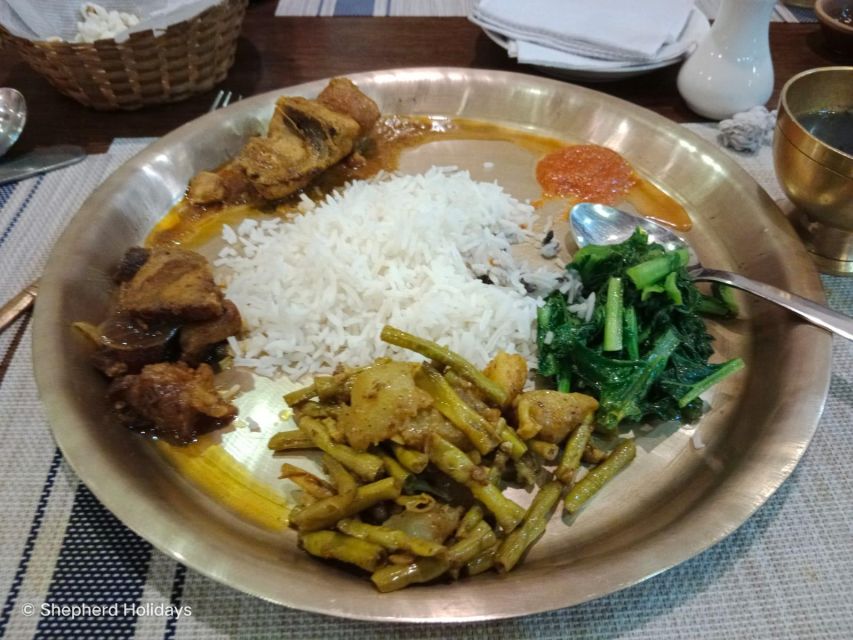
Bara are lentil patties. Some are more crisp, some are softer, but the overall idea is a satisfying contrast—crunch where you want it and tenderness where it counts.
If you pick bara, expect it to feel like street-food energy. It’s also a useful dish to learn because it shows how lentils behave when turned into batter and cooked into patties. That’s not just technique; it’s texture.
It’s also a strong choice if your three-dish set includes heavier items. Bara adds variety without turning the meal into a single-note plate.
Other menu picks: if you want sweet, soup, or spice variety
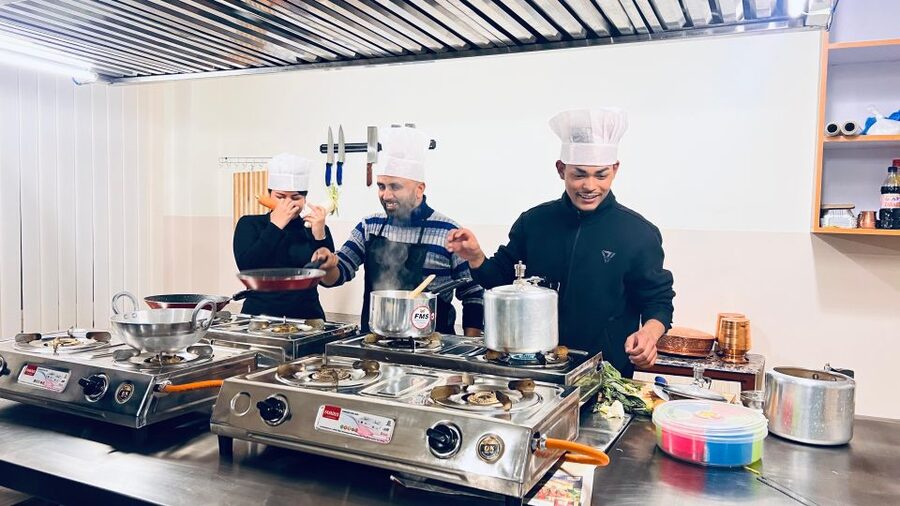
Your menu choice isn’t limited to the big four. The class offers additional dishes such as:
- Yomari: a sweet dumpling filled with jaggery and sesame seeds
- Chicken curry with roti: aromatic chicken curry with roti on the side
- Thukpa: hearty noodle soup that’s part of the Tibetan cuisine influence in the region
- Mushroom choila: spicy marinated mushroom dish with strong Nepali spice character
- Carrot pudding: a sweet finish that balances ingredients carefully
You can use this flexibility to build a meal that matches your appetite. If you choose one heavy savory item (like chicken curry), you can balance with something lighter (like thukpa) or something snack-like (like bara). If you’re into sweets, Yomari or carrot pudding gives you a real taste of Nepali desserts rather than generic “sugar ending.”
Who teaches you matters: Bikram and Kamal, plus a calm kitchen flow
In many cooking classes, the instructor’s role is mostly telling. Here, the instruction style feels built around doing. English-speaking guidance is paired with a helper to keep stations moving.
You might get teaching from instructors such as Bikram and Kamal, who are known for walking people through the steps clearly. When the teacher explains what to watch for, like consistency, heat level, and seasoning balance, cooking becomes easier fast.
Also, some classes offer recipes afterward for a small fee. If you’re serious about cooking at home, that’s worth asking about at the end. Even a simple recipe card can turn your memory into a repeatable dish.
Price and value: what $32 buys you in real terms
The price is $32 per person for 3 hours. At first glance, that can seem like “just cooking,” but the value comes from what’s included:
- ingredients and all equipment
- instructor and helper
- the food and drink you prepare
You’re not paying for an empty experience. You’re paying for your time in a working kitchen plus all the materials. In a city where dining and snacks add up, you’re also leaving with a full meal you made, not just samples.
Where the budget can shift is if you want beverages beyond what’s included, or if you need pick-up/drop-off as an add-on. Still, as a cost-per-meal plus skill-building activity, it tends to work well for travelers who like practical learning.
For a solo traveler, the value can feel even better because you’re not split across a huge group. Small-group or even single-participant setups can mean more hands-on coaching.
Practical tips before you go (so the class feels easy)
A cooking class is simple, but Kathmandu can throw curveballs like heat, humidity, and getting around. Here’s how to make it smoother:
- Wear clothes you don’t mind getting a little food on. Cooking means you will touch things.
- If you pick strongly spiced dishes like mushroom choila, expect your nose and fingers to remember it.
- If you’re unsure what to choose, default to one comfort dish plus one snack or bread-type item (dal bhat + chatamari, for example).
- Bring your appetite. Portions can be generous, and you’ll want to taste everything you cooked.
If you’re planning other Thamel activities the same day, consider timing. A 3-hour block will eat into your afternoon or evening, and you’ll want time afterward to digest and relax.
Who should book this cooking class (and who might not)
This is a strong fit if you:
- want a hands-on food experience in Kathmandu
- like learning a few techniques you can repeat later
- prefer a structured meal over random street-snacking all day
- want an English-taught activity near Thamel
It might be less ideal if you:
- only want to watch and not cook
- hate being in a working kitchen for the full 3 hours
- can’t commit to just three dishes and would rather taste many smaller things
FAQ
FAQ
How long is the Kathmandu cooking class?
The class lasts 3 hours.
Where do I meet for the cooking class?
You start in the same building as the Shepherd Holidays office. The class activity also ends back at the same meeting point.
What can I cook during the class?
You choose any three dishes from a menu that includes options like dal bhat, chicken or veg momos, chatamari, bara, yomari, chicken curry with roti, thukpa, mushroom choila, and carrot pudding.
Is tea or coffee included?
Yes. You’ll receive a complimentary cup of tea or coffee when you arrive.
What’s included in the price?
The class includes ingredients and all equipment, an instructor and helper, and the food and drink prepared during the session.
Are pickup and drop-off services included?
No. Pick-up and drop-off are available as an extra charge.
Is the instructor English-speaking?
Yes, the instruction is in English.
Can I cancel and is there pay later?
You can cancel up to 24 hours in advance for a full refund, and you can reserve now and pay later.
Should you book this Kathmandu cooking class?
Yes, if you want a real Kathmandu food skill in a short time window. It’s close to Thamel, it’s taught in English, and you leave with a full meal you cooked yourself. The dish-picking format is especially smart because it lets you aim for your tastes—comfort (dal bhat), street-food energy (momos, bara), or something more unusual like chatamari or yomari.
If you’re someone who only wants quick tasting rather than cooking, or you don’t want to commit to three dishes, consider a different food experience. But for most visitors, this is one of the most practical ways to take Nepali cooking home in your head—and on your palate.