REVIEW · HANOI
Pu Luong 3-Day Adventure: Trekking, Cycling & Local Cooking Class
Book on Viator →Operated by Divi Travel · Bookable on Viator
Pu Luong starts early, then keeps surprising you. This 3-day adventure mixes trekking, cycling, and hands-on culture—Thai village life, silk weaving, a cooking class, and river time—set inside Pu Luong Nature Reserve. I like how the pace spreads your days across active moments and slower stops, so you’re not just moving for the sake of it.
What I like most: the itinerary pushes past the usual photo stops into real village routines, including visits to local homes and a Thai household where you can try weaving silk yourself. I also love that the group stays small (max 9), and people repeatedly highlight guides like Nga (and sometimes Sunny) for making the day feel personal and easy to follow.
One thing to consider: it’s an early start with a long drive from Hanoi (about 4.5 hours) or Ninh Binh (about 3.5 hours). If you’re sensitive to mornings or weather, plan for a bit of discomfort, especially if you travel during wetter months (rain shows up in the reviews).
In This Review
- Key highlights (quick hit list)
- Early Pickup to Pu Luong Nature Reserve: What Your Mornings Look Like
- Trekking Through Rice Country: How Pu Luong Works as an Adventure Base
- Lan Village Silk Weaving and Thai Household Visits
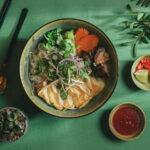
- Cooking Class With Farmers: Food Lessons You Can Actually Use
- Hieu Waterfall and Chieu Lau Farming Traditions
- Cham Stream Bamboo Rafting and a Floating Lunch
- Riding Through Villages by Bike: Ma River Views and Chieng Ai
- Lodge Time and Pool Relaxation: Why the Rest Matters
- Price and Value: Is $219 Worth It for Pu Luong?
- Who This Tour Fits Best (and Who Should Rethink It)
- Should You Book Pu Luong 3-Day Adventure, Trekking, Cycling & Local Cooking Class?
- FAQ
- What’s the price of the Pu Luong 3-day tour?
- How long is the experience?
- Where does pickup happen?
- What meals are included?
- Are entrance fees included?
- What activities are part of the tour?
- How big is the group?
- Can I cancel for a full refund?
Key highlights (quick hit list)
- Small group size (max 9): easier questions, more human-scale pacing
- Silk weaving at Lan Village: see the process from cocoon to textile and try it
- Cooking class with farmers: food lessons tied to local life, not just a demo
- Cham Stream bamboo raft with floating lunch: a cool break after hikes
- Guides named in reviews (Nga, Sunny): strong local context and friendly energy
Early Pickup to Pu Luong Nature Reserve: What Your Mornings Look Like
Your day begins with an early pickup, and that’s a big part of the whole Pu Luong feeling. From Hanoi’s Old Quarter, the pickup window is listed as roughly 06:25–06:35. If you’re coming from Ninh Binh, pickup is later (around 08:00–08:30), and the drive time is shorter.
Expect a long transfer first: about 4.5 hours from Hanoi to Pu Luong, or about 3.5 hours from Ninh Binh. There’s also a short break along the way, so you can reset before the day gets outdoorsy.
For planning, think of Day 1 as your “arrive and get oriented” stretch. You’re heading into a rural area, so once you’re there, you’ll spend the next two days alternating between active routes and slower cultural stops.
You can also read our reviews of more tours and experiences in Hanoi.
Trekking Through Rice Country: How Pu Luong Works as an Adventure Base
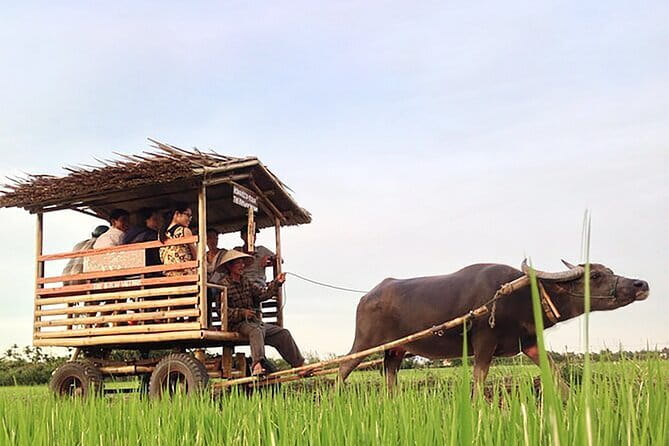
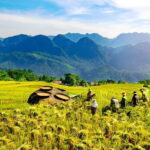
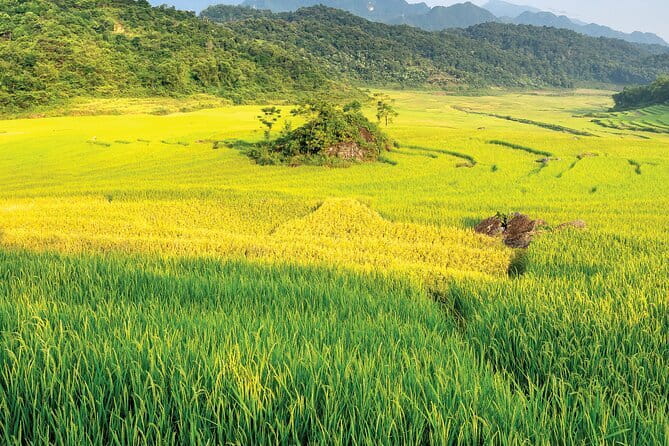
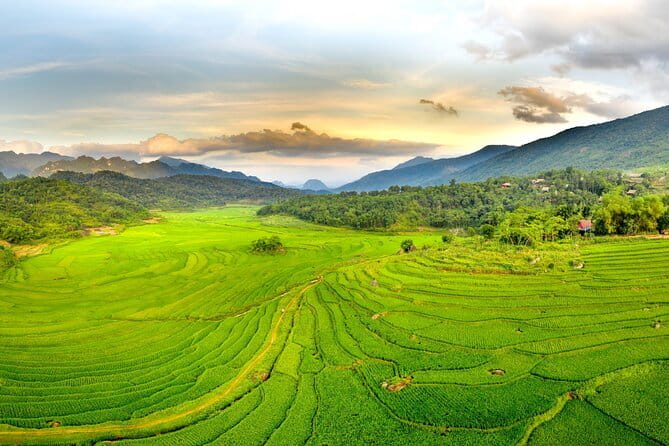
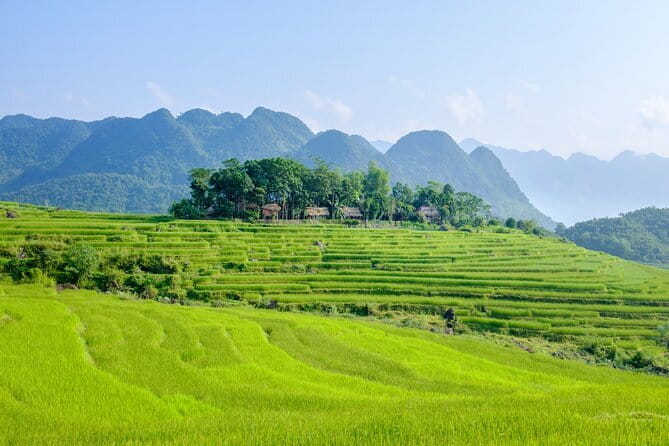
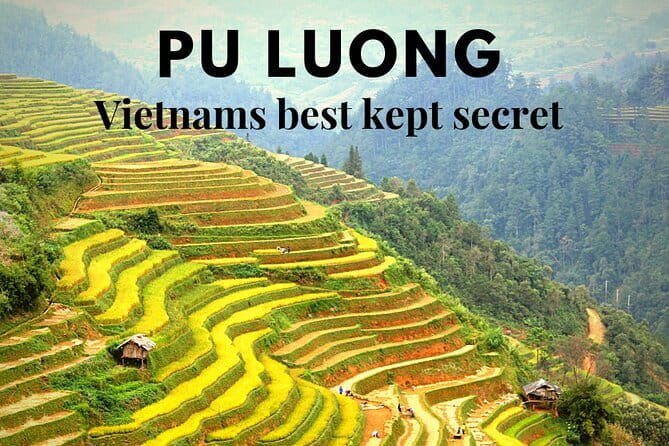
Pu Luong is all about walking through working farmland—rice paddies, rolling hills, and villages that don’t feel like a theme park. The trekking is framed as your first real taste of the region, with scenery that changes as you move: paths that cut across fields, small roads connecting hamlets, and viewpoints that show how the valley is built.
This is the kind of walking where good shoes matter more than you think. The route is outdoors, and you may be on paths that aren’t perfectly smooth. If you like gentle-to-moderate hikes (rather than steep technical climbs), this style of day tends to fit well.
The best part is that the trek isn’t just scenery. You’re also interacting with local life—watching daily routines and meeting people whose homes and habits are woven into the landscape of rice farming.
Lan Village Silk Weaving and Thai Household Visits
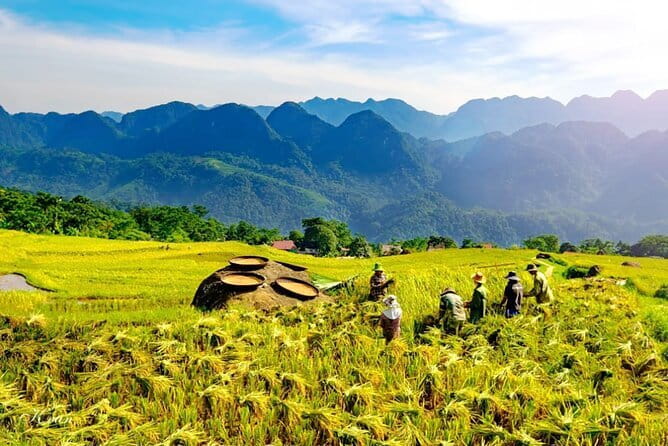
Day 2 is where the culture side gets hands-on, especially at Lan Village. You’ll start with a ride through rice fields and mountains, then move into a Thai household setting where silk weaving isn’t an abstraction—it’s a working skill.
One of the most memorable parts here is the silk process. The program includes seeing silk weaving from cocoon to textile, and then you try weaving your own silk. That’s the key: you’re not just watching someone else do it while you stand back. You get the small, fiddly experience of trying the technique.
Why this matters: silk weaving is slow work. When you learn even a small step, you start to understand why local crafts are so valued—and why they’re tied to family routines, not tourist schedules.
You should expect your time here to be a mix of explanation and practice. Bring your patience. Weaving asks for small movements and concentration, which is perfect on a day when you’re also switching between village scenes and physical activity.
Cooking Class With Farmers: Food Lessons You Can Actually Use
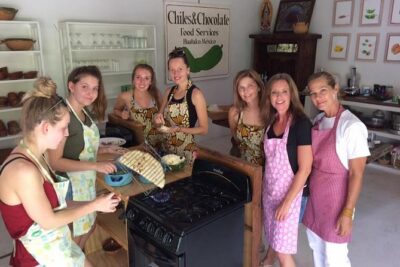
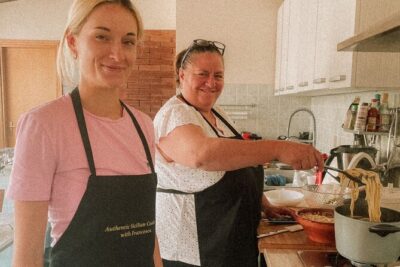
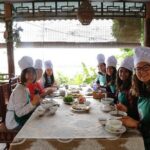
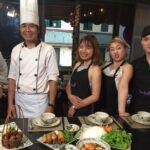
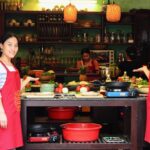
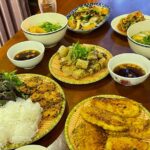
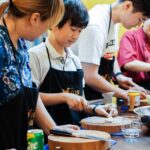
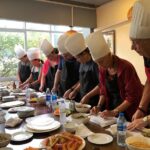
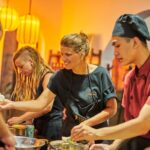
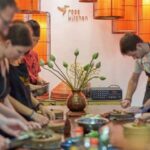
The cooking class is described as learning with farmers, and that difference shows in the way the day is paced. This isn’t just a kitchen performance. The idea is that you learn in a setting connected to how people live and grow things nearby.
You’ll be fed along the way, too: lunch is included (3 lunches across the tour), and dinner is included twice. So even when you’re learning, you’re not constantly thinking about where the next meal will come from.
What I appreciate in this kind of setup is how cooking connects other parts of the trip. When you’ve spent time in village settings—walking through fields, visiting homes, and learning crafts—food doesn’t feel like a separate activity. It feels like another thread of the same local story.
If you love practical travel experiences—ones you can recreate at home—this is the segment to lean into.
Hieu Waterfall and Chieu Lau Farming Traditions
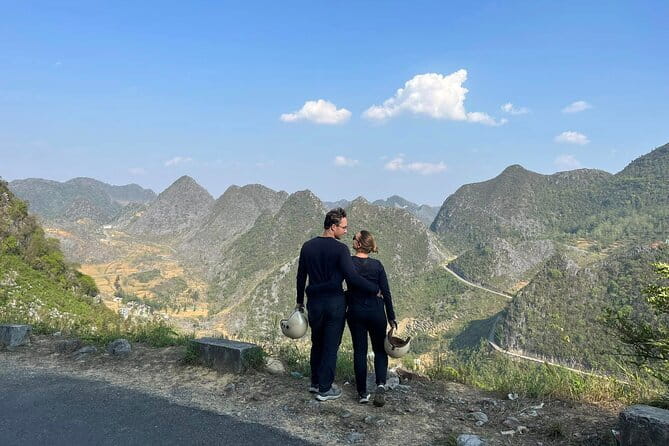
Pu Luong gives you a rhythm: culture, movement, then a breath. Hieu Waterfall is one of those breathing spaces built into the plan. After trekking or cycling, a serene stop like this can feel like the reset button your legs need.
Then there’s Chieu Lau, where the program highlights ancient waterwheels and traditional farming methods. This is the kind of stop that makes you look differently at what you’re walking through. Once you understand how water and farming connect, the rice paddies stop being just pretty photos.
A good way to think about these stops:
- Waterfall time gives you a change of pace and a photo break.
- Chieu Lau gives you context for the region’s daily work.
If you enjoy learning how things function—how people manage water, grow food, and keep traditions alive—this section is one of the best “why it looks like this” answers you’ll get.

Cham Stream Bamboo Rafting and a Floating Lunch
Cham Stream is where your day turns playful. You’ll get a bamboo rafting adventure, including a floating lunch on the bamboo boat. The program also mentions a refreshing swim in Cham Stream when weather allows.
This part is a crowd-pleaser for a reason. It’s active without being exhausting. You’re on the water, you’re moving through a river setting, and you get to eat as you float—simple, comfortable, and very Pu Luong.
Practical note: weather matters here. In wetter seasons, the river experience can be more intense or simply less comfortable if you get caught in rain. The good news is that the tour is set up for change: one review notes that the team handled stormy weather by maximizing activities, so you’re not stuck waiting around with nothing to do.
If you want a memorable “I can’t believe we just ate on a boat” moment, don’t skip this.
Riding Through Villages by Bike: Ma River Views and Chieng Ai

Day 3 leans more into cycling, starting with a bamboo bridge over the Ma River. You get scenic views and the chance to see local artisans at work, then you cross and pedal through Chieng Ai Village.
This is the best structure for cycling in rural Vietnam: you’re not just chasing speed. You’re moving between small communities and local scenes at a pace that gives you time to look, ask questions, and absorb how people live outside the main tourist routes.
The benefit of cycling here is that it’s low-impact compared to long, steep walking, but still gets you close to village life. You’re not sealed in a vehicle. You’re part of the flow of the countryside.
If you’re someone who gets bored on long car days, Day 3 is a nice “work your legs, but enjoy it” payoff.
Lodge Time and Pool Relaxation: Why the Rest Matters
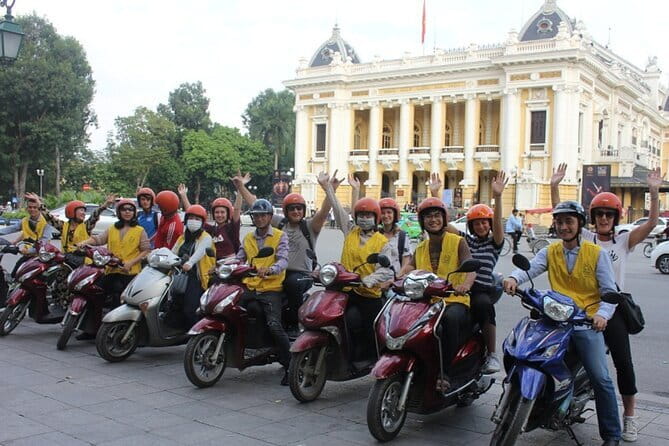
After the hiking and the river time, you need a place to land. The tour includes time at a comfortable lodge with space to relax by the pool amid nature.
Reviews support that the overall stay vibe is pleasant—one person described an excellent homestay/resort-like setup. The point isn’t luxury. It’s recovery. In a trip like this, the quality of downtime matters because it affects how much you enjoy the next day’s hike.
I also like that the itinerary doesn’t make every hour a big production. You’ll likely want to shower, charge your phone, and sort what you’ll do for the next activity.
Price and Value: Is $219 Worth It for Pu Luong?
$219 per person for 3 days can sound either cheap or steep, depending on what you’re expecting. Here’s the value math that matters:
Included in the price:
- Entrance fees
- 3 lunches and 2 dinners
- Pickup (from Hanoi Old Quarter or Ninh Binh options)
- A full schedule of activities: trekking, cycling, cooking class, cultural village visits, bamboo rafting with floating lunch, and more
Not included:
- Drinks, tips, and personal expenses
What you’re really paying for isn’t just the outdoor stuff. It’s the mix of “time with people” plus the practical logistics: driving into the reserve, guiding you around, and organizing food and activities across multiple settings.
Also, the max group size of 9 is part of the value. When groups are small, it’s easier for the guide to keep things running and for you to actually ask questions—especially during craft and cooking segments where you’re learning new skills.
If you want a rural Vietnam experience that goes beyond a quick bus-and-bite itinerary, this one tends to deliver.
Who This Tour Fits Best (and Who Should Rethink It)
This tour fits best if you want a hands-on Vietnam trip:
- You like walking and cycling through real countryside.
- You enjoy meeting locals and learning crafts (silk weaving is a standout).
- You want food experiences connected to daily life, not only to tourist-friendly menus.
It’s also a good match if you’re traveling solo or as a couple. The small group size helps it feel less like a factory tour.
Rethink if:
- You hate early mornings. Pickup starts around the early morning hours.
- You’re not comfortable with rain risk. August weather in reviews includes lots of rain, and water activities may depend on conditions.
- You expect a lot of downtime in the schedule. This is active and structured, with rest built in, but not a lazy itinerary.
Should You Book Pu Luong 3-Day Adventure, Trekking, Cycling & Local Cooking Class?
If you want Pu Luong for more than the postcard views, I think this is a strong choice. The combination of trekking, cycling, and craft practice (especially silk weaving at Lan Village) makes the trip feel human-sized. Add in bamboo rafting with a floating lunch, and you get at least one moment that feels truly different from typical Vietnam itineraries.
Book it if your ideal day includes local routines—Thai household visits, water and farming context at Chieu Lau, and food learning with farmers. It’s also a good plan if you value a small group and guides like Nga (and sometimes Sunny) who clearly know how to connect the dots for you.
Skip it only if your priority is heavy comfort with minimal walking, or if you’re traveling during a period when rain would ruin your plan for water-based activities.
FAQ
What’s the price of the Pu Luong 3-day tour?
The tour costs $219.00 per person.
How long is the experience?
It’s 3 days (approx.).
Where does pickup happen?
Pickup is offered from Hanoi’s Old Quarter (around 06:25–06:35) or from Ninh Binh (around 08:00–08:30).
What meals are included?
Lunch is included 3 times and dinner is included 2 times.
Are entrance fees included?
Yes. Entrance fees are included.
What activities are part of the tour?
The tour includes trekking and cycling, a local cooking class with farmers, silk-weaving practice in Lan Village, visits to local homes and villages, a bamboo-rafting adventure with floating lunch on Cham Stream (plus swimming if weather permits), and a bamboo bridge/river route on the last day, among other rural culture stops.
How big is the group?
The maximum group size is 9 travelers.
Can I cancel for a full refund?
Free cancellation is available up to 24 hours in advance for a full refund. If you cancel less than 24 hours before the start time, the amount is not refunded.