REVIEW · MALAGA
Málaga: Paella and Sangria Cooking Class with Market Visit
Book on GetYourGuide →Operated by Spain Food Sherpas · Bookable on GetYourGuide
A paella lesson in Málaga beats cookbook guesswork. This is a hands-on class that starts with the Atarazanas Market (on weekday mornings and Saturdays) and ends with you eating the meal you made. You’ll also get a quick, practical view of how locals think about ingredients before heat ever hits the pan.
What I love most is the mix of market shopping logic plus real cooking technique, not just a demo. The other win is the food lineup: paella + homemade gazpacho + churros, paired with sangría and a drink with lunch.
One thing to consider: it’s not for big-bag travel days. You can’t bring luggage or large bags, so pack light or store your stuff before you go.
In This Review
- Key points to know before you go
- Málaga Paella and Market Class: Market to Pan in 3.5 Hours
- What you’ll do first depends on the day
- Atarazanas Market: How to Shop Like a Local (and not overbuy)
- What makes market tastings worth it
- Extra Virgin Olive Oil Tasting: The Flavor Training Wheels
- Cooking Paella in a Clean, Friendly Studio Kitchen
- The paella technique that helps you cook it again
- You get help while you cook
- Lunch Built Around Real Spanish Drinks and Comfort Food
- Drinks are part of the rhythm
- Recipes and the Take-Home Apron: What You’ll Use After the Class
- The People Factor: International Groups and Real Conversations
- Price and Value: Is $94 Worth It?
- Getting There: Meeting Point and Practical Tips
- Who This Class Is Best For
- Should You Book This Málaga Paella and Sangria Class?
- FAQ
- FAQ
- Where do we meet?
- Do you visit the market?
- How long is the experience?
- Is the tour guide available in English?
- What’s included in the meal?
- What drinks are included?
- Do you do an olive oil tasting?
- Do I get an apron?
- When do I receive the recipes?
- Are large bags or luggage allowed?
Key points to know before you go
- Atarazanas Market (weekday mornings + Saturdays): a guided walk with tastings so you understand what goes into Spanish cooking.
- Olive oil tasting first: extra virgin olive oil with traditional nibbles sets the flavor baseline.
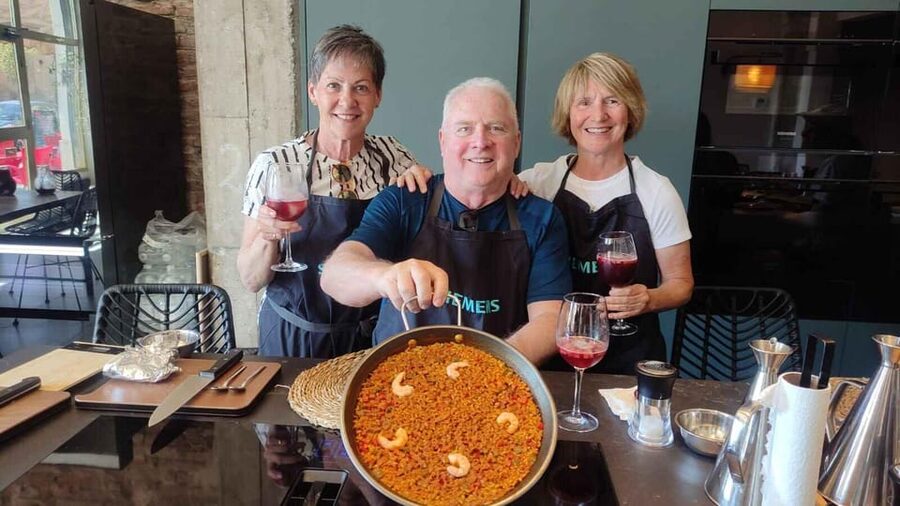
- Hands-on paella cooking: you learn the method with coaching, then you eat what you cooked.
- Gazpacho + churros included: fresh, no-stress add-ons that make the meal feel like a proper Málaga lunch.
- Sangría plus wine/beer: drinks are part of the experience, not an extra splurge.
- Take-home apron + emailed recipes: you leave with gear and a plan for cooking at home.
Málaga Paella and Market Class: Market to Pan in 3.5 Hours
If your goal is to cook paella later without turning it into rice soup, you’ll like the way this class is built. You start by looking at ingredients, then you move into the kitchen and use them. By the time lunch lands, you’re not just eating—you’re understanding.
The timing is also smart. At 3.5 hours, you get enough structure to learn technique and still end the day feeling like you did something local, not like you spent half your holiday stuck at a counter.
You can also read our reviews of more tours and experiences in Malaga.

What you’ll do first depends on the day
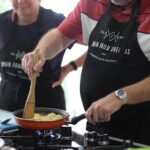
On weekday mornings and Saturdays, you’ll take a relaxed walk to Atarazanas Market. The market visit is part of the point: it helps you see what’s seasonal and what people actually cook with in Málaga and Andalusia.
On Sundays and evening sessions, the market is closed, so you go straight to the cooking stage. The kitchen is in Málaga’s Soho District, close to the market area, so you still get the same neighborhood vibe without the market portion.
Atarazanas Market: How to Shop Like a Local (and not overbuy)
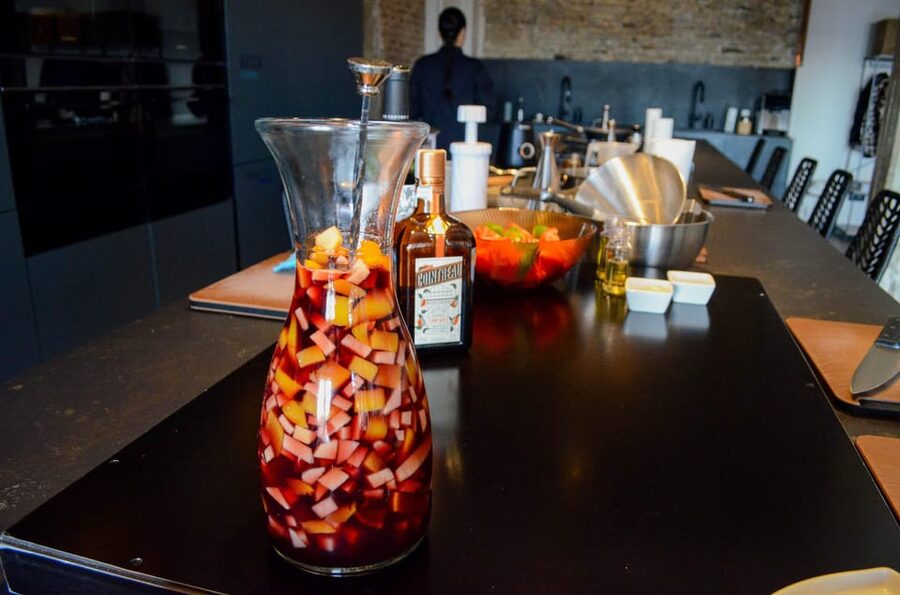
The Atarazanas Market segment works because it’s not random browsing. You explore for fresh, seasonal ingredients and then taste regional treats along the way. That’s what turns a market visit into cooking education.
I like how the guide approach is practical. You’re not just shown food—you’re given reasons to notice things like quality, freshness, and how certain flavors pair naturally. It’s the kind of thinking that makes paella easier back home, because you start focusing on ingredient choices instead of copying a recipe blindly.
What makes market tastings worth it
Market tastings can be either a gimmick or genuinely useful. Here, they feel more useful than gimmicky because they feed directly into what you’ll cook. You’ll walk away with a better sense of what tastes “right” for Andalusia cuisine.
Also, you’ll get that “oh, this is why they do it this way” moment. For example, tasting helps you understand why olive oil and fresh produce matter so much, not just as supporting players but as the foundation of the flavor.
Extra Virgin Olive Oil Tasting: The Flavor Training Wheels
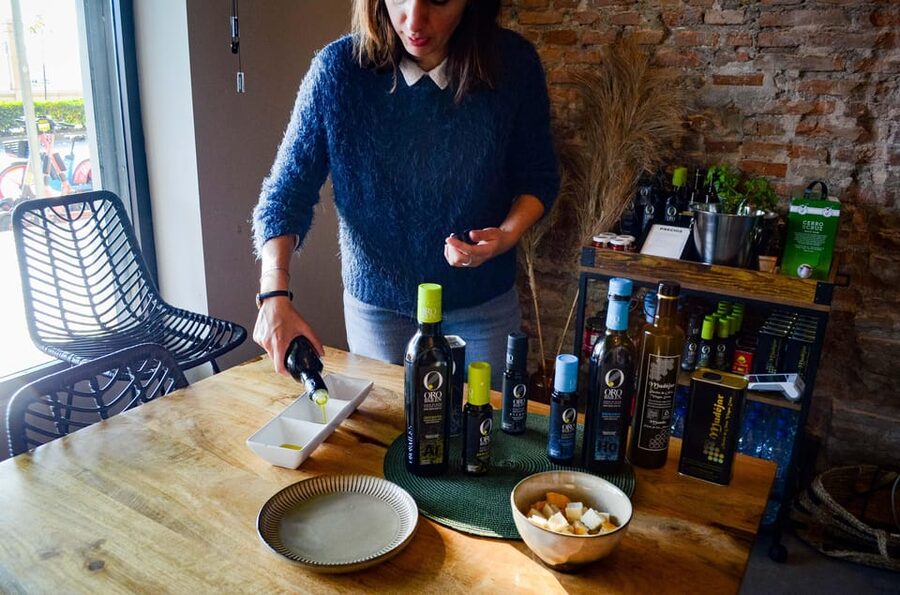
Before you touch the stove, you’ll do an extra virgin olive oil tasting. You get it with traditional nibbles, so it’s not just a sip-and-shrug activity.
Why this part matters: olive oil is the easy one to get wrong at home. Many people pour it like it’s neutral. A tasting like this nudges you toward noticing differences—more delicate versus more robust flavors, and how oil works with other food rather than standing alone.
If you like food details, this is a highlight. One review specifically called out how satisfying the olive oil tasting was for the tongue. Even if you’re not a super taster, it’s a quick way to sharpen your palate before lunch.

Cooking Paella in a Clean, Friendly Studio Kitchen
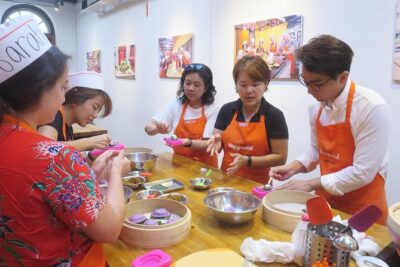
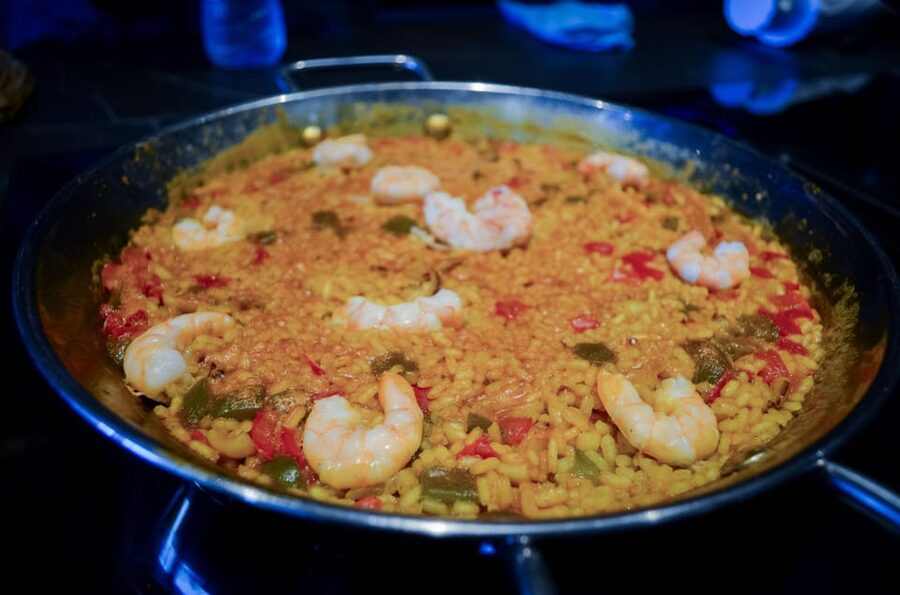
When you step into the kitchen, the lesson shifts from “what to buy” to “how to execute.” The class is described as 100% hands-on, led by a chef who guides you through making classic Spanish paella.
You’ll also prepare a homemade gazpacho, which is a smart pairing. It gives you something fresh and cooling while you focus on the hot, focused work of paella. And it keeps you from feeling like all you did was one recipe over and over.
The paella technique that helps you cook it again
The most praised part of the cooking side is the technique—people come away feeling they can repeat it. One key takeaway that stood out in feedback: focusing on shrimp and cuttlefish, and leaving out heavier proteins. That matters because it makes the dish easier to recreate and more forgiving for home cooks.
You’ll still learn the core method behind paella, not just the ingredient list. The real value is that you leave with an internal sense of the process—how paella is supposed to come together—so it doesn’t feel like magic you can’t repeat.
You get help while you cook
This isn’t the kind of class where you stand back and hope you did it right. The kitchen setup and the chef guidance are part of why people rate this so highly. You’ll get support while you work, and that makes a big difference if you’ve never cooked paella.
Lunch Built Around Real Spanish Drinks and Comfort Food
After the cooking, you eat what you made. The menu is exactly the kind of “Spain in one sitting” meal that works for a vacation: bold, simple, and not fussy.
Here’s what’s included:
- Sangría
- Paella
- Gazpacho
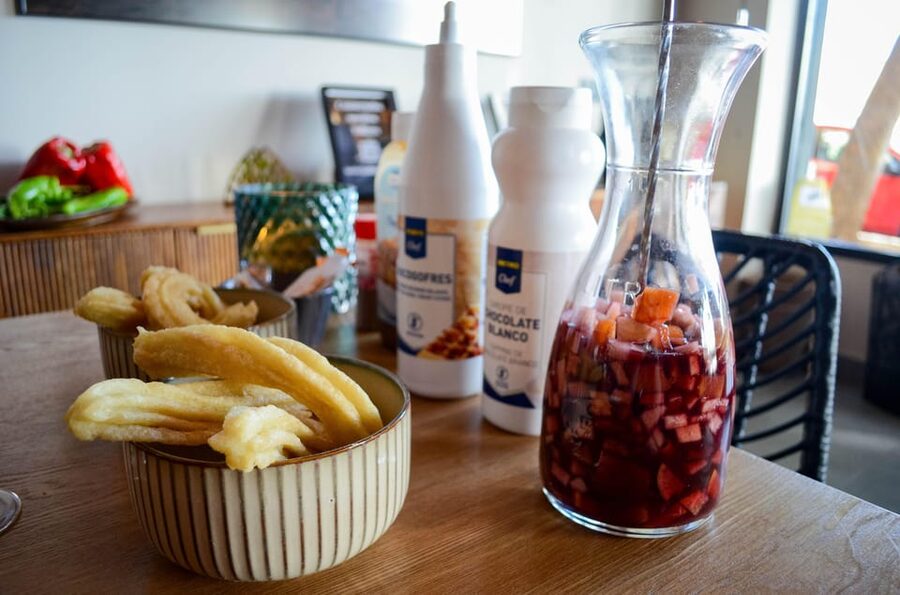
- Churros
- Wine or beer with the meal
This pairing is thoughtful. Paella is filling and warm; gazpacho cuts through it with freshness. Sangría and wine/beer make the lunch feel like an actual Spanish meal, not a watered-down tourist experience.
Drinks are part of the rhythm
It’s easy to underestimate how drinks can change a food class. But having sangría in the mix helps you slow down and enjoy the moment—especially after you’ve done the work. One review mentioned that the chef and guide explained everything well and helped where needed, and the result was a smooth lunch that felt fun, not stressful.
Recipes and the Take-Home Apron: What You’ll Use After the Class
Two of the best “future you” perks are the apron and the recipes.
You get a special “Kulinarea” apron to take home. It’s small, but it’s also a reminder that you learned this, not just watched it happen. And the recipes are sent the next day, so you can cook later with a clean checklist instead of relying on memory.
If you like cooking, this is where the value really shows. A lot of classes end with a meal and then you forget everything. Here, you get tools for doing it again.
The People Factor: International Groups and Real Conversations
One subtle benefit is the way the class brings together people from different countries. That makes the conversation more interesting because you’ll naturally compare notes: where everyone’s coming from, what they’ve tried in Málaga, and what they want to get right at home.
A guide named Anaïs came up in feedback for sharing lots of facts during the market walk about Málaga and Spanish cooking. That kind of local storytelling is more useful than it sounds. It helps you place what you’re tasting into a bigger picture—so you remember the experience, not just the flavors.
Also, the class seems set up to handle needs beyond standard diets. At least one review mentioned that the team considered unpleasant tolerances/intolerances, which is a strong sign you should communicate dietary needs ahead of time.
Price and Value: Is $94 Worth It?
At $94 per person, you’re paying for more than lunch. You’re paying for:
- a market walk (when it’s part of your session),
- guided olive oil tasting,
- chef-led hands-on paella cooking plus gazpacho,
- sangría, and
- the included wine or beer plus churros,
- plus apron and recipes sent the next day.
Could you eat paella in Málaga for less? Sure. But you usually won’t get technique coaching, ingredient logic, and a recipe follow-up. And you won’t leave with an apron and the confidence to cook paella again.
The value gets even better if paella is on your “must learn” list. If your plan is simply to eat, you might be happier skipping a class. But if you want one great experience that teaches you and feeds you, the cost starts to make sense fast.
Getting There: Meeting Point and Practical Tips
You’ll meet at the kitchen Kulinera, Av Manuel Agustín Heredia 24. There’s underground parking right in front called Parking de La Marina.
A few practical tips so the class goes smoothly:
- Plan to arrive with no large bags. If you’re traveling with luggage, store it before you head over.
- Come with an appetite. You cook, then you eat a full meal with drinks and churros.
- If you have any food needs or intolerances, tell the team ahead of time so they can plan.
- After the class, use the emailed recipes the next day while it’s still fresh.
This is also the kind of activity that pairs well with a half-day in Málaga. You’ll get fed early enough that you can still wander afterward.
Who This Class Is Best For
This experience fits best if you want:
- hands-on cooking, not a lecture,
- a market element that connects food to place,
- a meal that feels like Málaga culture,
- and something you can repeat at home.
It’s a great fit for couples or small groups who like food experiences and don’t mind getting their hands a little involved. If you’re the type who reads recipes and still can’t get the result right, this is exactly the kind of class that helps you fix the process.
Should You Book This Málaga Paella and Sangria Class?
Book it if you care about learning technique, not just eating paella. The combination of market ingredients, olive oil tasting, hands-on paella cooking, and a full lunch with sangría and churros is strong value for a short, well-paced day.
Skip it if you’re traveling with big luggage and you don’t want to manage storage, or if you only want a sit-down meal and you’re not interested in cooking at all. Otherwise, this is one of the better ways to turn Málaga eating into something you can carry home.
FAQ
FAQ
Where do we meet?
You’ll meet at Kulinera at Av Manuel Agustín Heredia 24 in Málaga.
Do you visit the market?
Yes, but it depends on the day. Weekday mornings and Saturdays include a walk to Atarazanas Market. Sundays and evening sessions go straight to the kitchen since the market is closed.
How long is the experience?
The cooking class is 3.5 hours.
Is the tour guide available in English?
Yes, the experience includes an English live tour guide.
What’s included in the meal?
You’ll cook and eat paella and homemade gazpacho, and the meal includes churros.
What drinks are included?
You’ll have sangría, plus wine or beer with the meal.
Do you do an olive oil tasting?
Yes. You’ll taste extra virgin olive oil before cooking, with traditional nibbles.
Do I get an apron?
Yes. You get a “Kulinarea” apron to take home.
When do I receive the recipes?
All recipes are sent the next day.
Are large bags or luggage allowed?
No. Luggage or large bags are not allowed.