REVIEW · SAPPORO
Japanese Cooking Class in the Heart of Sapporo with Sakura
Book on Viator →Operated by Traveling Spoon · Bookable on Viator
Cooking in a real home beats any studio class. This private Sapporo experience with Sakura is all about seasonal Japanese comfort food, taught hands-on in a quiet residential apartment near Higashi-Sapporo. I love that you learn dishes you can actually recreate, not just watch and hope.
Two things I especially like: you eat everything you cook, with drinks included, so there are no awkward hunger gaps. And because it’s private, the pace and explanations can match your questions (which matters a lot if you’re new to Japanese home cooking). One possible drawback: it is a home visit, not a commercial kitchen, so you’ll want to use the provided map directions carefully and build in a little extra time.
In This Review
- Key highlights
- Why cooking in Sakura’s Sapporo home feels different
- Finding Sakura’s apartment (and why directions matter)
- What you’ll cook: seasonal home-style dishes (2–3)
- The 10:30 start: how the class flows hour by hour
- Eating what you make: the meal + drinks payoff
- Price and logistics: is $72 good value?
- Who this experience is best for
- Small planning tips that make a big difference
- Should you book Sakura’s Japanese cooking class in Sapporo?
- FAQ
- What time does the cooking class start?
- How long is the class?
- Is this a private class or shared group session?
- What dishes will I learn to make?
- Do I eat what I cook, and are drinks included?
- Where is the meeting point?
- Is a vegetarian option available?
- Is hotel pickup included?
Key highlights
- Private class in Sakura’s apartment instead of a studio setup
- Seasonal menu with 2–3 home-style dishes you can repeat at home
- Hands-on cooking for 1–1.5 hours followed by sitting down to eat
- Drinks included, plus 1–2 glasses of local alcohol
- Beginner-friendly and patient teaching, even if you’re a bit slow at the chopping board
- Child-friendly family atmosphere, so it feels relaxed rather than stiff
Why cooking in Sakura’s Sapporo home feels different
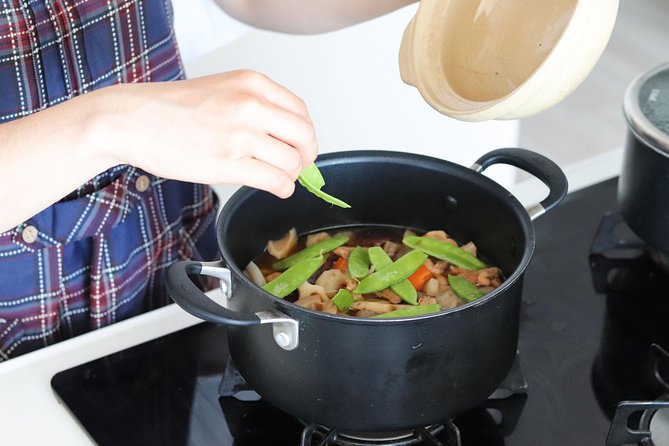
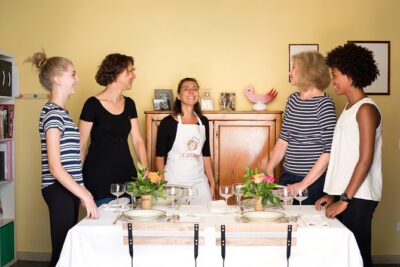
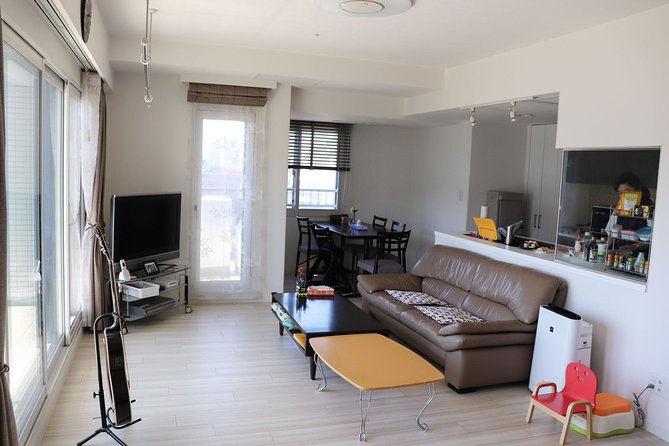
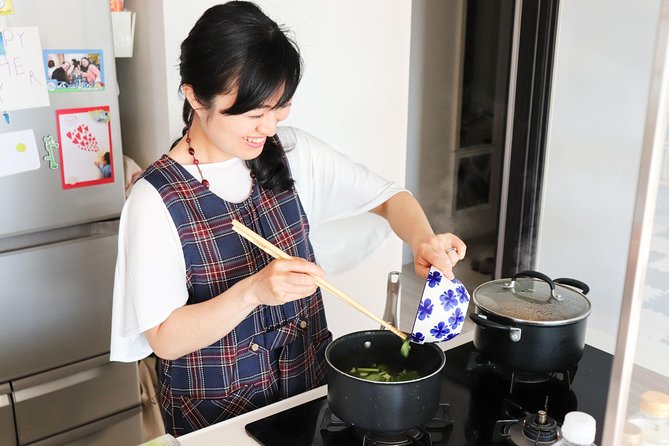
This experience is built around one simple idea: Japanese cooking is as much about home rhythms as it is about recipes. Instead of a formal class in a cooking studio, you step into Sakura’s kitchen and work there with her guidance. That small change makes the whole thing feel less like a performance and more like learning from someone you’ve known for a while.
You also get a real sense of Sapporo daily life. The apartment is in a peaceful residential area, within about a ten-minute walk of Higashi-Sapporo Station. That’s a nice change from the usual tourist loops.
And since it’s private, you’re not competing for attention with a big class. If you get stuck, you can ask again and again until it clicks.
You can also read our reviews of more tours and experiences in Sapporo.
Finding Sakura’s apartment (and why directions matter)
The class meets at Kikusui 4 Jo, Shiroishi Ward, Sapporo (near Higashi-Sapporo). Your start time is 10:30 am, and the whole experience runs about 3 hours.
Since this takes place in a local home, small navigation errors can add real stress. One helpful tip from past participants: use the Google map link provided in the trip info rather than relying on the text description. Do that and you’ll save time and worry, especially if you’re unfamiliar with the area’s pinpoint street layout.
Also note what’s not included: no hotel pickup or drop-off. You’ll want to arrive under your own power, then start relaxed. A mobile ticket is provided, which makes check-in simpler on the day.
What you’ll cook: seasonal home-style dishes (2–3)

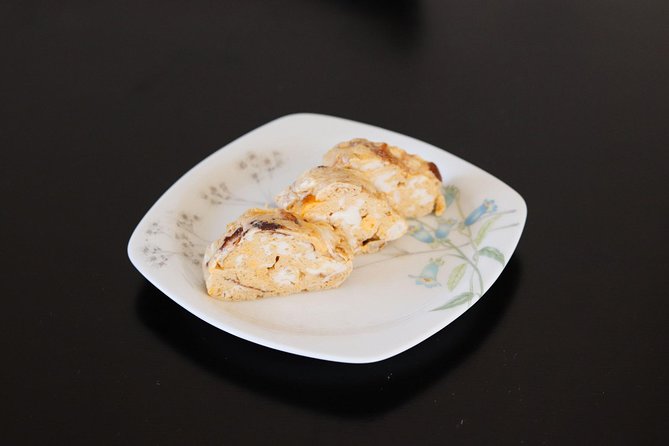
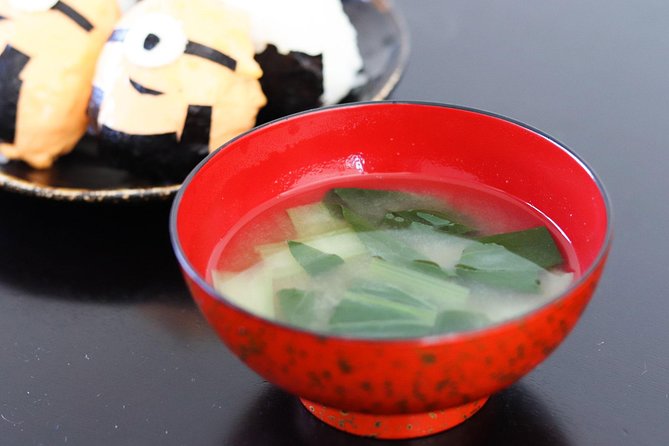
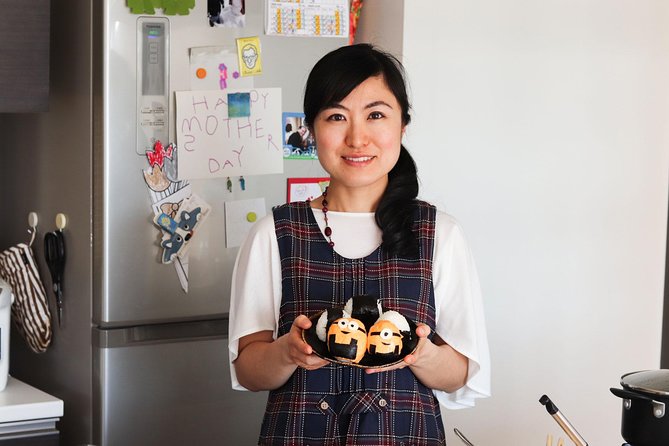
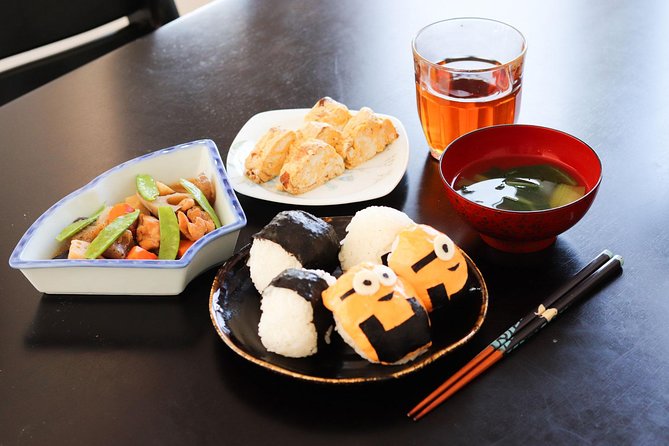
The menu changes by season, and that’s part of the appeal. You’ll make 2–3 authentic home-style dishes, chosen to match what’s good locally at the time. The most common examples include miso soup, onigiri (rice balls), and tamago (an egg roll cooked with stock).
Here’s why this approach works for most people:
- Home-style dishes are forgiving. You’re not wrestling with high-end plating techniques. You’re learning flavor and process.
- Making a small set matters. Two to three dishes gives you enough repetition to understand the logic, without feeling overwhelmed.
- Seasonal logic teaches you how to think. Even when you can’t source the exact same ingredients later, you’ll understand what to aim for.
Vegetarian option is available if you request it when booking. If you have dietary restrictions, include them during the reservation so Sakura can plan around your needs.
The 10:30 start: how the class flows hour by hour
You’ll begin by meeting Sakura at her apartment. Then it’s into the kitchen for the hands-on portion. Expect to cook together for about 1 to 1.5 hours.
During this time, you’re not just following steps. You’re learning how Japanese home cooking gets put together:
- how ingredients are handled and prepared,
- how timing affects texture,
- and how savory balance is built (especially in dishes like miso soup and stock-cooked tamago).
Because the experience is private, Sakura can adjust explanations if your questions come fast. One of the most praised parts is her patience, which shows up in the way she teaches people who are nervous or slower than they hoped. That matters more than you’d think. In cooking, confidence is half the ingredient list.
After the cooking phase, you’ll clean up enough to switch gears and move from the counter to the dining table.
Eating what you make: the meal + drinks payoff
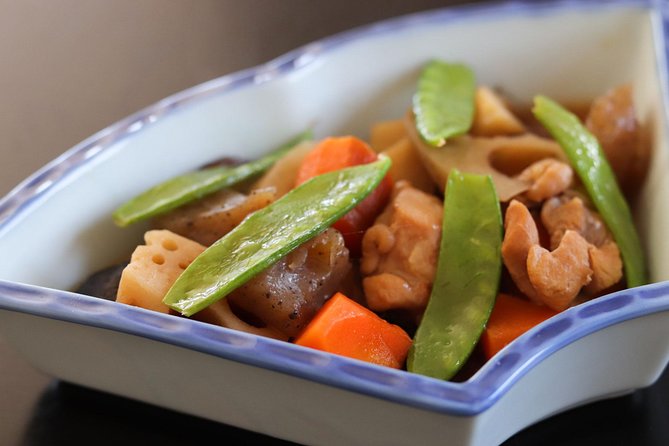
Here’s the best part for your travel day: you sit down to eat what you prepared. No waiting around for an appetizer to arrive later, no leaving with just photos and good intentions.
You’ll get homecooked dishes, and drinks are included. Past participants also noted the local alcohol is served, typically 1–2 glasses. That’s a nice touch in a home setting, and it helps turn a class into a meal you actually remember.
The vibe tends to be relaxed. One review-style theme you can count on: you don’t feel like an outsider. It’s more like joining a family meal with a teacher who wants you to succeed.
And if you’re traveling with kids, this is described as child friendly. The format makes it easier for younger guests to watch, help, or simply enjoy the food they helped prepare.
Price and logistics: is $72 good value?
At $72 per person for a private, in-home cooking class, you’re paying for three things at once:
1) expert instruction in a real home kitchen,
2) the meal you cook (not a token bite),
3) drinks and often a couple of glasses of local alcohol.
Compare that to the cost of booking a cooking class in a studio plus paying for lunch or dinner separately. Here, the class and the meal are bundled, and you’re not doing the stressful part of ingredient searching.
A small timing note: this tends to get booked about 29 days in advance on average. If your dates are firm, don’t wait too long. Private experiences are usually the first to fill.
The duration is about 3 hours, which is also practical. It fits cleanly into a morning plan, and you’re not losing half your day to transfers or wandering between buildings.
Who this experience is best for
This is ideal if you want more than a cooking show. You should enjoy it if you’re the type who likes to learn how food is built, not just memorize recipes.
It’s especially good for:
- Beginner cooks who want guidance and patience,
- people who enjoy cultural experiences more than check-the-box sightseeing,
- anyone who prefers a quieter, more local feel to the day,
- couples, friends, or small groups who want a private pace.
If you’re a hard-core home cook looking for advanced techniques, you might find it more basic than you expected—but the goal here is approachable seasonal home cooking, not competition-level knife skills.
Small planning tips that make a big difference
A few practical moves can keep the day easy:
- Use Google Maps from the provided link to get to the apartment fast.
- Arrive a little early so you can settle in before cooking starts.
- Let Sakura know your dietary restrictions ahead of time if you’re vegetarian or avoiding something specific.
- Wear comfortable clothes. You’ll be standing and working in a home kitchen environment.
Also remember: this is private, so you won’t be sharing the class with strangers. That’s great for attention and questions, but it also means it’s worth treating the schedule seriously. If you’re running late, try to message or adjust early rather than hoping it will sort itself out.
Should you book Sakura’s Japanese cooking class in Sapporo?
If you want a Sapporo food experience that feels personal, this is a strong yes. The reasons are simple: you cook 2–3 seasonal dishes, you eat everything you make, and the teaching style is described as patient and friendly. The price feels fair for a private home-based class with drinks, rather than a studio session followed by a separate meal.
I’d especially book it if you’ve done lots of restaurants already and want to bring something practical back home. Learning miso soup, onigiri, and tamago-style flavors gives you a way to recreate Sapporo vibes in your own kitchen.
Skip it only if you need a formal professional studio setup, or if you strongly prefer not to travel to a residential apartment area.
FAQ
What time does the cooking class start?
The experience starts at 10:30 am.
How long is the class?
The duration is about 3 hours (approximately).
Is this a private class or shared group session?
It’s a private tour/activity. Only your group participates.
What dishes will I learn to make?
You’ll make 2–3 home-style Japanese dishes that vary by season. Examples mentioned include miso soup, onigiri, and tamago.
Do I eat what I cook, and are drinks included?
Yes. You’ll sit down to enjoy the homecooked meal you helped prepare, and drinks are included. Local alcohol (1–2 glasses) is also included.
Where is the meeting point?
The start point is at Kikusui 4 Jo, Shiroishi Ward, Sapporo, Hokkaido 003-0804, Japan.
Is a vegetarian option available?
Yes. A vegetarian option is available—advise at the time of booking.
Is hotel pickup included?
No. Hotel pickup and drop-off are not included.