REVIEW · SAPPORO
Hokkaido Seafood Sushi Rolls Experience with Matcha, in Sapporo
Book on Viator →Operated by Tomoko's Japanese Cooking · Bookable on Viator
Sapporo’s kitchen lessons feel like dinner at home. In this small-group class, you’ll make seafood sushi rolls, learn crispy tempura technique, and finish with matcha plus traditional sweets in a quiet residential studio. It’s a practical way to see Hokkaido food culture beyond restaurant menus.
What I like most is the hands-on format. You’re not just watching—there’s time to cook, taste, and get your questions answered while you build your sushi and tempura skills together.
One thing to consider: it’s held in a neighborhood about 15 minutes by car from Sapporo Station, and hotel pick-up/drop-off isn’t listed as included (even though pickup is offered). You’ll want to plan transport so you arrive calmly for the 10:00 start.
In This Review
- Key things to know before you go
- Where you’ll cook: a calm residential Sapporo kitchen
- The 10:00 intro: how they set you up to cook confidently
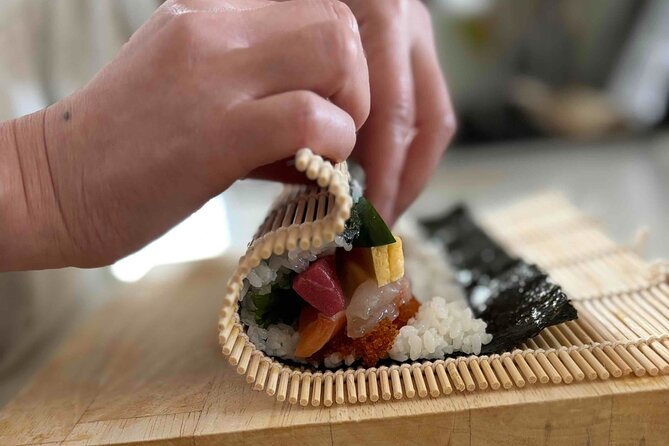
- Making seafood sushi rolls with Hokkaido ingredients
- Cooking light, crispy tempura that doesn’t feel like a gamble
- The matcha + sweets segment: tea culture basics, without pressure
- What’s included (and what that means for your budget)
- Location tips: getting there smoothly without stress
- Who this class suits best (and who might want a different plan)
- Should you book this Sapporo sushi-and-matcha class?
- FAQ
- What time does the experience start in Sapporo?
- How long is the experience?
- What will I make during the class?
- Is matcha included?
- How big are the groups?
- Where is the meeting point?
- Do I need hotel pick-up or drop-off?
- Is this a private activity?
- What happens if the weather is bad?
- Can I cancel for a full refund?
Key things to know before you go
- Small groups (2–3 people): more hands-on time and easier conversation while you cook
- Hokkaido seafood focus: you’ll build your sushi rolls with fresh local seafood
- Tempura with a crisp goal: you’ll cook a light, crispy tempura to go with your meal
- Matcha + traditional sweets: you learn Japanese tea basics right at the table
- Residential Sapporo setting: a home-style kitchen feel, not a big cooking showroom
Where you’ll cook: a calm residential Sapporo kitchen
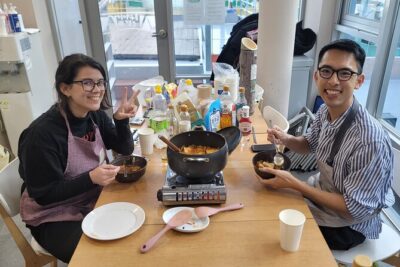
This class takes place in a quiet residential area of Sapporo. That matters more than you might think. Instead of the usual “tourist-friendly” crowd scene, you’re stepping into everyday Japan—where food happens at home, not only in dining districts.
The studio is roughly 15 minutes by car from Sapporo Station. If you’re staying near the main sights, that’s a manageable ride, and the neighborhood is also walkable to places like Hokkaido Shrine and Maruyama Zoo. The area is described as stylish and pleasant, so you can make a half-day out of it: sightseeing before or after, without the class feeling rushed.
Meeting point is at 26 Chome-2 Odorinishi, Chuo Ward, Sapporo. Plan to arrive with enough buffer that you can settle in and put on your apron without feeling rushed. You’ll end back at the meeting point, which makes your afternoon plan simpler.
One more practical note: the class offers a mobile ticket, and it’s a private tour/activity—your group cooks together with no outsiders drifting in. That private feel can reduce that awkward “what do I do with my hands” stress. You can focus on learning.
You can also read our reviews of more tours and experiences in Sapporo.

The 10:00 intro: how they set you up to cook confidently
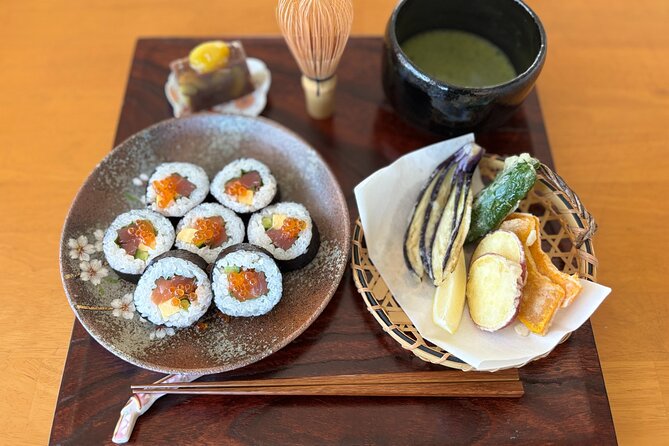
The day starts at 10:00 a.m., with a short introduction from 10:00 to 10:15. In those first 15 minutes, you get oriented to Hokkaido’s food culture and to what you’ll be making.
That quick start is useful. Sushi and tempura can feel intimidating when you only see them in finished form at restaurants. This intro gives you the mindset for the rest of the session: ingredients first, then technique, then plating your rolls and eating what you make.
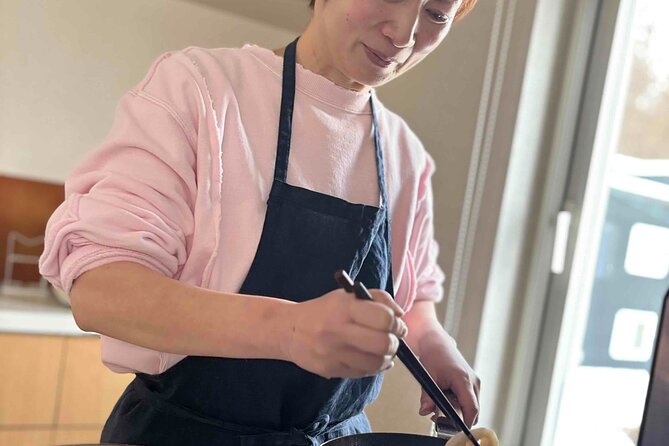
From there, the class moves into hands-on time. From 10:15 to 12:00, you’ll cook and taste. This is the core of the experience, and it’s where your questions pay off. With small groups of 2 to 3 people, the instructor can adjust the pacing and help you work through the steps without making you feel like you’re behind.
If you like structured activities but still want real interaction, this timing works well. You’re not stuck in a long lecture. You’re working while the ideas are still fresh.
Making seafood sushi rolls with Hokkaido ingredients
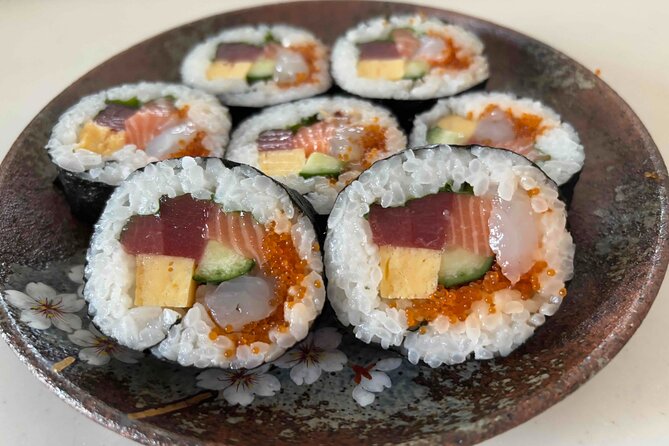
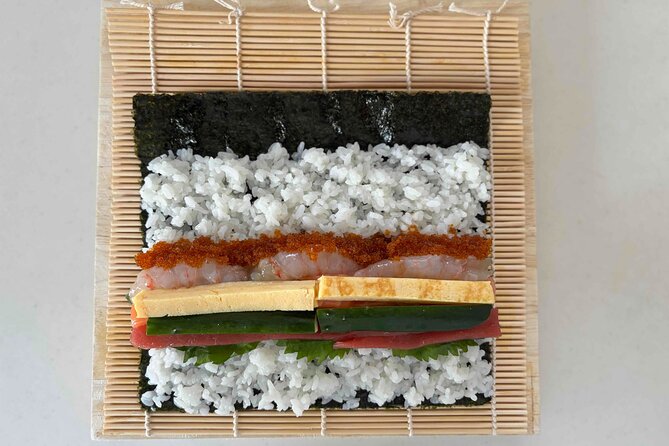
From 10:15 to 12:00, you’ll make seafood sushi rolls using fresh Hokkaido seafood. The most valuable part here is that you’re learning the “build” of sushi—not only the final look.
You’ll be focused on making beautiful seafood sushi rolls. That word choice is important: sushi isn’t just about taste. It’s also about form and handling—how the rice comes together, how toppings sit, and how you get clean, consistent results.
In practical terms, the goal is that you’ll leave knowing what to do with the main steps. You’ll learn the process well enough to recreate it at home (even if you don’t live in Sapporo with perfect local seafood on your doorstep). And because this is a home-style kitchen, the pace feels like learning from someone who actually cooks, not from a stage-trained demo.
Also, you’re going to eat what you make. So the class isn’t teaching sushi as a distant craft. It’s showing you how it fits into a meal—something you can actually enjoy right away.
If you’re a first-timer, good. The small group size keeps things manageable. If you already like Japanese food, even better. You’ll probably spot how techniques translate from “restaurant” into “home cooking,” and that’s where the satisfaction kicks in.
Cooking light, crispy tempura that doesn’t feel like a gamble
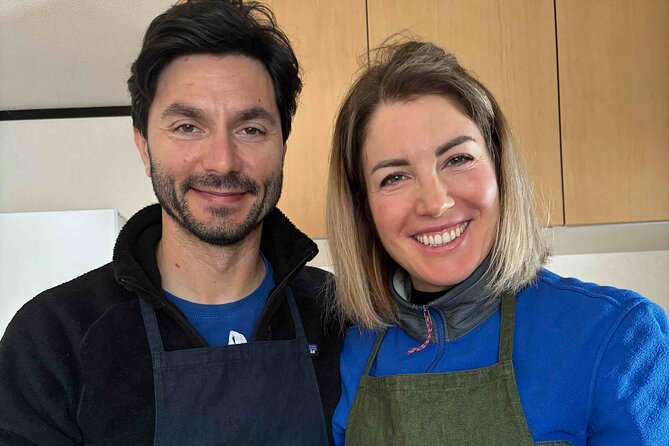
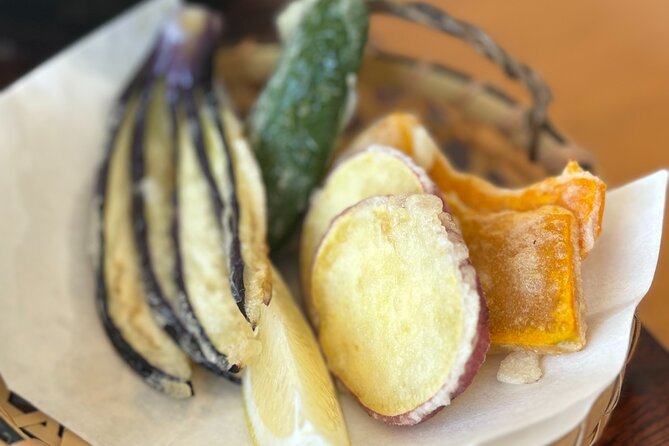
While you’re making sushi rolls, you’ll also cook tempura with the goal of crisp, light texture. Tempura is one of those dishes where small details matter—heat, batter, and timing.
Here’s why I think this class is a strong choice: you’re not just trying to assemble dinner. You’re learning a technique that can level up your cooking. Once you understand the basics, tempura becomes one of those repeatable “I can do this” dishes instead of a once-a-year order-in.
The class description calls it light, crispy tempura, which tells you what to aim for as you cook. You’ll learn the approach in this hands-on setting and then taste it as part of your shared meal. That tasting piece is key. You can actually connect technique to flavor and texture while it’s still fresh.
And because you’ll be cooking alongside your group, the experience has a friendly energy. One person might be wrapping sushi a little slower; another might be more confident with the batter. That’s how you learn quickly—by comparing what you’re doing and adjusting on the spot.
After the cooking, the meal is served together at the table. That’s when tempura and sushi stop being “projects” and start being dinner.
The matcha + sweets segment: tea culture basics, without pressure
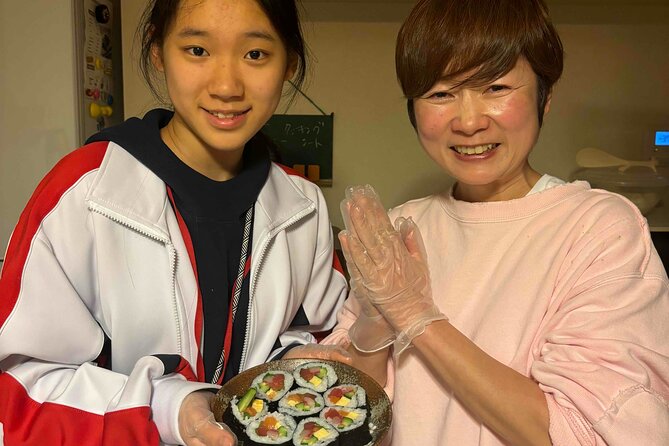
From 12:00 to 12:30, you’ll switch gears to matcha experience with traditional Japanese sweets. This isn’t described as a full formal tea ceremony. Instead, you learn the spirit and basic ideas behind Japanese tea culture—which is a friendlier entry point.
Why I like this part: matcha can be intimidating if you only know it as a flavor in drinks. Here, you get the cultural context and the basic thinking behind it, plus something sweet to balance your taste.
You’ll be sitting down and taking your time. That’s a nice break after cooking, and it helps you slow down and actually enjoy the flavors you worked for.
A lot of cooking classes end right after the food. This one adds a small cultural layer that makes it feel like more than a quick meal tutorial. It turns your lunch (or early afternoon meal) into a complete Sapporo experience: hands working, food on the table, then tea culture to close it out.
What’s included (and what that means for your budget)
Your price is $97.55 per person for about 2 hours 30 minutes. For that, you get:
- Seafood sushi roll and tempura
- Matcha and traditional Japanese sweets
- Rental apron and hand towel
You also get a small-group setup (2–3 people) and a private class for your group, which usually means more instructor attention than you’d get in larger classes. That’s the part you should value most with a skill-based activity. If you’re going to pay, paying for time with a teacher is the right idea.
What’s not included: hotel pick-up and drop-off. Still, the experience summary says pickup is offered. So if you want door-to-door help, confirm exactly what “pickup offered” covers for your specific booking. Don’t assume it matches your hotel location.
You should think of this as paying for ingredients, instruction, and a full shared meal. Even if you can find sushi or tempura elsewhere, the “make it yourself with guidance” value is the point.
Given that the class is about 2.5 hours, you’re also getting a concentrated activity that doesn’t eat up your whole day. That makes it easier to combine with Sapporo sightseeing.
Location tips: getting there smoothly without stress
The meeting point is 26 Chome-2 Odorinishi, Chuo Ward. The studio is near public transportation and about a 15-minute car ride from Sapporo Station. Translation: you’re not totally stranded, but you should still plan with a little buffer.
If you’re using public transit, check your route before you go. Residential areas can be easy to miss if you’re only relying on memory. A phone map helps, but arrive early enough that you’re not sprinting in your best cooking shoes.
If you prefer less hassle, ask about pickup details when you book. The data you have says pickup is offered, but hotel pick-up/drop-off isn’t listed as included. That inconsistency is exactly why you should confirm.
And because it’s held in a quiet residential area, expect a more “local” feel. You’re not arriving at a big branded venue with constant foot traffic. That’s good for the experience, but it means you should find the address and stick to it.
Who this class suits best (and who might want a different plan)
This is a great fit if you want:
- Real cooking practice, not just a tasting tour
- A small-group experience where you can ask questions
- A meal that includes both sushi rolls, tempura, and matcha
It’s also ideal if you like the idea of visiting Sapporo in a way that feels personal. You’re learning Hokkaido flavors and Japanese tea culture basics in a home-style kitchen. That’s more memorable than reading about it later.
If you’re short on time or hate guided activities, this might feel like too much structure. But at 2 hours 30 minutes, it’s not a long commitment.
And if you’re very focused on city-center sights only, remember it’s in a residential area. You can still pair it with nearby stops like Hokkaido Shrine and Maruyama Zoo, but plan for a ride or a walk.
Should you book this Sapporo sushi-and-matcha class?
Yes—if you want hands-on cooking in a small group, this is a strong bet. The value isn’t just the food; it’s that you learn technique in a calm setting and then eat what you made. The format also supports good conversation, which makes the experience feel warmer and less like a factory class.
Consider booking especially if you like Hokkaido seafood and want to go beyond “try it once.” You’ll leave with knowledge you can reuse, plus a matcha moment that adds culture without overcomplicating it.
Just be smart about logistics. Since hotel pick-up/drop-off isn’t clearly included (even though pickup is offered), confirm what transport help you’ll actually get. Then you can focus on the fun part: rolling sushi, frying tempura, and sipping matcha like you’ve been doing it for years.
FAQ
What time does the experience start in Sapporo?
It starts at 10:00 a.m.
How long is the experience?
It runs about 2 hours 30 minutes.
What will I make during the class?
You’ll make seafood sushi rolls and cook tempura.
Is matcha included?
Yes. The experience includes matcha with traditional Japanese sweets.
How big are the groups?
The class is held in small groups of 2 to 3 people.
Where is the meeting point?
The meeting point is 26 Chome-2 Odorinishi, Chuo Ward, Sapporo, Hokkaido 064-0820, Japan.
Do I need hotel pick-up or drop-off?
Hotel pick-up and drop-off are not listed as included. The summary notes pickup is offered, so confirm the exact pickup arrangement when you book.
Is this a private activity?
Yes. Only your group will participate.
What happens if the weather is bad?
If the experience is canceled due to poor weather, you’ll be offered a different date or a full refund.
Can I cancel for a full refund?
Yes. You can cancel up to 24 hours in advance for a full refund.