REVIEW · SAPPORO
Private Japanese Cooking Class in Sapporo with Local Chef Shiori
Book on Viator →Operated by Traveling Spoon · Bookable on Viator
One meal at a time, you get how Sapporo cooks at home. This private Japanese cooking class in a quiet residential neighborhood lets you learn hands-on techniques from Chef Shiori, then sit down for the finished home feast. Two things I really like: you cook alongside a friendly pro (not just watch), and you’re taught with practical “how to repeat it” advice you can actually use later.
You do need to plan for one possible snag: meeting logistics are simple but not complicated-free. You’ll be picked up at Sumikawa Station (north exit), and if your group is five or more, an extra taxi ride may be needed, since the car fits up to four.
In This Review
- Key things to know before you book
- A Sapporo dinner you can actually recreate
- Entering Shiori’s world: home-kitchen etiquette and comfort
- What you’ll cook: sushi, somen, and Hokkaido-friendly comfort food
- The 3-hour flow: what happens when you arrive
- Meeting point reality check: Sumikawa Station and getting there
- Price and value: what $108 buys you here
- Dietary needs: how to handle allergies and vegetarian requests
- Who this class fits best (and who it might not)
- Practical tips to make the evening smoother
- Should you book Shiori’s cooking class in Sapporo?
- FAQ
- How long is the cooking class?
- Where do we meet, and how do we get to the home?
- Is this a private class or shared with other people?
- What dishes will we learn to make?
- Is a vegetarian option available?
- Is alcohol included?
Key things to know before you book
- A private, in-home class in a newly built family home, away from the city center noise
- Hands-on cooking for about one hour, with prep mostly done ahead so you can focus on technique
- Classic Japanese dishes in the menu (often sushi and somen), with seasonal changes possible
- You learn 1 main dish and 1 side dish, then enjoy the full home meal
- Local alcohol included (about 1–2 glasses) for those who drink
- Dietary options available, including vegetarian, if you request in advance
A Sapporo dinner you can actually recreate
A lot of food tours show you Japan from a distance. This one brings you into a local home rhythm. You’ll start in a peaceful residential area, not a showroom kitchen, which changes everything. It feels calmer. You can ask questions without feeling rushed. And you get a real sense of how Japanese home cooking fits into everyday life.
I also love that the class is private and tailored to your group, not a crowded demo where you wait your turn. Shiori teaches one-on-one, and the tone matters. The reviews point again and again to her warmth, patience, and clear guidance—so you’re not stuck guessing what comes next. Add the fact that she shares cooking history and technique, and you get more than recipes. You get the logic behind them.
The other big win is the structure: you cook alongside the instructor, then you eat. That means you’re tasting while it’s still fresh in your mind, and the lessons stick better.
You can also read our reviews of more tours and experiences in Sapporo.

Entering Shiori’s world: home-kitchen etiquette and comfort
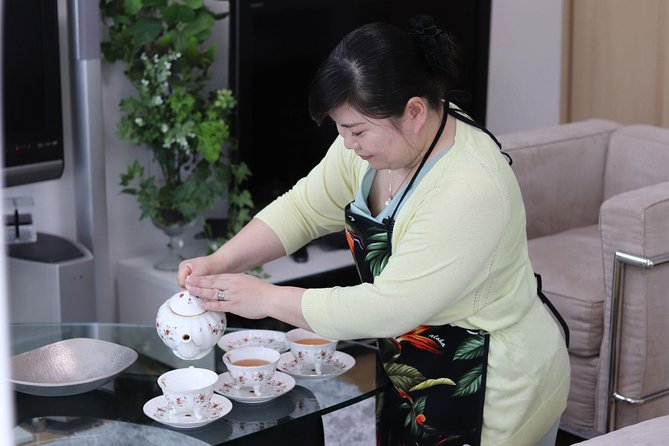
This experience is built around the idea that you’re visiting someone’s house. Shiori welcomes you into her beautiful family home, and the evening is designed to feel human, not staged. You’re not just “doing an activity.” You’re learning how a household approaches food: careful prep, smart shortcuts, and the patience to get details right.
One detail that helps a lot: vegetables are peeled and cut in advance. That doesn’t take away from the class—it helps you focus on the parts that matter for technique and timing. In other words, you’re not spending the whole session fighting a knife and hoping you cut things evenly.
If you’re travelling with kids, this also tends to work better than many cooking classes because the flow stays organized. Reviews mention a toddler enjoyed the experience, which suggests it’s not just a stiff adult workshop.
What you’ll cook: sushi, somen, and Hokkaido-friendly comfort food
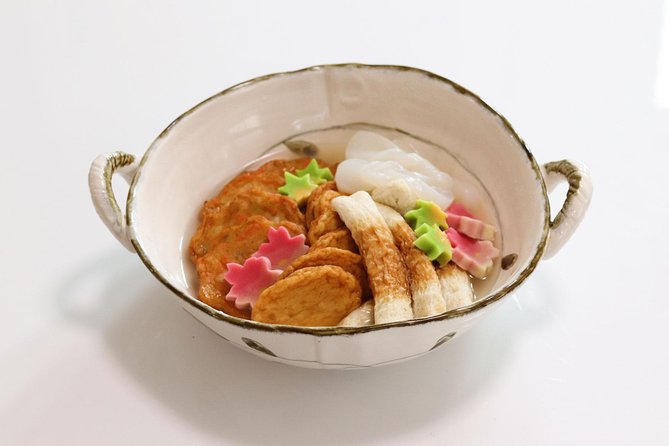
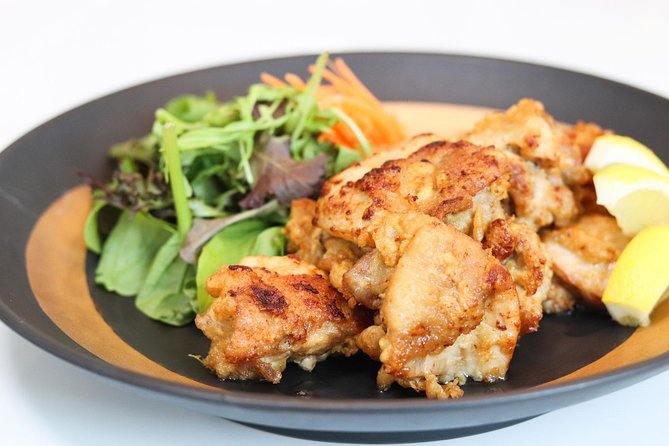
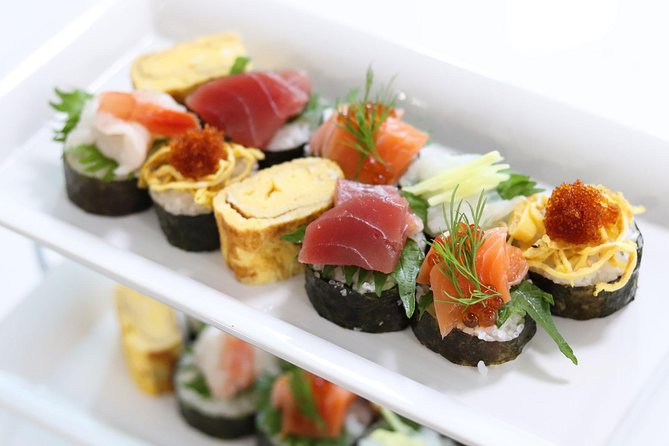
The menu is described as a traditional Japanese meal you’ll make from start to finish, and the highlights specifically call out classic dishes like sushi and somen noodles (plus grilled chicken). In practice, you can expect a hands-on cooking focus on 1 main dish and 1 side dish, while Shiori contributes the rest of the meal that completes the spread.
Here’s what that usually means for your brain:
- The main dish is your “performance.” You’ll learn the steps you can reproduce later.
- The side dish is your “support.” You’ll learn how flavors and textures balance the main.
- The rest of the meal is what you eat at the table—so the meal feels complete, even if you’re only hands-on for two components.
From the reviews, Hokkaido flavors show up strongly—seafood and local produce are repeatedly mentioned. That’s a nice match for Sapporo, because local ingredients are where the regional identity shows up. You don’t just learn Japanese cooking in general. You learn what a Sapporo household might serve when they’re using what’s available locally.
Also, the menu may vary by season. That’s normal, and honestly, it’s a plus if you like variety. The tradeoff is that you can’t treat this as a guarantee of one exact menu every single day.
The 3-hour flow: what happens when you arrive
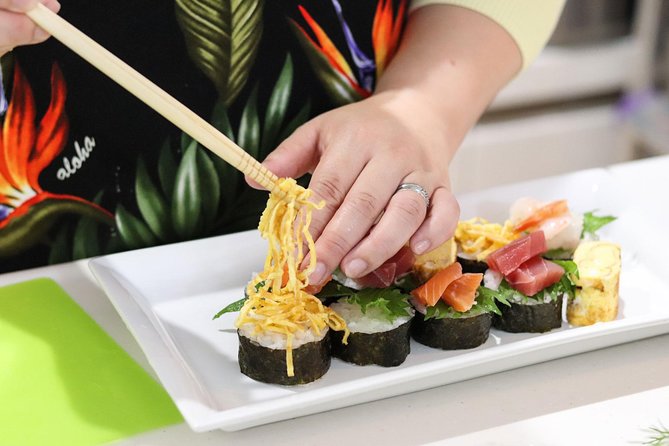
This experience runs about 3 hours total. The cooking itself is about 1 hour, and that matters because the lesson stays focused. You’re not stuck in a kitchen for the whole afternoon.
A typical flow looks like this:
- Meet and get to the home: Shiori picks you up at the north exit of Sumikawa Station. The activity starts at Sumikawa Station address details in Minami Ward.
- Welcome + instruction: Once inside, you’ll go over what you’ll be making and how Shiori wants you to handle the steps.
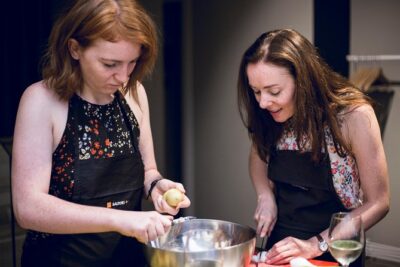
- Hands-on cooking: You cook with Shiori and follow her technique. Since veggies are prepped ahead, you spend more time learning how to assemble, season, shape, and manage timing.
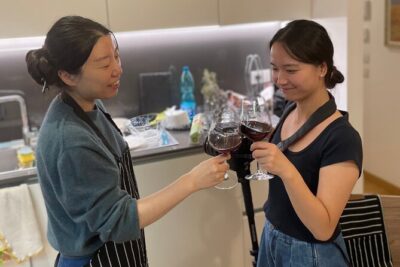
- Eat the home meal: You’ll enjoy the dishes prepared by Shiori. Local alcohol is included for those who want it, usually 1–2 glasses.
- Wrap-up: You’ll get advice and recipes for recreating the Japanese feast at home—this is one of the practical parts, because it turns the class into a usable cooking plan.
If you like cooking, this pacing is ideal. If you’re not a “kitchen person,” you still get meaningful interaction without feeling like you’re stuck for hours doing prep work.
Meeting point reality check: Sumikawa Station and getting there
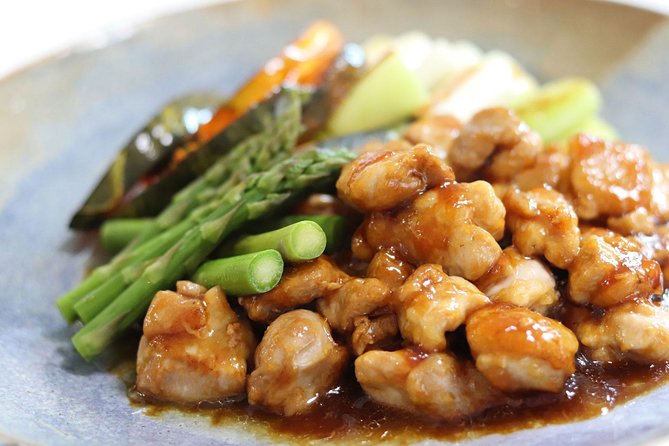
The meeting point is Sumikawa Station, located at 2 Chome-4 Sumikawa 4 Jo, Minami Ward, Sapporo, Hokkaido 005-0004, Japan. Shiori picks you up from the north exit.
The class also says it’s near public transportation, which is great. Still, I recommend you plan a little buffer time. Sapporo station areas are straightforward, but you’ll have one job on this trip: be at the pickup spot on time. If your Japanese is limited, use your confirmation message and any pre-communication you receive so you can find her quickly.
One more practical thing: Shiori’s car can accommodate up to four guests. For groups of five or more, additional guests follow by taxi, which costs about $10 USD (approx.). If you’re booking as a group, consider who will need the taxi so you’re not scrambling at the end.
Price and value: what $108 buys you here
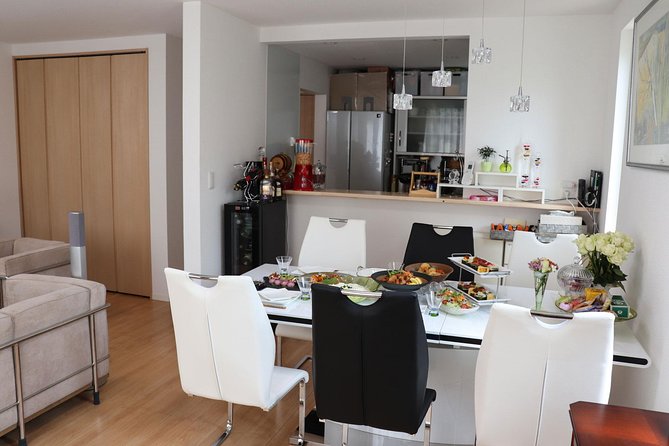
At $108 per person, this isn’t a bargain-basement class. But in Japan, private in-home instruction usually costs more because it’s truly personalized—your instructor’s time, the space, the shopping/prep, and the meal all get folded into the price.
Here’s why I think the value is reasonable:
- Private format: only your group participates, so you’re not competing for attention.
- In-home setting: you’re paying for an experience that feels like a visit to a real household.
- Hands-on technique + finished meal: you learn while you cook, then you eat what you helped create.
- Local alcohol included (for those who drink).
- Recipes and advice for making it back home: this increases the odds you’ll use what you learned.
The cost can feel high if you mainly want to eat, not cook. But if you want technique—how to shape, season, and execute—a class like this can be worth it because you leave with repeatable skills, not just a memory of a plate.
Dietary needs: how to handle allergies and vegetarian requests
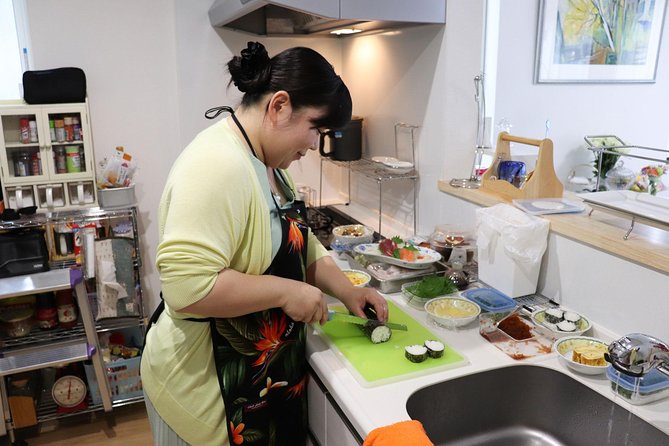
This class specifically notes that if you have allergies, dietary restrictions, or cooking preferences, you should advise at booking. That’s not a small detail. When you’re in someone’s home, clarity matters, and it’s smart to make those needs explicit early.
A vegetarian option is available, and you should request it when you book. Since the menu can vary with the season, the vegetarian plan might also vary—so don’t wait until you arrive to ask.
If you’re a strict eater (allergies especially), I suggest you also share the type of ingredient you need to avoid. The more specific you are, the easier it is for a host to plan.
Who this class fits best (and who it might not)
This is a strong fit if you want:
- A private, local experience in Sapporo
- Hands-on cooking instruction rather than a passive lesson
- A meal that includes traditional Japanese dishes with Hokkaido ingredients
- A friendly teacher who explains techniques in a patient way
It may be less ideal if:
- You’re looking for a large group party vibe. This is private, so the mood stays focused.
- You want a guaranteed exact menu with no seasonal swaps. The class notes menu may vary.
For solo travelers, it’s especially appealing because you’re not competing with a crowd. Reviews mention an easier time finding the pickup thanks to prior communication, and that’s reassuring if you’re travelling alone.
For couples, it’s also a great way to do something practical and memorable without needing fancy reservations.
Practical tips to make the evening smoother
A few things will help you get the most out of your time:
- Bring a small list of questions you want answered about sushi or noodle technique. You’ll get more out of the class if you’re specific.
- If you’re ordering vegetarian or have allergies, message the details in advance. Don’t rely on a quick explanation on the day.
- Wear comfortable clothes. Even though prep may be done for you, you’ll still be working with ingredients and kitchen movement.
- Plan to arrive a bit early at Sumikawa Station north exit. Your evening starts on time, and the class clock matters because cooking is only about one hour.
Should you book Shiori’s cooking class in Sapporo?
I’d book it if you want an evening that feels real: a private home cooking lesson, hands-on technique, and a full sit-down meal with local flavor. The pricing makes sense for what you’re getting: personal instruction, classic dishes like sushi and somen, and a host who’s known for patience and clear teaching.
Don’t book it if you’re only trying to fill time with a quick snack. This is for people who want to learn how Japanese home cooking works, then take it back to their own kitchen.
If you want an easy decision: choose this when you can spend a quiet 3 hours in Sapporo outside the main bustle and focus on food skills you’ll actually use.
FAQ
How long is the cooking class?
The experience runs for about 3 hours (approx.). The cooking portion is about 1 hour.
Where do we meet, and how do we get to the home?
You meet at Sumikawa Station (2 Chome-4 Sumikawa 4 Jo, Minami Ward, Sapporo). Shiori picks you up at the north exit of Sumikawa Station. The activity ends back at the meeting point.
Is this a private class or shared with other people?
It’s private. Only your group participates.
What dishes will we learn to make?
The class focuses on a traditional Japanese meal. You’ll prepare 1 main dish and 1 side dish. Classic dishes mentioned include sushi and somen noodles, and the meal may vary depending on the season.
Is a vegetarian option available?
Yes. A vegetarian option is available, and you should advise at time of booking.
Is alcohol included?
Local alcohol is included (typically 1–2 glasses). If you don’t drink, you can plan accordingly.