REVIEW · SPOLETO
Spoleto Countryside Home Cooking Pasta Class & Meal
Book on GetYourGuide →Operated by Timonfaya Travel Lanzarote · Bookable on GetYourGuide
Fresh pasta starts with your hands, not a cookbook. In Spoleto’s countryside, this hands-on class turns Umbrian ingredients into a meal you can actually repeat later. I like that it stays practical: you mix flour and eggs, knead and cut dough, and learn fresh pasta techniques step by step.
Two things I really like: the small group (up to 6) means you get close guidance, and the day ends with a proper 3-course lunch (with regional wine) rather than a quick tasting. One consideration: it’s only about 3 hours, so if you want a long, slow food day plus time to explore Spoleto on the same ticket, plan carefully around your start time.
In This Review
- Key things to know before you go
- Welcome to an Umbrian cooking day, not a performance
- Where you start in the Spoleto countryside (and how that shapes the experience)
- Inside the hostess home: the vibe that makes lessons stick
- The hands-on pasta lesson: tagliatelle and ravioli, step by step
- What you’ll eat: Umbrian family-style lunch with wine
- The traditional menu (as served)
- The wine and toast moment
- Options if you just want the meal (no pasta practice)
- Dietary needs: plan ahead so you enjoy the whole meal
- Price and value: what you’re really paying for
- Who this pasta class suits best
- Practical tips to get the most out of your 3 hours
- Should you book this Spoleto pasta class?
- FAQ
- FAQ
- How long is the cooking class?
- How many people are in the group?
- Where does the experience start?
- What’s included in the price?
- Will I eat the food I help make?
- Is there wine included?
- What language will the host speak?
- Can I choose to attend only the meal?
- What if I have dietary requirements?
- Is the activity wheelchair accessible?
Key things to know before you go
- You make pasta dough and shape two kinds of fresh pasta: tagliatelle and ravioli, from scratch using flour and eggs
- The menu follows Umbrian family-style comfort food with crostini, a fresh-pasta course, a second course, and a spoon dessert
- Small group size keeps it hands-on with room for questions and real-time corrections
- Local wine is part of the meal rhythm and you’ll toast during the course experience
- You leave with recipes so your first attempt at ravioli at home is more than a nice idea
Welcome to an Umbrian cooking day, not a performance
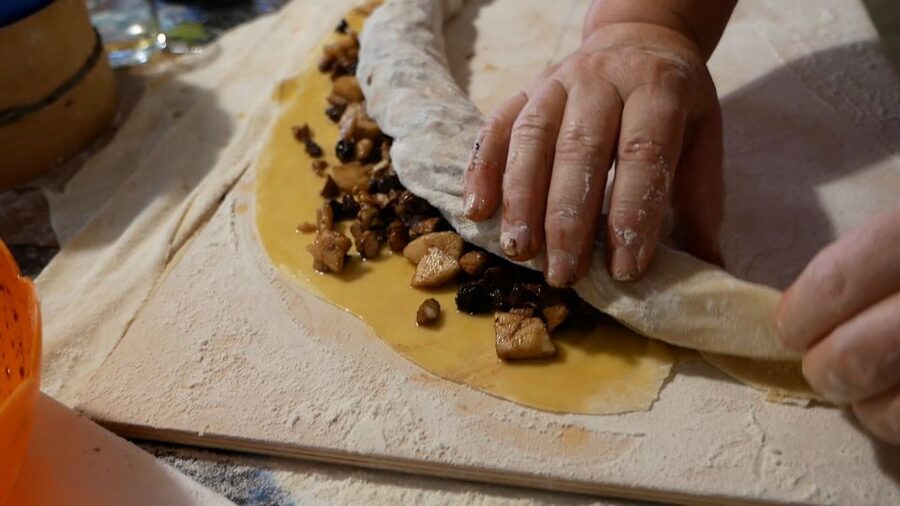
This is the kind of cooking class that feels like you’ve been invited into a local home. You’re not watching someone else cook; you’re doing the work. The focus is Umbrian tradition and seasonal produce, plus the basics that make Italian food taste Italian: good extra virgin olive oil, thoughtful ingredients, and respect for timing.
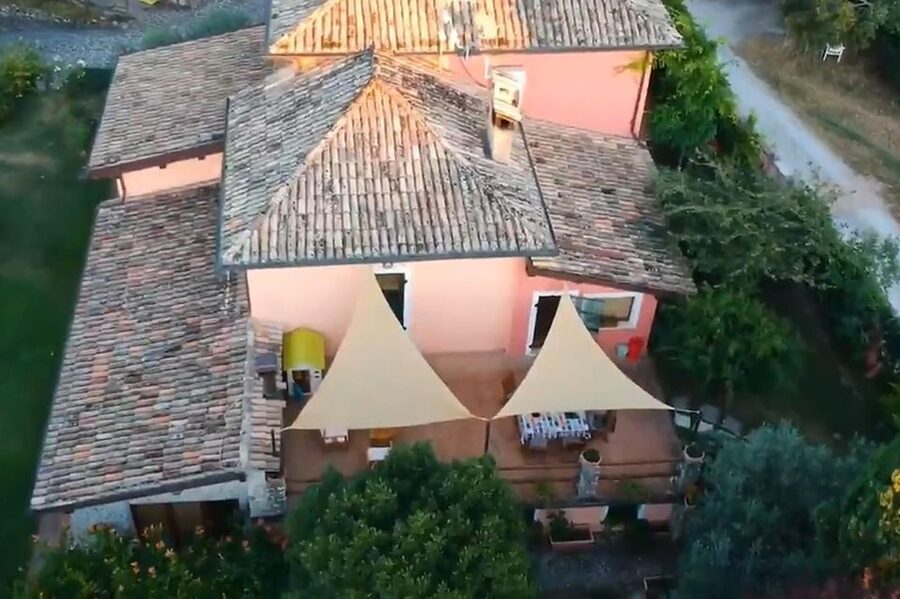
You’ll start in the Spoleto area at Colleulivo, Località Forcella (the meeting point address is clearly given). From there, the experience centers on one thing: learning to make fresh pasta with an English-Italian host/greeter and a small group capped at six people.
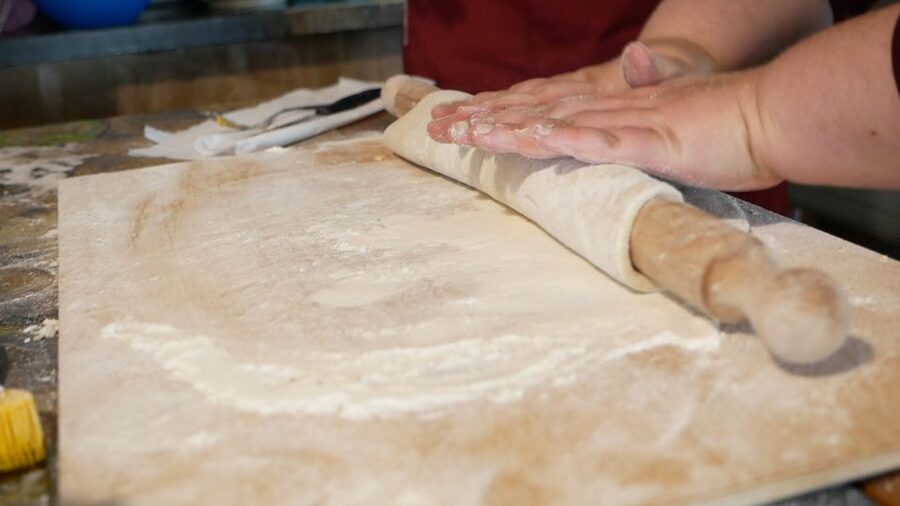
One detail I especially like is that the class is built around practical skills, not just recipes. You’ll learn the feel of dough—mixing, kneading, cutting, rolling, and filling—so you understand what to do when something goes slightly wrong at home.
Where you start in the Spoleto countryside (and how that shapes the experience)
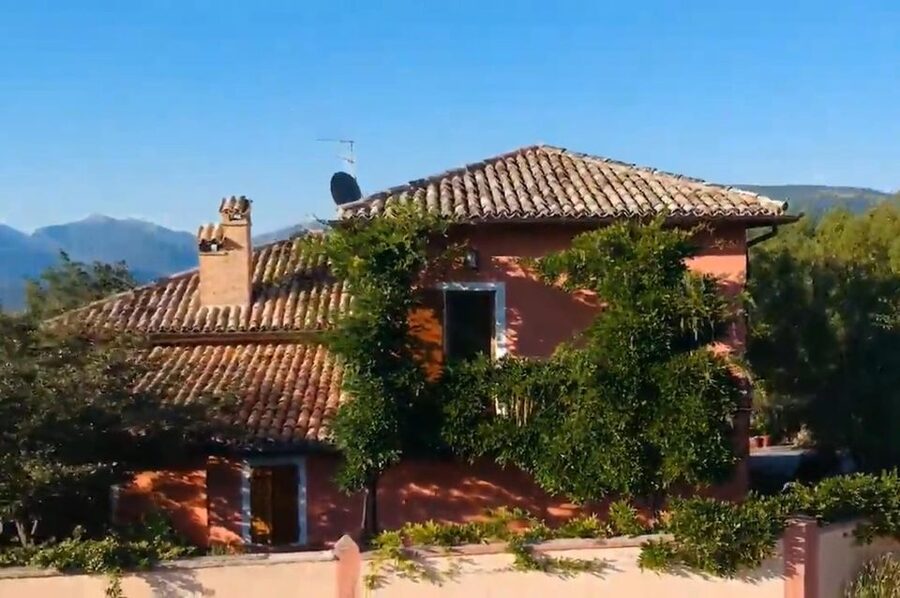
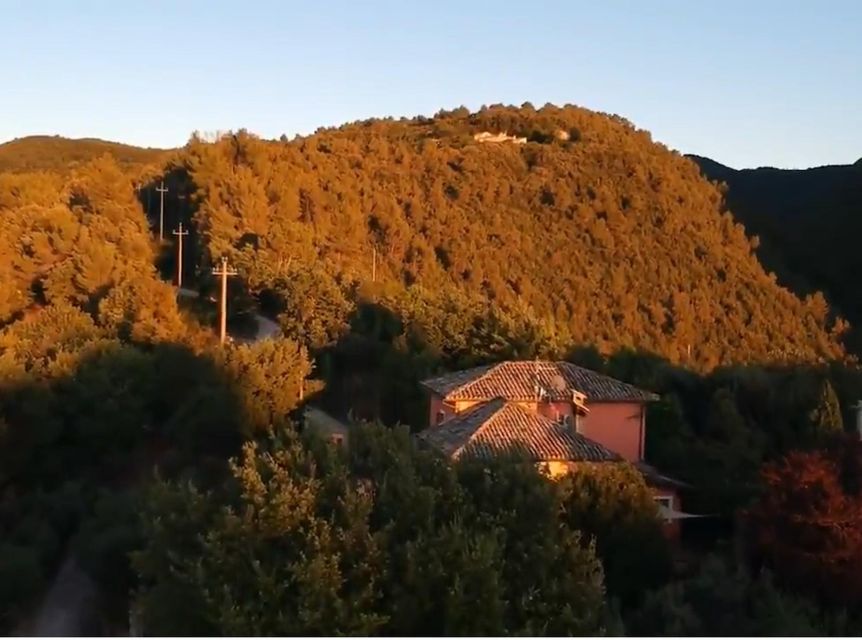
The meeting point is Colleulivo, Località Forcella, 4, 06049 Spoleto PG, Italia. The activity ends back at the meeting point, so you’re not stuck figuring out an unfamiliar end location after lunch.
Why that matters: a cooking class lives or dies by timing. When the start and finish are tied to one location, you waste less time, and you spend more time actually learning. With a 3-hour duration, every minute counts.
Also, you’re in Umbria, the central Italian region known for medieval towns like Assisi, Perugia, Gubbio, Spoleto, and Orvieto. This class doesn’t force a sightseeing schedule, but it gives you a strong reason to want to explore after your pasta lesson—because now you’ll recognize what you tasted as part of the local food culture.
Inside the hostess home: the vibe that makes lessons stick
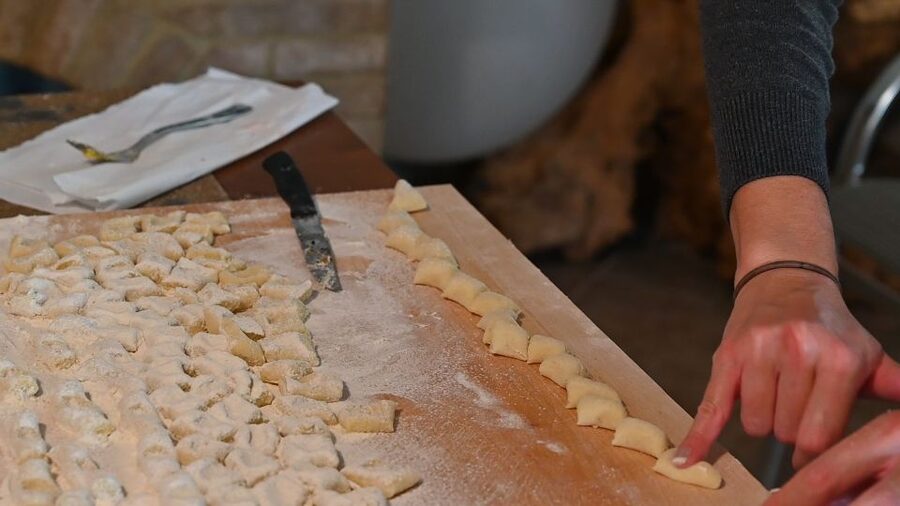
You’ll be welcomed into the hostess home. The experience is designed for conversation as much as cooking. In the strongest moments of the day, you’re chatting while you work, not sitting silently waiting your turn.
In particular, the instruction style stands out. The host is described as friendly, warm, and teacher-like—often compared to an Italian Nonna vibe—so don’t expect stiff, classroom energy. Expect clear steps, encouragement, and small corrections as you handle the dough.
One bonus that isn’t always guaranteed in cooking classes: a follow-up with recipes. In prior feedback, the host (Paola) has shared recipes afterward via WhatsApp. That can be a big deal when you’re trying to remember the order of steps or tweak a filling once you’re home.
The hands-on pasta lesson: tagliatelle and ravioli, step by step
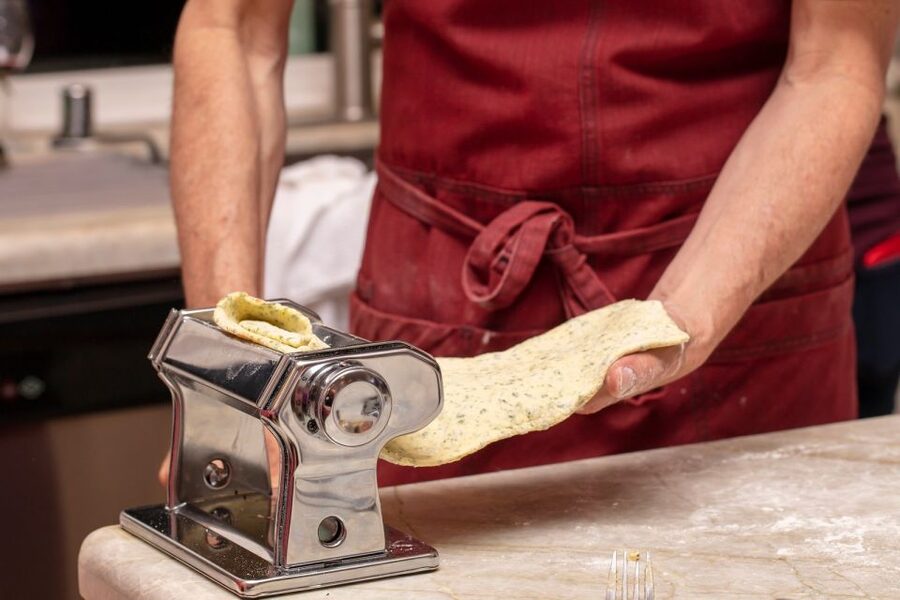
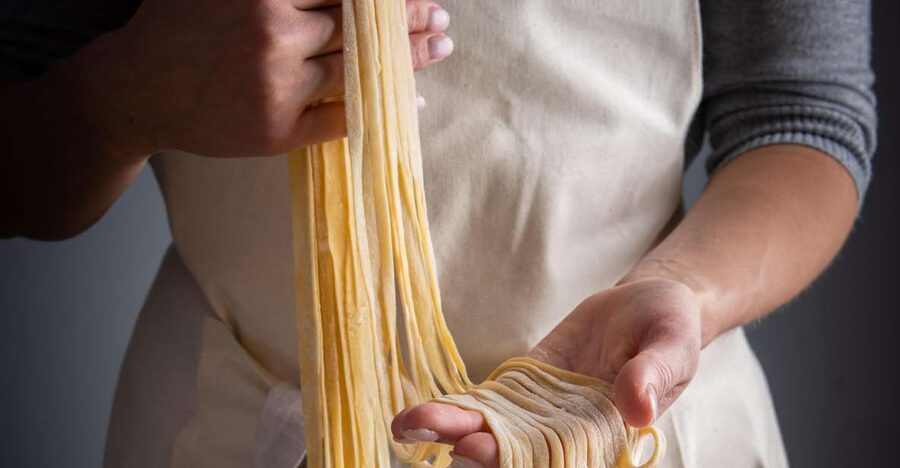
The class is built around working with flour and eggs to make pasta fresca. You’ll practice the parts that matter, so you don’t just learn the name of a dish—you learn the technique.
Here’s the workflow you should expect during the lesson:
- Mix and make the dough: starting with flour and eggs
- Knead and cut: you’ll work the dough and learn how it changes under your hands
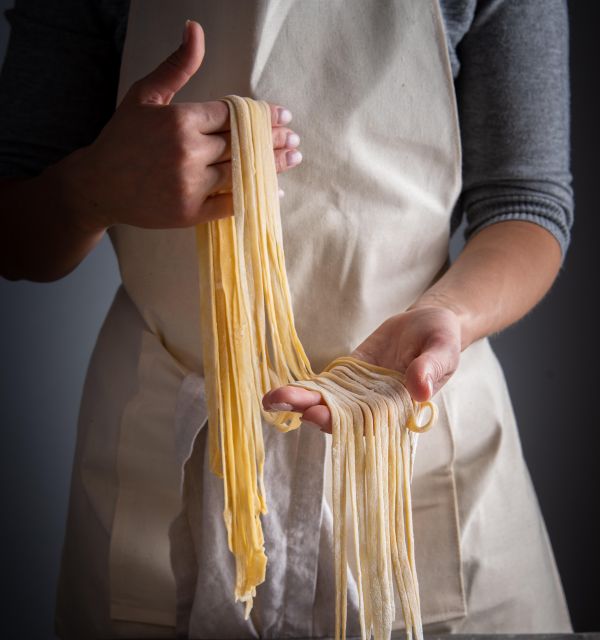
- Form tagliatelle: you’ll roll and cut into tagliatelle
- Roll and fill ravioli: you’ll learn how to portion and fill ravioli
The value here is that you learn multiple stages. Dough consistency, thickness when rolling, and how filling gets handled are usually the parts home cooks struggle with later. By practicing them in a guided way, you reduce the guesswork for your next dinner party.
Small-group size also helps. With up to six participants, you’re more likely to get direct help when your dough feels too sticky or your shaping needs adjustment. That kind of real-time correction turns a fun activity into a skill.
What you’ll eat: Umbrian family-style lunch with wine
After the cooking work, you sit down and eat what you made—plus more courses that reflect a typical Italian family meal.
The traditional menu (as served)
You can expect something in this structure:
- Appetizer with assorted crostini, including sausage and stracchino cheese
- One or two dishes of fresh pasta (made during the class)
- Second course of chicken, pork, or fish, with a side dish
- Dessert described as a spoon dessert
Why this meal design is smart: it mirrors how Italians often structure lunch or dinner—start savory, then pasta, then a main with a side, then something sweet that’s easy to enjoy slowly.
The wine and toast moment
Beverages are included, and local wine is part of the meal. You’ll toast and enjoy wine with the later courses, including during the second course and also with dessert pairing.
That’s more than a nice add-on. Wine changes the way you experience food in Italy because it helps you slow down and taste across courses. If you’re the type who wants the full rhythm of a meal, this is built for you.
Options if you just want the meal (no pasta practice)
There’s also an option to enjoy only the meal. If your main goal is to eat well with regional wine but you’re not interested in dough work, this can be a good fit.
I’d still recommend checking what’s included for the meal-only option when you book, because cooking classes can differ in how much of the course experience you get without the hands-on portion. With this one, the core meal structure is clear, but confirm the exact timing for your chosen option.
Dietary needs: plan ahead so you enjoy the whole meal
Dietary requirements are something you should advise in advance. The experience specifically asks you to share dietary needs ahead of time, which is the right approach for a home setting—especially when the menu includes pasta dough, cheeses (like stracchino), and a choice of second courses.
If you’re vegetarian, have allergies, or avoid certain ingredients, tell the organizer early. You’ll avoid the uncomfortable moment where you’re forced to choose only one portion of the menu.
Price and value: what you’re really paying for
At $123.48 per person for a 3-hour experience, this isn’t the cheapest way to eat in Umbria. But it’s also not priced like a generic restaurant meal.
Here’s the value breakdown based on what’s included:
- hands-on cooking instruction
- beverages and bottled water
- lunch with three courses
- local wine
- recipes to take home
You’re paying for a host’s time, a guided skill session, the ingredients, and the full meal experience. In other words, it’s not just lunch—it’s lunch plus training. If you want to leave with pasta-making know-how and a meal that matches what you learned, the price starts to make sense.
If you’re only after a quick taste of Italian food, you may find cheaper options. But if you want one guided day that upgrades your cooking at home, this is a fair value for the time and inclusions.
Who this pasta class suits best
This class is a strong match if you:
- love food experiences that are hands-on, not just watching
- want a small-group setting where you can ask questions
- enjoy Umbrian flavors and want the meal culture behind them
- want a practical souvenir: recipes plus techniques
It’s also a nice option if you travel with a partner or a friend and you want a shared activity that still ends in a long, satisfying sit-down meal.
If you dislike structured activities or you’re looking for lots of sightseeing time, remember it’s only 3 hours and centered on cooking and eating at one home base.
Practical tips to get the most out of your 3 hours
A few small things can make this smoother:
- Wear clothes you’re comfortable getting dough on. You’ll be kneading and shaping.
- If you’re sensitive to gluten-related issues or have allergies, send dietary notes early.
- Ask questions while you’re working. The best learning comes when you compare what you see with what you feel in the dough.
And if Paola is your host, take advantage of that friendly rapport. In prior feedback, she’s known for sharing tips on local places to visit after the class—useful if you want to connect what you tasted with what you’ll see around Spoleto.
Should you book this Spoleto pasta class?
I’d book it if you want a day in Umbria that mixes skill-building with a real, sit-down meal. The small group format, the fresh pasta techniques (tagliatelle and ravioli), and the three-course lunch with local wine are a strong combination for the price.
Skip it if you’re short on time, you hate hands-on cooking, or you’re only looking for scenery and don’t care about learning how Italian dough and fillings work.
FAQ
FAQ
How long is the cooking class?
It lasts 3 hours.
How many people are in the group?
It’s a small group limited to 6 participants.
Where does the experience start?
The meeting point is Colleulivo, Località Forcella, 4, 06049 Spoleto PG, Italia.
What’s included in the price?
You get the hands-on cooking class, beverages and bottled water, a 3-course lunch, local wine, and recipes.
Will I eat the food I help make?
Yes. You sit down at the table to enjoy the fruits of your labor.
Is there wine included?
Yes. Local wine is included with the meal.
What language will the host speak?
The host or greeter speaks English and Italian.
Can I choose to attend only the meal?
Yes, there’s an option to enjoy only the meal.
What if I have dietary requirements?
You should advise dietary requirements in advance when booking.
Is the activity wheelchair accessible?
Yes, it is wheelchair accessible.