REVIEW · MILAN
Cesarine: Cooking Class with tasting at Local’s Home in Milan
Book on Viator →Operated by Cesarine: Cooking Class · Bookable on Viator
Dinner starts in a Milan home kitchen. This private cooking class with a Cesarine turns a few hours into real food skills, from hands-on prep to a sit-down tasting. I love the local-host feel and the fact you cook and eat the meal, not just watch it happen.
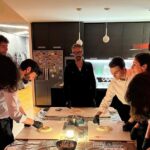
The one thing to consider is that it’s in a real home kitchen, so the setup isn’t built like a big cooking studio. If you’re sensitive about tight space, you’ll want to plan for a bit of crowding around the work area during active cooking time.
In This Review
- Key highlights you should care about
- Why this Milan cooking class feels personal
- From Le Cesarine to a full meal: how the 3 hours flow
- What you’ll make: starter, main, and dessert from scratch
- Wine with your food: tasting without the museum pace
- Meet your host in real home life (Fabio, Beatrice, Sandra)
- Getting there and getting the most out of it
- Price check: is $174.61 worth a private class meal?
- Who should book this, and who might prefer something else
- Should you book Cesarine: Cooking Class with tasting at Local’s Home in Milan?
Key highlights you should care about
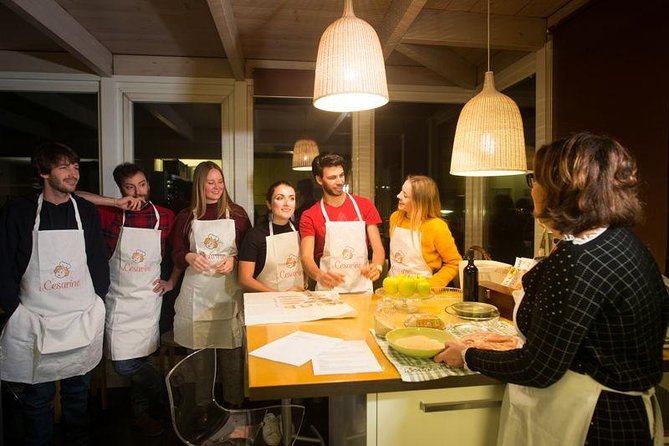
- Private class, only your group for a more relaxed pace and more direct help
- Three dishes from start to finish using seasonal, local ingredients
- Wine pairing at the table so the meal is part of the experience, not an afterthought
- English instruction so you can actually follow what’s happening and why
- Cesarine hosts with strong hospitality you might meet chefs like Fabio, Beatrice, or Sandra
- Home-safety rules are built in with sanitizer and guidance on distance and masks if needed
Why this Milan cooking class feels personal
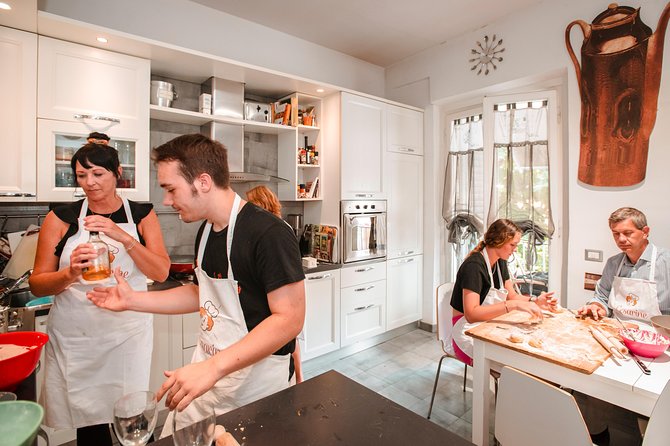
Milan can be fast and famous. This is slower and more human.
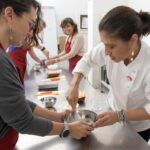
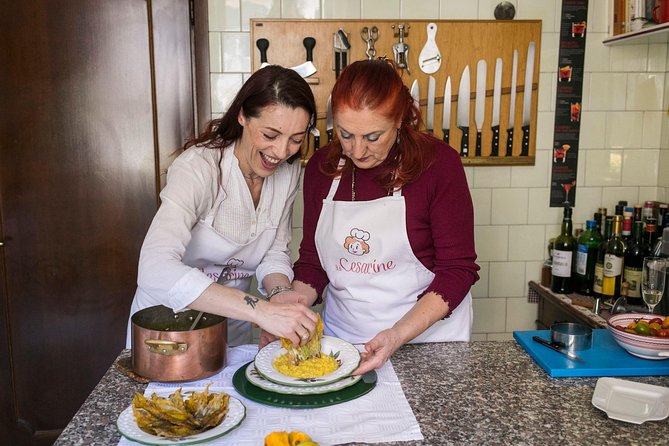
You’re invited into a Cesarine’s home to learn Italian cooking for real. Not in a classroom vibe, but in the practical way a family cooks: ingredients first, technique second, and tasting throughout the process.
I also like that this experience is set up as private. When it’s just your group, the host can adjust pace and explanations, and you can ask the annoying questions (like why a sauce acts a certain way) without worrying about holding up a larger crowd.
You can also read our reviews of more tours and experiences in Milan.


From Le Cesarine to a full meal: how the 3 hours flow
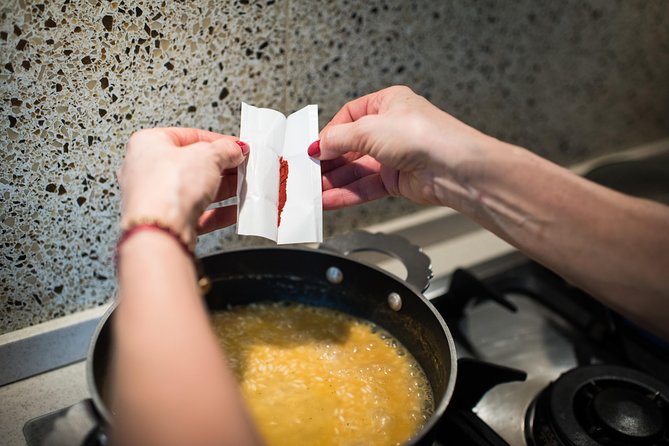
Plan on about 3 hours total, and it moves in a sensible rhythm: prep, cook, then sit down and eat.
It starts in Milan at the Cesarine meeting point (near public transportation), and the activity ends back at that same meeting point. That matters because you’re not spending your energy figuring out a second location while you’re hungry.
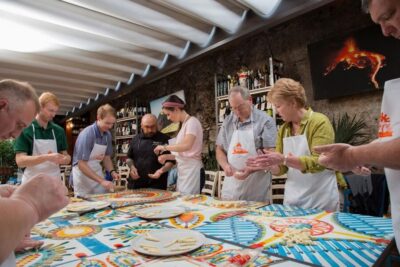
You’ll work through a starter, a main, and a dessert. The best part is you don’t just assemble plates at the end. You learn the sequence behind the dishes, so when you go home, you’re not stuck copying a single recipe card.
Also, this is offered in English. That makes a difference because cooking terms and “how to tell” cues (texture, thickness, doneness) are easier to grasp when you can follow the explanation clearly.
What you’ll make: starter, main, and dessert from scratch
The menu varies with the day, but the format is consistent: three traditional dishes made from start to finish.
For the starter, expect a seasonal starter that uses what’s available locally. That seasonal focus is one of the quiet advantages here. It nudges you to think less about imported, fancy ingredients and more about what actually makes Italian food taste like Italian food.
For the main course, you’ll choose from options like:
- Pizzoccheri
- Risotto
- Lasagna
Each of those teaches different cooking logic. Risotto rewards attention and timing. Lasagna rewards layering and patience. Pizzoccheri teaches you how to balance hearty ingredients into something comforting and cohesive.
Dessert is a choice too, with options like:
- Sbrisolona cake
- Tiramisu
- or a similar typical dessert
One of the standout impressions from the experience is how memorable dessert can get when you make it yourself. Hosts have been especially praised for tiramisu results, and that’s the kind of skill that travels well. Even if you’re not a big baker, learning the core method makes it easier to nail at home.
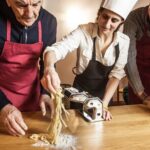
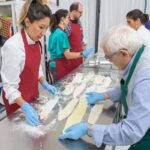
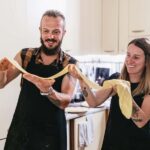
And depending on what your host decides for that day, you may get the chance to work with fresh pasta techniques. Some classes have included making fresh pasta by hand and working with fillings such as spinach and ricotta—so if you want hands-on pasta experience, this is the right category of class to look for.
Wine with your food: tasting without the museum pace
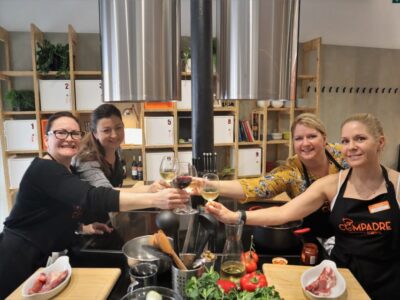
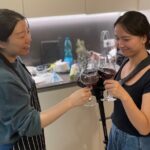
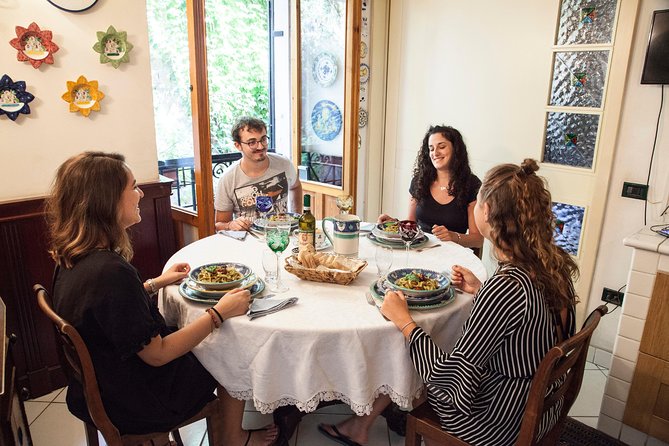
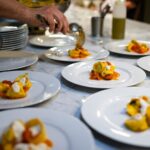
The meal isn’t an add-on. You sit down to taste what you made, paired with local wines.
That pairing is a smart touch because it helps you understand the dish as an ingredient-and-season combination, not just a recipe. Wine also gives you a natural pause to slow down, ask questions, and see how your food changes once it’s on the plate and not still steaming in the pan.
Some hosts also include an aperitif step before the main cooking ramps up. If your host does, it’s a nice way to start the evening with a relaxed, social tone.
And yes, the “eat together” part is real hospitality. In classes with hosts like Fabio, the evening has included shared travel stories alongside the cooking. That’s often what makes a private class feel like an experience, not a transaction.
Meet your host in real home life (Fabio, Beatrice, Sandra)
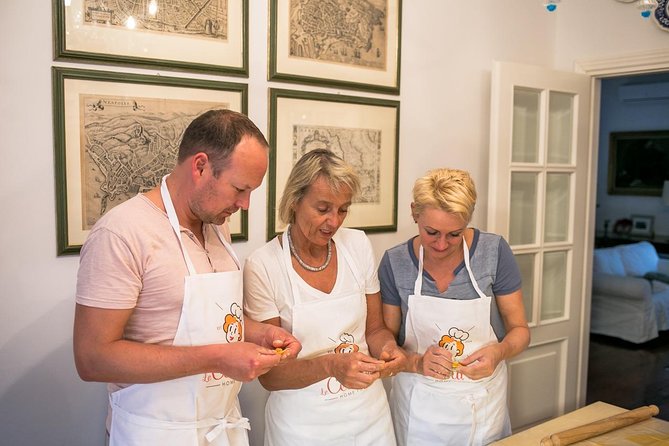
The Cesarine program works because the host is the engine of the night.
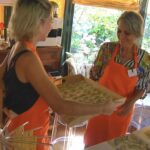
In the best cases, the host brings both technique and warmth. Some groups have been hosted by people like Fabio and Nicoletto, with a lot of attention to making time for conversation and showing practical methods for pasta and sauces. Others have had classes with Beatrice, praised for using seasonal local ingredients and explaining flour types and how they behave. And some have had Sandra, remembered for making cooking fun and for adding thoughtful local guidance beyond the kitchen.
That extra guidance can be genuinely useful. One example from a class: a host suggested a day trip to Desenzano del Garda. Even if you’re only in Milan for a few days, those local suggestions can help you build an itinerary that’s based on what locals actually do.
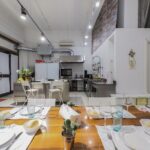
Home-based also comes with one extra advantage: you often get a clearer picture of how everyday Italian cooking works. You learn what matters in the moment—texture, timing, the reason behind a step—because the host is cooking in a home rhythm, not performing in a studio script.
One more practical note: health and safety are part of the experience setup. The homes provide basic sanitation items like paper towels and hand sanitizer, and there are instructions about maintaining distance and using masks and gloves if needed.

Getting there and getting the most out of it
This class is near public transportation, and it uses a mobile ticket. That’s handy in Milan, where you’ll likely be walking between sights anyway.
Because it’s private and about three hours long, it’s also a good “anchor” activity. Put it on a day when you’re not trying to stack three museums and a cathedral tour. You’ll want time before and after to process the meal and enjoy the rest of your evening.
To get the most from the class, go in with a small mindset shift: you’re not shopping for ingredients, you’re learning kitchen decisions. Ask how to tell when something is ready. Ask what changes if you swap ingredients. Those details are what make cooking skills stick long after the meal is finished.
Also, pick your questions ahead of time. If you’re curious about risotto texture, the main differences you notice in class will matter. If you want tiramisu success, focus on cream consistency and layering. If you’re interested in pasta, pay attention to how the dough is handled and how thin or thick it should be.
Price check: is $174.61 worth a private class meal?
Let’s talk value, not just cost.
At about $174.61 per person for roughly three hours, you’re paying for several things at once:
- a private host (not a group lesson with limited attention)
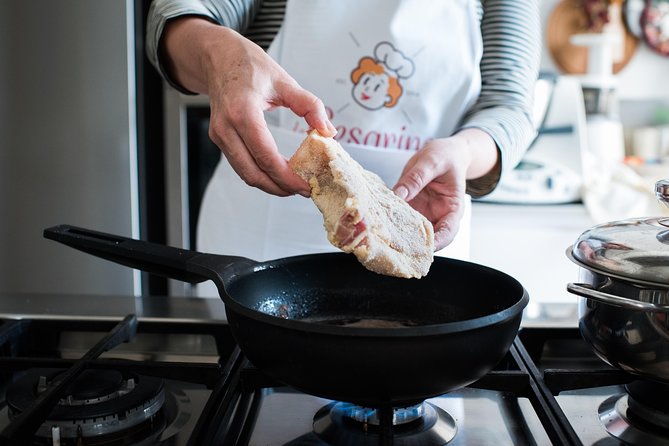
- hands-on cooking where you prepare three dishes
- sit-down tasting with local wine
- instruction in English, so you can actually follow technique cues
If you’ve done cooking classes before, you know some are more like watching and sampling. This one is structured around making the meal and eating it. That pushes it closer to a full experience than a short workshop.
You’re also paying for the home setting, which is part of the point. A Cesarine kitchen is not just a location. It’s part of the atmosphere, and it’s where you learn the practical workflow of cooking Italian food day to day.
Could it be pricey if you’re only a casual interest cook? Yes. If you just want food without learning, you could eat well in Milan for less. But if you want a skill you’ll use at home—especially if you enjoy pasta and classic desserts—this pricing can make sense fast.
Who should book this, and who might prefer something else
Book this if:
- you want a real, hands-on meal experience in Milan
- you like private attention and a slower pace than typical tours
- you want to learn Italian cooking basics you can reproduce later
- you’re comfortable with a home-kitchen setting and close contact during active cooking
It might be less ideal if:
- you dislike small spaces and want a big, studio-style classroom layout
- you prefer only “food sightseeing” and not skill-building
- you’re expecting a large group party atmosphere (this is private and home-focused)
This is also a solid pick for couples and small groups. Private classes usually translate into better conversations with the host and more chance to get technique questions answered.
Should you book Cesarine: Cooking Class with tasting at Local’s Home in Milan?
If you want a Milan experience that feels like you’re part of someone’s evening—not just passing through—this is a strong choice. The combo of three dishes, wine pairing, and a private host is exactly the kind of value that makes a short trip feel bigger.
I’d book it if you care about learning how Italian dishes are put together and you like the idea of eating what you cook. Skip it only if you’re mainly looking for big sights and minimal hands-on work.