REVIEW · BUDAPEST
Premium Hungarian Home Cooking Class with Chef Marti
Book on GetYourGuide →Operated by Cooking Hungary - Culinary Experiences · Bookable on GetYourGuide
Budapest tastes better when you cook it. This hands-on Hungarian home class in a central flat turns recipes into a real evening of food and stories. I love the fact that you’re actively making the dishes, not just watching. I also love the 3-course payoff, with wine and palinka flowing while you learn. One consideration: it’s not designed for people with mobility impairments and it involves standing and working in a home kitchen.
This course is run by Cooking Hungary’s host/chef Marti in a cosy studio apartment, with a small group capped at 8. You get English guidance, English recipes, all the ingredients and equipment, plus plenty of Hungarian context about everyday life and food customs. By the end, you’re sitting down to the meal you helped create, with the kitchen still smelling like onions, paprika, and home cooking.
If you like your travel experiences practical—something you can repeat later at home—this is a great fit. You’ll get useful kitchen tips, not just a list of what to eat in Budapest. And yes, the setting matters: the class happens in a real flat, so the whole experience feels like being welcomed into someone’s routine.
In This Review
- Key highlights you’ll actually care about
- Where you cook in Budapest matters more than you think
- Finding the place
- The 4-hour flow: soup, main, dessert, and why that’s a smart format
- How you’ll spend your time
- The extra bite course during cooking
- Chef Marti’s approach: more hands, more stories, less fuss
- The cultural layer is practical, not performative
- Drinks included: palinka and wine without making it awkward
- The 3-course meal: your work becomes your dinner
- What to look for when you taste
- Recipes and kitchen tips you can take home
- Price and value: what $128 buys in a home-kitchen setting
- Who this Budapest cooking class suits best
- Group energy
- Practical tips before you go (so you enjoy the class more)
- Should you book this Cooking Hungary class?
- FAQ
- FAQ
- What is the duration of the cooking class?
- Where does the class take place?
- How many people are in the group?
- What’s included in the price?
- Is hotel pickup included?
- Do I need to bring anything?
- Is the class offered in English?
- Is it suitable for children?
- Is it accessible for people with mobility impairments?
- How do I find the meeting point?
Key highlights you’ll actually care about
- Small-group coaching (up to 8) so questions don’t get lost in the shuffle
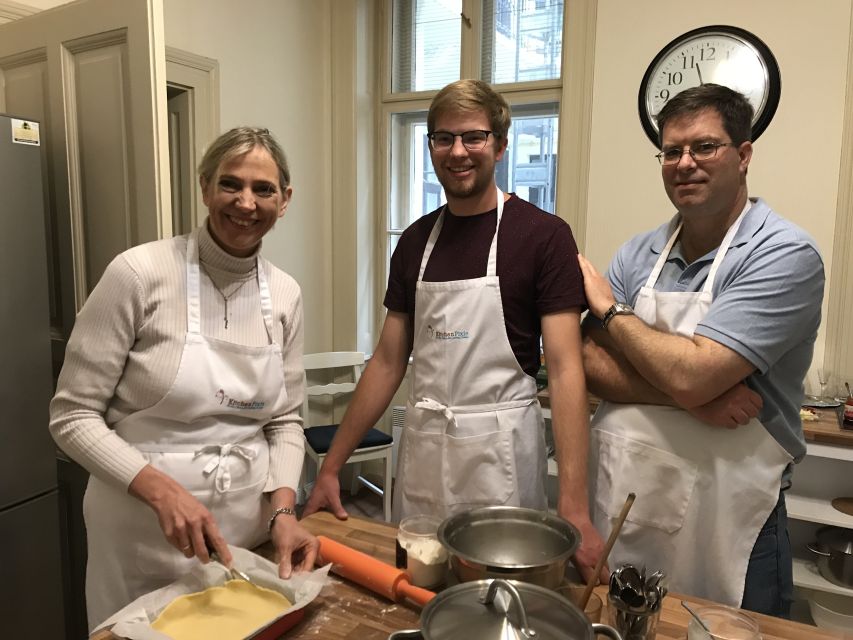
- A true hands-on lesson where you help prepare the soup, main, and dessert
- Hungarian drinks included: welcome palinka, Hungarian wine, mineral water, homemade soft drinks, and coffee
- English recipes and tips so you can cook it again without guessing
- Central Budapest apartment setting that feels personal and relaxed
Where you cook in Budapest matters more than you think
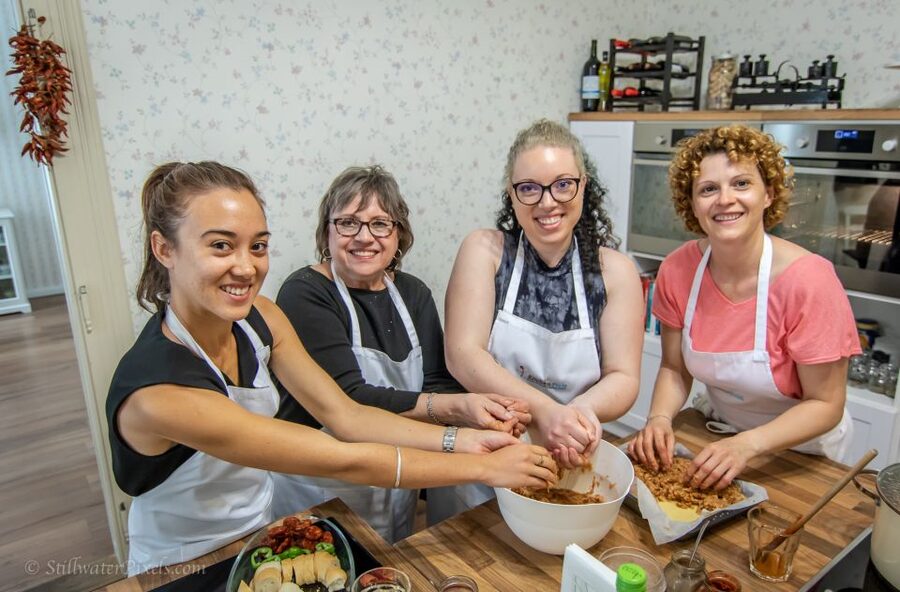
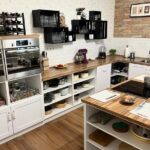
The biggest difference here is the venue. This class takes place in the host’s private, cosy studio apartment in central Budapest, not a big classroom. That home-kitchen feel changes the whole vibe. You’re surrounded by what Hungarians would recognize as a normal cooking space: real pots, real prep stations, and the kind of kitchen chatter that comes from working together.
It’s also a practical win. Since the apartment is in the center, you’re not spending half your half-day wrangling buses or waiting for pickups. You’ll simply show up, get pointed into the right room, and start cooking.
You can also read our reviews of more tours and experiences in Budapest.

Finding the place
You’ll meet at the home kitchen studio. When you arrive, ring doorbell 17 so the local partner knows you’re there. If you’re the kind of traveler who likes to arrive early and calm down before the activity, do it—Hungarian apartment entries can be a little easier when you’re not rushing.
The 4-hour flow: soup, main, dessert, and why that’s a smart format
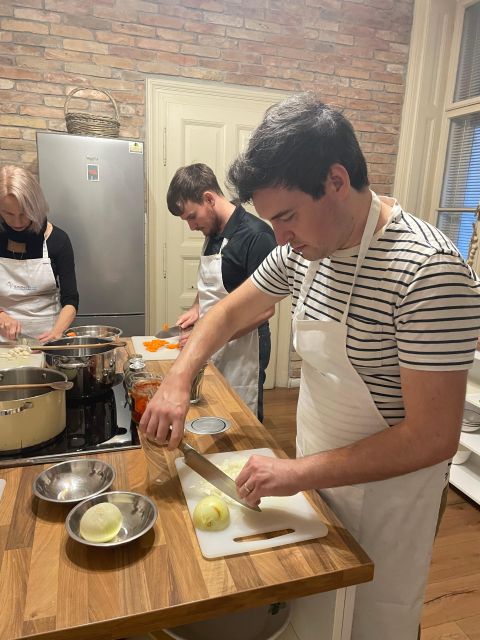
The class runs for 4 hours, and the structure is built around making a complete 3-course meal. That matters because it keeps you engaged from start to finish. You won’t wonder, What am I doing this for? after the first hour. Instead, you’ll see how the cooking builds—ingredient choices for soup affect what you taste next, and technique for the main helps you nail the final course.
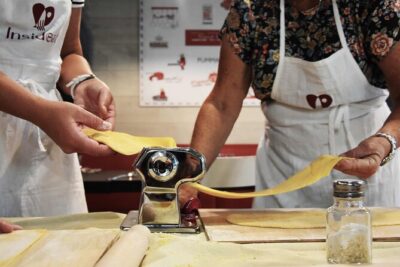
While the exact dishes aren’t spelled out here, the experience is clearly Hungarian home cooking: traditional recipes, hands-on prep, and chef-led technique. Expect a mix of tasks that let different people participate—chopping, preparing ingredients, cooking components, and finishing the dishes.
How you’ll spend your time
You start in the kitchen with the chef’s instructions, then move into cooking right away. As you work, you also get “on-the-job” kitchen tips—small changes that make a difference in flavor and texture. These are the kinds of details that usually don’t show up in food writing, like how to pace steps so everything finishes together.
Later, you sit down to the 3-course meal you prepared. That final sitting matters, because it turns “learning” into “a shared dinner.” You get the satisfaction of tasting what you made while the chef can explain what you did well and what to tweak next time.
The extra bite course during cooking
You also get a course of Hungarian bites during the cooking itself. This is a nice pacing tool. Rather than feeling like you’re starving until the end, you get small tastes while you work—so the session stays comfortable and fun.
Chef Marti’s approach: more hands, more stories, less fuss
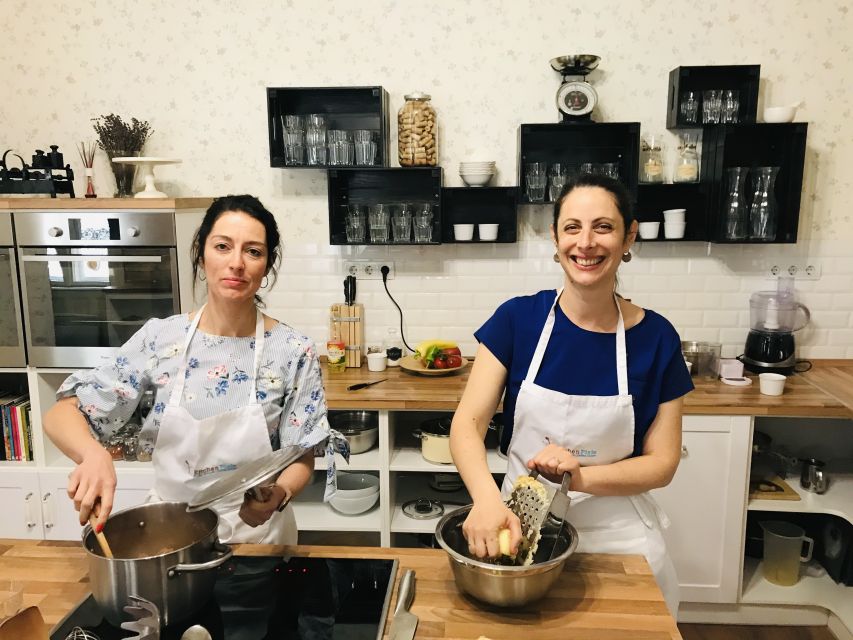
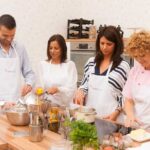
Chef Marti runs the class in English and keeps the group moving. The tone from prior participants is consistent: people feel welcomed, brought into the process quickly, and guided with clear, practical cooking instruction. The kitchen stays active—someone chopping, someone preparing meat or dough, pots bubbling—so you’re not stuck watching other people do the hard part.
What I like about this teaching style is that it respects your time. You’re not waiting around for a lecture. You’re learning by doing, with the chef correcting technique as you go. That’s how you pick up real skills rather than memorizing steps you can’t repeat.
The cultural layer is practical, not performative
This course doesn’t treat food customs like trivia cards. You’ll hear about Hungarian customs and everyday life as part of the cooking. That matters because it explains why certain ingredients, flavors, and meal rhythms exist. In other words, you learn what to do and also why Hungarians might cook that way at home.
This is also where the apartment setting helps. In a home kitchen, stories feel like they belong. You’re not listening while trapped under studio lighting. You’re listening while bread dough or sauce does its slow work.
Drinks included: palinka and wine without making it awkward
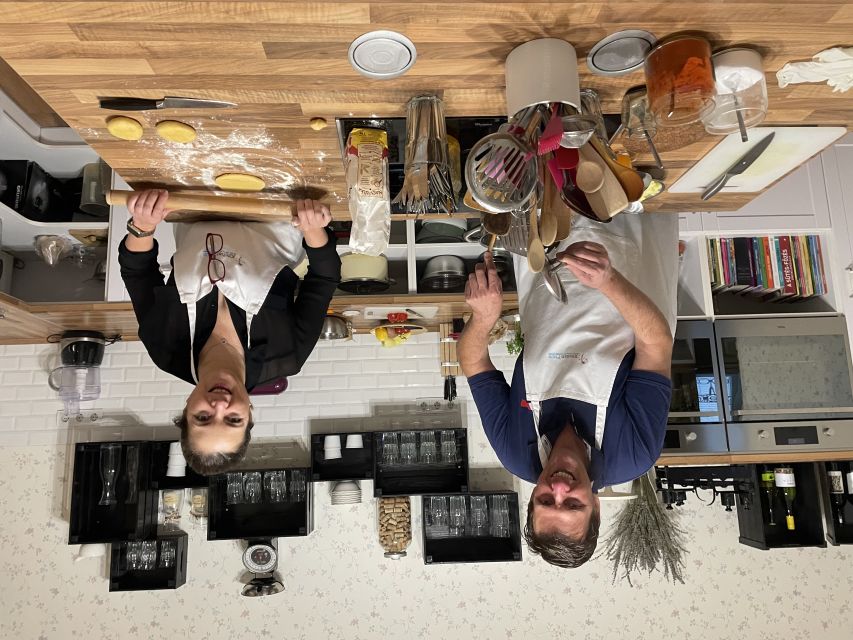
Hungarian food classes can sometimes turn into a “sip and hope” experience. This one is different because the drinks are integrated into the cooking. You begin with a palinka welcome drink, plus 2 dl Hungarian wine, mineral water, homemade soft drinks, and a coffee.
That setup does two things for you:
1) It keeps the mood relaxed while you’re learning.
2) It makes the meal feel like a real dinner, not a cooking demo.
The class also includes the chef’s guidance plus a lot of conversation, so you’re never left wondering what to do next. The drink list is part of that structure. Coffee at the end is also a smart touch—it finishes the meal cleanly.
The 3-course meal: your work becomes your dinner
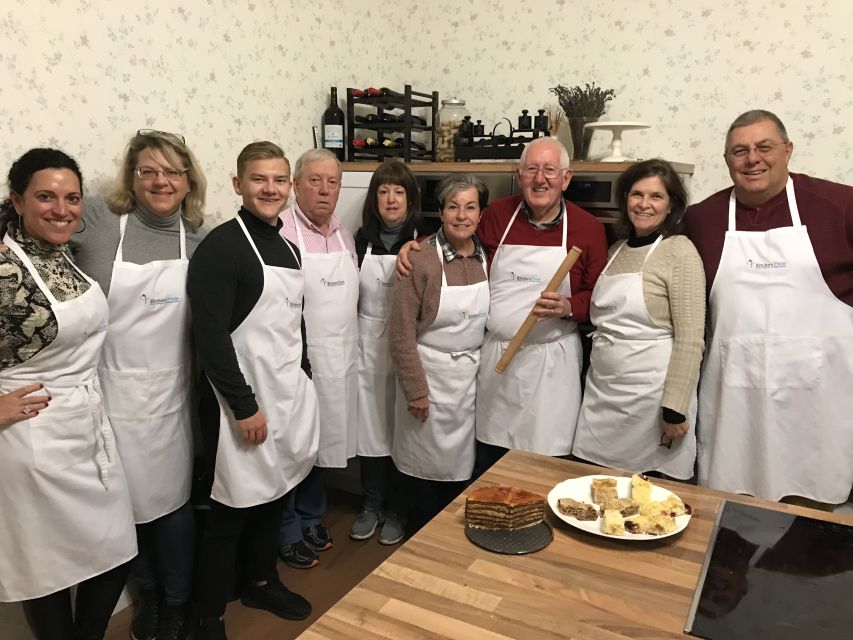
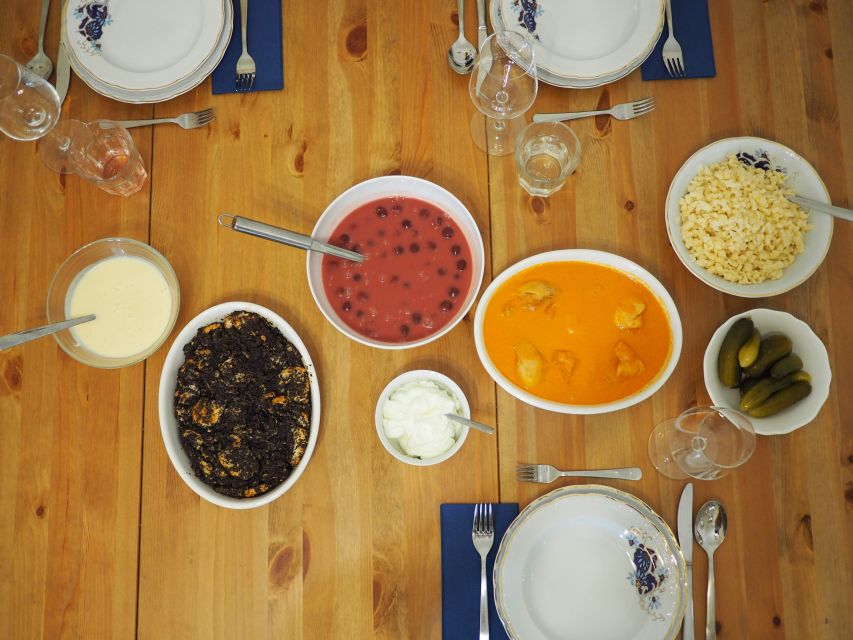
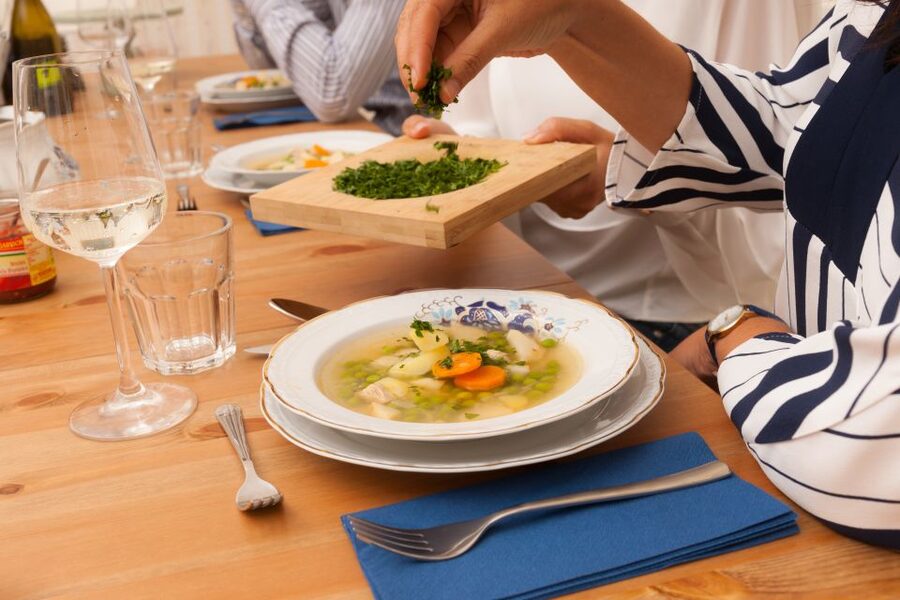
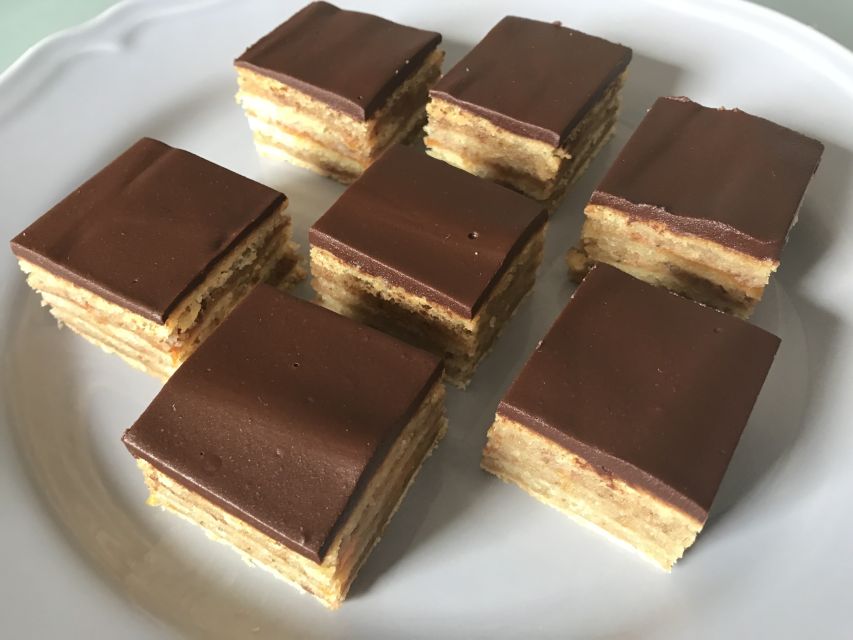
The payoff is straightforward: after the cooking, you eat a delicious 3-course Hungarian menu—soup, main course, and dessert. You’re not only tasting; you’re also learning how each course fits together in the meal.
What to look for when you taste
When you sit down, pay attention to:
- the balance of flavors in the soup (it sets the tone)
- how the main course is seasoned and finished
- how the dessert lands at the end (comfort, not overthinking)
Even if you don’t cook again right away at home, you’ll come away with a sense of what Hungarian home cooking feels like on a plate: warm, filling, and built for real hunger.
Recipes and kitchen tips you can take home
You get recipes in English and useful kitchen tips. That’s huge for value. A lot of “food experiences” give you a vague memory and a photo. This one gives you something more useful: a way to recreate the dishes and understand the technique behind them.
Price and value: what $128 buys in a home-kitchen setting
At $128 per person for a 4-hour class, you’re paying for more than ingredients. You’re paying for:
- chef instruction in a small group (max 8)
- all ingredients and kitchen equipment
- the full meal (3 courses)
- included drinks (palinka, wine, coffee, and more)
- English recipes and guidance
So the real value question isn’t only cost. It’s efficiency: you’re getting a complete dinner experience plus a practical cooking lesson in one block of time. If you’re visiting Budapest and want one memorable, cultural activity that doesn’t waste your day, this format is hard to beat.
Also, the location helps justify the price. Central Budapest access saves time and hassle, and the class happens in a private apartment rather than a high-rent commercial space.
Who this Budapest cooking class suits best
This experience is a strong match if you:
- enjoy hands-on learning and want to do the prep yourself
- want Hungarian food and culture in a personal setting
- like small-group activities where conversation is easy
- prefer English instruction and English recipes
It’s less ideal if you’re traveling with children under 10, because it’s not suitable for that age range. It’s also not designed for people with mobility impairments, since it’s a home kitchen and you’ll likely be standing and moving around the work area.
Group energy
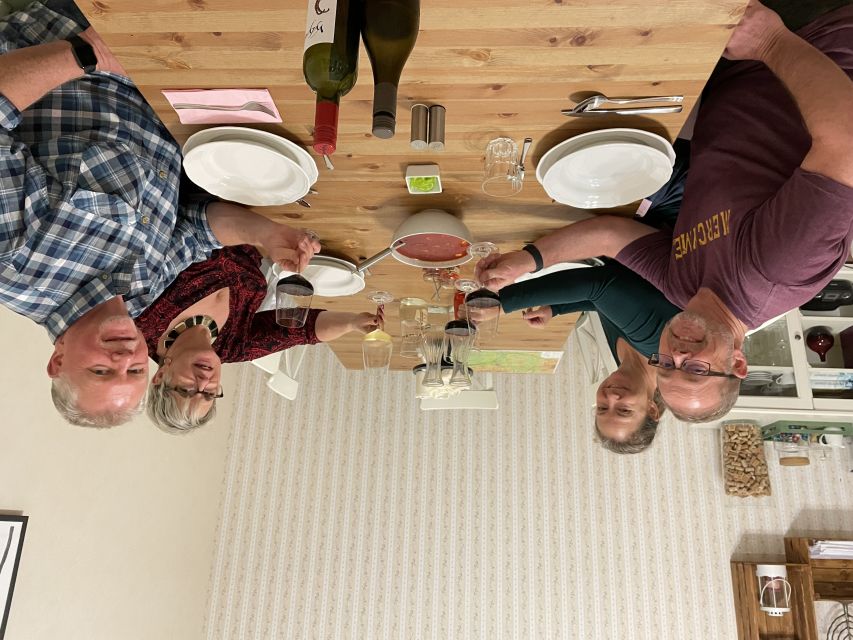
Because the group is small, you’ll have a better chance of bonding with the chef and other participants. Prior experiences also suggest the chef engages everyone quickly, so even if you’re not a confident cook, you shouldn’t feel left behind.
Practical tips before you go (so you enjoy the class more)
- Wear comfortable shoes. You’ll be on your feet in a kitchen environment.
- Come with a realistic mindset: you’re cooking, not just observing.
- If you’re sensitive to strong scents from cooking, remember this is a real kitchen. Onion and paprika smell is part of the experience.
- Plan your day so you’re not racing out right after. You’ll need a little time to settle back into normal travel mode after eating your own 3-course meal.
And yes, ring doorbell 17 when you arrive. It’s one of those tiny details that makes the whole thing smoother.
Should you book this Cooking Hungary class?
I’d book it if you want a Budapest activity that’s:
- hands-on and practical
- cultural without feeling like homework
- small-group and personal
- anchored by a real meal you helped make
Skip it if you need a wheelchair-friendly setup, or if you’re looking for a quick tasting tour rather than a full lesson. Also, if you hate kitchen smells or don’t like standing for a few hours, consider other food experiences.
Otherwise, this is one of those rare travel deals where the time you spend actually comes back with something tangible. You leave with a fuller understanding of Hungarian cooking, English recipes you can use, and the kind of dinner satisfaction you don’t get from just eating out.
FAQ
FAQ
What is the duration of the cooking class?
The experience lasts 4 hours.
Where does the class take place?
It’s held in the host’s home apartment (a kitchen studio) in central Budapest.
How many people are in the group?
The class is a small group limited to 8 participants.
What’s included in the price?
The class includes a 3-course Hungarian menu (soup, main course, dessert), bites during cooking, all ingredients and kitchen equipment, chef instructions, recipes in English, and drinks including welcome palinka, Hungarian wine, mineral water, homemade soft drinks, and coffee.
Is hotel pickup included?
No, hotel pickup and drop-off are not included.
Do I need to bring anything?
You should bring comfortable shoes.
Is the class offered in English?
Yes, the host/greeter and the recipes are provided in English.
Is it suitable for children?
It’s not suitable for children under 10 years.
Is it accessible for people with mobility impairments?
No, it’s not suitable for people with mobility impairments.
How do I find the meeting point?
Meet at the home kitchen studio in central Budapest, and ring doorbell 17 when you arrive.