REVIEW · UBUD
From Ubud : Ubud Balinese cooking class with Market tour
Book on Viator →Operated by Wayan Aris · Bookable on Viator
Five hours of spice, market colors, and cooking skills.
What makes this one work is the mix of Ubud market context plus a practical cooking lesson where you actually make food, not just watch it. I especially liked learning how Balinese flavor builds from a spice paste base, and then turning that into a full set of dishes, including fried tempe, Balinese chicken, and vegetable soup. The only real catch is that the food can be quite spicy, and one earlier guest had trouble eating even the non-hot-leaning parts.
You also get a small group capped at 12, plus pickup and drop-off in Ubud center, which keeps the day from turning into logistics. If you’re curious about food culture beyond nasi goreng and want recipes you can follow at home, the PDF recipe pack is a big plus.
In This Review
- Key Things That Make This Cooking Tour Worth Your Time
- Ubud Pickup, Timing, and How the Day Actually Flows
- Morning Market in Tampaksiring: Where Balinese Ingredients Make Sense
- Rice Paddies Stop: Scenic, But Also a Mental Reset
- The Spice Paste Base: The Cooking Skill You’ll Actually Reuse
- Nine Balinese Recipes: What You’ll Make and Why It’s a Good Mix
- Making Canang (Afternoon Class): Small Offering, Big Cultural Meaning
- Lunch at a Balinese House: Eating Your Results Without Pretending You’re a Food Critic
- The PDF Recipe Pack: Your Shortcut to Cooking at Home
- Price and Value: Is $58 a Good Deal for 5 Hours in Ubud?
- Who This Ubud Class Is Best For (And Who Might Want Something Else)
- Tips to Get the Most Out of Your Class
- Should You Book This Balinese Cooking Class with Market Tour?
- FAQ
- How long is the Ubud Balinese cooking class with market tour?
- Is hotel pickup and drop-off included?
- Does the tour include a market visit?
- Is rice paddies included?
- What cooking activities are included?
- Are meals included?
- Is there an offering-making activity?
- Can I request a vegetarian option?
- Will I receive recipes to take home?
Key Things That Make This Cooking Tour Worth Your Time
- Morning market and Tampaksiring village timing (morning class only) to see how ingredients drive the menu
- Rice paddies stop (morning class only) for a quick, scenic reset before you cook
- Nine Balinese recipes hands-on with a spice paste that shows you the logic behind the flavors
- Canang offering-making (afternoon class only) so you understand a key part of everyday Balinese ritual
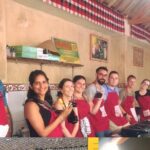
- Small group size (max 12) for more back-and-forth with the cooking teachers
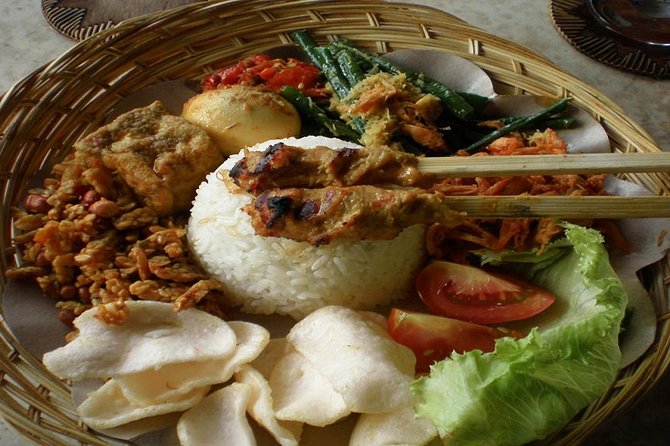
- Buffet lunch at a Balinese house after you’ve cooked, so you get to eat what you made
Ubud Pickup, Timing, and How the Day Actually Flows
This experience is built around a simple rhythm: collect ingredients and inspiration, cook together, then eat the results. You’re picked up from your hotel (pickup is included only for Ubud center), and the drive is part of the day’s texture. If you’re doing the morning option, you’ll start with a local market stop and then head toward rice paddies. If you’re doing the afternoon option, you’ll still cook, but the “cultural activity” slot shifts to making a canang offering.
The tour runs about 5 hours, which is long enough to feel like a real class but short enough that you don’t lose the whole day to traffic. You’ll also get a welcome drink (cold ice tea) and bottled water, so you can stay comfortable during the transitions.
Two practical notes I’d plan for:
- If you’re outside Ubud center, you may need extra transport charges (the tour says drop-off/pickup outside Ubud area costs extra).
- If you’re picky about spice levels, it’s smart to say so early in the class.
You can also read our reviews of more tours and experiences in Ubud.
Morning Market in Tampaksiring: Where Balinese Ingredients Make Sense
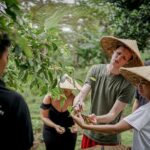
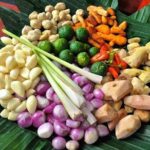
If you book the morning class, the market stop is more than a quick photo break. You’ll visit a traditional market in the Tampaksiring village area, and the point is to connect ingredients to the food you’ll cook later. This is where you start seeing how Balinese dishes depend on more than one “main flavor.” You’ll notice aromatics, fresh produce, and common staples that show up again and again once you’re in the kitchen.
One thing I appreciate about a market start is that it changes the way you pay attention during cooking. When you’ve seen the ingredients sourced locally, your brain stops treating recipes like a list of tasks. You start thinking like a cook: What’s the role of this herb? Why that spice? What texture comes from that ingredient?
Drawback to keep in mind: market time can be busy, and you’ll want comfortable shoes. The good news is you’re not walking around for hours; it’s timed to feed into the cooking portion.
Rice Paddies Stop: Scenic, But Also a Mental Reset
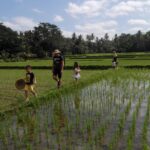
For the morning option, you’ll also visit the rice paddies. This isn’t a side quest for postcard scenery only. It helps break up the day so cooking doesn’t feel like nonstop heat and attention. In practice, after the market, a short scenic stop lets you cool down, rehydrate, and prepare for the hands-on part.
If you’re doing a family trip, this is also a good moment to take a breather. Even kids who get impatient in markets tend to enjoy “watching water and fields” for a few minutes.
The Spice Paste Base: The Cooking Skill You’ll Actually Reuse
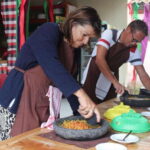
Most cooking classes teach recipes. This one tries to teach the engine behind them. You’ll start by making a Balinese spice paste that acts as the base sauce for multiple dishes. That matters for two reasons:
- It helps you understand why Balinese food tastes layered instead of one-note.
- It turns the class into something portable—you can recreate the paste and then use it in your own cooking.
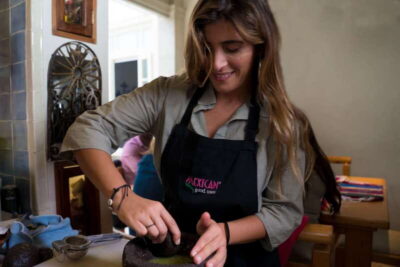
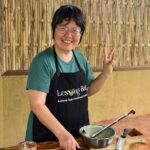
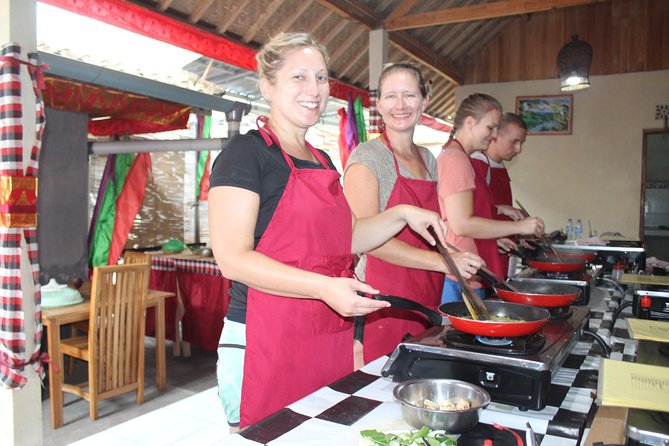
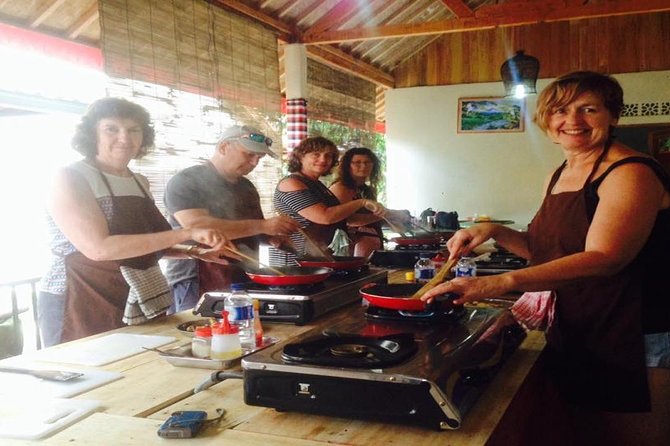
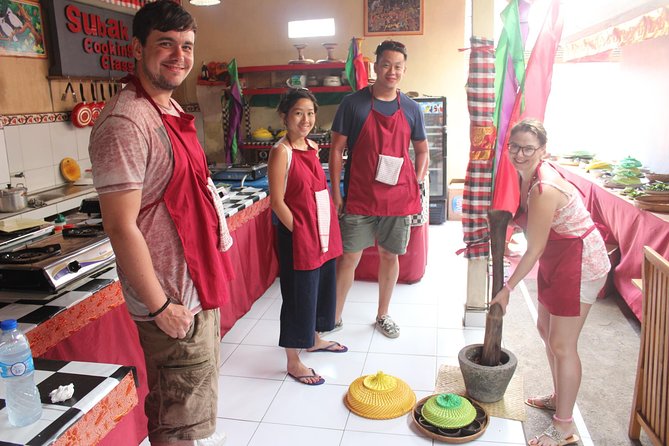
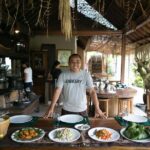
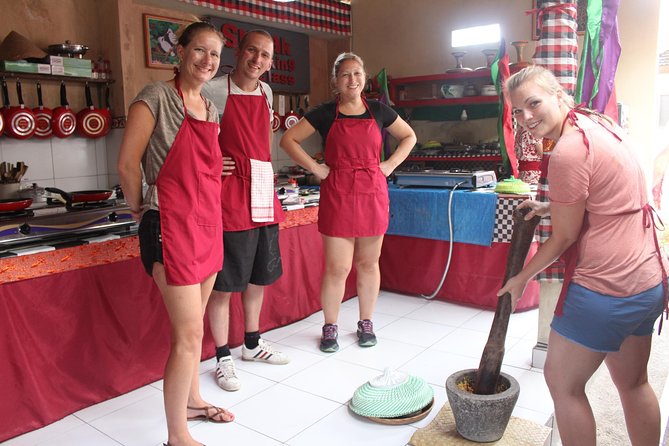
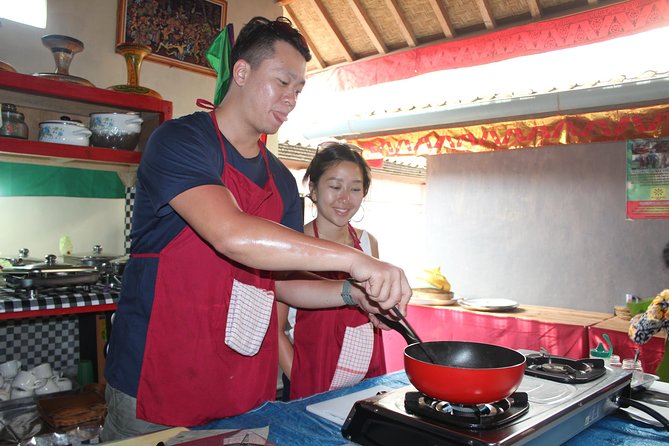
You’re taught in a hands-on way, and you’ll cook in an outdoor/home-kitchen style setting (one guest described the outside kitchen feel). You’ll also taste along the way, and there’s usually enough guidance that you’re not stuck guessing what “done” looks like.
From a practical angle, this is where you get the most value for your money. Ingredients vary from place to place. But if you can master the paste method and flavor balance, you’re not locked into one exact supermarket trip.
Nine Balinese Recipes: What You’ll Make and Why It’s a Good Mix
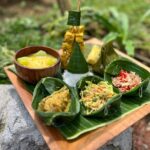
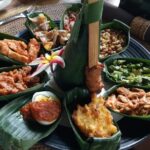
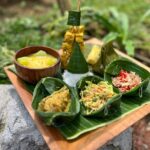
You’ll make 9 Balinese dishes as part of the class. The exact lineup can vary by course flow, but the experience includes dishes such as:
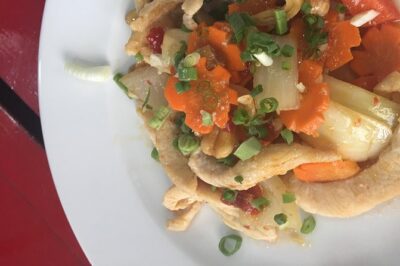
- Fried tempe
- Balinese chicken
- Vegetable soup
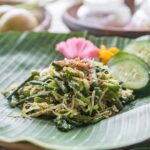
This mix is a smart teaching structure. You get a fried item (texture and oil control), a main featuring spice paste depth (flavor balance), and a soup (how spices behave with liquid). That combination makes it easier to remember techniques, not just names.
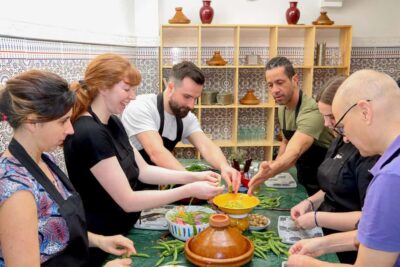
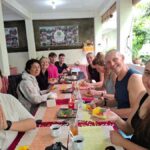
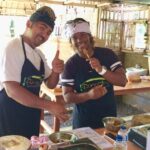
One earlier guest said the cooking part felt fun and that the teachers were helpful. I’d also highlight the small-group format. With a cap of 12, you’re more likely to get corrected if your paste is too thick, your seasoning is off, or your cooking steps need timing adjustment.
The one warning I’ll repeat: spice can be intense. A less-positive comment noted everything was too spicy, even for people who like spice. So if you’re sensitive, be direct and ask about adjusting heat at the start.
Making Canang (Afternoon Class): Small Offering, Big Cultural Meaning
If you take the afternoon class, you’ll learn how to make canang offerings. This is a key everyday Balinese practice, and the value here is that you’re not learning it as a museum artifact—you’re making one yourself as part of the day’s flow.
Practically, it gives your brain a reset between cooking steps. It’s hands-on in a different way than stirring a pot or shaping food, and it also adds context for why certain ingredients and rituals sit so close to daily life in Bali.
I’d still set expectations: this is not a long religious lecture. It’s a practical activity with explanation, designed to enrich your understanding while keeping the schedule moving.
Lunch at a Balinese House: Eating Your Results Without Pretending You’re a Food Critic
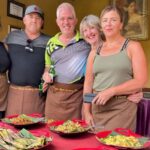
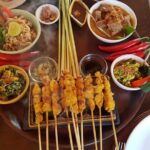
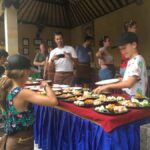
After you cook, you get a buffet lunch at a Balinese house. This is one of those underrated parts of cooking classes—because you’re no longer “performing” the lesson. You can actually taste.
Since the class focuses on hands-on technique, the lunch becomes a review session:
- If you loved one dish, you’ll better understand why it’s built that way.
- If a dish was too spicy, you’ll notice what changed and what you might do differently at home.
You’ll also have time to enjoy the atmosphere without rushing to catch the next stop. And because it happens after cooking, the food doesn’t feel like a random bonus. It feels earned.
The PDF Recipe Pack: Your Shortcut to Cooking at Home
You’ll get a PDF copy of the 9 Balinese recipes. This is one of the most useful take-home elements because it turns your memory into something you can actually use.
Here’s the practical way I’d treat it:
- Use it immediately after the trip while flavors are still fresh in your head.
- Make the spice paste first, then follow one dish at a time.
- Don’t try to “save time” by skipping steps. Balinese cooking often depends on process more than just ingredients.
If you’re the type who comes home and wants to recreate a trip in the kitchen, this PDF is what makes that realistic.
Price and Value: Is $58 a Good Deal for 5 Hours in Ubud?
At $58 for about 5 hours, this can be good value—especially because you’re not only cooking. You’re getting:
- hotel pickup and drop-off within Ubud center
- an air-conditioned vehicle
- a morning market and rice paddies stop (for morning classes)
- hands-on cooking of 9 dishes
- food tasting and a welcome drink
- a buffet lunch
- a PDF of recipes
The value drops slightly if:
- you need extra transport outside Ubud center (additional charges apply)
- you’re very sensitive to spice and need substitutions to enjoy the meal
- you prefer a slower pacing with fewer steps (one earlier comment said the presentation felt rushed and mechanical)
Still, if you show up ready to cook and ask questions, you’ll likely come away with both skills and a set of repeatable dishes.
Who This Ubud Class Is Best For (And Who Might Want Something Else)
This is a strong fit if you:
- want a hands-on cooking day, not a sit-and-watch show
- like learning a method, like the spice paste base, rather than only collecting recipes
- enjoy markets and want food culture context (especially for morning classes)
- travel with a family and want a structured day with breaks and a shared meal afterward
You might want to think twice if:
- you only eat mild food and don’t want to adjust spice levels (you’ll need to communicate this clearly)
- you prefer long, relaxed explanations over a fast-paced schedule
Tips to Get the Most Out of Your Class
Here’s what I’d do to make the day smoother:
- Tell them your heat level early. The spice intensity is real, and adjustments are more likely to happen at the beginning.
- Bring a camera/phone for photos. The experience notes bringing a camera for pictures.
- Wear comfortable clothes and closed shoes for the market and any outdoor kitchen moments.
- If you’re staying outside Ubud center, confirm whether you’ll need extra transport charges, and plan to bring cash if that’s requested for additional transport.
- If you need vegetarian options, request it one day before the class.
Should You Book This Balinese Cooking Class with Market Tour?
I’d book it if you want a practical Balinese cooking experience that gives you both food and context: market ingredients, rice paddies scenery (morning), hands-on cooking of 9 dishes, and a take-home PDF recipe pack. The small group size makes it feel more personal, and the day is structured so you’re cooking, tasting, and then actually eating what you made.
Skip—or at least message ahead—if you’re extremely heat-sensitive or you know you’ll dislike rushed pacing. You can likely fix heat concerns by speaking up early, but if you want a very gentle, slow, beginner-only class, you might find the schedule a bit compact.
If you’re in Ubud and you like the idea of coming home with dishes you can repeat (not just memories), this is a solid choice.
FAQ
How long is the Ubud Balinese cooking class with market tour?
It runs about 5 hours.
Is hotel pickup and drop-off included?
Pickup and drop-off are included for hotels in Ubud center. If you’re outside Ubud area, extra charges may apply.
Does the tour include a market visit?
Yes, for the morning class only it includes a traditional market visit in the Tampaksiring village area.
Is rice paddies included?
Yes, the rice paddies stop is included for the morning class only.
What cooking activities are included?
You’ll make a Balinese spice paste base and then cook a total of 9 Balinese recipes.
Are meals included?
Yes. You’ll have food tasting and a buffet lunch at a Balinese house. (Water and a welcome drink are also included.)
Is there an offering-making activity?
If you’re doing the afternoon class, you’ll make canang offerings.
Can I request a vegetarian option?
Yes. If you want vegetarian, you should request it one day before the class.
Will I receive recipes to take home?
Yes. You’ll receive a PDF copy of the 9 Balinese recipes.