REVIEW · BUDAPEST
Authentic Jewish Cooking Class by a Professional chef
Book on Viator →Operated by Flavors of Budapest · Bookable on Viator
Food history you can stir.
This Budapest Jewish cooking class is built around making a full 3-course meal with a professional chef, then eating what you made. I like that it’s hands-on and practical, not a watch-and-hope demo. You’ll also get stories about Central European Jewish life in Budapest as you work.
The class is small (max 8), which keeps it personal when you’re working with dough, knives, and pans. I especially like that chef Marti teaches you, then puts you on the job—mix, knead, stir, assemble—so even if you’re new to cooking, you still feel in control. One consideration: the dishes are traditional but not kosher, so if you keep kosher for religious reasons, this probably won’t fit.
In This Review
- Key highlights at a glance
- Taxi pickup, Király u. 77, and a smooth start to cooking
- Your 3-course menu: egg pâté, honey chicken, rugelach
- Why the stories matter: Jewish food, Budapest, and Central Europe
- The kitchen experience: what you actually do for 4 hours
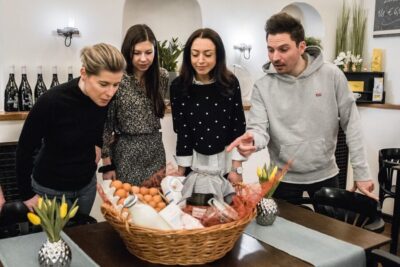
- Welcome snack, drinks, and the end-of-class table
- Not kosher: how to decide if this class fits you
- Price and value: what $119.21 buys you in real terms
- Who should book this class (and who might skip)
- Should you book Flavors of Budapest?
- FAQ
- What menu will we make in the cooking class?
- Is the food kosher?
- How long is the class?
- Are drinks included?
- Do I get recipes to take home?
- Is the class offered in English?
- Will I be picked up from my hotel?
- How big is the group?
- Can I choose a morning or afternoon time?
Key highlights at a glance
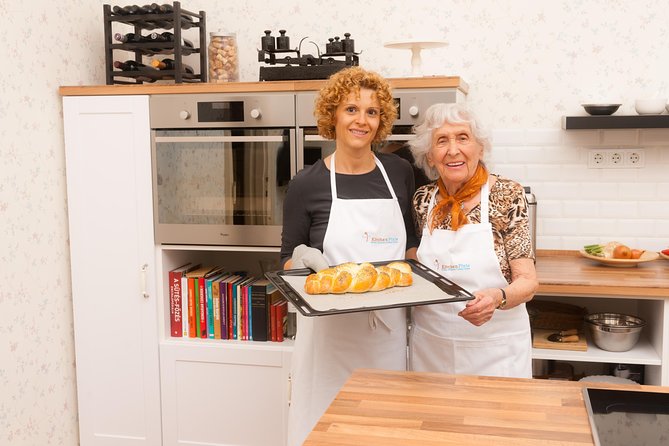
- 3-course Jewish menu you cook together: starter, main, and dessert
- Chef-led, fully hands-on format with guidance as you cook
- Rosh Hashanah-style honey chicken plus Hanukkah rugelach in one class
- Drinks included: palinka, Hungarian wine, soft drinks, water, tea, and coffee
- Taxi pickup and drop-off from your Budapest hotel for an easy start and finish
- Recipes in English so you can recreate the meal back home
Taxi pickup, Király u. 77, and a smooth start to cooking

This is the kind of activity that starts making your day easier before you even touch a spoon. You meet at Budapest, Király u. 77, 1077 Hungary, and the experience includes hassle-free taxi pickup and drop-off from your hotel. That matters in Budapest, where it can be a bit of a scramble to coordinate transit, especially if you’re combining this with other plans.
The class runs about 4 hours, with you choosing the time that works for you—morning or afternoon. The listed start time is 9:00 am, so if you’re a morning person, you can basically turn the first part of the day into dinner prep. The kitchen setup is also described as cosy, not some basement room—so you don’t feel like you’re taking a “survival cooking” class.
And yes, it’s in English, with a group size capped at 8 travelers. That’s a sweet spot: small enough for real help, big enough that the room doesn’t feel silent.
You can also read our reviews of more tours and experiences in Budapest.
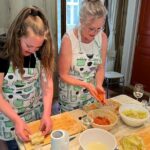


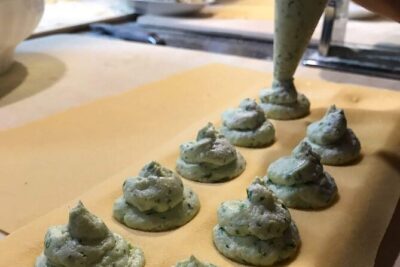
Your 3-course menu: egg pâté, honey chicken, rugelach
The menu is the heart of this class, and it’s built to teach you a range of Jewish home-style flavors. You’re making:
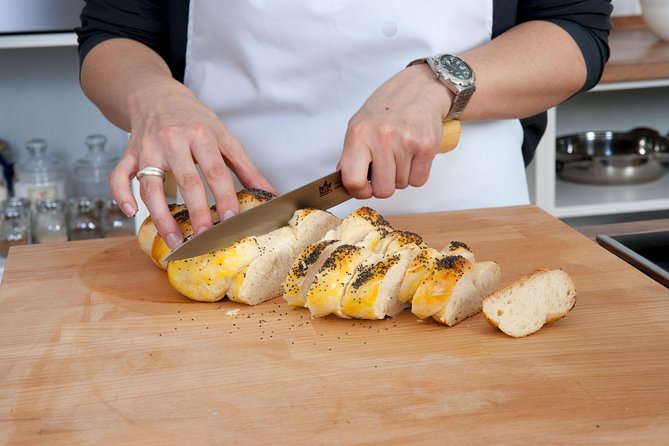
Starter: Jewish egg paté with Challah
This is where you get to taste the comfort side of Jewish cooking. You’ll prepare the egg pâté and pair it with challah, the Jewish braided bread. The class includes a note that challah is served with soft egg cream, so expect a creamy, savory start rather than something dry or snacky.
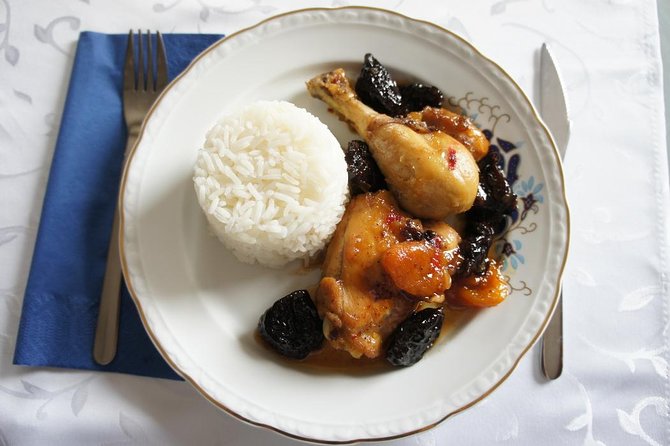
Main: Honey chicken with dried plum and apricot + boiled rice
This main course has built-in meaning. The honey-and-dried-fruit combo is tied to Rosh Hashanah, when Jewish families eat honey and other sweets for a lucky year. In practice, it also teaches you how to balance sweetness with a deeper savory base—because honey doesn’t just mean dessert vibes here. You’ll also serve it with boiled rice, which is what makes the sauce feel shareable and meal-like instead of heavy.
Dessert: Rugelach
Rugelach is connected to Hanukkah. In this version, it’s made with cream cheese, which gives the dough a softer, richer feel than you might expect. It’s the kind of dessert that rewards patience: you learn how the dough comes together and how the shaping matters for that classic crescent look. The class makes it clear that you’ll need to taste it at the end—because that’s the point.
Why the stories matter: Jewish food, Budapest, and Central Europe
Cooking classes can turn into a simple skill workshop. This one adds context, and I like that balance. Along the way, you get interesting information and stories about the history of Central European Jews and about the Jewish life in Budapest. That means the food isn’t floating in the air like a random recipe collection.
You’re also hearing stories while you’re actively doing something—chopping, mixing, shaping. That’s the trick. When information arrives while your hands are working, you remember it. And when the chef frames a dish around a holiday like Rosh Hashanah or Hanukkah, you start to understand why these foods look the way they do and why they get served at the table.
The class is also described as traditional Jewish dishes (not kosher). That’s important context. You’ll be learning culinary tradition, but it’s not presented as religiously kosher food handling. Think of it as cultural and historical cooking, not a strict kosher kitchen.
The kitchen experience: what you actually do for 4 hours
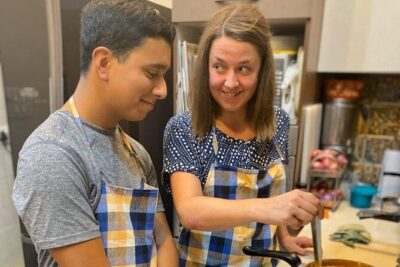
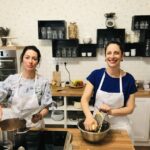
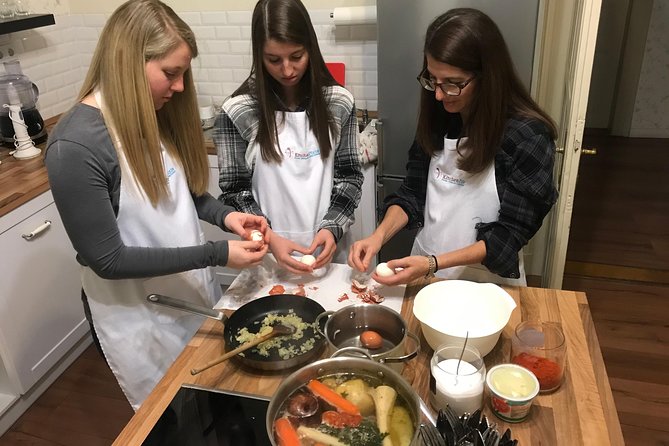
This is the type of class where you’re not just observing. The format is hands-on with the chef’s help and guidance throughout, and that’s the difference between a fun cooking session and a real lesson.
In practical terms, you’re guided through:
- working with the ingredients for a 3-course menu
- using kitchen pots and equipment you’re given access to during the class
- making dough and assembling components like you would at home
- tasting at the end and eating together
Chef Marti’s approach is described as showing you or telling you how, then having you do the work. That’s a huge deal if you’re not a confident cook. You still learn technique, but you also avoid the frustrating part where you do nothing except hold a spoon and nod.
They provide the essentials too: ingredients, kitchen equipment, an apron, and recipes in English you can take home. That means you’re not leaving with a few notes scribbled on a napkin—you’re leaving with a usable guide.
Welcome snack, drinks, and the end-of-class table
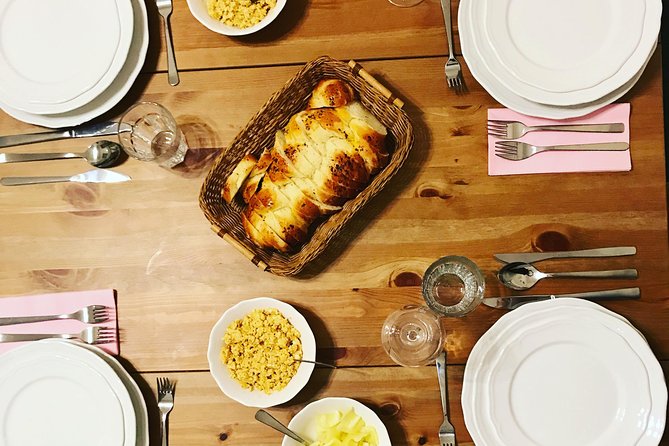
In many cooking classes, the eating part is rushed. Here, the meal is the finish line. During the class you start with a traditional Jewish welcome snack, and then you move into cooking your own starter, main, and dessert.
The drinks package is also more generous than you might expect at this price point. You get:
- palinka (fruit brandy)
- 2 dl Hungarian wine
- homemade soft drinks
- mineral water
- tea and coffee
This matters because it changes how the class feels. You’re not just training your palate with one small bite. You’re settling in and treating the meal like an actual meal. And you’ll eat together at the end—so you get the satisfaction of seeing how your work turns into something you’d serve guests.

Not kosher: how to decide if this class fits you
One consideration is clearly stated: the dishes are traditional Jewish dishes (not kosher). If you follow kosher rules strictly, you should treat this as a mismatch. The class isn’t positioning itself as a kosher cooking experience.
If you’re choosing this for cultural food learning, holiday context, and technique, it can still be a great fit. The key is making sure your personal needs line up with the format you’re booking.
If you have other dietary requirements, the class notes that you should advise them at booking. They don’t spell out specific alternatives in the details provided, so the safest move is to share your needs early and ask what can be accommodated.
Price and value: what $119.21 buys you in real terms

At $119.21 per person for about 4 hours, this sits in the “more than a casual demo, less than a private chef” zone. The value is strongest if you care about three things: hands-on cooking, full-course eating, and getting ingredients and recipes covered.
Here’s what’s included that helps justify the cost:
- all ingredients for the 3-course meal
- kitchen pots, tools, and equipment
- an apron
- recipes in English you can take home
- a welcome snack
- drinks: palinka, Hungarian wine, homemade soft drinks, mineral water, plus tea and coffee
- taxi pickup and drop-off from your Budapest hotel
If you were to recreate this at home from scratch, you’d pay for ingredients and the time. The class compresses all of that into one afternoon or morning, with professional guidance. And because the group is capped at 8, you’re more likely to get individual help than you would in a larger workshop.
If you’re the type who only wants to taste and doesn’t care about cooking, you might find this better if you bring curiosity and patience. But if you enjoy learning techniques and eating what you make, the math usually works out.
Who should book this class (and who might skip)

This is a great match if:
- you like hands-on cooking rather than passive watching
- you want a full 3-course meal with a coherent theme
- you’re curious about Jewish holiday food (honey for Rosh Hashanah, rugelach for Hanukkah)
- you want recipes in English to recreate at home
- you’d rather not manage public transit and prefer taxi pickup/drop-off
It may be less ideal if:
- you keep a kosher kitchen or need kosher-certified food
- you prefer very light, quick activities
- you want only cooking basics without holiday or cultural context (this class includes stories and history info, even if you’re just there for the food)
Group size also helps shape the experience. With max 8 travelers, you can actually learn and work in the kitchen without feeling like you’re sharing elbow space with 20 people.
Should you book Flavors of Budapest?
I’d book it if your ideal travel day includes getting your hands dirty, then sitting down to a meal you helped make. The combination of chef guidance, a clearly defined menu (egg pâté, honey chicken, rugelach), and included drinks makes it feel like more than just a cooking class. It’s also a solid way to learn about Central European Jewish food through real recipes, served in a cosy setting.
Skip it if kosher compliance is non-negotiable. Otherwise, it’s a warm, structured, practical experience that gives you both technique and a table-worthy outcome.
If you’re in Budapest for a short trip and want one activity that pays off in both skills and dinner, this is the kind of booking that tends to make people happy they did something hands-on.
FAQ
What menu will we make in the cooking class?
You’ll make a traditional 3-course menu: Jewish egg paté with challah as the starter, honey chicken with dried plum and apricot plus boiled rice as the main course, and rugelach as the dessert.
Is the food kosher?
The dishes are described as traditional Jewish dishes but not kosher, so this is not a kosher cooking experience.
How long is the class?
The duration is approximately 4 hours.
Are drinks included?
Yes. Drinks included are palinka (fruit brandy), 2 dl Hungarian wine, homemade soft drinks, mineral water, tea, coffee, and you’ll also have coffee included.
Do I get recipes to take home?
Yes. You’ll receive family recipes of the dishes in English that you can take home.
Is the class offered in English?
Yes, it’s offered in English.
Will I be picked up from my hotel?
Yes. Hassle-free taxi pickup and drop-off by taxi from your Budapest hotel is included.
How big is the group?
The class has a maximum of 8 travelers.
Can I choose a morning or afternoon time?
Yes. You can choose the class time that works best for you—in the morning or the afternoon.