REVIEW · ROME
Rome: Carbonara Cooking Class
Book on GetYourGuide →Operated by Cucina Roma di Alecu Andreea · Bookable on GetYourGuide
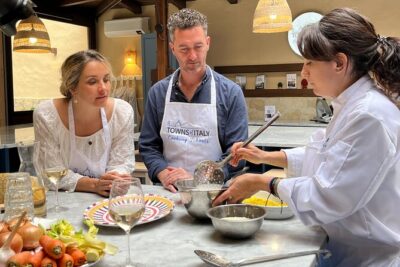
Rome’s carbonara gets serious here. In this private 90-minute class, I love that you make the pasta and the sauce yourself, then you eat what you cook in a great central spot. You’re also not stuck watching from the side—chef Davide teaches in an up-close way (with Andrea and the team keeping things smooth and friendly), and it all happens between Castel Sant’Angelo and Piazza Navona.
Two things I like a lot: you get truly hands-on authentic Roman carbonara (pasta and sauce from scratch), and the experience is built for sharing—private, intimate, and relaxed enough for couples, families, and friends. The food is paired with included drinks like Prosecco, Italian wine, water, and a glass of homemade limoncello, so the whole meal feels like an evening, not just a class.
One possible drawback to consider: the session is only 90 minutes, so you’ll learn a lot, but you won’t suddenly become a carbonara master who can cook it perfectly on autopilot afterward. Also, the instruction language is English, so if you’re hoping for a different language, check that before you book.
In This Review
- Key things that make this carbonara class worth your time
- Where you’ll cook: Via dei Coronari 180, right by Rome’s main sights
- The heart of the class: handmade pasta, step by step
- Roman carbonara: the creamy sauce technique that people talk about
- Drinks and dining: you cook, then you actually taste
- The “private” factor: why small helps you learn better
- Skip-the-line entrance and the 90-minute timing reality
- Meeting point details you’ll want before you go
- What you take home: certificate, photos, and videos
- Price and value: is $88 per person fair?
- Who this cooking class is best for
- Small things to double-check before you book
- Should you book this Rome carbonara cooking class?
- FAQ
- How long is the Rome Carbonara cooking class?
- Where does the class take place?
- Is the class private?
- What language is instruction in?
- What will I learn to make?
- What drinks are included?
- Do I get to taste the food you cook?
- What souvenirs do you receive?
- Can I skip the line?
- What is the cancellation policy?
Key things that make this carbonara class worth your time
- Private, 100% personalized format for couples, families, or friends
- Hands-on fresh pasta + Roman carbonara sauce cooked step by step in front of you
- Drinks included while you cook: Prosecco, selected Italian wine, water, and homemade limoncello
- A take-home keepsake: certificate plus professional photos and videos
- English instruction with close help (the feel is small and personal)
- Central meeting point on a pedestrian street near major landmarks
Where you’ll cook: Via dei Coronari 180, right by Rome’s main sights
The meeting point is Via dei Coronari 180, in a pedestrian area lined with old buildings. The entrance is easy to spot once you know what to look for: a light-colored brick facade, a discreet door, and a bronze plaque that displays LAURO Bistrot.
To get your bearings fast, use two nearby landmarks as anchors: the Church of San Salvatore in Lauro and the nearby Lion Fountain. From there, you’re in the general zone where you can also make a day of it around Castel Sant’Angelo and Piazza Navona before or after your class.
Practical tip: because it’s a pedestrian area, plan for slower walking and keep a little extra time in your schedule. This is the kind of neighborhood where you’ll want to get there a few minutes early anyway—partly to relax, partly so you don’t have to rush when you spot the correct entrance.
You can also read our reviews of more tours and experiences in Rome.

The heart of the class: handmade pasta, step by step
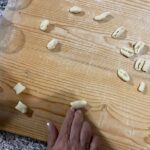
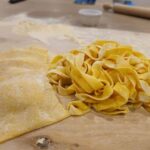
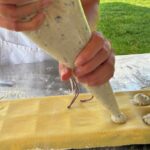
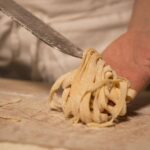
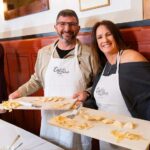
You don’t just learn the carbonara sauce and call it a day. The experience starts with making fresh pasta from scratch using simple, high-quality ingredients like flour and eggs (and the chef guides you through each step together).
This is one of the most valuable parts for me. Carbonara is often treated like a sauce-only dish, but the real texture and comfort come from the pasta you pair it with. When you roll, shape, and handle the dough yourself, you start understanding why Roman carbonara works the way it does—silky sauce, proper thickness, and the way the pasta holds onto everything.
You’re also not left flailing with measurements. The chef teaches each step, and the overall vibe is supportive. People describe getting one-on-one help, which matches what you want for a technique-heavy dish. If you’ve never made fresh pasta before, this is the sort of class that gives you a real chance to succeed without embarrassment.
Roman carbonara: the creamy sauce technique that people talk about
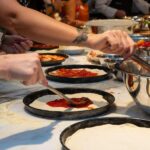
Then comes the main event: learning the secret behind authentic Roman carbonara. The key idea here is that you’re not watching a chef perform from across the room. The cooking happens with you—everything is prepared and cooked in front of you while you follow along.
Carbonara in Rome is all about balance: timing, texture, and not overdoing the sauce. In this class, the chef focuses on how to get that classic creamy result while keeping the flavor deeply Roman—simple ingredients, strong technique.
A detail I appreciate from how the experience is described: you don’t miss the steps. The chef keeps the process visible and lets you stay involved, which is exactly how you’re able to repeat the results later at home. If you’ve had a cooking class where most of the work happens after the camera is turned off, this feels different: you’re truly part of the kitchen rhythm.
Drinks and dining: you cook, then you actually taste
You’ll also enjoy drinks during the experience: Prosecco, selected Italian wine, water, and a glass of homemade limoncello. That sounds like extra, but it changes the mood in a good way. When you’re learning a technique like carbonara, it helps to slow down and enjoy the process, not just rush to finish.
The tasting part matters too. The class is designed so you eat what you prepare, not just learn theory. That is how you catch the small things—like texture and seasoning—right away, while the dish is fresh and the lesson is still in your hands.
And the limoncello is a nice Roman-style finishing touch. It’s not just a token drink; it helps round out the meal so the whole session feels like a complete experience rather than a quick workshop.
The “private” factor: why small helps you learn better
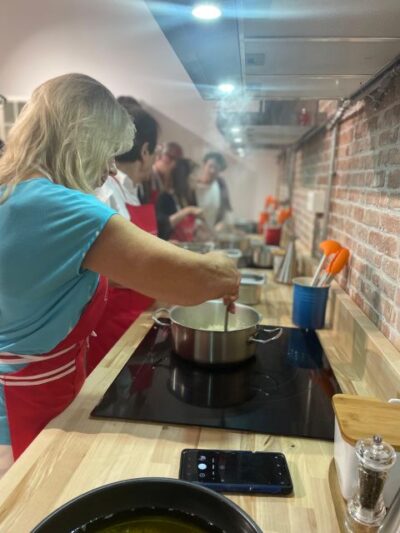
This class is private and personalized. That matters more than it sounds. When you’re in a small, focused setup, you can ask questions without feeling like you’re interrupting a lecture. It also means the chef can adjust pace for what you’re doing, whether you’re a confident cook or you’re still learning the basics of dough.
The experience is positioned for couples (a romantic date option), but it also works well for groups of friends and families because the tone is described as warm, friendly, and accommodating. You’re cooking and laughing together, which you can’t fake with a big crowd.
In short: you’re not just buying a dish. You’re buying attention—and you can feel that in the way instruction is delivered.


Skip-the-line entrance and the 90-minute timing reality
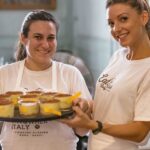
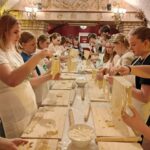
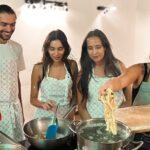
You’ll use a separate entrance that helps you skip the line. In busy central Rome, that saves energy. It means less waiting, less confusion, and more time actually in the kitchen.
The total duration is 90 minutes. That’s a sweet spot for beginners and busy travelers: long enough to learn pasta + sauce + tasting, short enough that you can still plan an evening stroll afterward.
Just don’t expect a full multi-course cooking marathon. You’ll leave with solid technique and confidence, but it’s still a single session—think “learn how to make it” more than “master every variation.”
Meeting point details you’ll want before you go
Here’s what helps you find the place quickly:
- Address: Via dei Coronari 180
- It’s in a pedestrian area with historic buildings
- Look for the LAURO Bistrot sign on the bronze plaque
- The facade is light-colored brick
- Nearby landmarks: the Church of San Salvatore in Lauro and the Lion Fountain
If you’re the type who hates arriving late, give yourself buffer time. This area is central and walkable, but it can get crowded, and you don’t want to sprint once you’re close.
What you take home: certificate, photos, and videos
One of the smarter parts of this experience is what you get at the end. You receive a certificate of completion, which is a fun little souvenir if you like keeping track of what you’ve done. But the bigger practical value is the professional photos and videos.
That matters for two reasons:
1) Your cooking work will be documented better than your phone can do while you’re busy.
2) It makes it easier to remember details—what you made, how it looked, and how your timing felt.
If you like sharing your trip, this makes it easy without turning your class into a distracted selfie contest.
Price and value: is $88 per person fair?
At $88 per person for 90 minutes, the price isn’t “budget,” but it also isn’t outrageous for what you get. You’re paying for more than instruction—you’re paying for ingredients, drinks, a private setup, and the added extras of photos/videos plus a certificate.
Here’s what drives the value most:
- Hands-on pasta + carbonara sauce taught step by step
- Included drinks during the class and meal (Prosecco, wine, water, limoncello)
- Private feel with close guidance
- End-of-experience keepsakes (certificate and professional media)
If your priority is the cheapest possible class, you might find lower-cost options. But if your priority is a high-quality, guided result in a great central neighborhood—plus a real dining moment—this price can make sense.
Who this cooking class is best for
I think this is a strong match if you:
- Want to learn Roman carbonara with technique you can repeat at home
- Like intimate experiences over big groups
- Prefer doing an activity in central Rome where you can easily tack on sightseeing
It’s especially good for:
- Couples looking for something more personal than a standard walking tour
- Friends who want a shared activity that’s fun and hands-on
- Families who would rather cook and taste together than sit through a long explanation
If you’re a total beginner, you’ll likely enjoy it even more, because the process is taught with step-by-step guidance.
Small things to double-check before you book
There’s one line that you should pay attention to: the guidance says to bring ingredients. That’s unusual because the class also says ingredients for pasta and carbonara are included. To avoid confusion, I’d confirm what they mean—maybe it’s a specific item related to your preferences or dietary approach, or maybe it’s a general checklist language issue.
Also note the class is English. If your group isn’t comfortable in English, it’s worth checking whether anything else is available.
Should you book this Rome carbonara cooking class?
I’d book it if you want a hands-on learning experience in the center of Rome, with real Roman carbonara technique and a meal you eat right after cooking. The private format, the clear step-by-step instruction, and the included drinks make it feel like an actual evening out—not just a checkbox activity.
I’d skip it (or at least rethink it) if you’re expecting a long course or you want a non-English setup. And if the “bring ingredients” detail worries you, message the provider before you arrive so you’re not standing there wondering what’s missing.
If your goal is one great, memorable food moment in Rome—made by your own hands—this class is a smart choice.
FAQ
How long is the Rome Carbonara cooking class?
The class lasts 90 minutes.
Where does the class take place?
It meets at Via dei Coronari 180 in a pedestrian area. It’s near the Church of San Salvatore in Lauro and the Lion Fountain.
Is the class private?
Yes, it’s described as private and personalized.
What language is instruction in?
The instructor teaches in English.
What will I learn to make?
You learn to make authentic Roman carbonara from scratch, including handmade pasta and the carbonara sauce.
What drinks are included?
You get Prosecco, selected Italian wine, water, and a glass of homemade limoncello.
Do I get to taste the food you cook?
Yes, the experience includes tasting the dish you prepare.
What souvenirs do you receive?
You receive a certificate of completion, plus professional photos and videos of your experience.
Can I skip the line?
Yes. The experience includes a separate entrance that helps you skip the line.
What is the cancellation policy?
Free cancellation is available up to 24 hours in advance for a full refund.