REVIEW · HANOI
Vietnamese Vegetarian Cooking Class in Hanoi
Book on Viator →Operated by Apron Up Cooking Class · Bookable on Viator
A market stroll with herbs and questions is the perfect warm-up. This 3-hour, 15-minute Hanoi class pairs ingredient shopping with a private, hands-on kitchen session where you cook five traditional Vietnamese vegan and vegetarian dishes. I especially liked the food-focused pacing and the way your guide turns a shopping trip into real cooking know-how. One thing to think about: one negative report raised hygiene concerns, so if you’re very strict about vegetarian prep, it’s smart to ask how they keep ingredients and boards handled cleanly.
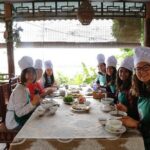
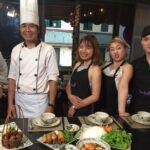
What I like most is the practical structure. You don’t just watch—you chop, mix, and plate, then you get to eat a 5-course breakfast, lunch, or dinner with rice wine. The second win is the personal touch from the instructor; in at least one standout session, the guide was named Coco, and the class style came across as friendly and clear. The main drawback for some people is simple: no hotel pickup, so you’ll need to get yourself to the meeting point.
In This Review
- Key Takeaways Before You Book
- Vietnamese Vegetarian Cooking Class in Hanoi: The Setup That Actually Matters
- Meeting Point on P. Gia Ngư: Plan Around No Pickup
- Market Shopping With a Private Guide: Where Flavor Starts
- Cooking Five Vietnamese Vegan & Vegetarian Dishes: You Do the Work
- About Hygiene and Vegetarian Handling
- The Meal: 5 Courses, Rice Wine, and What You’ll Actually Eat
- Timing and Session Choice: Breakfast vs Dinner Changes the Feel
- What You Take Home: Cookbook and Certificate
- Who This Class Is Best For (and Who Should Skip)
- Price and Value: How $60 Makes Sense Here
- Practical Tips to Get the Best Experience
- Should You Book This Hanoi Vegetarian Cooking Class?
- FAQ
- How long is the Vietnamese vegetarian cooking class in Hanoi?
- What dishes will I cook?
- Is rice wine or alcohol included?
- Do they pick me up from my hotel?
- Where is the meeting point?
- Is this a private experience?
Key Takeaways Before You Book
- Market shopping for seasonal herbs sets up the flavors you’ll cook with
- Five dishes, not one demo: you’ll actually make the food
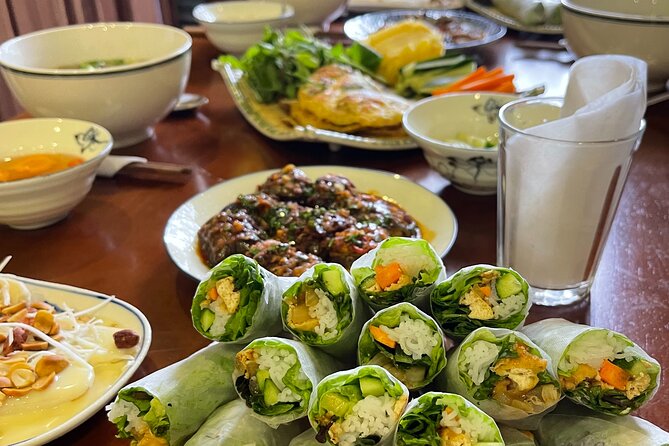
- A 5-course meal (breakfast, lunch, or dinner) plus drinks with your session
- Private group experience with a private guide
- Cookbook and certificate to take home something tangible
- Hygiene and vegetarian handling are worth asking about if you’re sensitive
Vietnamese Vegetarian Cooking Class in Hanoi: The Setup That Actually Matters
Hanoi has a way of making food feel like a skill you can learn fast—if someone gives you the right starting points. This class is built around that idea. You begin outside in the local market, where you shop for the herbs and seasonal ingredients that shape Vietnamese vegetarian cooking. Then you move into the kitchen to cook a set of five vegan and vegetarian dishes, ending with a sit-down meal of what you made.
At $60 per person, it’s not a bargain class, but it also isn’t a tourist-snack-and-go situation. For the price, you’re getting (1) market shopping with a guide, (2) hands-on cooking, (3) a meal that’s described as 5 courses, and (4) materials to take home: a cookbook and certificate. If you like learning by doing, that combination is where the value sits.
The schedule is also flexible. Daily sessions run at 9:00 am, 11:30 am, 4:00 pm, and 6:30 pm, and you pick your time when booking. Since breakfast/lunch/dinner is tied to the session, you’ll want to match the cooking class to your day plan—especially if you’re juggling sightseeing, museums, or a packed food crawl.
You can also read our reviews of more tours and experiences in Hanoi.
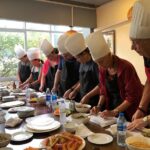
Meeting Point on P. Gia Ngư: Plan Around No Pickup
You’ll meet at 8 P. Gia Ngư, Hàng Bạc, Hoàn Kiếm, Hà Nội, Vietnam, and the class ends back at the same location. There’s no hotel pickup and drop-off, so you’ll want to plan how you’ll get there.
Good news: the meeting point is described as near public transportation, which usually means it’s practical to reach without a private car. In a city like Hanoi, that matters. You don’t want the logistics to steal the best part of your day.
A small practical note: since the class is about five dishes and a full meal, arriving late can mess with the flow. Build in a buffer so you can settle in, pick up your stride, and get into the market mood rather than rushing.
Market Shopping With a Private Guide: Where Flavor Starts
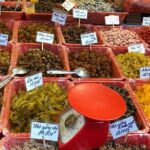
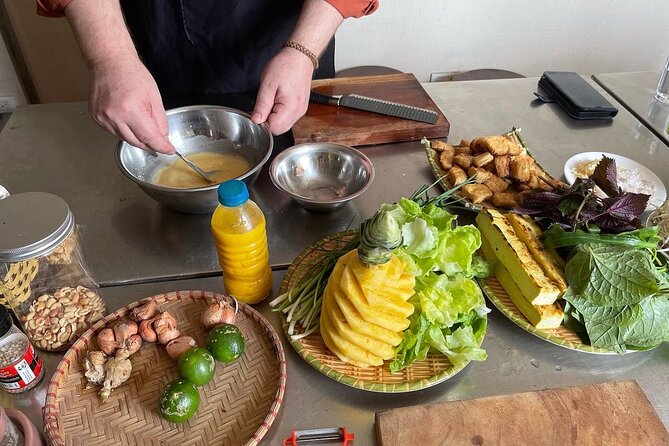
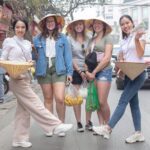
The market portion isn’t just a photo stop. You go with your guide to shop for seasonal ingredients and herbs, and those choices become the basis for what you cook later.
Why this matters: Vietnamese flavor is built on a lot of small components—herbs, aromatics, and texture makers—not just one sauce. Seeing ingredients in their natural context helps you understand why certain dishes taste the way they do. You also learn what the market considers “normal” right now, not what a restaurant menu shows months later.
You’ll want to watch how your guide talks about ingredients—what’s fragrant, what’s tender, what’s best for dipping versus cooking. Even if you don’t memorize every detail, you’ll start thinking like a cook: when to use what, and why.
Also, this part of the experience is one of the main reasons people like it so much. The class isn’t only about the kitchen; it’s about building the ingredient logic that makes the finished dishes taste right.
Cooking Five Vietnamese Vegan & Vegetarian Dishes: You Do the Work
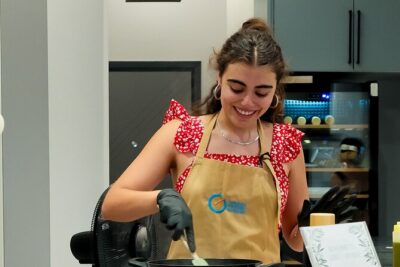
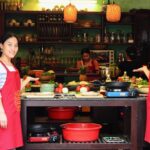
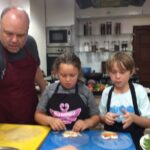
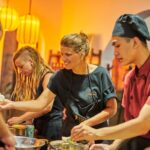
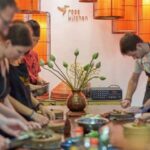
The core of the class is hands-on cooking. You’ll prepare five traditional Vietnamese vegan & vegetarian dishes, guided by a private instructor. The dishes named in the class description include:
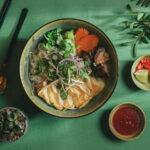
- Vegan Pho
- Vegan Banh Xèo
- Stuffed aubergine
The other two dishes aren’t listed by name in the details you provided, but the focus stays consistent: traditional Vietnamese forms, adapted for vegan and vegetarian cooking.
This is a big deal for value. A lot of cooking experiences in tourist zones are basically a demo with a couple of stirring motions. Here, the structure is built around making dishes yourself—so even if you’re a novice cook, you’ll get enough repetition and guidance to leave with confidence.
A few thoughts to help you get the most out of this kitchen time:
- Ask what each ingredient does (flavor, texture, aroma). It turns cooking into understanding.
- Don’t rush tasting. Vietnamese vegetarian cooking often relies on the balance of herbs, acidity, and richness.
- If you’re vegetarian for health or personal reasons, pay attention to how your station is set up and how ingredients are handled.
About Hygiene and Vegetarian Handling
One negative experience report mentioned hygiene concerns, especially around the fact that other group members were cooking meat and that chopping surfaces/boards may have been used in ways that didn’t feel clean to that guest. That’s not the whole story, but it’s enough that you should take it seriously.
If you’re sensitive—especially if you’re strict vegetarian and want no meat cross-contact—ask upfront how they handle meat, storage, and prep surfaces. You can also pay attention during the market and kitchen portion: are cutting boards separated, are items clearly grouped, and does everything look orderly? Trust your instincts. Your food experience should feel safe.

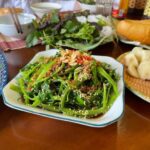
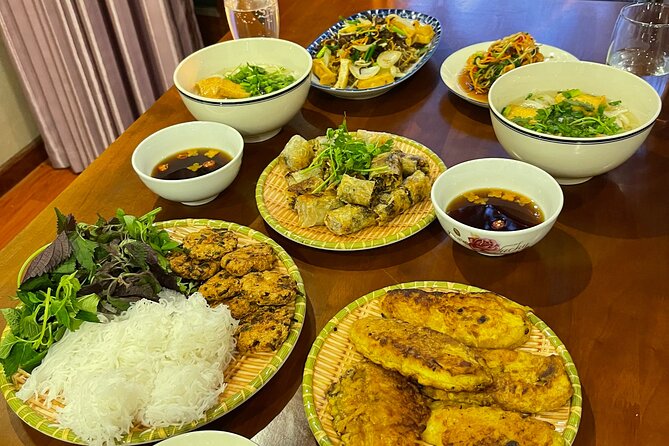
The Meal: 5 Courses, Rice Wine, and What You’ll Actually Eat
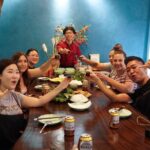
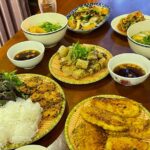
After cooking, you eat. The description says you’ll enjoy a 5-course breakfast, lunch, or dinner, depending on your start time, with rice wine included.
That part is surprisingly important. You’re not just earning a certificate—you’re tasting the results of your work while the flavors are fresh and the cooking steps are still clear in your head. It also gives you a chance to compare what you thought you were making versus what’s on the plate.
The experience also includes:
- Light refreshments
- Snack
- Coffee and/or tea
- Alcoholic beverages
- Breakfast, lunch, or dinner (again, tied to your session)
Even if you don’t drink, the meal itself is a major part of the value equation. In a class like this, the price isn’t only labor and instruction—it’s also the food, drinks, and the guided experience that ties the meal back to the market ingredients you picked.
Timing and Session Choice: Breakfast vs Dinner Changes the Feel
Your start time isn’t a small scheduling detail. It changes what you eat, and it affects your mental rhythm for the day.
- 9:00 am or 11:30 am: you’re pairing the market and cooking with a more morning-style meal. Great if you like getting your food learning done early.
- 4:00 pm or 6:30 pm: you’ll likely enjoy the class closer to evening, and the meal feels like the main event rather than an early anchor.
Since each session is about 3 hours 15 minutes, you’ll want to treat this like a real block in your day, not a quick activity. If you’re also planning Hanoi nightlife or late sightseeing, the 6:30 pm option can feel perfect.
What You Take Home: Cookbook and Certificate
This isn’t just a one-day skill session that evaporates. You receive a cookbook and a certificate.
The cookbook can be especially useful if you want to recreate the dishes at home. Cooking classes sometimes give you a “memory” instead of a tool. Here, the idea is that you’ll leave with something you can reference later—handy if you enjoyed vegan pho or banh xèo and want to keep experimenting.
And if you like the challenge of improving your cooking, a certificate gives you a little satisfaction marker. It’s not essential, but it’s a nice touch.
Who This Class Is Best For (and Who Should Skip)
This experience is a strong match if:
- You want to learn Vietnamese vegetarian cooking with real hands-on instruction
- You enjoy markets and want ingredient shopping to be part of the lesson
- You like structure: cook five dishes, then eat a 5-course meal you helped make
- You want a private group setting with your guide
It may be less ideal if:
- You dislike shared prep areas or have strong concerns about meat cross-contact (in which case, ask careful questions first)
- You need hotel pickup and don’t want to handle meeting point logistics
- You prefer a shorter, lighter experience (this one is a full 3h 15m block)
If you’re traveling with different cooking skill levels, it can still work because the class description emphasizes guide-led instruction rather than assuming you can already cook.
Price and Value: How $60 Makes Sense Here
Let’s talk money like a grown-up. $60 per person can feel high until you break down what’s included.
You’re paying for:
- Market shopping with a guide
- Hands-on work to cook five dishes
- A 5-course meal (breakfast/lunch/dinner) plus drinks like rice wine
- Coffee/tea, snacks, and refreshments throughout
- A cookbook and certificate
- A private guide and private group experience
The price becomes easier to justify because so many classes only include instruction—or only include food. This one includes both, and the market portion adds another layer. If you love learning food technique, you’ll likely feel you got your money’s worth.
Practical Tips to Get the Best Experience
These are the small things that help the day go smoothly:
- Go with an appetite. You’re cooking and then eating a 5-course meal.
- If you’re sensitive about vegetarian-only prep, ask about how meat is handled and how prep surfaces are managed.
- Wear something comfortable for the kitchen portion, not just the market walk.
- Plan your transport so you arrive early enough to settle in at 8 P. Gia Ngư.
And one more mindset tip: treat this like a cooking lesson, not just a meal. The more questions you ask about herbs and ingredients, the more you’ll remember later.
Should You Book This Hanoi Vegetarian Cooking Class?
If you want an authentic food-learning experience in Hanoi—one that starts in the market and ends with you eating what you cooked—this is a solid booking. The class has a 4.9 average rating and is recommended by 99%, which is hard to ignore. The biggest positive theme in the details you shared is that it’s fun, low-pressure, and works for different skill levels. You also get real take-home value with a cookbook and certificate.
My main caution isn’t about the cooking itself. It’s about hygiene and vegetarian handling. One negative report raised concerns about cross-contact when meat was also being prepared. If that’s not your priority, you’ll likely be fine. If it is, ask directly about meat handling and prep surfaces before you commit.
If your goal is hands-on Vietnamese vegetarian cooking—especially vegan pho and banh xèo—this class is one of the more complete ways to learn it in a single sitting.
FAQ
How long is the Vietnamese vegetarian cooking class in Hanoi?
The class lasts about 3 hours 15 minutes.
What dishes will I cook?
You’ll cook five traditional Vietnamese vegan and vegetarian dishes, including vegan Pho, vegan Banh Xèo, and stuffed aubergine.
Is rice wine or alcohol included?
Yes. The experience includes rice wine with the meal, and it also lists alcoholic beverages as included.
Do they pick me up from my hotel?
No. Hotel pickup and drop-off are not included, and the tour ends back at the meeting point.
Where is the meeting point?
You meet at 8 P. Gia Ngư, Hàng Bạc, Hoàn Kiếm, Hà Nội, Vietnam.
Is this a private experience?
Yes. It’s listed as a private tour/activity, meaning only your group participates.