REVIEW · KYOTO
Ramen Broth Class by Michelin Guide Shop & Custom Chopsticks
Book on GetYourGuide →Operated by Musoshin Fit inc. · Bookable on GetYourGuide
Ramen from scratch, with your name on chopsticks. This ramen broth class in Kyoto’s Gion district is built for repeatable results at home, and it also hands you a souvenir with real personality. I like the focus on broth-making, taught by the team at Musoshin Ramen with Shin-san leading the way, and I also love the engraved chopsticks you take home after class.
The only real catch is practical: this workshop is not suitable for wheelchair users, and it has a strict age limit (no children under 10). If that fits your group, the rest is straightforward and fun.
In This Review
- Key things you’ll notice right away
- Kyoto’s Gion Ramen Dojo: what 90 minutes is actually like
- Engraving chopsticks and wearing a tenugui: souvenirs with a story
- Meet Shin-san’s team and learn the broth first
- Fresh homemade noodles: where the effort shifts from broth to timing
- Two chashu styles: pork belly vs pork cartilage (only here)
- Dietary options that actually matter: gluten-free, vegetarian, vegan
- Price and value: why $58 can make sense (and when it won’t)
- Practical tips so you’re comfortable and not rushed
- Who should book this ramen broth class
- Should you book? My quick decision guide
- FAQ
- How long is the Ramen Broth Class?
- What souvenirs are included?
- Does the class include a meal?
- Are there gluten-free, vegetarian, or vegan options?
- What languages do they teach in?
- Is there any shipping cost if I want the items delivered to my next hotel?
Key things you’ll notice right away
- Your chopsticks get engraved with your name, then packed in a traditional presentation box
- You cook the ramen you helped create, not just watch and snack
- The tenugui becomes your souvenir, and you also get a chef-style apron during cooking
- Broth is the main lesson, finished in about 40 minutes, then noodles and toppings follow
- You can choose gluten-free, vegetarian, or vegan options, including broth options
Kyoto’s Gion Ramen Dojo: what 90 minutes is actually like
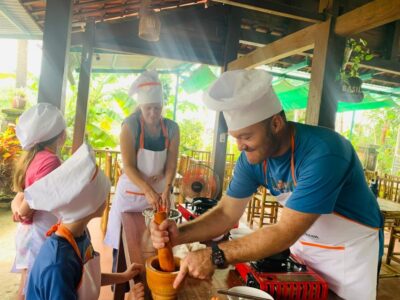
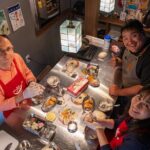
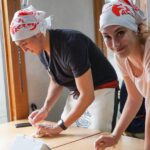
Kyoto’s Gion district is all about atmosphere. The class fits that vibe by making you part of the ritual, not just a paying spectator. You start with a quick name step, then you move into cooking mode with head towel and apron, like you’re borrowing a chef’s day.
The full experience runs about 90 minutes. That timing matters because ramen has layers: broth technique first, then noodle cooking, then toppings and final assembly. You’ll get enough time to learn the process without turning it into a three-hour production where everyone’s tired and hungry at the same time.
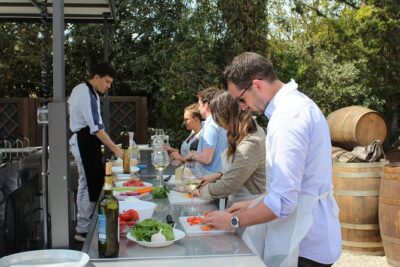
Group dynamics are hands-on by design. You’ll be standing close enough to see what’s happening, but still doing the steps. The upside is confidence: when you go home, you’re not just remembering a taste, you’re remembering a method.
One more value point: you’re not only practicing cooking skills. You also leave with items that make the memory tangible, especially if you’re the type who forgets to buy souvenirs until the last day.
You can also read our reviews of more tours and experiences in Kyoto.
Engraving chopsticks and wearing a tenugui: souvenirs with a story
Before you touch ingredients, you do something clever: they ask for your name, then engrave it onto chopsticks using a special machine. Those chopsticks then come presented in a traditional Japanese box, with added color as part of the display.
This is the part I like best if you care about souvenirs that don’t turn into clutter. Chopsticks with your name are personal. They’re also the kind of item you’ll actually use, or at least keep where you’ll see them every so often.
Then there’s the Musoshin tenugui (a Japanese head towel). You’ll wrap it around your head during the cooking experience. Afterward, it becomes your souvenir. It’s a small thing, but it changes your mindset in a practical way: you feel like you’re in the kitchen, not just visiting a studio.
They also set up a special-effects-themed photo spot. Even if you’re not a big photographer, it’s a fun reset before you get your hands floury and busy.
If you want to travel light, check how you’ll carry the painted items. Shipping to your next hotel is not included if you request delivery, so you’ll either transport them yourself or budget for shipping later.
Meet Shin-san’s team and learn the broth first
The class has a clear order, and it’s why it works for beginners. They start by having you wash your hands thoroughly, then the professional chef teaching begins with ramen broth. The broth portion takes about 40 minutes, so it’s not a rushed theory lesson.
This is where you learn the skill you can reuse. Ramen tastes like broth discipline. Even if you swap noodles or toppings later, your home bowl is only as good as the base you build. The class teaches you how to make a delicious ramen soup in a way that’s meant to be easy to recreate later.
Musoshin’s credibility is part of the pitch: Musoshin Toronto has earned Michelin recognition for four years. That’s not a taste guarantee by itself, but it does suggest the techniques and consistency come from a serious ramen operation, not just a one-off tourist workshop.
The teaching style is practical. English and Japanese instruction are offered, so you’re not stuck translating a cooking video later. Also, a key detail from the way the team teaches: they’re patient and step-by-step, which matters because ramen isn’t hard, but it is detail-driven.
By the time the broth is ready, you’re not waiting for the meal. You’ve helped create the base, and that changes how you experience the rest of the bowl.
Fresh homemade noodles: where the effort shifts from broth to timing
After the broth is done, you move to noodles. This class is built around fresh, homemade noodles, made at the nearby Musoshin noodle factory. That detail is important, because fresh noodles behave differently than dried ones at home.
You’ll learn how to cook the noodles so they match the broth instead of overpowering it. Think of this as timing practice. If noodles go too long, texture changes fast. If they’re undercooked, broth can’t fully do its job.
Fresh noodles also help you understand what you’re aiming for. You’re not copying a random restaurant’s mouthfeel. You’re learning the right relationship between noodles and soup.
And yes, you’ll get to eat the ramen you made yourself. That matters more than it sounds. Cooking is easier to repeat when your first attempt is delicious, not a sad “experiment” bowl.
Two chashu styles: pork belly vs pork cartilage (only here)
Toppings are handmade by the chefs, and they’re sourced from the nearby Musoshin Gion restaurant. That chain matters because it keeps the class from turning into a generic topping buffet.
You’ll see two chashu options:
- Pork belly chashu, prepared carefully over one full day
- Pork cartilage chashu, pressure-cooked for two hours and seasoned with a special sauce, available only in this experience
If you love ramen, chashu usually decides whether you call it good or great. The pork belly version is classic and slow-minded, with texture that comes from patient prep. The pork cartilage version is a different animal: it’s tender and soft because the pressure cooking does the work, then the special sauce brings it together.
Either way, you’re getting a clearer taste lesson. You’ll understand how different cuts and cooking methods affect richness and bite, not just color and aroma.
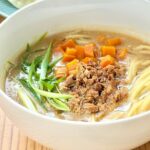
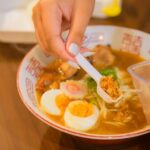
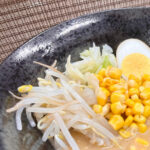
Then the bowl gets the finishing lineup: seasoned soft-boiled egg, bamboo shoots, and green onions. Those toppings are the “structure” of ramen as much as the broth is. Together they create that balance you’ll try to reproduce later.


Dietary options that actually matter: gluten-free, vegetarian, vegan
One of the smartest things about this class is that dietary needs are treated as more than an afterthought. You can request gluten-free, vegetarian, or vegan options.
The standout detail here is that vegan and vegetarian options aren’t limited to toppings. The broth can be adapted as well. That’s the difference between a bowl that feels like a compromise and one that feels like ramen.
You’ll still get the same cooking flow: broth lesson, noodles, then toppings. The ingredients shift to match your choice, so you leave with a method that fits your eating style.
This is ideal if you’re traveling with someone who can’t do traditional ramen ingredients. It also works if you personally want to eat lighter without giving up the experience.
Price and value: why $58 can make sense (and when it won’t)
At $58 per person for 90 minutes, the price is high compared to a supermarket meal. But it’s easier to justify when you look at what’s included.
You’re paying for:
- the broth and ramen instruction from a chef-led setup
- the noodles and handmade toppings you use while learning
- a full meal that you helped cook
- tangible souvenirs: engraved chopsticks and the tenugui you used during prep
Those souvenirs aren’t throwaway. The name engraving is a real differentiator, and the head towel is used during the cooking part, not just handed over at the end.
Where the value can wobble is if you only care about tasting, not learning. If you’re hoping for a quick ramen hit without any prep time, this class may feel like you’re doing homework with chopsticks.
Also, if you want items delivered to your next hotel, remember shipping is not included. That can add a cost if you’re trying to avoid carrying anything.
For the right traveler, though, it’s good value because you’re buying a take-home skill plus a take-home memory.
Practical tips so you’re comfortable and not rushed
Bring comfortable clothes. You’ll be doing hands-on cooking and likely wearing the tenugui and apron during class, so you don’t want anything that restricts movement.
Bring a camera if you care about the photo spot and the souvenir moment. Even if you don’t do much photography, the engraved chopsticks and presentation box are worth capturing before you pack them away.
One more planning point: the meeting point can vary depending on the option you book. Build a little buffer so you don’t feel stressed finding the start on a busy Kyoto street.
Finally, this class is not suitable for wheelchair users, and children under 10 can’t participate. If you’re traveling as a family or with mobility needs, confirm this early so you don’t waste time hunting alternatives.
Who should book this ramen broth class
Book it if you want ramen skills you can repeat at home. The biggest reason is that the broth is the lesson center, and broth is what most home cooks struggle to nail.
You should also book it if you love souvenirs you’ll use. Engraved chopsticks plus the tenugui is the kind of memory you can bring to your kitchen, not just your closet.
It’s a great fit for:
- couples and small groups who want a shared activity
- foodies who like structure and technique
- travelers who need gluten-free, vegetarian, or vegan accommodations
It might not be the best fit if:
- you want only a tasting, no cooking
- you’re traveling with someone who can’t meet the age or accessibility requirements
Should you book? My quick decision guide
If you’re serious about ramen beyond ordering it in restaurants, this class is worth your time. You’ll learn broth technique, cook fresh noodles, and build a real bowl with handmade toppings, then eat what you made.
If you’re only in Kyoto for the quickest possible food stop, you may prefer a ramen meal and move on. But if you want a skill and a souvenir with your name on it, this is the kind of experience you’ll still talk about back home.
FAQ
How long is the Ramen Broth Class?
The class lasts about 90 minutes, with the broth taking about 40 minutes as part of the overall session.
What souvenirs are included?
You’ll get the tenugui you used during noodle making, plus chopsticks with your name written/engraved as a souvenir.
Does the class include a meal?
Yes. You can eat the ramen you make during the experience.
Are there gluten-free, vegetarian, or vegan options?
Yes. The class offers options for gluten-free, vegetarian, and vegan guests.
What languages do they teach in?
The instructor speaks English and Japanese.
Is there any shipping cost if I want the items delivered to my next hotel?
Shipping cost for delivering the painted items to your next hotel is not included, if you request that service.