REVIEW · HOI AN
Cooking Class in Tra Que Organic Vegetable Village
Book on GetYourGuide →Operated by Lemon Basil Cookery & Restaurant · Bookable on GetYourGuide
Stop watching Vietnamese food and start cooking it.
This Tra Que Organic Vegetable Village experience mixes Hoi An market shopping with real hands-on farming, then ends in a chef-led class where you eat what you make. What I like most is the chance to learn how the farmers grow vegetables using organic fertilizers like seaweed and manure, and then turn those ingredients into classic dishes.
You should know there’s some physical farm work involved, and the day runs on a set flow. If you prefer a purely hands-off meal class, the hoeing, transplanting, and watering may feel like more effort than you expected.
In This Review
- Key things you’ll remember from Tra Que
- Why Tra Que beats a typical cooking class in Hoi An
- A few trade-offs to consider first
- From hotel pickup to Hoi An market shopping
- Tra Que Organic Vegetable Village: seeing the farm before you cook
- What farming looks like on the ground
- The foot massage break after the hard work
- Chef-led cooking: the dishes you’ll actually make
- The general menu includes
- Can you change the menu?
- How the day is paced (and how not to over-plan your schedule)
- Bicycles, helmets, and getting around
- Price and value: what $38 buys you in Vietnam
- Who should book this cooking class at Tra Que?
- Best matches
- Not ideal if
- Practical tips to make your day smoother
- Should you book the Tra Que cooking class?
- FAQ
- How long is the Cooking Class in Tra Que Organic Vegetable Village?
- Where does pickup and return happen?
- Do I get an English-speaking guide and chef?
- What dishes are included in the cooking class?
- Is lunch or dinner included?
- Can the cooking class accommodate dietary restrictions?
- Are extra drinks included?
Key things you’ll remember from Tra Que
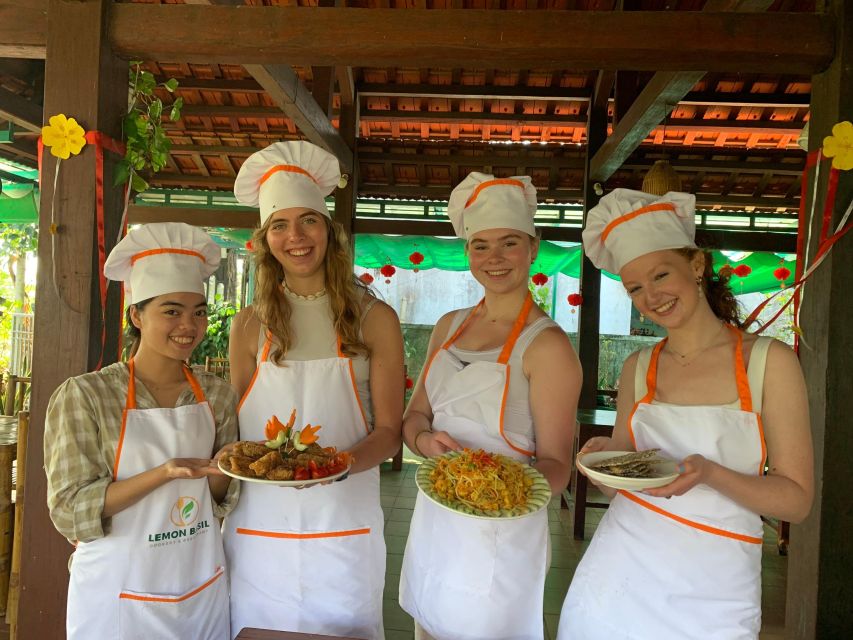
- Market time in Hoi An: pick ingredients with an English guide and practice local-style bargaining
- Farming with a local farmer: hoeing soil, collecting seaweed, transplanting, and watering
- Organic growing methods: learn what the farmers use to feed the soil and crops
- Traditional foot massage: a break using medicinal herbs after you work in the fields
- A real cooking menu: spring rolls, banh xeo, banana flower salad, and fish in clay pot
- You eat your own work: everything is prepared step-by-step, then served as lunch or dinner
Why Tra Que beats a typical cooking class in Hoi An
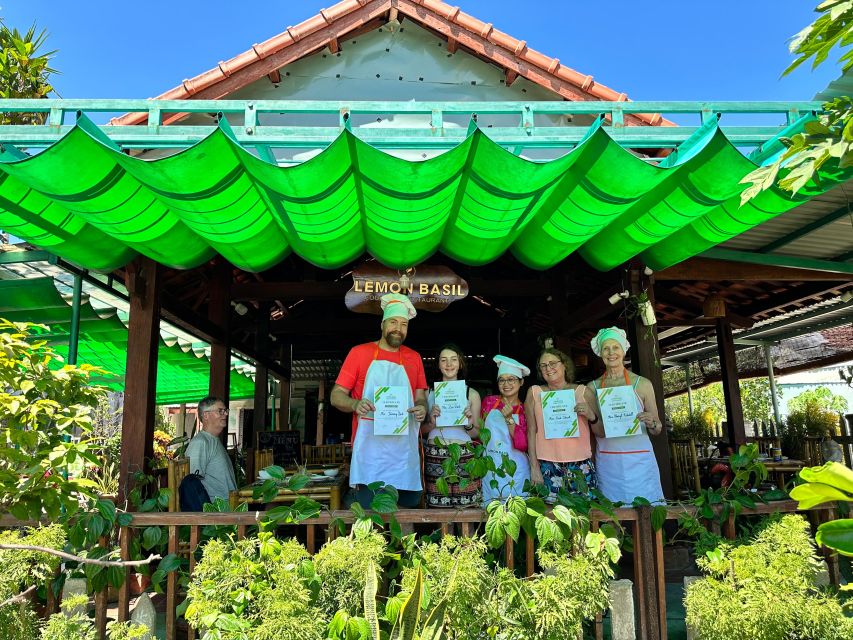
Most cooking classes in Vietnam focus on the kitchen part. This one makes the food start earlier, back where it’s grown—and the difference is obvious the moment you arrive at Tra Que. You’re not just learning recipes. You’re seeing how daily farm life connects to what ends up on your plate.
I also like that it’s not rushed into a “show kitchen” routine. The pacing is structured: market ingredients first, then farming activities, then massage and cooking, and finally the meal you prepared. That flow matters because it gives your brain time to connect the dots: why certain herbs show up, how texture changes in different preparations, and how the dish comes together as you cook it.
You can also read our reviews of more tours and experiences in Hoi An.
A few trade-offs to consider first
This isn’t a sit-down, watch-only class. You’ll be doing farm tasks like hoeing soil and watering, and those activities are part of the experience (not a bonus add-on). Also, the schedule is about five hours, so you’ll want to keep the rest of your day fairly open.
From hotel pickup to Hoi An market shopping
Your day starts with pickup from your hotel lobby in the Hoi An area. The program then moves through the day’s plan with your English-speaking guide and/or chef. This matters because it sets expectations early—so when you reach the market, you’re not just wandering.
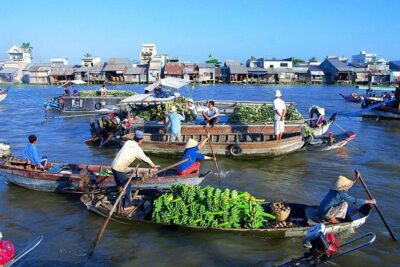
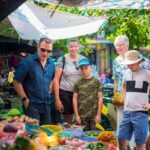
Then you head to Hoi An’s local market to shop for ingredients used in the cooking class. The market part is one of the best values here. It’s not only about buying items—it’s about understanding how locals buy what they need that day, and getting comfortable talking with sellers.
A practical plus: you may learn tips for bargaining like locals do. Even if you don’t love negotiating, it’s still useful to understand what sellers expect and how prices can be discussed. It also helps your ingredient shopping feel purposeful rather than random.
Tra Que Organic Vegetable Village: seeing the farm before you cook
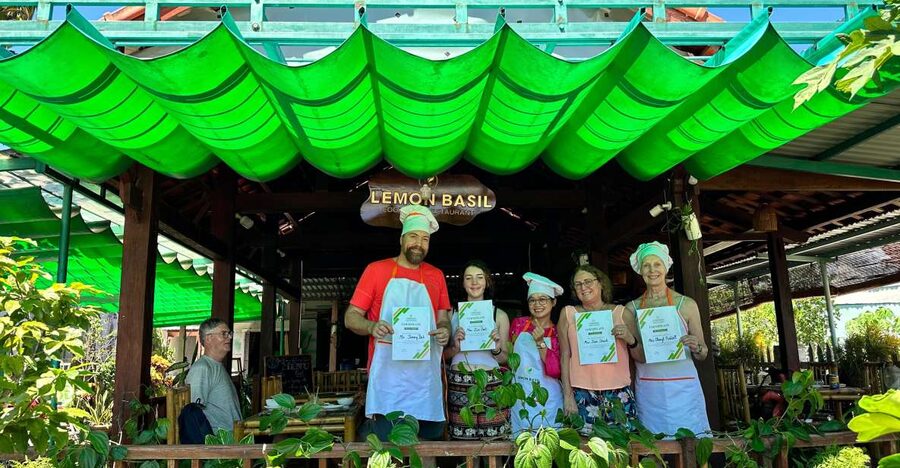
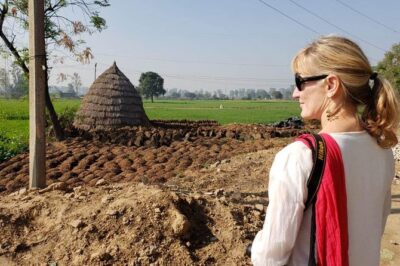
After the market run, the group goes back to the local restaurant in Tra Que Organic Vegetable Village. This is where the day shifts from town energy to a calmer rural pace.
The centerpiece here is learning the basic idea behind the organic approach: vegetables are grown with organic fertilizers such as seaweed and manures. You don’t need to become a soil scientist to enjoy this part. What you get instead is a grounded sense of how everyday farm choices affect the ingredients you’ll later prepare.
What farming looks like on the ground
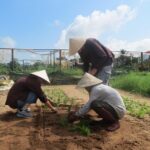
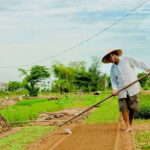
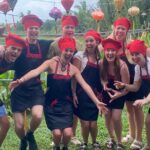
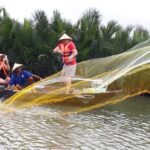
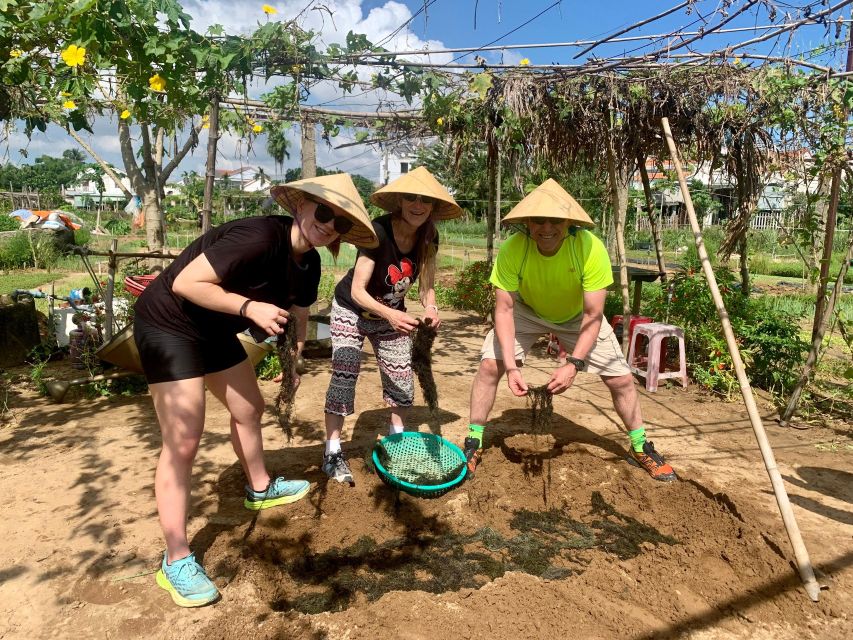
You’ll participate in agricultural activities with the guidance of local farmers. Expect tasks such as:
- hoeing soil
- collecting seaweed
- transplanting
- watering
The value is in doing it, not just hearing about it. It gives you a clearer sense of how much time and labor go into getting fresh herbs and vegetables ready for cooking. You’ll also see how the farm routine is built around ongoing care, not one big harvest day.
One more practical note: you should wear clothes and shoes you don’t mind getting dirty. Farm tasks mean you’ll be closer to the ground than a normal city activity.
The foot massage break after the hard work
Once the farming part is done, the program includes a break and a traditional foot massage using medicinal herbs. This is a smart inclusion because it addresses the most obvious problem with farm days: tired feet and sore legs.
Think of it as a reset before you switch from outdoor work to kitchen work. Even if you don’t have major muscle aches, it helps you feel ready to focus on cooking steps afterward. And because it’s part of the official program, you won’t have to plan your own downtime.
Chef-led cooking: the dishes you’ll actually make
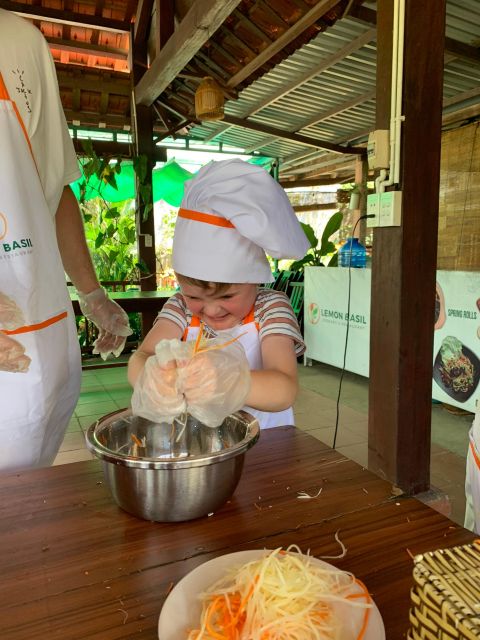
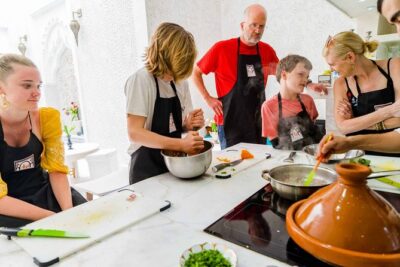
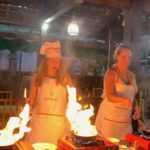
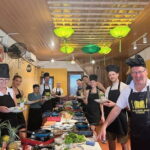
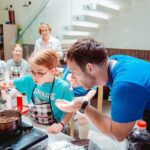
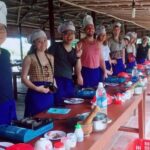
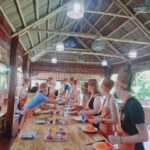
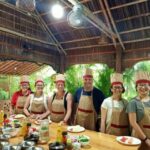
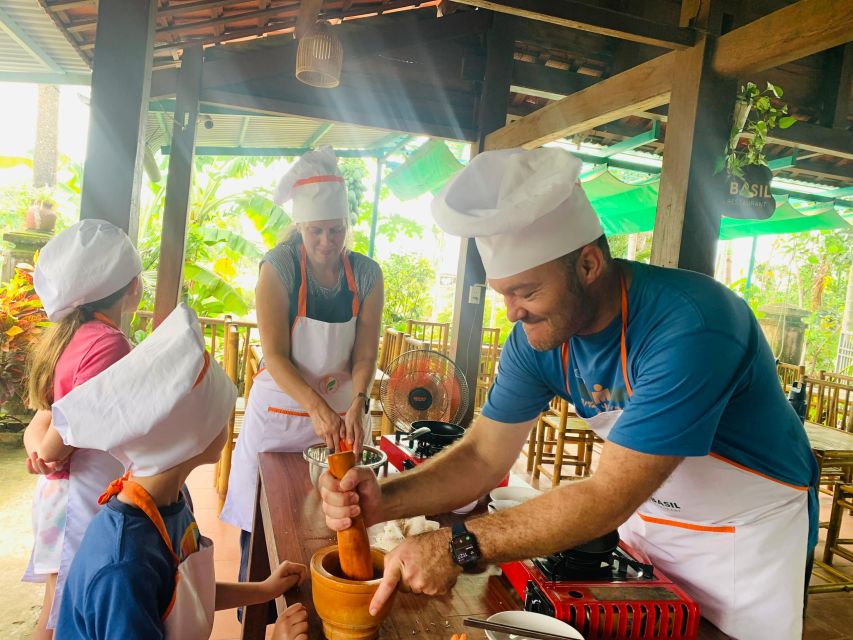
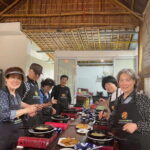
Now comes the part most people booked for: cooking. This class is hands-on with an English-speaking guide/local chef, and it’s built around a menu of familiar Vietnamese favorites.
The general menu includes
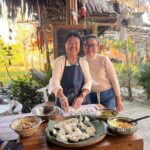
You can expect a meal with these dishes:
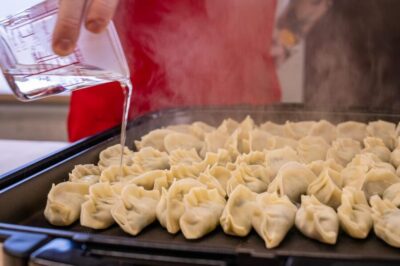
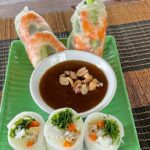
- Fresh spring rolls
- Banh xeo (rice pancake)
- Banana flowers salad
- Fish in clay pot
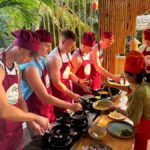
The way the day is structured matters: dishes are prepared and cooked as you go, rather than being dumped on you all at once. That step-by-step rhythm helps you learn technique without feeling lost.
What each dish teaches you
- Fresh spring rolls: great for learning how to balance fresh herbs, vegetables, and wrapping. It’s also a dish where the ingredient prep really shows.
- Banh xeo: a classic rice pancake style that’s all about heat control and batter behavior. When you make it yourself, it suddenly feels less mysterious.
- Banana flowers salad: you learn how a mix of textures and flavors can come together—crisp, tangy, and fragrant.
- Fish in clay pot: this one is about patience and gentle cooking. Clay pot style often means the flavors develop more slowly than quick stir-fry methods.
Can you change the menu?
Yes. The menu is generally offered, but if you want to change dishes, let the team know and they’ll be happy to assist. And dietary needs can be adapted: the program notes that ingredients can be changed for vegan, vegetarian, gluten-free preferences, and allergies—if you contact them with details.
How the day is paced (and how not to over-plan your schedule)
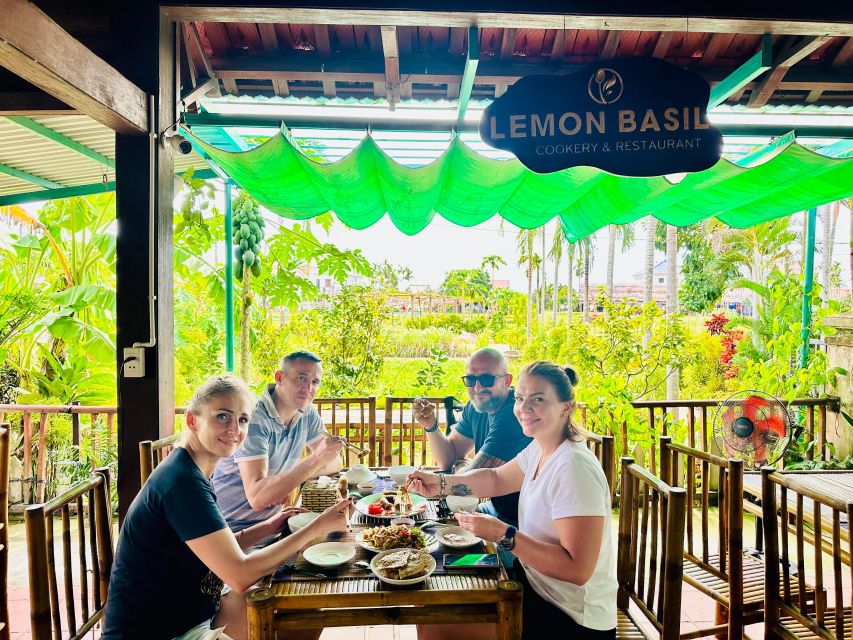
This experience runs about 5 hours, so it’s ideal if you want something substantial without swallowing your whole day. A big reason it feels good is the “progression” through different modes:
1) market shopping
2) farm activities
3) rest and foot massage
4) cooking and eating
You’re never stuck in one stage for too long.
Bicycles, helmets, and getting around
You may transfer by bike with helmets for at least part of the day. In the Hoi An area, this can be a pleasant way to move through the neighborhood vibe instead of doing everything by car. Still, I’d keep in mind this is a structured activity, so don’t plan a second activity immediately after pickup return.
Price and value: what $38 buys you in Vietnam
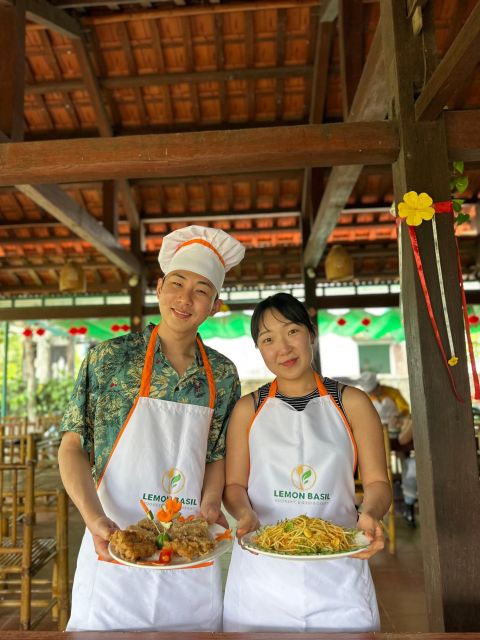
At $38 per person, the price looks simple at first glance. But here’s where the value shows up: you’re not just paying for a recipe lesson.
In the included package, you get:
- pickup and return from hotels in the Hoi An area
- an English-speaking guide/local chef
- farming activities with a local farmer
- traditional foot massage
- a bottle of mineral water
- lunch or dinner
- hands-on cooking with a meal you make yourself
That combination—market ingredients plus farm labor plus massage plus cooking plus your meal—adds up more than a basic cooking class. The included meal is a real part of the cost advantage because you’re eating what your group prepared, not just watching a show and leaving hungry.
The one extra you might spend on your own is drinks, since extra drinks aren’t included.
Who should book this cooking class at Tra Que?
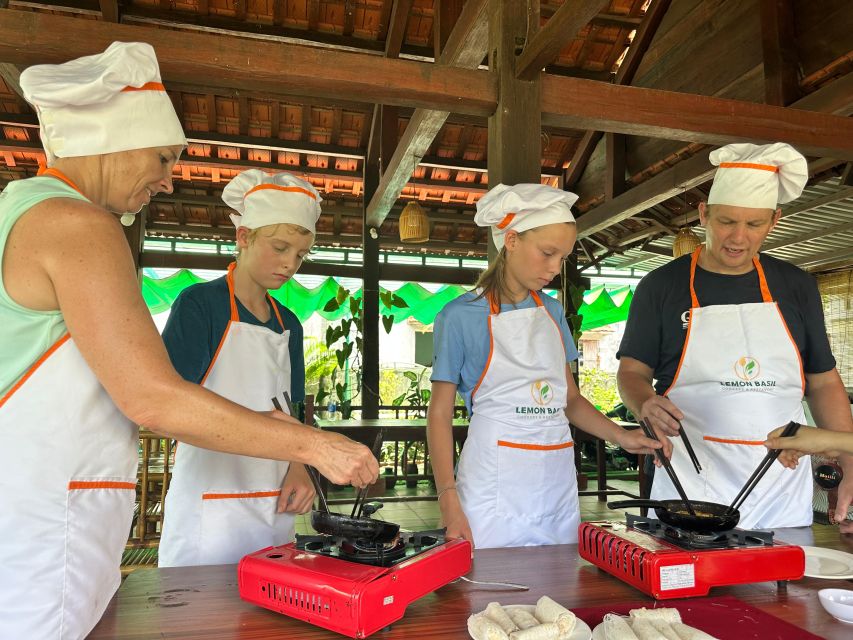
This is a great fit if you like experiences that connect food to place. It’s also ideal if you enjoy learning through doing—shopping in the market, working in the field, then cooking with the chef.
Best matches
- food lovers who want more than recipes
- travelers who enjoy rural Vietnam life at an accessible pace
- people who want a calm, structured half-day rather than a chaotic tour day
- guests who appreciate organic-farming stories grounded in real tasks
Not ideal if
- you want zero physical activity
- you dislike the idea of farm work (hoe/soil/watering)
- you prefer a purely indoor, observation-style cooking class
Practical tips to make your day smoother
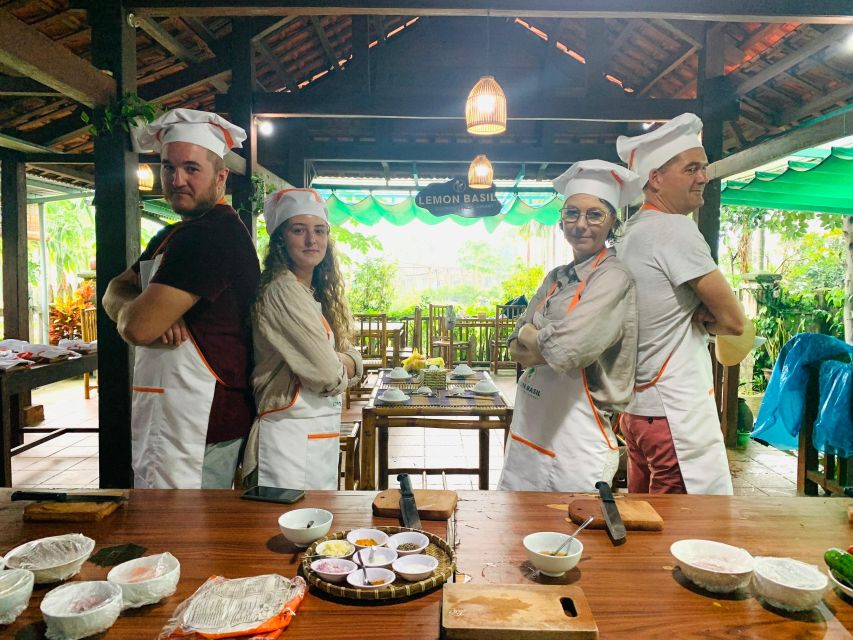
A few small decisions can make a big difference.
- Wear closed-toe shoes. Farming tasks can be messy, and foot massage follows, not before.
- Tell them about dietary needs in advance. The program specifically says ingredients can be adapted for vegan, vegetarian, gluten-free preferences, and allergies, but you need to inform them.
- Bring a mindset for teamwork. This day works best when you’re willing to participate in each step.
- Don’t forget the meal. You’ll eat the dishes you helped prepare—so avoid scheduling a big dinner plan right after the tour.
And a quick note for animal lovers: pets aren’t allowed.
Should you book the Tra Que cooking class?
If you’re the type of traveler who wants your Vietnamese food experiences to have roots, this is a strong booking. You get four major pieces in one go: Hoi An market shopping, hands-on farming in Tra Que, a traditional foot massage, and a chef-led cooking class with a full menu and lunch/dinner.
I’d book it especially if you want value that goes beyond the kitchen. The farm work makes the cooking feel earned, and the meal makes the whole thing practical.
Skip it only if you’re uncomfortable with physical tasks or you want a strictly indoor cooking lesson.
FAQ
How long is the Cooking Class in Tra Que Organic Vegetable Village?
The experience is about 5 hours. Start times vary, so you’ll want to check availability for the time that works for you.
Where does pickup and return happen?
Pickup and return are included for hotels in the Hoi An area only, and the transfer is by car.
Do I get an English-speaking guide and chef?
Yes. The tour includes an English-speaking guide and/or local chef.
What dishes are included in the cooking class?
The general menu includes fresh spring rolls, banh xeo, banana flowers salad, and fish in clay pot. You can also request changes to the menu by letting the team know.
Is lunch or dinner included?
Yes. You’ll have lunch or dinner as part of the experience.
Can the cooking class accommodate dietary restrictions?
Ingredients can be adapted for vegan, vegetarian, gluten-free preferences, or allergies. Contact the provider with your needs so they can adjust the ingredients.
Are extra drinks included?
No. Extra drinks are not included.