REVIEW · ESSAOUIRA
Marrakech cooking class
Book on GetYourGuide →Operated by Rak Adventure · Bookable on GetYourGuide
A Moroccan cooking class that starts at the market. You begin at Place de l’Horloge and head out with your instructor to pick ingredients you’ll actually cook, then you return for Moroccan mint tea and hands-on lessons. It’s a simple setup, but it makes the whole meal feel personal and practical.
What I like most is the family setting and the teaching style: you cook from time-honored recipes with clear, step-by-step guidance. You also get to choose what you cook beyond the main focus, so the class fits your tastes instead of forcing a fixed menu. One possible drawback: if you’re hoping for a dessert course, it may not be part of the plan, since one past participant said dessert would have been a nice touch.
In This Review
- Key moments to look for
- Place de l’Horloge Market Start: buying the real ingredients
- Tea, family kitchens, and getting oriented
- Hands-on couscous step-by-step: the skill you keep
- Choosing dishes: tajine, briwate, zaalouk, and bread
- Lunch and Berber mint tea: eating with purpose
- Languages and teaching style: French, English, Arabic instruction
- Price and time: is $76 for 4 hours good value?
- Who this Marrakech cooking class suits best
- Should you book this Marrakech cooking class?
- FAQ
- What does the class cost?
- How long is the Marrakech cooking class?
- Where is the meeting point?
- What is included in the price?
- What dishes will I learn to cook?
- Do I get tea during the experience?
- Which languages are the instructors?
- Is lunch included?
- Can I pay later?
- Can I get a refund if my plans change?
Key moments to look for
- Place de l’Horloge market start to shop for fresh ingredients before you cook
- Tea welcome as you settle in, with Berber mint tea during the meal
- Hands-on guidance from Khadija and Hussein’s family-style approach
- Choice in the menu (tajine, briwate, zaalouk, Moroccan bread are on the menu options)
- Lunch included and described as a highlight by previous participants
Place de l’Horloge Market Start: buying the real ingredients
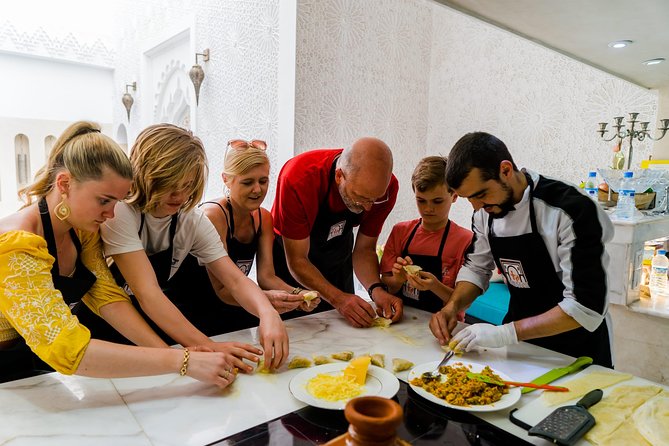
The class begins at Place de l’Horloge, and that matters more than you might think. When you shop first, you learn what the ingredients should look like before they end up in a pot or pan. You also get to talk with local vendors as you choose basics like herbs, spices, and produce, which helps you understand Moroccan flavor without needing a cookbook.
In practice, the market stop also sets the pace. You’re not just watching someone else cook. You’re making decisions early, then following those same ingredients all the way to your plate. One confirmed theme from past participants: they enjoyed picking fresh items like chicken and gathering the rest of the ingredients together, then seeing how those choices change the final dish.
If you’re the kind of person who wants to understand why Moroccan cooking tastes the way it does, this start is a smart move. You’re building a flavor map in your head before you ever heat a pan.
You can also read our reviews of more tours and experiences in Essaouira.
Tea, family kitchens, and getting oriented
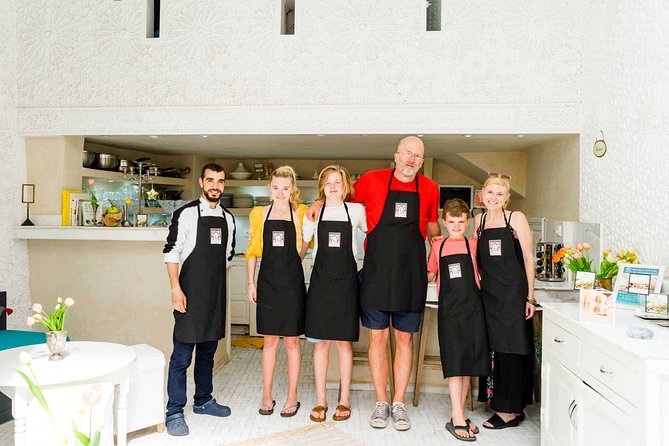
After the shopping time, you’re brought back home for a warm cup of Moroccan mint tea before cooking starts. This isn’t just a cute welcome drink. It’s how you transition from market mode (quick decisions, fast conversations) into kitchen mode (measuring, chopping, simmering, tasting as you go).
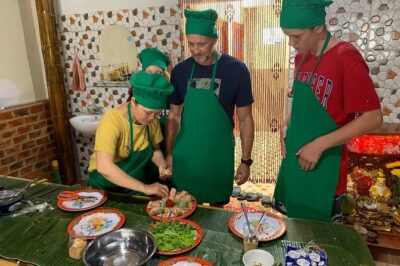
This class is run as a family setup, with hosts named Khadija and Hussein. Past participants highlighted their kindness and hospitality, and that matters because Moroccan cooking is tactile. You learn better when the mood is relaxed and you feel comfortable asking questions while you work.
You’ll also see the teaching philosophy right away: you’re guided through the recipes, not left to guess. The cooking is described as built from family recipes passed down over generations, so you’re not just getting a modern “class recipe.” You’re learning a method that makes sense in a real home kitchen.
Practical note for your mindset: come with a willingness to taste as you cook. Mint tea and small tastings help you calibrate spices and seasoning during the process, so the meal feels less mysterious when you’re done.
Hands-on couscous step-by-step: the skill you keep
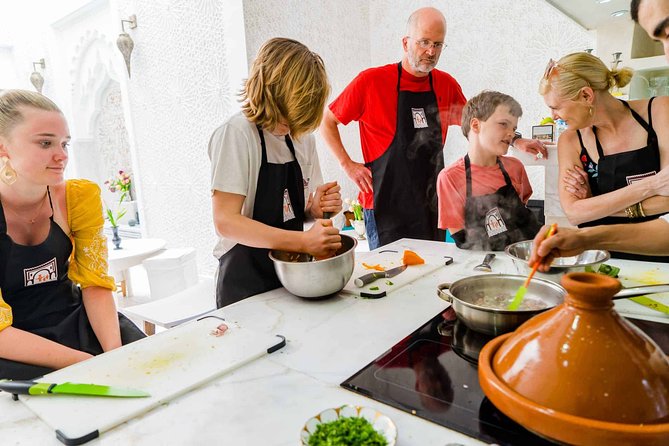
Couscous is the anchor of the lesson, and the way it’s taught is the main reason this class is worth your time. You’ll master crafting it step by step as the dish comes together. Even if you’ve tried couscous before, Moroccan versions often depend on technique and timing, not just ingredients.
Here’s why that’s valuable to you: couscous is one of those meals that can go from bland to memorable fast. The lesson format helps you understand what changes the texture and flavor—how the couscous is prepared, how it’s paired with the rest of the components, and how seasoning shows up in the final bite.
You’ll also get a clearer sense of the Moroccan cooking rhythm. Things simmer while you prep other items. You taste, adjust, and then commit. That’s how you avoid overthinking in your own kitchen later.
One more bonus: doing couscous in a guided setting helps you avoid the common mistake of treating it like a side dish only. In this class, it’s a centerpiece, so you end up learning to make it with confidence, not just following steps robot-style.
Choosing dishes: tajine, briwate, zaalouk, and bread
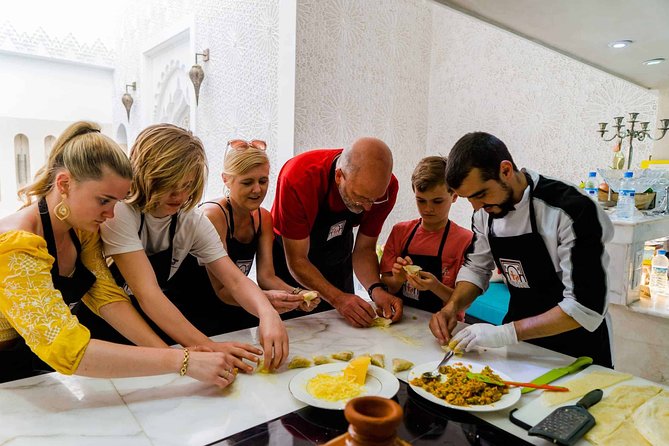
Even though couscous is the main focus, you shouldn’t expect a one-size-fits-all menu. A previous participant specifically praised the flexibility to choose what you want to cook, and the group shops for ingredients together before starting.
From what’s been mentioned in past experiences, your possible dish options include:
- Tajine
- Briwate
- Zaalouk
- Moroccan bread
That choice is a big deal for value. At $76 per person for a 4-hour session that includes lunch and ingredient purchases, you want to leave with something you actually want to eat again. The ability to align the lesson with your preferences makes the class feel less like a tourist checkbox and more like a cooking lesson tailored to you.
It also makes the skill set broader. Tajine teaches you the feel of long-cooking flavor. Briwate leans into shaping and texture. Zaalouk builds understanding of cooked eggplant and seasoning balance. Bread brings it all back to the table.
If you’re a picky eater, or if you want a specific dish rather than just couscous, this kind of flexibility is exactly what makes it feel worth booking.
Lunch and Berber mint tea: eating with purpose
You’ll end up eating the fruits of your work, with lunch included. The meal isn’t separate from the class—it’s the point. You cook, then you taste, then you eat together with the tea.
Berber mint tea shows up again as you enjoy the meal. That’s important because mint tea is such a signature part of the experience that it ties the whole day together. It also works as a flavor reset between bites, which helps you notice the differences between dishes more clearly.
One past participant even said the lunch was the best meal across their trip journey. I wouldn’t promise it will be your top meal, but I would say this: when a class includes lunch that people genuinely remember, that usually means the food is more than reheated classroom leftovers. It’s cooked fresh, and you’re eating in a real home setting.
If you’re watching your timing, remember the class runs 4 hours. That’s enough time for shopping, cooking, and a proper meal, but not enough for a full multi-course dinner. So if you want lots of courses, plan for the lunch to be the big event, not a side show.

Languages and teaching style: French, English, Arabic instruction
Communication matters in cooking classes, especially when you’re learning technique. This class lists instructor support in French, English, and Arabic, so you should be able to follow along even if your Arabic is limited.
A good sign from previous feedback is that people found the pedagogy effective. That usually means you’re getting instructions in a way that matches what you’re doing—chop, cook, taste, adjust—rather than just hearing a general story about the dish.
If you’re thinking about taking this class as a non-French speaker, this is one of the practical upsides. You won’t be stuck guessing at key steps. You can ask questions and get clear guidance while you’re actively cooking.
My advice: come in with at least basic curiosity about spices and steps. Even if your language skills are limited, you’ll understand the process because you’re doing the work, not just watching.
Price and time: is $76 for 4 hours good value?
At $76 per person for a 4-hour cooking class, the value comes from what’s included: lunch, ingredient purchase, and tea, along with the cooking instruction itself. That turns the experience into something more like a food-focused afternoon with a meal at the end, not just a paid demonstration.
Here’s how to judge value for yourself:
- If you only wanted to eat Moroccan food, you could find cheaper meals.
- What you’re paying for here is ingredient shopping plus hands-on cooking plus a guided meal you eat right away.
So the price makes sense when you want both education and payoff. You’re also getting market time at Place de l’Horloge, which adds real context. And because the class can include dish choice, you’re more likely to leave feeling satisfied rather than disappointed that you got a menu you didn’t care about.
One more value point: the host names Khadija and Hussein came up repeatedly in positive feedback for friendliness and availability. Good teaching and good hospitality matter. In a cooking class, that’s not fluff—it affects whether you feel comfortable trying again if something takes longer than expected.
Who this Marrakech cooking class suits best
This is a great fit if you want hands-on Moroccan cooking in a home-style setting. It’s especially good for:
- Food lovers who learn best by doing
- People who like markets and want to pick ingredients, not just eat them
- Couples or small groups who want a social experience around cooking and lunch
- Anyone who wants couscous technique they can realistically repeat later
It’s less ideal if you’re expecting a fast, factory-style lesson or a strict, fixed menu with no flexibility. Since you may choose dishes, the experience is more adaptive than scripted.
Also, consider your expectations around sweets. If you want a dessert course, you may want to plan to grab something after the class. One past participant specifically wished for a dessert touch.
Should you book this Marrakech cooking class?
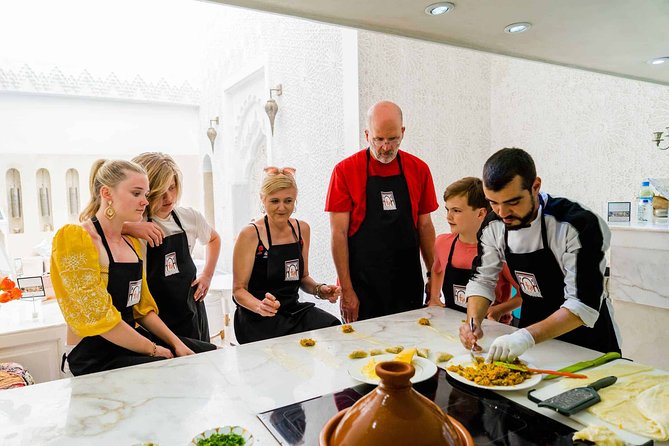
If your goal is Moroccan cooking with real guidance, this class is an easy yes. Starting at Place de l’Horloge gives you ingredient context. Cooking at Khadija and Hussein’s home keeps things human. And finishing with lunch plus Moroccan mint tea means you actually get to enjoy what you made.
Book it if you want more than a quick tasting session and you like the idea of learning while shopping. Skip it or think twice if dessert is a must for you, or if you prefer a long, multi-course dining experience rather than a 4-hour cook-and-eat lesson.
One last thing to check before you go: the description you’ll see may mention Essaouira, even though the class is centered on Marrakech. If that detail matters to you, confirm with the provider so there’s no mismatch in what you’re expecting.
FAQ
What does the class cost?
The price is $76 per person.
How long is the Marrakech cooking class?
The duration is 4 hours.
Where is the meeting point?
The meeting point is Place de l’Horloge. The host will identify clients using their full name.
What is included in the price?
Lunch, ingredient purchase, tea, and the cooking class are included.
What dishes will I learn to cook?
Couscous is the main focus, and you may also cook dishes such as tajine, briwate, zaalouk, and Moroccan bread, depending on what you choose.
Do I get tea during the experience?
Yes. You’ll have tea, including Moroccan mint tea during the class and Berber mint tea with the meal.
Which languages are the instructors?
The instructor can teach in French, English, and Arabic.
Is lunch included?
Yes, lunch is included.
Can I pay later?
Yes. You can reserve now and pay later.
Can I get a refund if my plans change?
Yes. Free cancellation is available up to 24 hours in advance for a full refund.