REVIEW · ESSAOUIRA
Berber Cooking Class at a Farm in the Countryside & shopping at a rural Souk.
Book on Viator →Operated by Ecotourism and Hiking · Bookable on Viator
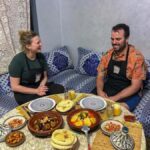
You’ll cook with real fires and real hands. A Berber cooking class in the Haha hills turns a meal into a story, starting in a rural souk and ending with farm herbs in your tea. You also have a strong chance to spot the famous goats in trees on the way.
I love the small group size (max 8). It makes the day feel personal, not rushed, and you can actually ask questions while Khadija and Khadija walk you through barley, flour, and bread. I also love the full food loop here: you shop for staples, you learn how they’re made, then you eat what you helped put together.
The main drawback to plan around is the weather. Lunch is served outside if at all possible, and the tour needs good conditions to run smoothly.
In This Review
- Key Highlights You’ll Remember
- Why the Haha Hills Cooking Class Feels Different From a Typical Tour
- Meeting Point and Getting to the Farm (9:00 Start From Essaouira)
- Souk Time: Choosing Ingredients in a Rural Market
- The Ecological Farm and Berber Kitchen Setup
- Roasting Barley to Stone-Milled Flour: Where Couscous Begins
- Clay Oven Flatbread: Hot Bread With a Local Rhythm
- Couscous in a Clay Pot: Steaming the Way It’s Meant to Be
- Vegetable and Goat Tagine: Spices, Olive Oil, and the Farm Connection
- Lunch Outdoors (If Weather Allows) + Fresh Herb Tea
- Optional Argan Oil Cooperative Visit: Learn, Then Taste
- Goats in Trees: The Photo Moment That Actually Fits the Region
- Price and Value: Is $98.76 Fair for 7 Hours?
- Who This Tour Suits Best (And Who Might Want to Skip It)
- Quick Practical Notes Before You Go
- Should You Book This Berber Cooking Class and Rural Souk Trip?
- FAQ
- Where does the Berber Cooking Class tour start in Essaouira?
- What time does the tour begin and how long does it last?
- Is the lunch included?
- Will we visit a rural souk before cooking?
- What do you learn to cook during the class?
- Is lunch served outside?
- Is an argan oil cooperative visit included?
- Do I need good weather for this tour?
- What is the group size?
- What’s the cancellation policy?
Key Highlights You’ll Remember
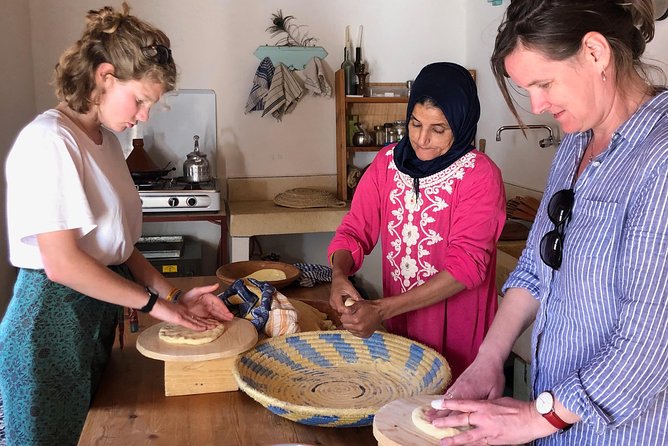
- Haha-region Berber kitchen skills: roasted barley, stone-milled flour, semolina, flatbread, and couscous
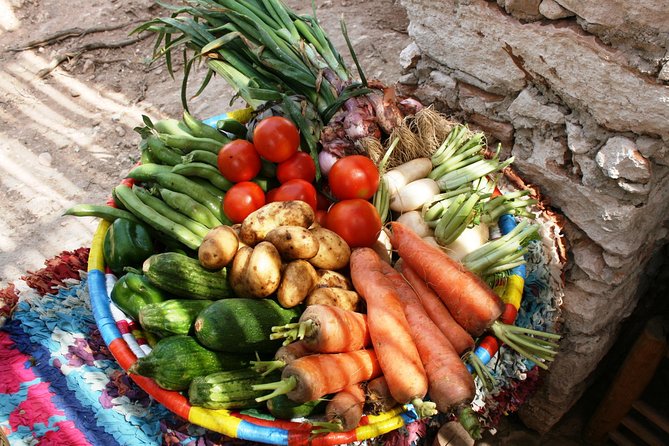
- Souk shopping that feeds your cooking: fruit, vegetables, meat, eggs, honey, and the essentials
- Clay oven + clay pot cooking: bread baked in a clay oven and couscous steamed in a traditional pot
- Vegetable and goat tagine: Moroccan spices and farm olive oil from the olive trees on site
- Optional argan cooperative visit: learn production and taste argan-based products
- Very small group vibe: up to 8 people, guided closely all day
Why the Haha Hills Cooking Class Feels Different From a Typical Tour
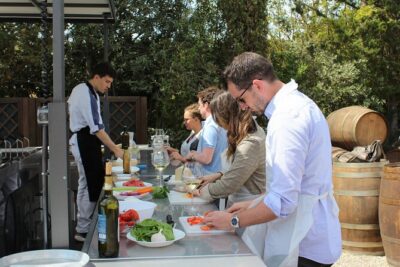
This isn’t just a cooking demo where you watch and leave. You start by shopping in a rural souk for the ingredients that matter, then you move into a farm kitchen where the tools and methods are built for everyday Berber life. The result is simple but powerful: you understand what you’re eating, not just that it tastes good.
The Haha hills are tied to the Berbers, Morocco’s indigenous population, who grow crops and raise animals—often goats and sheep. On this outing, you’re not stuck in a city classroom. You’re out where barley gets roasted over fire and where olive oil comes from trees that actually sit on the farm.
You can also read our reviews of more tours and experiences in Essaouira.

Meeting Point and Getting to the Farm (9:00 Start From Essaouira)
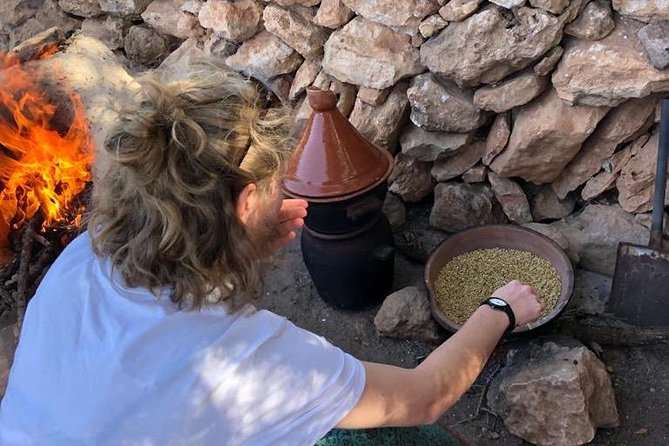
The tour starts at 9:00 am at Labo Abdelkrim Khatabi d’Analyses Médicales, 287 Rue Oued El Makhazine, Essaouira 44000. It runs for about 7 hours, and it ends back at the same meeting point.
The timing matters because you’ll have enough hours to cover three distinct parts of the day: souk shopping, hands-on-style cooking learning at the farm, and optional argan-zone time on the way back. Also, being a max 8 travelers group helps. You won’t be squeezed into a big, slow bus routine.
Souk Time: Choosing Ingredients in a Rural Market
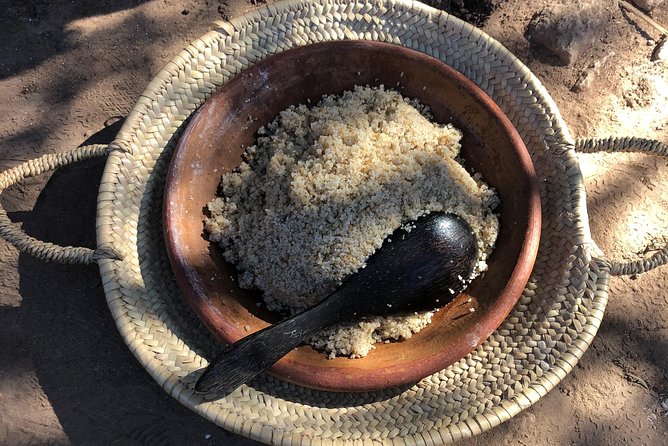
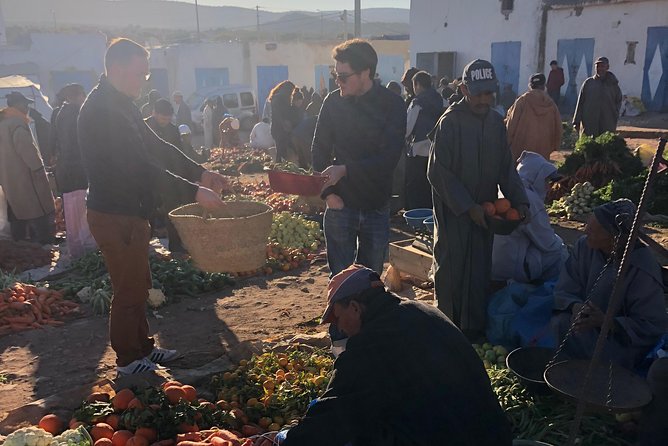
Your day begins in the Haha-region souk, where you’ll see freshly harvested fruit and vegetables alongside core staples like meat, eggs, and honey. Even if you don’t do the buying yourself, being shown what’s used for everyday cooking gives you a better sense of what ends up in the tagine and on the couscous.
Why this stop is worth your attention: Moroccan cooking works because ingredients are treated like building blocks, not just side items. When you see the real shapes, colors, and quantities of what’s available, the cooking class later feels less like a performance and more like a continuation of normal life.
Practical tip: bring your curiosity. Souks are sensory—smells, piles, bargaining energy—so you’ll enjoy this more if you treat it like a tasting tour for your eyes and nose, not a checklist.
The Ecological Farm and Berber Kitchen Setup
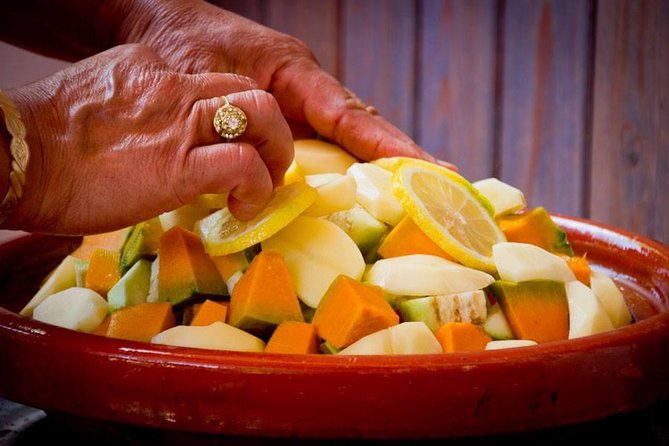
After the souk, you head to an ecological farm focused on an authentic Berber kitchen. The kitchen is stocked with traditional items for food prep, which is a big part of the value. You’re not just learning recipes; you’re seeing the tools that make those recipes possible.
This is where the experience gets especially grounded. The day leans into process: roasting grain, grinding on stone, baking in clay, steaming in a clay pot. That kind of “how it’s done” detail is exactly what makes this feel authentic in the best way.
Also, you’re supported by local women—Khadija and Khadija—who teach the steps. In at least one recent German-speaking day, the guide was Nicole, which shows the tour can be attentive to language needs when available.
Roasting Barley to Stone-Milled Flour: Where Couscous Begins
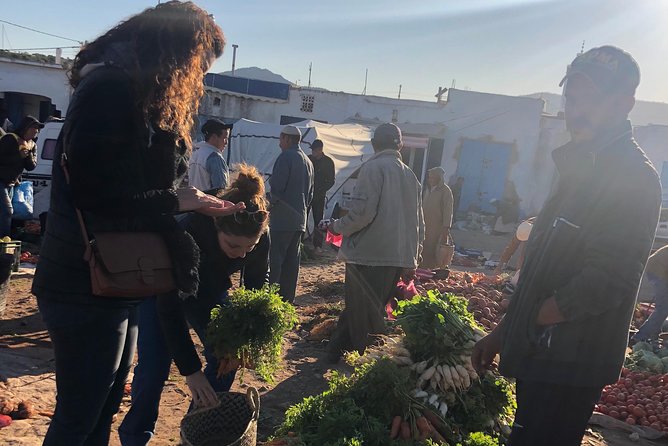
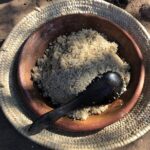
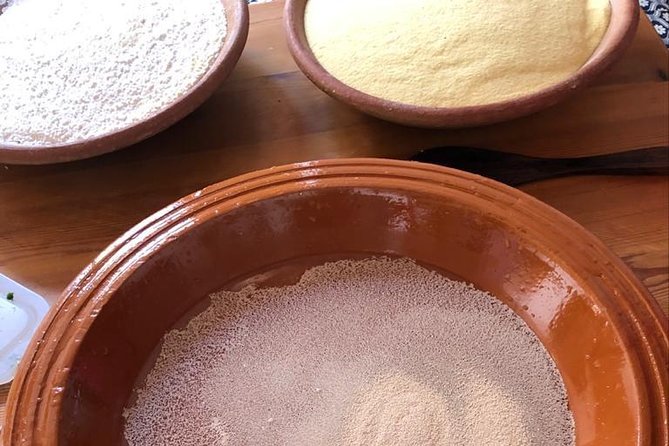
One of the most memorable skills in this class is the barley work. You’ll watch Khadija and Khadija roast the barley grains over the fire, then grind them in a stone mill to produce the flour and semolina.
This isn’t trivia. It changes how you think about couscous. Most people in Europe or North America just buy couscous and cook it. Here, you see the grain transformed first, and that makes the final steaming step feel less mysterious.
If you’re the type who likes food, this portion is a treat because it explains why textures and flavors land the way they do. Roasting grain gives a deeper, warmer tone before anything even hits the clay pot.
Clay Oven Flatbread: Hot Bread With a Local Rhythm
Next comes flatbread baked in a clay oven. Clay ovens cook differently than metal—heat behaves differently, and bread development gets tied to that traditional setup. Even if you don’t run the oven yourself, you’ll see how the heat and timing come together.
This part is also practical for your future cooking. When you’ve seen clay bread made, you’ll start noticing how “flatbread” varies across Morocco: some are softer, some more toasted, some thicker. The class gives you context, so you can order or bake with more confidence later.
Expect the smell of wood-fire cooking and the feel of a working kitchen. It’s not a sterile kitchen with perfect lighting—it’s the real kind, the kind where people cook because they have to.
Couscous in a Clay Pot: Steaming the Way It’s Meant to Be
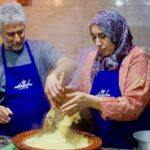
After the bread, the class moves to couscous steamed in a traditional clay pot. Steaming is the heart of couscous technique, and clay pots help you understand how heat and steam work together to create that fluffy, layered texture.
Why this matters for you: couscous is often treated like a side. In this class, it becomes a centerpiece, because you’re learning the method that makes it work. When you eat, you’re tasting the result of grain processing plus careful steaming—not just seasoning.
Vegetable and Goat Tagine: Spices, Olive Oil, and the Farm Connection
The main dish you’ll learn is a traditional tagine of vegetables and goat meat, seasoned with Moroccan spices and cooked with olive oil. The oil used is from olive trees growing on the farm, which is one of those details that turns a meal into a real connection to place.
Tagines are popular, but this one lands differently because you’re not just eating a dish you ordered. You’re eating something tied to the farm’s ingredients, with spices handled through the farm kitchen approach you’ve been watching all day.
Even if you’re not a big goat fan, pay attention to the balance: vegetables, spices, and oil are meant to work as one system. You’ll get a clearer idea of how tagines should taste when they’re cooked with intention, not speed.
Lunch Outdoors (If Weather Allows) + Fresh Herb Tea
Lunch is served after the cooking learning, and outside seating depends on weather. When it works, eating in calm countryside surroundings becomes its own highlight. You’re not rushing between stops—you’re sitting down where the food came from.
After lunch, you’ll enjoy tea infused with fresh herbs from the garden. This isn’t just a sweet ending. It’s a palate reset that makes sense after spice-heavy food. The herb tea also reinforces the farm feel: even the final drink is tied to what’s growing on site.
Since the tour requires good weather, plan on flexible energy. If it’s not ideal outside, the timing and seating may shift, but the core cooking sequence remains the point.
Optional Argan Oil Cooperative Visit: Learn, Then Taste
As you drive through the argan zone, you have the option to visit an argan oil cooperative. You’ll learn how argan oil is produced, and they’ll offer a taste of products made with it.
This stop is smart if you’re the type who likes to connect the ingredient to the real-world supply chain. Argan oil isn’t just a “cool souvenir oil.” Here you get production context, plus the chance to taste what locals and cooperatives make from it.
One note: because it’s optional and route-dependent, don’t plan your entire expectations around it. Treat it as a bonus when it fits the day.
Goats in Trees: The Photo Moment That Actually Fits the Region
Very likely, you’ll see the famous goats in trees on this part of the route south of Essaouira. It’s the kind of sight that tends to turn into a photo spree, but in this context it’s not random. Goats are part of how the area works and survives—animals are part of the everyday farm ecosystem you’ve been learning about.
If you’re hoping to photograph, bring your patience. You might spot them at a distance first, so keep your camera ready when the guide signals that something is worth stopping for.
Price and Value: Is $98.76 Fair for 7 Hours?
At $98.76 per person for about 7 hours, this class can look pricey at first glance—until you break down what’s included. You’re getting a full day that blends souks + farm cooking + lunch + herb tea, plus a potentially valuable add-on in the form of an argan cooperative visit.
The small group size (max 8) also adds value. Larger groups dilute the teacher-student moments, especially during grinding, baking, and tagine learning. Here, you have a better chance of asking questions and getting real guidance.
One more clue: this experience is commonly booked around 55 days in advance. That suggests demand stays steady, likely because people want exactly this combination of Berber cooking and countryside time near Essaouira. If you want your preferred date, it’s wise to book earlier rather than waiting for last-minute plans.
Who This Tour Suits Best (And Who Might Want to Skip It)
This tour is ideal if you want hands-on food learning in a countryside setting rather than a purely classroom lesson. If you like tasting local ingredients and understanding why dishes are built the way they are, you’ll get your money’s worth.
It’s also a strong match for couples or small friend groups because the max 8 traveler limit keeps things relaxed. If you’re traveling with kids, note that the core experience is cooking and farm-based learning, so age comfort can vary.
The one category I’d gently flag: if you hate being outdoors or you’re very weather-sensitive, keep in mind the tour depends on good conditions. Lunch is outside if possible, and the operator will adjust if weather doesn’t cooperate.
Quick Practical Notes Before You Go
You’ll carry a mobile ticket, and you’ll start at 9:00 am from the Essaouira address listed in the booking. Service animals are allowed, and “most travelers can participate,” so this generally isn’t an extreme activity tour.
Confirmation is typically received within 48 hours, depending on availability. And because the tour needs good weather, you should treat it as a “weather-ready” plan, not a guarantee of a perfect outdoor lunch every day.
Should You Book This Berber Cooking Class and Rural Souk Trip?
If you want one Essaouira-area day that’s genuinely about food and place, I’d book it. The best part is the way the day connects: you shop at a rural souk, then you learn bread and couscous steps that start with roasted barley, then you eat a tagine built with farm olive oil, finished with herb tea from the garden.
The only real reason to hesitate is weather dependence. If your schedule can absorb a reschedule, this becomes an easy yes. If you’re stuck with only one possible day and the forecast looks shaky, you might consider holding off and booking when you have more flexibility.
In short: this is a solid value day built around authentic Berber cooking, countryside calm, and a small-group feel that makes you part of the process.
FAQ
Where does the Berber Cooking Class tour start in Essaouira?
It starts at Labo Abdelkrim Khatabi d’Analyses Médicales, 287 Rue Oued El Makhazine, Essaouira 44000, Morocco.
What time does the tour begin and how long does it last?
The start time is 9:00 am, and the duration is about 7 hours.
Is the lunch included?
Yes. Lunch is served during the experience, and herb tea is included afterward.
Will we visit a rural souk before cooking?
Yes. The tour includes a stop at a local rural souk for ingredients like fruit, vegetables, meat, eggs, and honey.
What do you learn to cook during the class?
You learn to roast barley (shown), grind it into flour and semolina (shown), bake flatbread in a clay oven, steam couscous in a traditional clay pot, and make a vegetable and goat tagine with Moroccan spices and olive oil.
Is lunch served outside?
It depends on the weather. Lunch is served outside if at all possible.
Is an argan oil cooperative visit included?
An argan oil cooperative visit is optional. You’ll have the option to stop and learn about production and taste products made with argan oil.
Do I need good weather for this tour?
Yes. The experience requires good weather, and if it’s canceled due to poor weather you’ll be offered another date or a full refund.
What is the group size?
The tour has a maximum of 8 travelers.
What’s the cancellation policy?
You can cancel for free up to 24 hours in advance for a full refund. If you cancel less than 24 hours before the start time, the amount paid is not refunded.