REVIEW · FEZ
Cooking Class with Bread Workshop and Pastry in Fes
Book on Viator →Operated by Bless Munatas · Bookable on Viator
Fez tastes better with flour on your hands. This cooking class turns a traditional market tour into real decisions about your meal, then walks you through making it step by step. I like that you also learn the art of Moroccan tea while everything cooks, so it feels like more than just a recipe list. One thing to consider: it’s only about 2 hours, so you’ll learn a lot, but you won’t get a super long, slow course.
Expect a small group (up to 20) and a home-kitchen feel. In past sessions, instructors such as Bliss Munatas and Chaimae have guided people through bread, pastries, and classic dishes like Chicken Tajine and Pastilla. With a limited time window and your menu choice, it helps to show up ready to cook and ask questions right away.
In This Review
- Key Highlights Worth Planning For
- Why This Fez Bread and Pastry Class Works in Just Two Hours
- Starting at Dhar Richa: The Market Tour That Shapes Your Meal
- Bread Workshop and Pastry in Fez: Learn Techniques You Can Reuse
- Choosing Your Menu: How to Get the Class You Actually Want
- Moroccan Tea Show and Pastries: The Part People Remember
- Eating Together in a Small Group: Value in the Hands-On Format
- Price and Value: Is $46.53 Worth It?
- Practical Tips Before You Go to Dhar Richa
- Should You Book This Fez Cooking Class?
- FAQ
- How long is the cooking class in Fez?
- Where does the cooking class start?
- What does the class include besides cooking?
- Is it a small group?
- What’s the price per person?
- How does cancellation work?
- Does weather affect the experience?
Key Highlights Worth Planning For
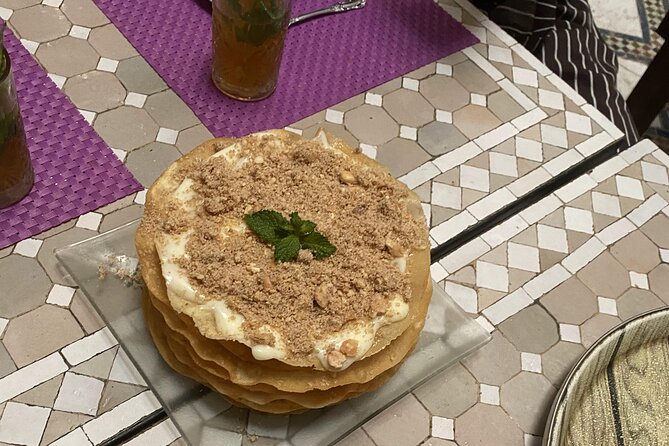
- Traditional market ingredient hunt so your cooking starts with real choices
- Bread workshop plus pastry skills focused on hands-on technique
- Moroccan tea know-how taught during the cooking flow
- Menu you choose (bread and pastry can be a priority)
- Small group format for more direct instructor attention
- Shared meal with what you make plus Moroccan pastries served
Why This Fez Bread and Pastry Class Works in Just Two Hours
In Fez, cooking classes can feel either too rushed or too vague. This one lands in a practical middle: you spend time selecting ingredients, then you actually make things with clear instruction. The structure matters. When you begin at the market, the class stops being abstract. You learn what ingredients you’re using and why they belong together.
I also like that the experience doesn’t end at the stove. You’ll eat what you prepared, and Moroccan tea is part of the show, not a last-minute add-on. It’s a smart way to turn cooking into an experience of Moroccan hospitality.
The main tradeoff is time. With an approximate 2-hour duration, you won’t master every Moroccan dish under the sun. But you will leave with a strong base: bread-making or pastry technique, tea service basics, and the confidence to cook something similar at home.
You can also read our reviews of more tours and experiences in Fez.
Starting at Dhar Richa: The Market Tour That Shapes Your Meal
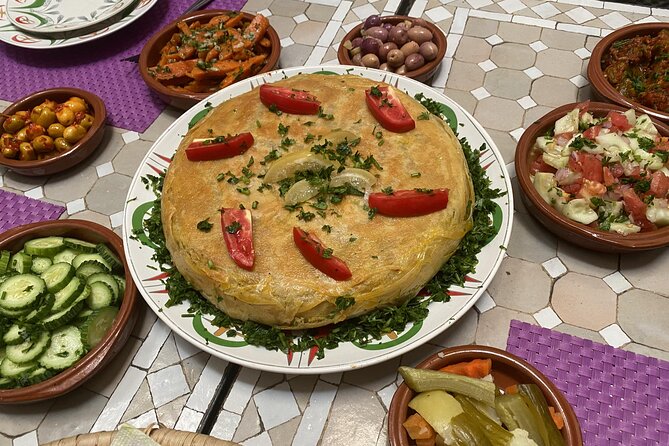
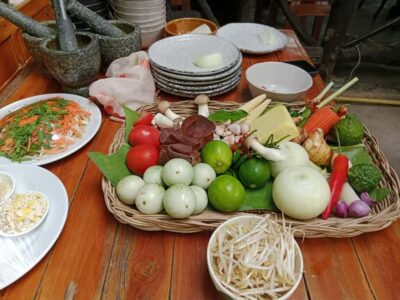
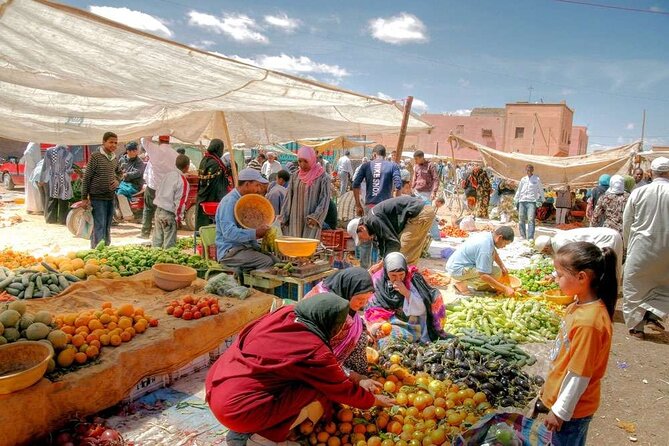
The class meets at Dhar Richa, Fez and returns there at the end. Expect the day to start with a market tour first. This part is more than a photo stop. You’re guided through ingredients, what they’re used for, and how they fit into the menu you’ll cook later.
Here’s why that matters for you: Moroccan cooking depends on flavor building. Spices, herbs, flour types, and sweet ingredients aren’t interchangeable. When you see them up close and hear the purpose of each, you can cook with intent instead of guessing.
During the market segment, the guide explains what the ingredients do. Then you head back to the cooking place and start prepping your menu choice. That loop is the value. You’re not just learning recipes—you’re learning a process: shop, understand, cook, eat.
One practical tip: wear comfortable shoes. Fez markets involve lots of walking and tight spaces, and you’ll want good footing before your hands get floury.
Bread Workshop and Pastry in Fez: Learn Techniques You Can Reuse
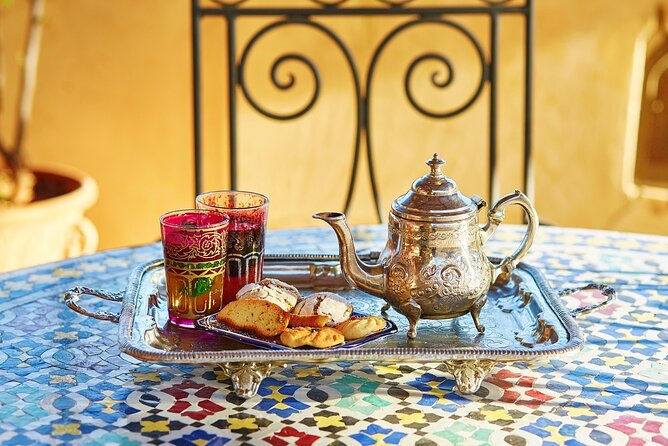
This class is built around hands-on cooking with workshop options that can include bread making and pastry classes for traditional sweets. If bread and pastries are your top goals, you’ll want to say so when you choose your menu.
In real-world examples from past instructors, people have asked for bread and pastry and received very hands-on instruction. The key takeaway for you is the teaching style. Rather than pointing and talking from a distance, the instructor helps you work the dough, shape portions, and understand what good results look like while you’re in the middle of it.
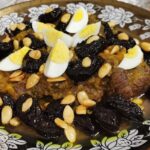
If you’re more of a savory cook, don’t worry. The menu options can include Moroccan dishes beyond sweets. Past sessions mention classic choices like Chicken Tajine and Pastilla, which gives you an idea of how flexible the day can be when you tailor what you want to learn.
What to expect in the workshop portion:
- Ingredient prep after you shop (so you know what you bought)
- Step-by-step guidance as you cook your chosen menu
- Practical instruction on texture and doneness cues, not just timing
Also, keep your expectations grounded. In two hours, the goal is technique and a finished meal, not a lab-grade culinary education. Still, you’ll come away with real confidence because you’ll do the work—not just watch.
Choosing Your Menu: How to Get the Class You Actually Want
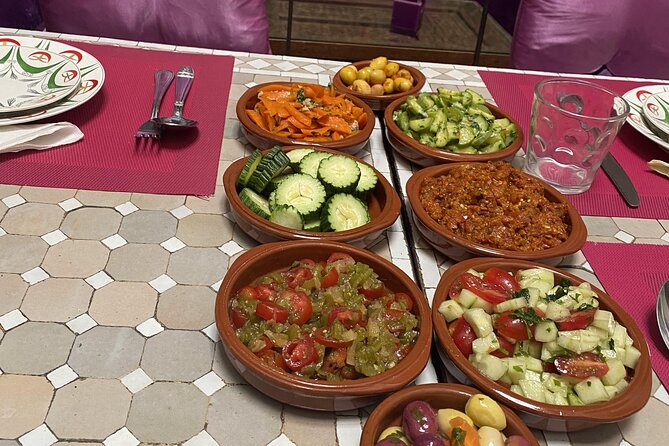
Your menu is part of the experience. You’ll choose what you want to cook, and then you start preparing it once you return from the market. That matters because Moroccan food is broad. If you go in without preferences, you might leave with something you didn’t care about most.
If you want a bread-and-sweet focus, that’s a smart approach, and it matches the way people have described their experiences with instructors like Bliss Munatas. If you prefer a big, iconic Moroccan flavor experience, a combination like Chicken Tajine and Pastilla has been a popular choice in past classes led by Chaimae.
A good way to set yourself up:
- Decide whether you want bread and/or pastry as the centerpiece
- If you’re curious about a specific dish you’ve heard of (like tajine or pastilla), choose accordingly
- Ask questions during cooking, not after the meal is plated
Because this is a small-group experience, your questions don’t get lost. With up to 20 travelers, the instructor can keep an eye on multiple people at once—still interactive, not chaotic.
Moroccan Tea Show and Pastries: The Part People Remember
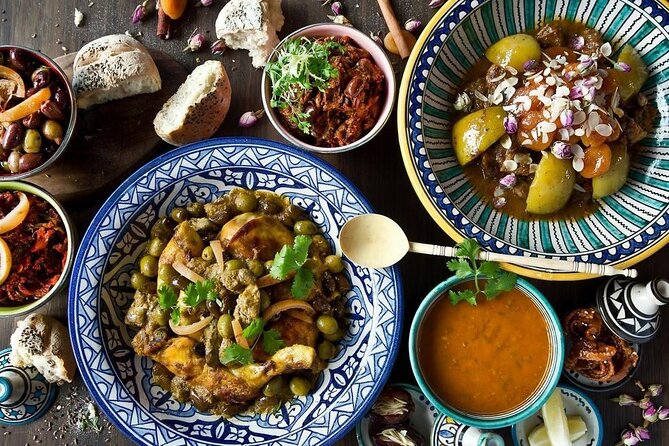
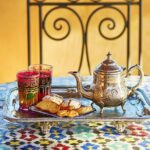
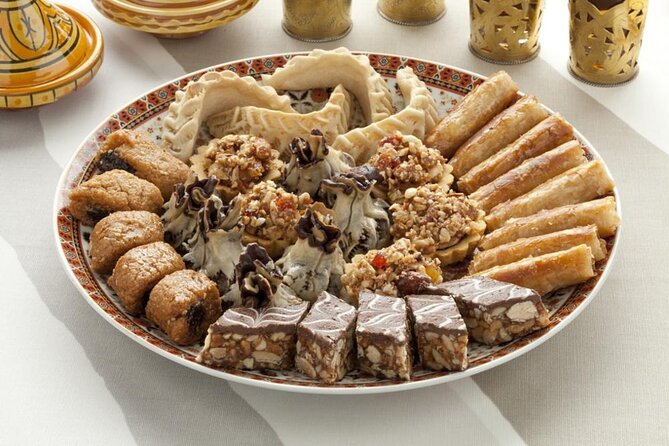
Moroccan tea is one of the few food traditions that feels like a mini performance. In this class, you’ll learn the art of making Moroccan tea as part of the flow, then you’ll sit down to enjoy the meal. There’s also a tea live show element, with Moroccan pastries served.
Why this matters for your day: tea turns cooking into a full cultural moment. Food gets served with story and ritual, not just plates. If you’re the type who wants to understand what people actually do, not just what they eat, this tea portion is one of the best reasons to book.
Also, tea and pastries help balance the experience. Even if you focus on savory cooking, you’ll still get the sweet side of Moroccan flavor. And if your workshop choice leans heavily toward bread and pastries, the tea service makes the whole thing feel complete.
Eating Together in a Small Group: Value in the Hands-On Format
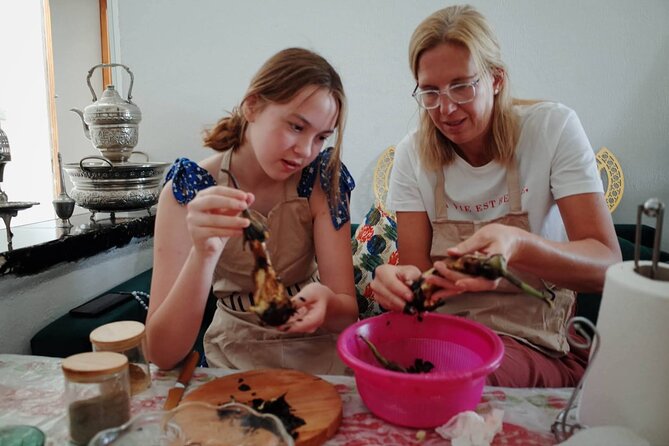
After cooking, you’ll enjoy the fruits of your labor with your classmates. This shared meal format is part of the value. You’re not dining alone in a restaurant with food you didn’t make. You’re sitting with people who also chose the market ingredients and worked through the steps.
That social element can be as quiet or lively as your group makes it. But the real benefit is practical: you get a feedback loop. If you’re unsure about how something turned out, you can ask. If your dish needs adjustments next time, you’ll know what went right or wrong because you were involved.
The class also runs with a maximum of 20 travelers, which supports more instructor attention. In cooking classes with huge groups, you often wait your turn. Here, the pace is designed for you to actively cook and learn.
Price and Value: Is $46.53 Worth It?
At $46.53 per person, you’re paying for a specific set of things that are harder to do on your own in a single evening: market guidance, hands-on cooking instruction, tea know-how, and a shared meal that includes Moroccan pastries served.
The value isn’t just the food. It’s the combination:
- You shop first, so you learn ingredients and purpose
- You cook with direct guidance, not trial-and-error
- You learn tea service as part of the experience
- You sit down to eat what you made
For Fez, that’s a fair way to get a structured food experience without spending hours planning meals, finding the right ingredients, and sorting out recipes. If your goal is to take home skills, this price can make a lot of sense. If your goal is purely eating (no cooking), then you might compare it to restaurant meals. But if you want to leave with technique, the cost-to-learning ratio is strong.
Also, the class uses a mobile ticket, which makes it easier to manage once you’re on the move in the medina area.
Practical Tips Before You Go to Dhar Richa
A few small things will make your cooking class smoother:
- Plan for short, focused time. With an approximate 2-hour schedule, be ready to start quickly.
- Wear comfortable clothes and shoes. You’ll be cooking and shaping things, and flour happens.
- Bring a good attitude for hands-on learning. You’ll get more from the class if you ask about texture, seasoning, and tea steps while you’re working.
- Ask for your preferences early. If bread and pastry are your priority, make that clear before cooking begins.
And because this experience requires good weather, you should keep an eye on conditions close to your start time. If it needs to be changed due to weather, the alternative date or full refund is part of the deal.
Should You Book This Fez Cooking Class?
Book it if you want a Moroccan food experience that’s practical, not just scenic. This is best for people who:
- Want bread and pastry skills they can repeat later
- Like structure: market → cooking → meal → tea
- Enjoy small-group instruction and hands-on work
- Are curious about classic Moroccan dishes like tajine and pastilla
Skip it if you’re looking for a long, slow multi-hour cooking course or a deep dive into Moroccan cuisine’s entire range. This is a tight, friendly class built for results in a short window.
If you’re in Fez and want to walk away with both food and technique, this one is an easy yes.
FAQ
How long is the cooking class in Fez?
The experience lasts about 2 hours.
Where does the cooking class start?
It starts at Dhar Richa, Fes, Morocco, and it ends back at the same meeting point.
What does the class include besides cooking?
You’ll shop for ingredients at a traditional Moroccan market, learn cooking techniques, learn the art of making Moroccan tea, and share a meal together with Moroccan pastries served.
Is it a small group?
Yes. The experience has a maximum of 20 travelers.
What’s the price per person?
The price is $46.53 per person.
How does cancellation work?
You can cancel up to 24 hours in advance for a full refund. If you cancel less than 24 hours before the experience start time, the amount paid is not refunded.
Does weather affect the experience?
Yes. This experience requires good weather, and if it’s canceled due to poor weather, you’ll be offered a different date or a full refund.