REVIEW · MARRAKESH
Moroccan Cooking Class with Market Visit and Meal
Book on Viator →Operated by Next Stop Morocco · Bookable on Viator
Spices start before you cook them. This Marrakech cooking class takes you from a local market to a riad kitchen, where you learn to work with iconic ingredients like Ras El Hanout and saffron. I especially love how hands-on it is, and I like that the cooking is built around family-style recipes instead of a show.
The main drawback: if you want a polished, sit-and-watch experience, this hands-on class may feel a bit too active. Also, the extra info mentions bringing a swimsuit linked to a hammam step, so double-check what’s included with your booking.
That said, the vibe is warm and practical—small groups (max 12), a full 4-hour session, and you end by eating what you make in a Moroccan salon.
In This Review
- Key Highlights to Know Before You Go
- Market Morning in Marrakech: Choosing Spices Like a Local
- The Riad Kitchen Workflow: How the Class Stays Practical
- Cooking the Three-Course Moroccan Menu (and Why It’s Not Random)
- Course One: Salads that Set the Flavor Direction
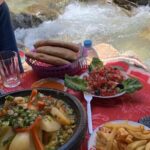
- Course Two: Tajine and the Comfort of Slow-Built Flavor
- Course Three: Couscous and a Dessert for the Grand Finish
- The Moroccan Salon Meal: Eating in the Right Atmosphere
- What You Get to Take Home: Recipes and Spice Shopping You’ll Actually Use
- Price and Timing: Is It Worth $38.72?
- Logistics That Affect Your Experience
- Who Should Book This Cooking Class in Marrakech?
- Should You Book This Moroccan Cooking Class?
- FAQ
- Where is the meeting point for the cooking class?
- How long is the Moroccan cooking class?
- What time options are available?
- Is the market visit included?
- What Moroccan dishes will I help cook?
- How many people are in a group?
- Do I eat what I cook?
- Do I need to bring a swimsuit?
Key Highlights to Know Before You Go
- Market-to-table shopping: You learn what to look for in fresh ingredients and signature spices like saffron and Ras El Hanout.
- A spacious riad kitchen: You cook in a well-equipped setting, not a tiny demo corner.
- A full three-course menu: Plan on making salads, tajines, couscous, and a dessert.
- Hands-on technique time: You practice chopping, seasoning, and cooking with guidance from local chefs.
- Small-group feel: Limited to 12 travelers, which makes it easier to get help while you cook.
- Take-home support: You receive a digital recipe booklet and can purchase spices to bring back.
Market Morning in Marrakech: Choosing Spices Like a Local
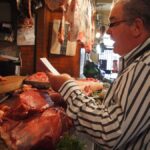
The experience starts at Flavors of Marrakech on Rue Fatima Zahra. From there, you head to a local market (morning session only) to learn how Moroccan cooking starts long before the first pot hits the heat.
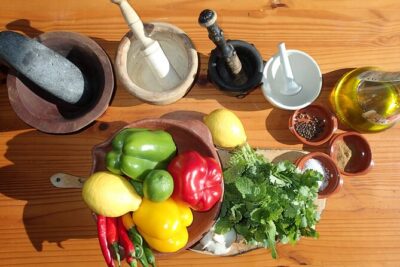
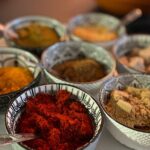
This part matters because spices are not just flavor—they’re a system. You’ll practice how to select and recognize iconic staples used across Moroccan kitchens, including Ras El Hanout and saffron, plus other common seasonings like cumin and paprika. If you’ve ever bought a spice blend at home and wondered why it didn’t taste the same, this is the piece that can change everything.
One practical tip: markets move fast. Wear comfortable shoes and expect to walk, point, smell, and ask questions. It’s not about collecting souvenirs—it’s about training your eye and nose for ingredients you’ll cook with later.
You can also read our reviews of more tours and experiences in Marrakesh.

The Riad Kitchen Workflow: How the Class Stays Practical
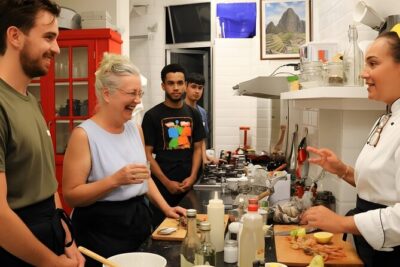
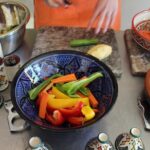
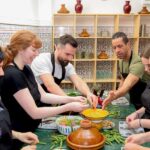
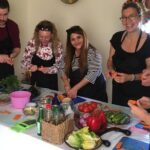
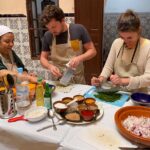
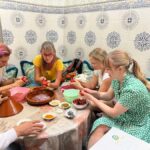
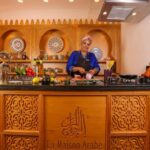
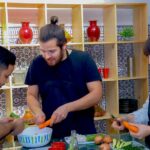
After the market, you return to a spacious riad kitchen where the real work begins. This is where the class earns its keep: you’re not just watching someone cook, you’re doing the chopping, seasoning, and cooking under guidance.
The chefs focus on technique that actually transfers. You’ll work on the basics that matter most in Moroccan food—how to chop evenly, how to season with confidence, and how to build flavor as you cook. That approach is what helps you make a tajine or a couscous dish without feeling like you’re guessing.
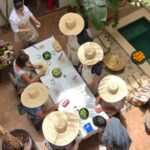
The kitchen setting also changes the tone. A riad feels calmer and more personal than a big restaurant kitchen, and the room is described as spacious and well-equipped. In plain terms: you should be able to move, work at your station, and cook without feeling cramped.
Cooking the Three-Course Moroccan Menu (and Why It’s Not Random)

You’ll prepare a full three-course meal using authentic family recipes. The menu is Moroccan, but it’s structured so you learn by doing and taste as you go.
Course One: Salads that Set the Flavor Direction
You’ll start with a salad—fresh, seasoned, and used as a palate-shaper. In Moroccan meals, salads aren’t an afterthought. They help you understand how acidity, herbs, and spice work together before the heavier dishes.
Course Two: Tajine and the Comfort of Slow-Built Flavor
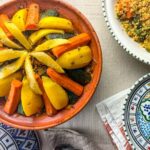
Next comes the tajine. This is where you’ll practice cooking with intention, not speed. You’ll work with seasoning and timing so the dish tastes cohesive instead of one-note.
A tajine’s flavor is about balance: spice level, aromatics, and the way ingredients soften in the cooking process. Once you learn that balance here, you’ll be better prepared the next time you try the dish at home.
Course Three: Couscous and a Dessert for the Grand Finish
Then you’ll move to couscous and a dessert. Couscous teaches texture and method—how everything comes together so it’s not dry or uneven. The dessert gives you a clear endpoint, which is great for confidence: you finish the full cycle of Moroccan sweets as well as savory cooking.
Throughout the class, you’ll use spices you encountered earlier—saffron, Ras El Hanout, cumin, paprika—so the market lesson doesn’t feel disconnected. It’s the same ingredients, now in food form.
The Moroccan Salon Meal: Eating in the Right Atmosphere
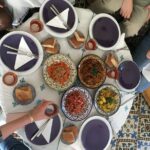
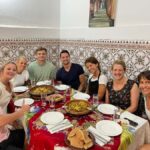
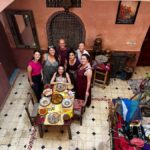
When you’re done cooking, you’ll eat your creations in a Moroccan salon. This part matters more than it sounds. If a class ends with food left on a counter, you don’t get that satisfying sense of completion.
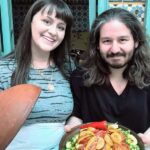
Here, you sit down and enjoy what you made, which turns the cooking into a complete experience: market learning, kitchen practice, then a meal with real atmosphere. The setting is described as beautifully set, so you’re not just hungry—you’re part of the finishing ritual.
Also, this is family-style hospitality. That’s a subtle but important difference from the more “teacher in front, students in back” vibe. If you want a relaxed, human experience rather than a performance, this arrangement fits.
What You Get to Take Home: Recipes and Spice Shopping You’ll Actually Use
You’ll receive a digital recipe booklet after the class. This is huge value because it reduces the guesswork when you’re back at your kitchen.
You’ll also have the option to purchase spices to take home. That’s not just for collectors. It’s how you keep the flavors consistent when you recreate your meal later. If you learned what Ras El Hanout or saffron should smell and taste like, you’ll know what to look for when buying again.
My advice: take notes during the class. Even quick notes like which spice blend you used, how much, or what the chef said about seasoning can save you later. The booklet helps, but your memory of the process helps more.
Price and Timing: Is It Worth $38.72?
At $38.72 per person for about 4 hours, you’re paying for more than a meal. You’re paying for guided market selection, hands-on instruction, and a full three-course experience.
That price can feel especially fair because the group size is capped at 12 travelers, and you’re not stuck waiting while someone else cooks. Also, the experience is offered in both a 10:30 am morning session (with the market visit) and a 5:30 pm evening session (market is morning only).
If you’re trying to schedule around other Marrakech plans, think like this:
- Morning works well if you want the market energy early and a meal that becomes your main lunch.
- Evening works well if you want the class as your anchor activity before dinner plans.
One more practical note: free cancellation is available up to 24 hours in advance for a full refund, so you’re not locked in if your schedule shifts.
Logistics That Affect Your Experience
This is a mobile-ticket experience, and the meeting point is near public transportation, which makes it easier to get there without turning your morning into a scavenger hunt.
The class starts and ends back at the meeting point, which is convenient. And since it ends where you begin, you can plan your next stop without needing complicated transit.
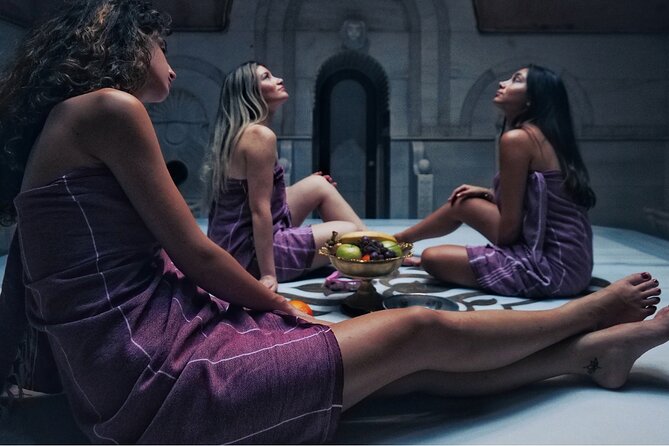
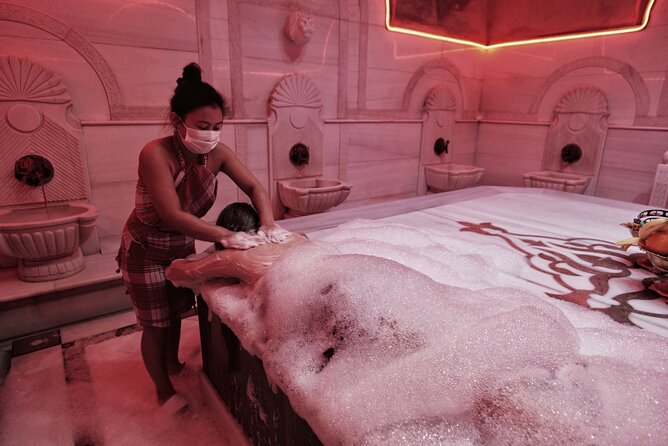
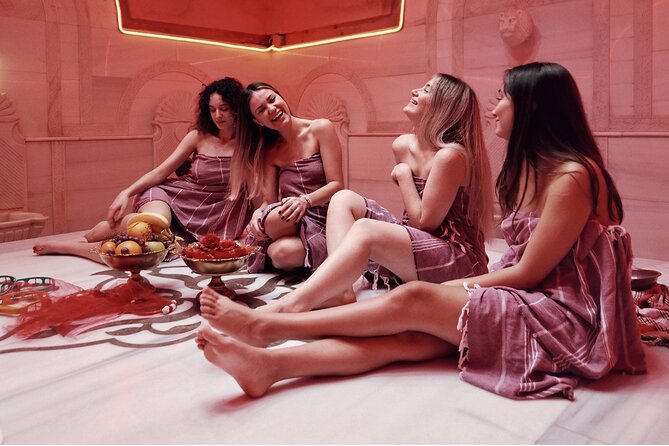
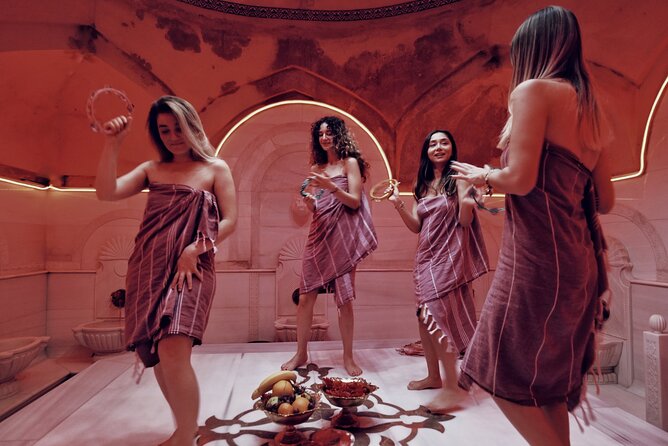
One caution: the additional info includes a request to bring a swimsuit and a clean one for after a hammam step (mentioned for men and women). That may apply to your booking, so don’t assume it’s irrelevant. If you’re traveling light, it’s worth checking so you don’t get stuck.
Who Should Book This Cooking Class in Marrakech?

Book it if you:
- Want hands-on cooking with real technique, not just a demonstration
- Like learning through food—market ingredients, spice recognition, then cooking
- Enjoy Moroccan dishes like tajines, couscous, and spiced desserts
- Prefer a smaller group setting with time for guidance
You might skip it if:
- You only want a quick meal and have zero interest in cooking
- You want luxury vibes and a strictly formal atmosphere
- You’re very sensitive to hands-on prep (chopping, seasoning, and kitchen time)
Should You Book This Moroccan Cooking Class?
Yes—if you want a Marrakech experience that feels practical and cultural, this is a strong pick. You’re not only eating Moroccan food; you’re learning how the ingredients are chosen and how the dishes are built, then you get to sit down in the salon and enjoy the results.
If you’re flexible, go for the morning session so you get the market visit and the ingredient lesson that feeds the whole meal. If your schedule only allows evening, you can still get a lot from the cooking itself—just note that the market visit is morning only.
FAQ
Where is the meeting point for the cooking class?
The class meets at Flavors of Marrakech, Rue Fatima Zahra, Marrakech 40000, Morocco.
How long is the Moroccan cooking class?
It lasts about 4 hours.
What time options are available?
You can choose a 10:30 am morning session or a 5:30 pm evening session.
Is the market visit included?
Yes, the local market visit is included in the morning session only.
What Moroccan dishes will I help cook?
You’ll help prepare dishes such as salads, tajines, couscous, and a dessert.
How many people are in a group?
The experience has a maximum of 12 travelers.
Do I eat what I cook?
Yes. After cooking, you enjoy your creations in a Moroccan salon.
Do I need to bring a swimsuit?
The additional info asks you to bring a swimsuit to wear during the hammam step and a clean one to change into after the hammam.